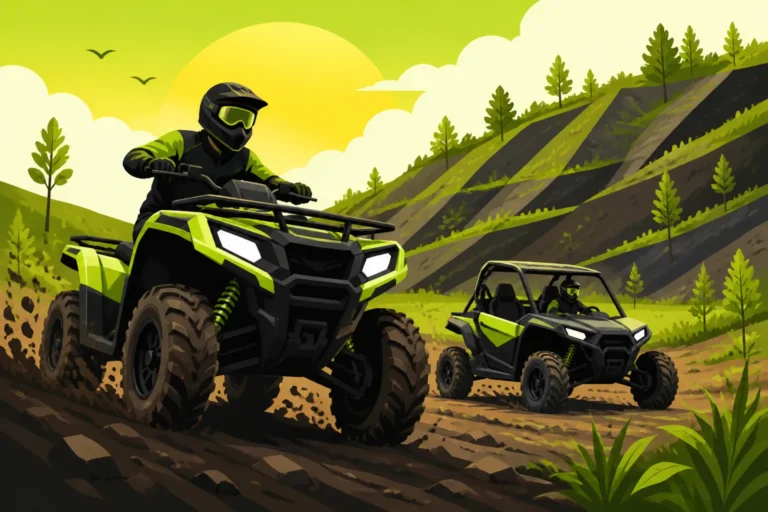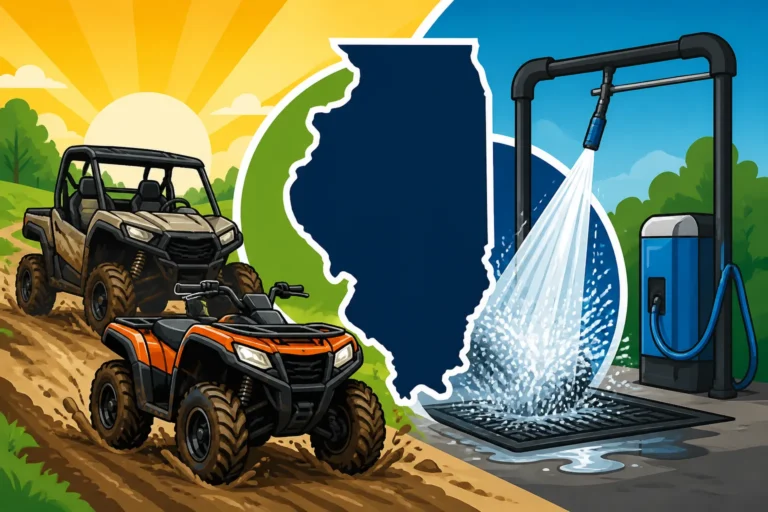
Opening Day at Sahara Woods Is May 1
Opening day at Sahara Woods can turn into a frustrating drive if you arrive without checking reservations, machine requirements, or trail conditions. The park’s season is listed as opening May 1, but a calendar date alone does not guarantee a smooth ride. This guide explains how to plan your first-day trip, what to confirm before leaving, and how to get ready for a full day on the trails.
What opening day at Sahara Woods means
May 1 is the season’s listed start
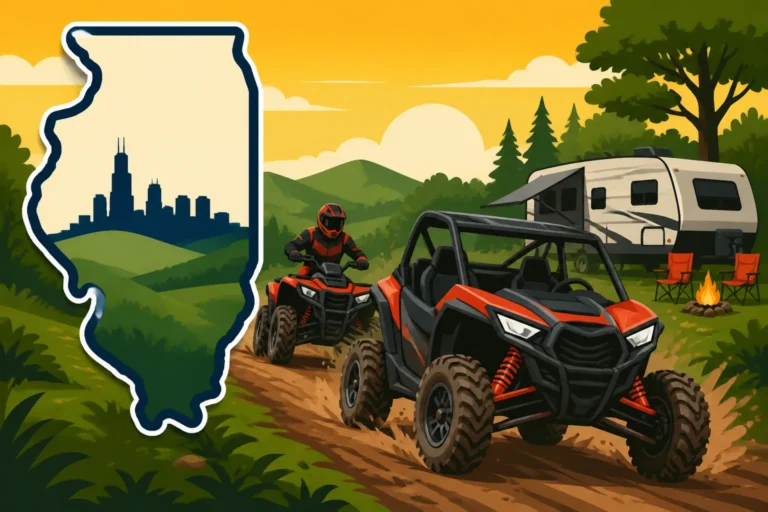
Sahara Woods is associated with a May 1 opening date, marking the beginning of its riding season. The park’s season is described as running from May through January, so opening day is the first opportunity of that season—not a promise that every trail will be open or that conditions will be ideal. For the date and seasonal context, see Opening Day at Sahara Woods Is May 1 and Sahara Woods’ Season Runs May to January.
That distinction matters when you’re coordinating a group, taking time off work, or towing a machine a long distance. Spring rain can leave trails soft, muddy, or temporarily unsuitable for riding. A scheduled opening date also does not rule out a closure or change in access. Before you set out, check the park’s official information for the specific day you plan to ride, including its operating status and any notices about weather or trail access.
A practical approach is to treat May 1 as a planning milestone, then confirm the details closer to your visit. Make sure the park is accepting riders, that you have completed any required booking steps, and that your machine meets the site’s rules. This simple check can save a long drive from central or northern Illinois only to discover that your planned riding day needs to change.
Know where you’re going before towing south
Sahara Woods is located about five miles west of Harrisburg, with the trailhead listed on Trail Head Lane. Those details are useful for getting oriented, but it’s still worth confirming the route and entrance instructions before you leave. You can review Sahara Woods Sits 5 Miles West of Harrisburg and The Sahara Woods Trailhead on Trail Head Lane as part of your trip planning.
Towing changes how you should plan navigation. A route that is fine in a passenger car may feel awkward with a trailer, especially if you are unfamiliar with the roads or need to make a turn in limited space. Enter the destination into your navigation app before departing, check the route for road restrictions and tight turns, and avoid trying to sort out directions while pulling into unfamiliar areas.
For trail orientation, an app such as onX Offroad can be one planning aid, but don’t assume a third-party map replaces the park’s official instructions or trail rules. Download any maps you plan to use before you arrive, and keep your phone charged. Cell coverage can be unreliable in some riding areas, so a printed map or saved directions can be a useful backup. [Carrying a Paper Map to a Grant Site] offers another reminder to avoid depending on a single device.
Plan around a full day, not just the drive
Sahara Woods is described as having about 30 miles of trail. That can make opening day appealing, but trail mileage doesn’t tell you exactly how long your visit will take. Your pace depends on the group, machine type, stops, weather, and how familiar you are with the terrain. Give yourself time for check-in, unloading, safety checks, and breaks rather than planning to arrive and ride immediately.
Opening day can also bring other riders who have been waiting for the season to begin. If the park has a daily vehicle cap, capacity may affect whether you can ride on your preferred date. The site is described as capping the day at 120 machines, so don’t treat availability as something to figure out after reaching the gate. Review Sahara Woods Caps the Day at 120 Machines and confirm the booking process and remaining availability before loading up.
How to prepare for your first ride of the season
Complete booking and waiver steps before you leave
If a reservation or permit is required, complete that step before driving to the park. The booking process is covered in Booking a Sahara Woods Permit Through ExploreMoreIL, while How to Book an Illinois OHV Permit can help you think through the broader permit process. Follow the official instructions for the riding date you want and make sure the reservation details match the riders and machines in your group.
Read the waiver carefully, and make sure each adult understands what they are agreeing to before arriving at check-in. If a child is riding, a parent or guardian may need to complete the appropriate paperwork. The park’s waiver process is explained in Signing a Waiver When You Register Online. Handling these details at home is usually less stressful than trying to read forms in a busy parking area while the rest of your group waits.
Save your confirmation where you can find it. A screenshot or printed copy can be helpful if you have trouble loading a message at the entrance. Check whether the park expects you to show a confirmation, identification, or other information at check-in, and keep those items together rather than buried in a bag or glove compartment.
Check machine rules before loading the trailer
Before opening day, inspect your ATV or UTV and compare it with the park’s stated requirements. Don’t assume that a machine which ran fine last fall is ready to go now. Check tires, brakes, steering, lights where required, fluid levels, battery condition, and any safety equipment the park requires. A small repair made at home is easier than discovering a problem after you’ve driven to southern Illinois.
Pay close attention to rules about machine specifications and modifications. If your vehicle has been altered, especially in a way that could affect dimensions, sound, or safety equipment, confirm that it is permitted before leaving. A machine that doesn’t meet site requirements can disrupt the whole group’s plans. The sensible time to ask about a questionable modification is before the trailer is packed.
Also verify what the park expects for riders and passengers. A child’s age, size, or experience can affect which machine is appropriate, while a UTV passenger must have a proper seating position and restraint. Do not assume that every passenger arrangement allowed on private property will be accepted at a riding park. Confirm the park’s rules and use the manufacturer’s guidance when matching a rider to a machine.
Pack for spring weather and changing trail conditions
Early May can bring a mix of cool mornings, warm afternoons, showers, and muddy sections. Wear layers you can adjust, bring rain protection, and pack extra gloves and dry clothes for the trip home. A helmet, eye protection, sturdy footwear, and any additional protective gear required by the park should be ready before the machine is loaded.
Bring drinking water, snacks, and basic first-aid supplies. Even a day that begins with comfortable temperatures can feel tiring after hours of riding, especially when you’re navigating mud or uneven ground. If you ride with children or newer riders, plan more breaks than you think you’ll need and agree on a meeting point in case the group gets separated.
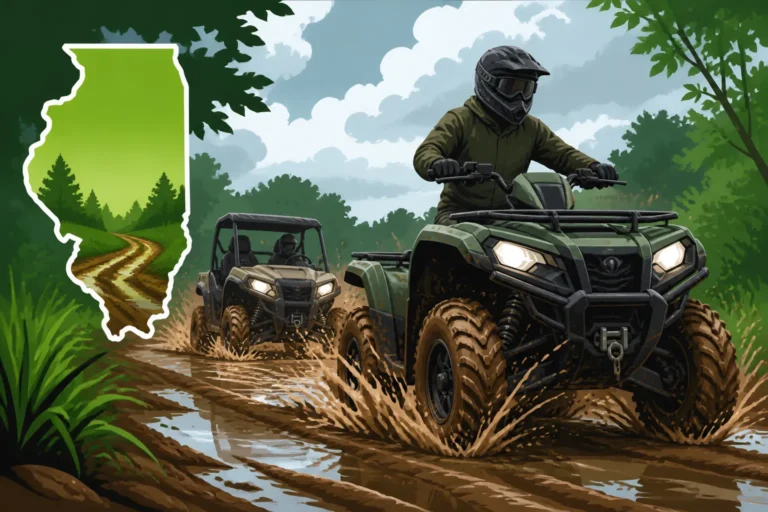
The trail may not be in the same condition across its full length. Rain can make some sections slick while others remain manageable, and a route that feels easy in dry weather can become more demanding after a wet spell. Check Illinois Trail Conditions Before You Tow and follow any park guidance about closures, muddy areas, or routes to avoid. Staying off a trail that is closed or too wet helps protect the riding surface and reduces the chance of getting stuck.
A practical opening-day schedule
Before you drive
Use the evening before your trip to confirm the park’s operating status, reservation details, and any updates affecting access. Check that your vehicle and trailer are road-ready, your ATV or UTV is secured correctly, and your fuel plan makes sense for the trip. Put your confirmation, identification, waiver information, and any required permits in one place.
It’s also a good time to check the forecast and make a decision about whether the conditions still suit your group. If the park posts a closure or recommends avoiding certain trails, take that information seriously. A change of plan is disappointing, but it is better than making the drive and finding out at the entrance.
If you use onX Offroad or another mapping tool, save the information you’ll need while you still have reliable service. Keep the official park directions handy as well. Third-party mapping can help you orient yourself, but park staff and posted site information take priority for access, closures, and permitted routes.
At check-in and before unloading
Allow enough time to arrive, check in, and follow the staff’s instructions without rushing. Each rider may need to complete a check-in step, and the park may issue wristbands or other identification. Read Every Rider Gets a Wristband at Check-In and Every Machine Gets a Sticker at the Gate so you understand why these items matter and where they fit into the entry process.
Keep any wristband or vehicle sticker in the required condition and location for the full visit. These are not souvenirs to put away once you leave the parking area; they may be used to confirm that riders and machines have completed the park’s entry process. If something is missing, damaged, or difficult to wear or mount, ask staff before heading onto the trail.
Before unloading, do one last look at the machine and trailer area. Secure loose cargo, confirm that helmets and protective gear are ready, and make sure everyone in your group knows where to meet if you become separated. Agree on a riding pace that works for the least experienced person. A first-day ride is more enjoyable when nobody feels pressured to keep up with a faster group.
On the trails
Start with a conservative pace, particularly if the trails are damp or your machine has been stored through winter. Give other riders room, slow down where visibility is limited, and follow signs and staff directions. Conditions can change from one section to another, so avoid charging into mud or unfamiliar terrain simply because the previous stretch was easy.
Keep your group within a comfortable distance and stop only where it is safe to do so. If you need to check a map, move out of the way of active trail traffic first. With onX Offroad, review your route when stopped rather than looking at your phone while moving. A map is most helpful when it supports a plan—not when it distracts the driver.
Take breaks before everyone is exhausted. Check on children and newer riders regularly, and be willing to shorten the route if weather, fatigue, or trail conditions call for it. The goal is not to cover every mile on opening day. It is to finish safely and leave enough energy to enjoy the trip home.
Opening-day checklist and common planning mistakes
Quick checklist
| Before the trip | At the park | During the ride |
|---|---|---|
| Confirm the park is open and check for trail updates | Follow check-in instructions | Ride at a pace suited to the group |
| Complete reservations and waiver steps | Keep required rider and machine identification in place | Respect closures and posted directions |
| Confirm machine and rider requirements | Secure loose gear before unloading | Stop safely before checking a map |
| Inspect the ATV or UTV and trailer | Review any staff guidance about conditions | Take breaks and reassess weather |
| Save directions and maps for offline use | Make sure everyone knows the meeting plan | Turn back if conditions become unsafe |
Mistakes that can derail the day
The first common mistake is treating May 1 as a guarantee of ideal trail conditions. The date marks the listed start of the season, but spring weather still matters. Check for updates, prepare for mud, and be ready to adjust your route or timing.
Another avoidable mistake is assuming that a reservation can wait until the morning of the trip. If capacity is limited, popular opening dates may fill. Book through the designated process, keep your confirmation accessible, and verify that your reservation covers the right riders and machines.
A third is relying entirely on a phone for navigation. Battery drain, poor service, or a damaged device can leave you without the information you expected to have. Save maps in advance, carry a backup where practical, and follow posted signs and park instructions. onX Offroad may be useful as one part of that preparation, but it should not replace official park information.
Finally, don’t overlook the machine itself. A dead battery, low tire pressure, loose tie-down, or forgotten protective gear can make the first ride of the season stressful before you even reach the trail. A careful home inspection and a few minutes of preparation at the trailer can make opening day feel like the start of a ride instead of a list of last-minute fixes.
Disclaimer
This article is for general informational purposes only and does not constitute professional advice. Laws, prices and regulations vary by location and change over time. Consult a qualified professional for guidance on your specific situation.