Sahara Woods Closes After the Last January Weekend
Sahara Woods’ winter cutoff can catch riders off guard: the park’s season ends after the last weekend in January, even when a mild stretch of weather makes another ride seem tempting. This guide explains how the closing date affects trip planning, what to check before heading south, and how to prepare your ATV or UTV for the off-season.
When Sahara Woods Closes for the Season
What “after the last January weekend” means
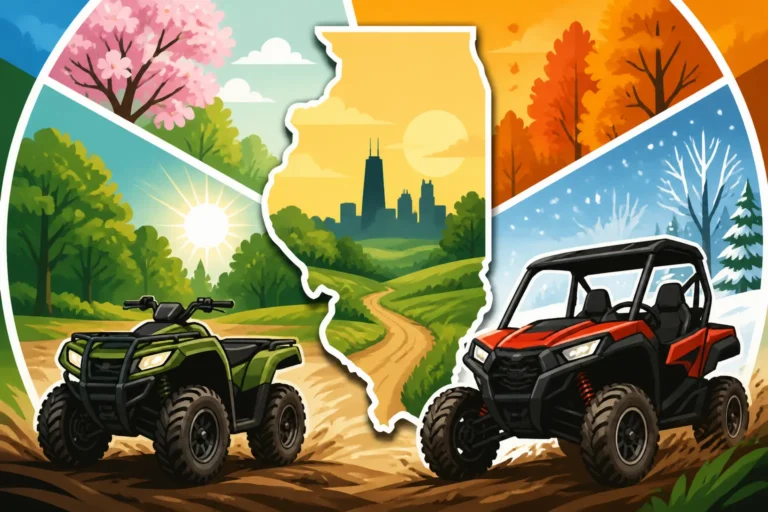
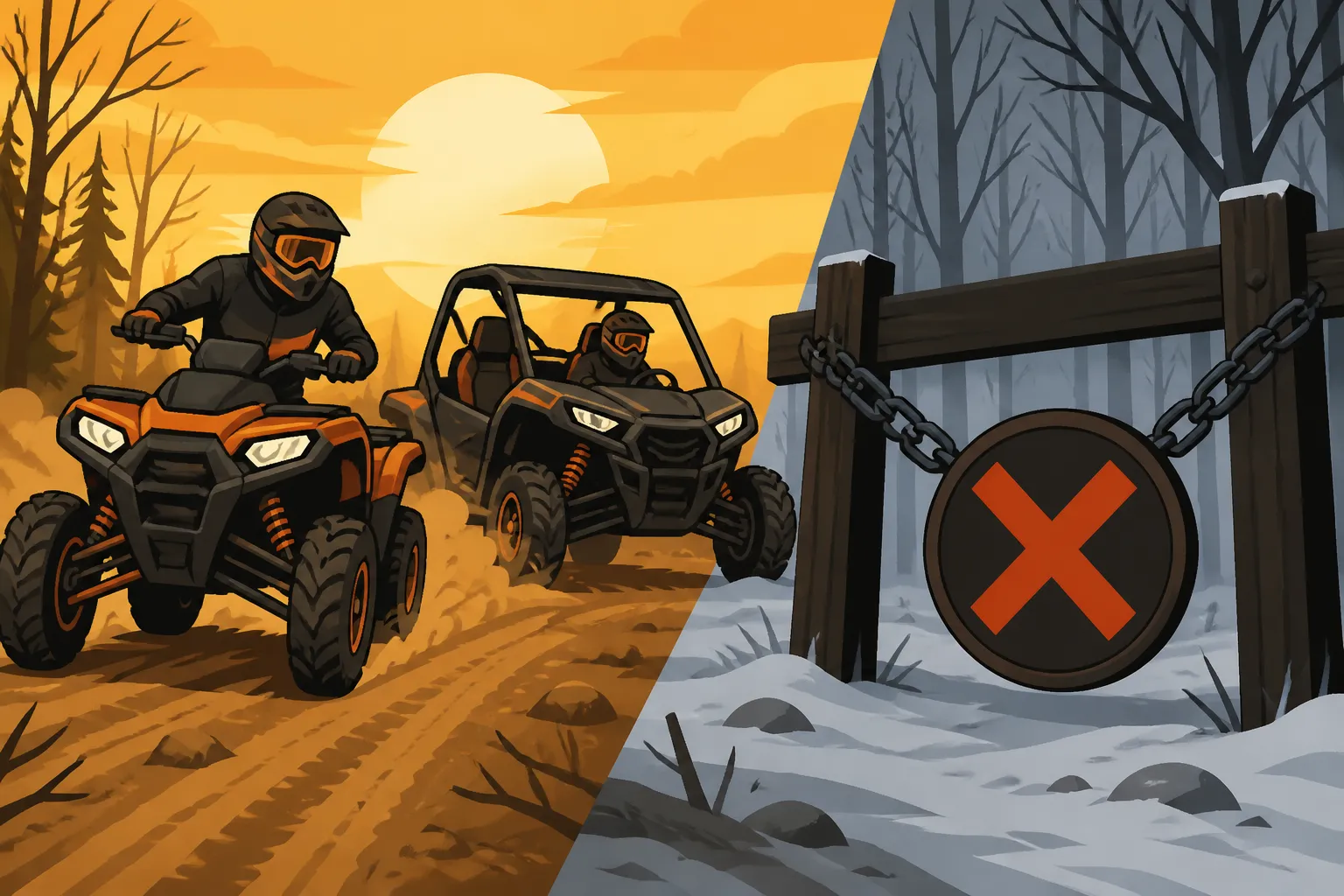
Sahara Woods’ riding season runs from May through the last weekend in January. Once that final January weekend has passed, the park is closed for the season. A sunny February forecast or a machine that is ready to go does not mean the trails are open; the seasonal operating schedule determines when riding is allowed.
That distinction matters if you are planning a long drive. A rider near Chicago, Peoria, or Springfield may spend hours towing south, only to arrive outside the operating season. Treat the last January weekend as the end of the riding window—not as a suggestion to ride until weather or trail conditions become unpleasant.
The park’s seasonal schedule is one reason it helps to check operating information before loading up. For broader background, see Sahara Woods’ Season Dates in Illinois and Sahara Woods Closes After the Last January Weekend. If you are comparing destinations, Illinois Riding Season Month by Month can also help you think through when different parts of the state are most practical for riding.
How the closing date fits with the park’s weekly schedule
During its operating season, Sahara Woods is listed as open Friday through Monday, from 9 a.m. to 5 p.m. That schedule means a rider cannot assume the park is open simply because the season has not ended. The day of the week matters too, and the final weekend in January is the last seasonal opportunity—not a promise that the park operates every day leading up to it.
This can make the last trip feel like a small logistical puzzle. A family might have only Sunday available, while a group of friends may be counting on Saturday and Sunday together. Check the operating calendar and any registration requirements before leaving home, especially if the trip involves a rental, a campsite, or a long tow.
| Planning detail | What to keep in mind |
|---|---|
| Riding season | May through the last weekend in January |
| Seasonal closing point | After the final January weekend |
| Typical operating days during the season | Friday through Monday |
| Typical listed hours | 9 a.m. to 5 p.m. |
| Before you travel | Confirm that your intended date is open and complete any required registration |
For more on the day-to-day schedule, see Sahara Woods Is Open 9 a.m. to 5 p.m. and Friday, Saturday, Sunday and Monday. Schedules and access arrangements can be affected by park operations, so a calendar entry from an old trip is not a substitute for checking the details for the date you intend to ride.
Planning a Ride Before the January Closing
Confirm access before you tow
A last-season ride often involves more planning than an ordinary weekend outing. You may be juggling a trailer, work schedules, weather, fuel stops, and other riders’ availability. Before setting off, confirm that your chosen date falls within the season and the park’s operating days. If registration or a permit is required, complete that step before the trip rather than assuming you can sort everything out at the gate.
The final weekends can also attract riders who want one more outing before the seasonal pause. Do not assume that arriving late will leave plenty of time to check in, unload, and get on the trails before closing. Build in room for traffic, trailer parking, paperwork, and any required safety checks. If you are traveling with a group, agree on a meeting point and arrival time before anyone gets on the road.
A useful preparation list is simple:
- Confirm the park is operating on your chosen date.
- Check the current registration, permit, and waiver instructions.
- Make sure each rider has the required documents and identification.
- Inspect the trailer, tie-downs, tires, lights, and hitch before departure.
- Leave enough time to arrive, check in, unload, and prepare the machine.
The article Booking Before You Drive Down covers the value of arranging access ahead of a trip, while Illinois Advance Registration and Waivers explains why registration and paperwork belong on your planning checklist. For a wider look at the park’s requirements, see Illinois Sahara Woods Permits.
Check weather and trail conditions with a winter mindset
Late January conditions can change quickly. A route that looked straightforward during a dry week may feel very different after rain, snow, a freeze-thaw cycle, or a run of cold nights. Those conditions can affect traction on the trails and make the drive itself more tiring, particularly when you are towing. Look at the forecast for both your starting point and the park area, not just the weather at home.
A map app can help you understand the drive and keep your group oriented, but it should not be treated as confirmation that a trail is open or suitable to ride. onX Offroad can be useful for organizing route notes and reviewing your broader off-road planning, while the park’s own access information should guide decisions about where and when riding is permitted. Download or save the information you need before leaving, especially if you expect limited cell service along the way.
Be conservative about what you attempt. If your group includes newer riders, children, or people unfamiliar with winter riding, agree in advance that anyone can call for a slower pace or a return to the staging area. Bring warm layers that can be adjusted, gloves that still allow a secure grip, and a dry change of clothing. For more seasonal preparation, see Illinois Riding in Winter and Illinois Trail Conditions Before You Tow.
What to Do When the Season Ends
Do not treat the closing date as a riding invitation
Once the last January weekend has passed, plan on the park being closed until its season resumes. Do not ride on closed park trails, assume that a gate left open means public access is allowed, or use a nearby road or field as a substitute route without permission. A closed riding area is not an invitation to explore around its boundaries.
This is especially important when winter access is unclear. Snow, mud, or a quiet entrance can make it hard to tell whether an area is open, but appearance does not establish permission. If you have a question about a specific date or access rule, ask the site manager rather than relying on another rider’s old post or an outdated map. Asking a Site Manager What Applies offers a practical approach to resolving uncertain access questions.
A seasonal closure also gives park staff and land managers time to prepare for the next operating period. Staying off closed trails helps avoid damage and reduces the risk of misunderstandings about where riders may go. If you want alternatives for the remainder of winter, check other locations’ rules and schedules individually; a park that is open does not automatically share Sahara Woods’ access rules.
Store your machine and riding gear carefully
The months between riding seasons are a good opportunity to deal with the small maintenance jobs that are easy to put off after a full day on the trails. Clean mud and debris from the frame, suspension, wheels, and underbody. Pay particular attention to packed material around moving parts and places that are difficult to inspect when the machine is dirty. Let the vehicle dry properly before covering or storing it.
Follow the owner’s manual for battery care, fuel preparation, tire storage, and other model-specific steps. Check the tires for cuts or embedded debris, inspect cables and controls, and note any repairs that should be completed before the next trip. If you find a problem, write it down now rather than hoping you will remember it when the trails reopen. Storing a Quad Through an Illinois Winter offers more detail on preparing a machine for the off-season.
It is also a good time to sort riding equipment. Dry helmets and clothing fully, clean goggles, replace damaged straps or worn gloves, and put paperwork somewhere easy to find. Keep a simple list of items to replenish, such as tie-downs or first-aid supplies. When you start planning next season, onX Offroad may help you organize your general route-planning notes, but verify park access, dates, and rules with the riding location before you travel.
Making the Most of the Last Weekend
Set a realistic schedule for the final outing
The last weekend is a deadline, but it does not have to become a race. Pick a date that works for the group, arrive with enough time to unload safely, and decide how long you want to ride before the day begins. A shorter, comfortable ride is often more enjoyable than trying to squeeze in every possible loop while watching the clock.
If several machines are traveling together, inspect them before departure rather than in the parking area. Check fuel, tire pressure, lights, brakes, and tie-downs. Confirm that everyone knows the meeting point if the group gets separated, and make sure riders understand the park’s rules before heading out. Keep a paper copy of essential details or save them on your phone in case reception is unreliable.
The park’s listed hours are 9 a.m. to 5 p.m. on operating days, so plan around the full visit rather than treating the closing time as an approximate target. The check-in process, unloading, gearing up, and loading again all take time. What One Day at Sahara Woods Buys You can help set expectations for a day visit, and Illinois Trail Etiquette Locals Expect is useful reading for keeping the outing considerate and safe.
Have a backup plan without assuming another site is open
A weather change, a full schedule, or a last-minute machine problem can derail a final-weekend plan. Having a backup idea helps, but make sure it is a legal, open riding location—not simply land that looks suitable on a map. Public land, private land, and grant-assisted riding areas each have their own access rules. A stamp or decal does not turn a closed trail into an open one.
onX Offroad can help with general trip organization, such as keeping notes about places you want to investigate or reviewing a broader route plan. Still, a map should not replace direct confirmation from the riding area. Verify that the location accepts your type of machine, that it is operating on your intended date, and that you have the required access documents. For a useful starting point on site types and permission, see Illinois Grant-Assisted Riding Areas and Illinois Private Off-Road Parks.
If no suitable riding area is open, consider making the trip a maintenance weekend instead: service the machine, clean the trailer, or plan a future ride. That may feel disappointing when you were hoping to get one more day on the trails, but it is better than risking a wasted drive or riding somewhere without permission. Once Sahara Woods closes after the last January weekend, the next ride there will need to wait for its season to return.
Disclaimer
This article is for general informational purposes only and does not constitute professional advice. Laws, prices and regulations vary by location and change over time. Consult a qualified professional for guidance on your specific situation.