Illinois Sahara Woods Permits
A Sahara Woods trip can go sideways before you reach the trail: a permit may be sold out, a required decal may be confused with the park pass, or a machine may not meet the site’s rules. This guide explains how the permits fit together, what to arrange before loading up, and what to expect at the gate so you can plan a smoother ride.
Understand the permits before you plan your ride
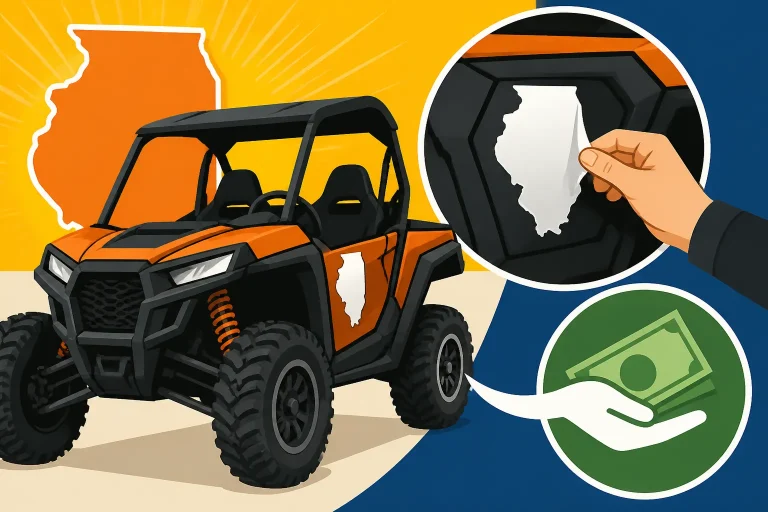
A Sahara Woods permit is not the same as an Illinois access decal
The first confusing part is that “permit” can refer to more than one thing. A Sahara Woods riding permit is tied to access for a particular visit. Illinois’s public access decal is a separate requirement associated with riding at grant-assisted sites. One does not automatically replace the other.
Think of it as two questions: “Am I authorized for this riding day?” and “Does my machine have the required Illinois access decal?” A reservation or permit can address the first question without answering the second. Before leaving home, confirm both your visit’s booking requirements and the decal rules that apply to your machine and residency.
The annual usage stamp is another separate item riders sometimes mix into the picture. The stamp and access decal have different purposes, and the access decal may affect whether a usage stamp is needed. For a clear side-by-side explanation, see Illinois Usage Stamp vs Access Decal and What the Stamp Covers and What the Decal Covers. Don’t assume that a stamp, decal, or park permit is interchangeable just because each involves a sticker or proof of access.
What each item does
| Item | What it generally relates to | What to check before riding |
|---|---|---|
| Sahara Woods permit or reservation | Authorization for a visit or specified riding period | Date, permit type, machine count, booking confirmation, and site rules |
| Illinois public access decal | Access requirements for applicable grant-assisted riding sites | Whether the machine needs a decal and whether it is displayed correctly |
| Illinois OHV usage stamp | State usage-stamp requirements for machines and riding circumstances | Whether it applies to your situation or is affected by holding an access decal |
| Park waiver and check-in materials | Entry procedures for the rider and machine | Who must sign, what confirmation to bring, and how check-in works |
The table is a planning aid, not a substitute for the site’s current entry instructions. Rules can depend on the machine, the rider, residency, and the kind of access being used. If you are uncertain, ask the site or the appropriate Illinois program contact before making the drive.
A practical approach is to make a small “permit folder” for each machine. Keep the booking confirmation, any required decal information, and ownership or identification details together. That way, if a friend is towing a second machine or a family member is checking in separately, nobody is left searching through a phone inbox at the gate.
Why sorting out the two stickers matters
It is easy to focus on the reservation because that is the part with a date and a limited number of spaces. But arriving with a booking does not necessarily cure a missing machine decal or other entry requirement. Conversely, having a decal does not reserve a riding day or guarantee that a park has space available.
Riders also sometimes buy a stamp early in the year, then discover they need to understand how the access decal affects that purchase. The details matter especially when riding at grant-assisted sites. Read [Illinois Public Access Decal Rules] and Why an Access Decal Cancels the Usage Stamp before assuming you need both stickers.
If you ride several locations, make a site-by-site checklist. A private park, a grant-assisted area, and a state OHV site may have different booking, decal, waiver, and machine rules. Treating every place as if it uses the same pass system is a common way to arrive underprepared.
Choose the right Sahara Woods permit
One-day permits for a single outing
A one-day permit is the straightforward choice when your plan is a single day at Sahara Woods. It suits a local rider making a day trip, a family trying the park for the first time, or a group that has one open day in a longer Southern Illinois visit. The key is to select the correct date and account for every machine and rider covered by the booking process.
Before you reserve, decide who is riding and which machines are going. Don’t make the booking for one quad and assume a second machine can be added casually at check-in. The site’s available capacity and permit rules determine whether changes are possible, so confirm the booking details rather than relying on a verbal plan between friends.
A day permit is not a promise that every trail will be suitable for every rider. Sahara Woods is known for riding on reclaimed mine ground, and conditions and terrain can vary. A first-time rider may want to begin cautiously, watch posted guidance, and avoid following a group onto a route that exceeds their experience. The site’s permit is access, not a skill rating.
For details specifically focused on this option, see Illinois Sahara Woods One-Day Permits. If you are deciding between a single day and a longer visit, compare the date coverage, your lodging plans, and the number of days you will realistically ride rather than choosing based only on the name of the permit.
Four-day permits for a longer stay
A four-day permit may fit a long weekend or a trip where you want more than one riding day. It can make planning simpler when the group is staying nearby and expects to ride across multiple days, but it still needs to match the site’s rules and the dates you intend to use it. Check how the permit period is defined before arranging lodging or towing plans around it.
Longer access is not automatically better value for every rider. Weather, fatigue, family schedules, and trail conditions can all change the shape of a trip. A rider who expects to spend four consecutive days on the trail might discover that a rest day is welcome after the first long ride. Think through your likely schedule before choosing.
The best scenario for a multi-day visit is a group that has coordinated its travel, lodging, and machine lineup in advance. If one person is arriving later or bringing a machine separately, confirm how that person’s registration and check-in will work. A group text that says “we’re all covered” is not a substitute for checking the actual permit confirmation.
See Illinois Sahara Woods Four-Day Permits for the permit-specific details. If you are uncertain whether a longer permit covers your intended dates or all planned machines, ask before booking. It is much easier to resolve a question while you are at home than when the trailer is already parked near Harrisburg.
Compare your options before paying
The right option depends on your schedule and how certain your plans are. A one-day booking can be a sensible choice for a first visit, while a multi-day option may suit an established trip. In either case, availability, the number of machines, and the permit’s stated terms should guide the decision.
| Your plan | Option to investigate | Main planning question |
|---|---|---|
| One day of riding | One-day permit | Is your chosen date available, and are all machines included correctly? |
| Several days at the site | Four-day permit | Do the covered dates match your itinerary and lodging? |
| A holiday or popular weekend | Book as early as the system allows | Could the daily cap fill before your group registers? |
| Plans are uncertain | Confirm change and refund rules before booking | What happens if weather or travel disrupts the trip? |
Do not base the decision on a remembered fee or an old screenshot. Permit costs and booking details can change, so check the current booking page for the figures and terms that apply when you are ready to reserve. The shape of the cost is only one part of the decision; a sold-out day or an incorrect machine count can be more disruptive than a modest difference between permit types.
If a friend is handling the booking, ask them to share the confirmation and the exact permit details. Make sure everyone agrees on the date, arrival plan, rider count, and machine list. This small check can prevent the familiar parking-lot conversation where one person thought the group had booked Saturday and another thought it was Sunday.
Book early and plan around limited capacity
Availability can matter as much as the permit type
Sahara Woods has a daily vehicle cap, so a permit is not something to leave until the night before a popular ride. Holiday weekends and pleasant-weather dates can attract more riders, and a group that waits may find its preferred day unavailable. The practical rule is simple: check availability before making nonrefundable travel arrangements.
That matters especially if you are towing from far away. A rider coming from the Chicago area, Peoria, or the St. Louis region may have already arranged a truck, trailer, fuel stops, and lodging before realizing that the riding day is full. Put the booking check near the beginning of your planning—not at the end.
Availability can change, and a past visit does not guarantee that the same date will be open next time. Review Illinois Daily Caps and Sell-Outs and Illinois Booking Windows for a Weekend when planning a high-demand date. A confirmed reservation should be saved where the driver and the person handling check-in can reach it.
How to build a reliable booking plan
Start by choosing a primary date and a backup date. Then confirm the permit type, number of machines, number of riders, and any separate requirements for the people in your group. If the booking system asks for information you do not have at hand, pause and gather it rather than guessing.
A useful sequence is:
- Check the site’s operating dates and available permit options.
- Confirm the daily availability for your preferred date.
- Verify the number of machines and riders covered by the reservation.
- Read the waiver, cancellation, change, and check-in instructions.
- Complete the booking and save the confirmation.
- Recheck the site’s instructions shortly before departure.
This method helps avoid a preventable problem: one person books quickly, another person assumes the booking covers the whole group, and nobody checks the confirmation until arrival. Keep the booking record in a shared message or trip folder so the designated driver can find it even if the person who made the reservation is running late.
For online bookings, take a screenshot or print the confirmation if that is allowed and useful for your group. A phone can lose reception, run low on battery, or be left in the wrong vehicle. A paper copy tucked into the glovebox is a simple backup, particularly when the person at the gate is not the person who made the reservation.
Keep cancellation and weather plans realistic
Southern Illinois weather can turn an anticipated riding weekend into a muddy, uncomfortable, or unsafe trip. Check the park’s current operating notices and policies before you leave, and don’t assume that rain automatically means the permit is refunded or moved. The exact terms matter, so read them at booking rather than trying to interpret them after a closure or bad-weather change.
Think about the drive as well as the trail. Heavy rain can affect access roads, parking, and the condition of a machine trailer. If the forecast is unsettled, make a decision plan with your group: who checks notices, when you decide whether to travel, and how you will communicate if one vehicle turns around.
A practical kit can reduce some of the discomfort of a wet or muddy day. Riders often keep spare gloves, dry clothes, water-resistant document storage, and basic recovery items in the truck. If you use Amazon to gather ordinary trip supplies such as a waterproof pouch or spare tie-downs, check dimensions and ratings carefully; the point is to arrive prepared, not to assume an item is suitable simply because it is sold as outdoor gear.
Prepare the rider and machine for check-in
Confirm who is responsible for each rider
A permit booking and a waiver are not the same step. Riders may need to complete or sign site paperwork, and a minor cannot necessarily handle that paperwork on their own. Parents or guardians should read the instructions in advance and be prepared to complete required forms for children.
Don’t wait until the group reaches the gate to ask who is signing for a child or whether every passenger is included. If a teen is riding with another family, confirm who the responsible adult is and what documents the park requires. Sorting this out in the driveway is much less stressful than trying to reach a parent while everyone else waits.
Review Illinois Waivers Signed Before You Ride and Parents Must Sign the Waiver for a Child as part of your preparation. A completed waiver does not replace a booking, and a booking does not necessarily complete a waiver. Treat them as separate checklist items and follow the site’s instructions for each rider.
Check machine eligibility and condition
A machine can be mechanically sound and still fail a site requirement. Check the park’s rules for machine specifications, allowed vehicle types, and any restrictions on modifications. Avoid assuming that a machine accepted at a private riding area or on a farm will automatically be accepted at Sahara Woods.
Before loading, inspect the basics: tires, brakes, steering, throttle return, lights where applicable, fluid leaks, and secure cargo. Look for loose accessories, damaged controls, or modifications that could create a safety or compliance issue. If the machine has been recently repaired, give it a short test ride before the trip rather than discovering a problem at the trailhead.
If your machine has been altered, confirm that it still meets the park’s entry standards. A lift, unusual tire setup, exhaust change, or other modification might affect whether it complies with the applicable rules. See Machines Checked Against Factory Specifications at the Gate and Why a Modified Machine Gets Turned Away before deciding that a modification is harmless.
Pack documents and practical gear
Put the booking confirmation, waiver information, and machine details somewhere easy to reach. If you are carrying paperwork for several machines, label the documents or place each machine’s information in a separate sleeve. A disorganized pile of papers can slow check-in and make a simple question feel like a crisis.
Bring the gear that supports a safe, comfortable day: properly fitted helmets, eye protection, weather-appropriate layers, water, basic first aid, and a way to communicate with your group. A phone mount or waterproof case may help some riders, but neither replaces awareness of trail conditions or the park’s posted directions.
For small trip essentials, some riders use Amazon to replenish items they already know they need, such as a compact first-aid kit or a document pouch. Check that the kit is complete and that the pouch actually protects paperwork from rain and mud. If you buy replacement straps or recovery gear, confirm their intended load and use rather than relying on appearance alone.
Know what to expect at Sahara Woods
Check-in, wristbands, and machine stickers
Plan to arrive with enough time to complete the site’s check-in procedure rather than pulling in just before you hope to ride. Staff may need to verify the booking, handle paperwork, and confirm that riders and machines satisfy the site’s entry requirements. A late arrival can become especially stressful if a group has multiple machines or a minor who needs an adult’s attention.
The site’s process may include a rider wristband and a vehicle sticker. Keep the wristband on as directed and leave the machine sticker in the required location. These are practical ways for staff to identify authorized riders and machines, so do not remove, swap, or casually share them.
Read Every Rider Gets a Wristband at Check-In and Every Machine Gets a Sticker at the Gate before your visit. If a wristband is lost or a sticker is damaged, ask staff what to do. Trying to improvise with a borrowed wristband or a sticker from another machine can create a larger problem than simply reporting the issue.
Follow the site’s operating schedule
Sahara Woods is a seasonal riding destination, and its operating calendar matters as much as the permit. The site’s schedule has been described as running during a season that begins in spring and extends into winter, with operating days and hours set for the park. Always check the specific date you intend to visit, since an overall season description does not guarantee that the gate is open on your chosen day.
Plan your travel around the stated gate hours, check-in requirements, and time needed to unload. A group that reaches the area late may have less time to ride and may find that a full day is difficult to fit into the remaining daylight. Being on the road early is often easier than rushing through paperwork and gear checks after arrival.
Before driving down, review The Sahara Woods Season Runs May to January and Sahara Woods Is Open 9 a.m. to 5 p.m.. Treat these as planning references and confirm the schedule for your actual date with the current site information. Weather, maintenance, or operational notices can affect plans, so check again close to departure.
Choose trails with your group’s experience in mind
Sahara Woods offers a substantial riding area on reclaimed mine ground, but mileage does not mean every route is easy or appropriate for every rider. Start with a realistic assessment of the least experienced person in your group. A confident adult on a familiar side-by-side should not set the pace for a child or a new rider on a smaller machine.
Agree on basic group rules before entering the trail system. Decide where you will stop, how often you will check that everyone is present, and what to do if one machine has a problem. In a group of several vehicles, leave enough space to react and avoid crowding a rider who is still learning.
Bring a map or other approved navigation aid when available, and pay attention to posted directions. Do not assume your phone will have dependable service everywhere. A simple plan—such as identifying a meeting point and keeping a paper trail map protected from moisture—can be useful if the group gets separated.
Avoid common permit and entry mistakes
Confusing a state sticker with a site booking
The most common paperwork mistake is believing that one sticker covers every kind of access. A public access decal, usage stamp, and Sahara Woods permit do not all perform the same job. Keep the distinction clear and verify which item applies to your machine before the trip.
This is especially important for visitors from neighboring states. A rider coming from Indiana, Missouri, or Wisconsin may have a home-state registration or sticker and assume it settles Illinois requirements. Check the specific Illinois rules for visitors and the site’s entry rules; do not treat another state’s document as an automatic substitute.
For context, read Does Illinois Accept Another State’s OHV Registration? and Illinois Visitors From Indiana. If you are visiting from elsewhere, use the corresponding visitor guidance and check the current requirements for your residency and machine. When in doubt, ask before buying or displaying an additional sticker.
Booking for fewer machines than the group brings
A booking made for one machine may not cover a second quad arriving on the same trailer. This can happen when a friend decides to join at the last minute or a family brings a youth machine that was not included in the original plan. Confirm the machine count in the booking rather than relying on the group’s verbal understanding.
Before leaving, match the booking confirmation to the actual trailer. Count the machines, identify who is operating each one, and check whether the booking process asks for separate details. A short walk around the trailer can catch a mismatch that would be difficult to resolve at the gate.
If your group changes after booking, contact the site or follow the official process for changes. Do not assume that a permit can be transferred, expanded, or used on a different date without approval. The same caution applies to a borrowed machine: clarify who is responsible for the permit and what proof or consent the site expects.
Assuming entry is guaranteed after the drive
A long drive creates pressure to find a way in, but it does not change the site’s capacity or entry rules. A full day, an incomplete booking, a missing required decal, an ineligible machine, or an unresolved waiver issue can all disrupt the plan. The solution is to check each requirement while you still have time to correct it.
Make a final pre-trip check the evening before departure. Confirm that the date is right, the site has not posted a closure notice, the booking is accessible, and every rider knows what to bring. Ask the group to acknowledge the plan rather than assuming everyone saw the message.
If something is unclear, use the site’s official contact or booking information. Don’t rely solely on a years-old forum post, a friend’s memory, or a screenshot from another season. Local riding knowledge is helpful, but entry instructions and permit terms should be confirmed for your own visit.
Plan the full trip, not just the permit
Coordinate travel, lodging, and machine transport
Sahara Woods is near Harrisburg in Southern Illinois, so travel time can be a major part of the outing for riders coming from northern or central Illinois. Work backward from the park’s check-in and riding schedule. Include stops for fuel, food, and unloading, and allow extra time if you are towing a wide or heavily loaded trailer.
If you are staying overnight, confirm that your lodging can accommodate the truck and trailer. Ask about trailer parking, machine storage, and any rules for washing muddy equipment. A place that is convenient for people may not have an easy turn-around or enough space for a long trailer.
Plan fuel for the whole route, not just the drive to the area. Check where you can fuel the tow vehicle and machine, and do not assume a nearby business will have the fuel or hours you need. Keep a backup plan for a delayed arrival or a closed stop, especially when traveling with children or a large group.
Pack for trail conditions and the return drive
Southern Illinois riding can involve mud, dust, changing temperatures, and rough ground. Pack clothing that can get dirty, dry layers for after the ride, and a way to separate wet gear from clean seats and luggage. A few basic supplies in the tow vehicle can make the return drive much more pleasant.
Bring tools and recovery equipment that match your machine and your experience. Secure everything on the trailer before leaving, and double-check tie-down points after the first stop. If you use Amazon to replace ordinary trip supplies such as a storage bin or gloves, choose items that fit your actual machine and trailer setup; generic sizing can be a poor match.
After riding, inspect the machine before loading. Remove loose mud that could interfere with controls or visibility, check for damage, and make sure the trailer lights and tie-downs are functioning. A quick end-of-day inspection is easier than finding a bent component or loose strap halfway home.
Make the permit check part of your yearly routine
If you return regularly, save a reusable checklist but update it before each trip. Operating days, booking procedures, prices, capacity, and site requirements can change. A checklist is useful when it reminds you what to verify; it is not a substitute for current instructions.
Keep a record of the permit type you used, how many machines were included, and what you needed at check-in. That memory can help next time, but label it with the visit date and confirm it against the current rules. A note that says “we were fine with one sticker” is not enough unless you know which sticker and which riding situation it referred to.
For a final review, revisit Illinois Permit Questions Riders Ask and Illinois Sahara Woods Permits. Confirm the permit, decal, waiver, machine, and operating-date details before towing. With those pieces settled, you can spend less time worrying about the gate and more time enjoying the ride.
Disclaimer
This article is for general informational purposes only and does not constitute professional advice. Laws, prices and regulations vary by location and change over time. Consult a qualified professional for guidance on your specific situation.