What to Do When a Village Board Says No
It’s incredibly frustrating when you’ve got your heart set on using your UTV for quick trips around your Illinois village, only to have the local board shut down the idea. You see other towns making it work, and it feels like your community is missing out on the convenience and fun. This guide is here to walk you through why a village board might say "no" to UTVs on streets, what factors influence their decisions, and how you can effectively advocate for responsible UTV use in your own community, offering real strategies to bridge the gap between rider enthusiasm and local governance.
Understanding Why a Village Board Might Say No
When a village board votes against allowing UTVs on local streets, it’s rarely a simple "no" born of malice. More often, it stems from a complex mix of legal considerations, community feedback, and sometimes, a simple lack of understanding about these machines and their responsible operators. It can feel personal when your passion is dismissed, but understanding the underlying reasons can empower you to craft a more persuasive argument for the future.
The Local Control and Concerns of Illinois Municipalities
In Illinois, the default stance is that off-highway vehicles, including UTVs, are generally prohibited from operating on public roads. It's not like cars, where they're assumed to be street legal unless otherwise noted. Instead, [Illinois Law Starts by Banning Street Riding] and then gives local governments, like village boards, the authority to permit their use through specific ordinances. This means the burden is on each individual municipality to proactively open its streets, which requires deliberation and often, careful justification.
Village boards are responsible for the safety and well-being of all their residents, and when considering a new ordinance like allowing UTVs, they have to weigh many factors. Concerns often surface around general traffic safety, especially in areas with children playing, blind intersections, or high pedestrian traffic. They might worry about the speed of these machines, even if you know your UTV can handle varying speeds safely. Some boards also consider the potential for increased accidents, or the impact on emergency services if there's a crash. They're often thinking about how [Illinois Towns Must Weigh Traffic Volume Before Allowing UTVs] and how specific roads are designated. They also have to consider that [Only Streets Posted 35 mph or Lower Qualify] for UTV use, which can limit access and complicate enforcement. For example, a village might have a main thoroughfare that’s 45 mph, effectively cutting off a segment of town from UTV access, leading to an incomplete solution for residents.
Community Opposition and Perceived Nuisances
One of the most significant hurdles for UTV ordinances can be public sentiment, particularly from residents who don't own or understand off-road vehicles. It only takes a few vocal [Neighbors Who Complain to a Board] to sway opinion. Common complaints often revolve around noise, especially from machines with aftermarket exhausts that can be louder than stock. Imagine a quiet residential street where suddenly several UTVs are traversing it daily; even if they're not excessively loud, the novelty of the sound can be perceived as a nuisance.
Dust is another frequent issue, particularly in villages with many gravel roads. Riding UTVs, especially in dry conditions, can kick up a lot of dust, impacting air quality for nearby homes and leading to complaints about cleanliness. There's also the perception of recklessness; some residents might associate UTVs with irresponsible off-road behavior they've seen elsewhere, projecting those negative stereotypes onto all riders. Board members are elected to represent their constituents, and if a significant portion of the community expresses strong opposition, it becomes very difficult for them to pass an ordinance. They're often trying to balance the desires of UTV owners with the peace and quiet desired by other residents, and the path of least resistance is often to maintain the status quo.
Lack of Information or Misinformation Among Decision-Makers
Sometimes, a village board's reluctance isn't malicious, but simply a result of a lack of accurate information or even outright misinformation. Many board members may not be familiar with modern UTVs, picturing loud, small, unstable ATVs rather than the more substantial, often quieter, and safety-equipped side-by-sides popular today. They might not realize the extensive safety features UTVs can have, like seatbelts, roll cages, headlights, tail lights, and even turn signals.
They might also be unaware of the specific legal framework that allows local control, or they might fear that opening the roads to UTVs would lead to a chaotic "anything goes" situation. This often happens if they don't fully understand the types of regulations they can implement, such as speed limits, designated routes, and specific equipment requirements. For example, some may not know that modern UTVs can be equipped with all the necessary street-legal components such as mirrors, turn signals, and proper lighting, often with aftermarket kits from reputable brands like SuperATV, which allow riders to upgrade their machines to meet road-safety standards. Without this knowledge, their decision is based on an incomplete or even inaccurate picture of what responsible UTV use looks like.
Strategies for Re-Engaging Your Village Board
Getting a "no" isn't the end of the road; it's often just the beginning of a longer conversation. Approaching your village board with a well-researched, community-focused, and solution-oriented plan can make a huge difference. Think of it as a campaign to educate and persuade, rather than just making a request.
Preparing a Comprehensive Proposal
The most effective way to re-engage your board is to come prepared with a detailed, proactive proposal. Don't just ask them to allow UTVs; show them how they can do it safely and effectively. This means doing your homework. Research other Illinois towns that have successfully implemented UTV ordinances, such as [Byron's UTV Permit Fees in Illinois] or [Winnebago's UTV Ordinance in Illinois]. What are their rules? What permit fees do they charge? How do they handle enforcement? Understanding what has worked elsewhere provides a blueprint.
Your proposal should clearly outline:
- Proposed Routes: Which specific streets do you want open? Are there any that should remain closed due to traffic volume or safety concerns?
- Hours of Operation: Should UTVs be restricted to daylight hours, or are evening hours acceptable with proper lighting?
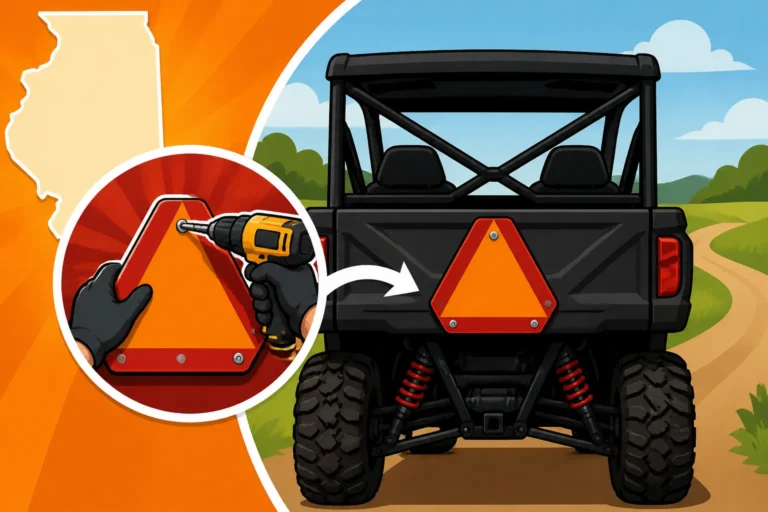
- Equipment Requirements: Propose specific safety equipment that aligns with or exceeds state guidelines. This includes things like ensuring every machine has a rearview mirror, as [Illinois Requires a Rearview Mirror], and working brake lights, turn signals, and headlights. Many riders opt for quality aftermarket parts from companies like SuperATV to ensure their machines are fully compliant and safe for road use, whether it’s for robust mirrors or integrated turn signal kits.
- Insurance Minimums: Highlight that riders will carry liability insurance, perhaps even suggesting minimums like [Illinois Insurance Minimums for Street Use].
- Permit System: Suggest a local permit system, outlining how it would be managed, its cost (e.g., [Illinois Permit Fees Set by a Town]), and how the funds could benefit the community.
- Enforcement Plan: How will the village ensure compliance? This shows you're thinking about the practicalities.
When you present, focus on the benefits to the community. Will UTVs allow residents easier access to local businesses, potentially boosting the local economy? Will it enhance recreational opportunities for families? Frame it as a community amenity, not just a personal convenience.
Mobilizing Local Support and Presenting a United Front
A single voice is easily dismissed, but a chorus is much harder to ignore. To truly make an impact, you need to show your village board that there is significant, organized support for UTV access. Start by gathering signatures on a petition from fellow UTV owners and their neighbors who support the idea. Write clear, concise letters to the board, all expressing the same key points.
Organize a group to attend village board meetings. It’s powerful for board members to see multiple residents showing up, speaking respectfully, and articulating well-reasoned arguments. Encourage residents to share their personal stories: how UTVs would help them get groceries, visit friends, or simply enjoy their community more safely and conveniently. This humanizes the issue beyond abstract legal discussions.
Consider forming a local riding club or association. This not only shows organization but also provides a platform for promoting responsible riding. You could even propose a voluntary safety course or community ride events to demonstrate good citizenship, even though [Illinois Has No Statewide Safety Course]. By presenting a united, responsible, and informed front, you counter any perceptions of reckless riders or isolated individual demands.
Addressing Concerns with Solutions, Not Just Requests
When the board voiced its initial "no," it likely stemmed from specific concerns. Your re-engagement strategy must directly address those concerns with practical solutions. Did they worry about speed? Propose a strict speed limit (e.g., 20 mph on residential streets) and emphasize that UTVs are not designed for high-speed road use. Was noise an issue? Commit to using stock exhausts or quieter aftermarket options. For riders who upgrade their machines, equipping them with sound-dampening accessories or maintaining mufflers from a brand like SuperATV can demonstrate a commitment to being a good neighbor.
Dust on gravel roads? Perhaps suggest designated routes that avoid the most densely populated gravel areas, or even offer to help fund dust control measures if appropriate. Safety concerns can be mitigated by stressing the required equipment. For example, highlighting that your UTV will be equipped with proper lighting (headlights, tail lights, brake lights), turn signals, and a horn makes a big difference. Many UTV owners turn to companies like SuperATV for these types of accessories, ensuring their machines are not only compliant but also highly visible and safe on public roads.
Be proactive in suggesting enforcement mechanisms, perhaps proposing a specific permit sticker that clearly identifies legal UTVs, making it easier for local law enforcement to distinguish them from non-compliant machines. The goal is to show the board that you’ve not only heard their concerns but have also thought deeply about how to mitigate them, transforming a problem into a manageable solution.
Alternative Avenues and Long-Term Considerations
Even with the best efforts, sometimes a village board remains resolute in its "no." It can be disheartening, but it's not necessarily the end of your UTV adventures. There are still pathways to explore, and the fight for local access can be a long game requiring consistent effort and adaptation.
Exploring Nearby UTV-Friendly Communities
If your immediate village remains closed to UTVs, don't despair. Illinois is a diverse state, and while some communities are resistant, many others have embraced the convenience and recreational opportunities that UTVs offer. It’s worth looking at [Illinois UTV Street Legal Rules by Town] to see if neighboring municipalities have passed ordinances. You might find that a town just a few miles away has a thriving UTV community and welcoming streets.
While this might mean trailering your machine a short distance, it opens up a world of legal riding opportunities. It's crucial, however, to diligently check the ordinances of any new town you plan to ride in. Rules vary significantly from one municipality to the next, covering everything from permitted streets, hours of operation, required permits (like the [Byron Charges $100 for a First-Year UTV Permit]), and specific equipment. You can often find this information by doing [Illinois Ordinance Lookups Before You Ride] through the village or city clerk's office or their official website. Knowing these details upfront prevents any unwanted tickets or misunderstandings with local law enforcement. It also gives you a chance to enjoy your UTV while continuing to advocate for changes in your home town.
Continuous Advocacy and Education
Changing minds, especially on a village board, often takes time and persistent, patient effort. A single "no" isn't necessarily a permanent decision. Board members and community opinions can change over time. New elections bring new perspectives, and ongoing educational efforts can slowly chip away at misconceptions.
Keep the dialogue open. Offer to be a resource for the board, perhaps inviting them to an organized demonstration of safe UTV operation or offering to answer any questions they might have about the machines or the rider community. Share success stories from other Illinois towns where UTVs have been integrated safely and positively into the community. Regularly check the local agenda for board meetings to see if the topic might be revisited. You could also connect with state-level advocacy groups for off-highway vehicles, as they often have resources and strategies for local access issues. By consistently promoting responsible riding and educating your community, you lay the groundwork for a future "yes." You might even highlight how accessories like those from SuperATV can help ensure UTVs meet any potential future regulations, making them more acceptable to skeptical board members.
Understanding the Costs and Benefits of Street Legality
It’s important to have a realistic understanding of what street legality entails beyond just being able to drive on local roads. There are often additional costs and responsibilities. Many villages implement permit fees, which can range from a nominal charge to a more substantial annual fee (e.g., [Illinois Permit Fees Set by a Town]). You'll also likely need to ensure your machine meets specific equipment requirements (lights, mirrors, turn signals, horn, etc.), which might mean investing in aftermarket parts if your UTV isn't already equipped. Don't forget the added cost of liability insurance, which becomes essential when operating on public streets.
Beyond the direct costs, there's the ongoing responsibility of operating your UTV respectfully. This means adhering strictly to speed limits, avoiding excessive noise (preventing [Illinois Noise Complaints About Quads]), and being a considerate driver to pedestrians and other vehicles. While the benefits of convenience and increased access are significant, it's crucial to weigh them against these ongoing commitments. Presenting this balanced view to your village board can actually strengthen your case, showing that you understand the full scope of what you're asking for, not just the benefits for riders.
Here’s a table summarizing some of the key pros and cons that often come up in discussions about UTV street legality:
| Feature | Advantages for Riders & Community | Disadvantages/Challenges |
|---|---|---|
| Convenience | Direct access to local businesses, easier transport within town, reduced need for trailering. | Limited to specific streets (e.g., [Roads Posted Above 35 mph Are Off Limits]), potential for increased regulations. |
| Community Impact | Boosts local economy, fosters community engagement, provides recreational opportunities. | Noise complaints (e.g., [Illinois Noise Complaints About Quads]), perceived safety risks, dust on gravel roads (e.g., [Dust on a Gravel Township Road]). |
| Financial | Supports local businesses, potential for permit fees to fund local projects. | Permit fees (e.g., [Byron Charges $100 for a First-Year UTV Permit]), insurance costs, equipment upgrades (e.g., SuperATV accessories). |
| Safety | Clear rules, designated routes, rider education can enhance safety. | Increased interaction with other vehicles, need for strict enforcement and rider responsibility. |
Disclaimer
This article is for general informational purposes only and does not constitute professional advice. Laws, prices and regulations vary by location and change over time. Consult a qualified professional for guidance on your specific situation.