Illinois Turn Signal Requirements
Trying to figure out what it takes to make your ATV or UTV street legal in Illinois can feel like navigating a maze blindfolded. You see your neighbors cruising down the road in their side-by-sides, and you think, "If they can do it, why can't I?" But then you start looking into the rules, and it feels like every town has its own set of hoops to jump through, and the state laws are vague enough to make your head spin. This guide is here to clear up the confusion specifically around one crucial piece of equipment: turn signals, and what Illinois requires to get your machine legally blinking on public roads.
The Core Rule: Why Turn Signals Matter on Illinois Roads
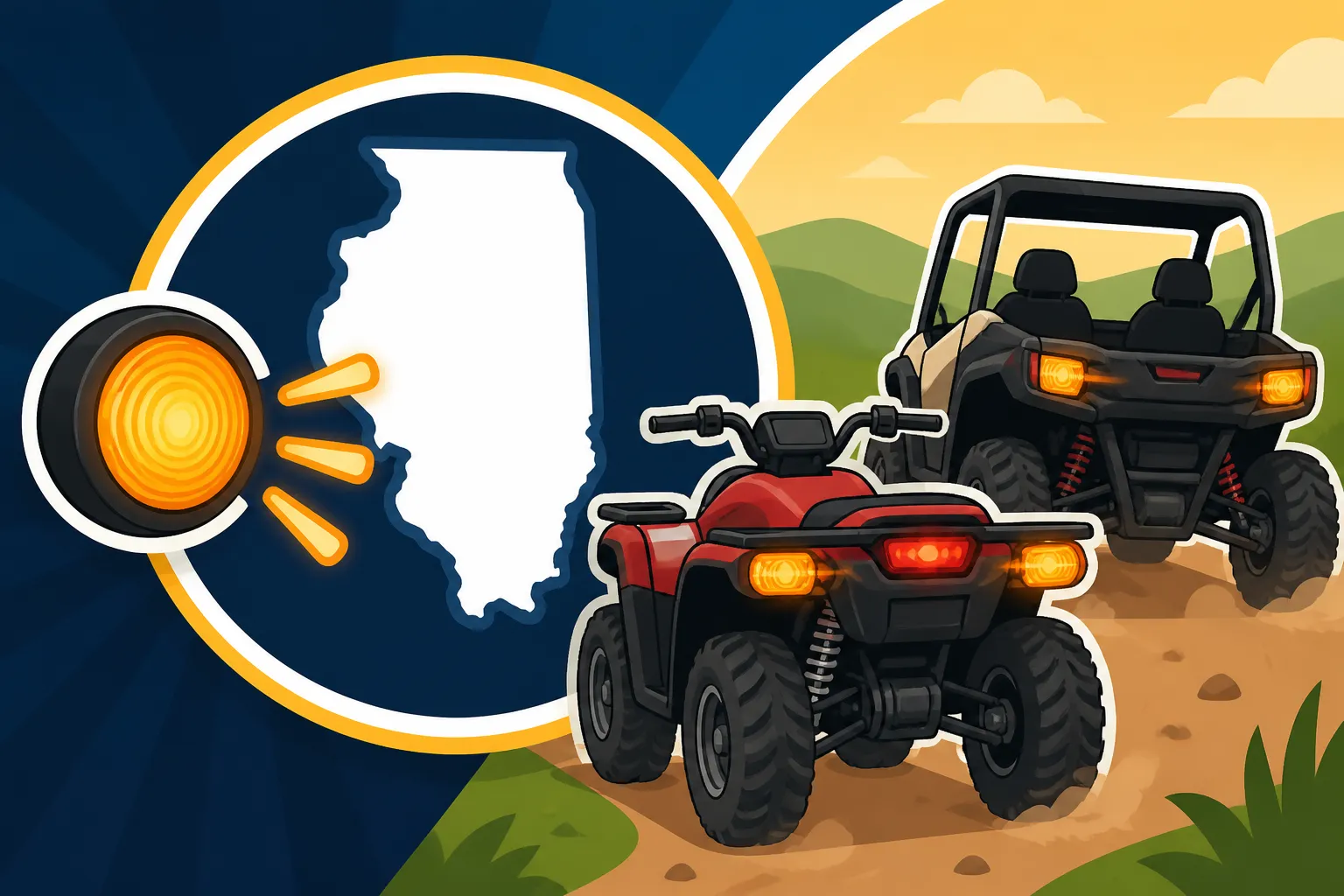
At its heart, Illinois law generally prohibits ATVs and UTVs from being operated on public roads. That's the baseline. However, the system allows individual cities, villages, and counties to pass their own ordinances permitting the use of these machines on specific local roads. This creates a patchwork of rules, and where these local ordinances exist, they often come with a strict list of equipment requirements designed to ensure your off-road vehicle can safely share the road with traditional traffic. This is where turn signals become absolutely non-negotiable.
Think about it from a safety perspective. When you're driving a car, you instinctively use your turn signal to communicate your intentions to other drivers, pedestrians, and cyclists. It’s a universal language on the road. Without proper signaling, you become a hazard, leaving everyone guessing whether you’re turning, changing lanes, or just admiring the scenery. For an ATV or UTV, which often operates differently from a car and might have unique visibility challenges, clear communication is even more vital. The state understands this, and any local government that allows these machines on their streets will, almost without exception, demand that you have fully functional and visible turn signals. This isn't just about avoiding a ticket; it's about protecting yourself and everyone else on the road.
Understanding Illinois's Specific Turn Signal Requirements
When a local municipality in Illinois decides to open its roads to ATVs and UTVs, they don't just wave a magic wand. They typically adopt or reference the equipment standards outlined in state law for non-highway vehicles when used on public roads. And within that framework, turn signals have a very specific set of expectations that go beyond simply "having them." It's not enough to just strap on a couple of lights and call it a day; they need to function correctly and meet certain visibility criteria to be truly compliant.
What the Law Says About Indicators
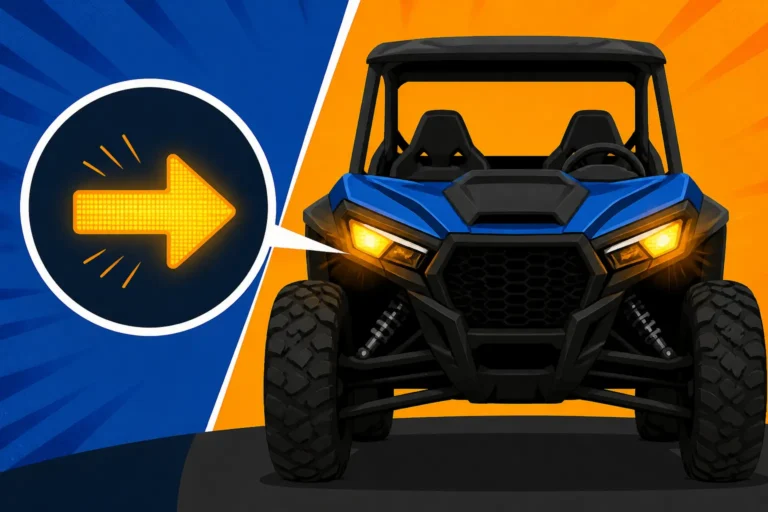
Illinois statutes, and subsequently local ordinances, specify that if a non-highway vehicle is allowed on public roads, it must be equipped with turn signals. These signals need to be capable of indicating an intention to turn by illuminating a flashing light. This might sound obvious, but it means they can't be just a steady light you manually switch on and off. They need to flash, providing that clear, universally recognized signal of an impending turn. This is crucial for avoiding misinterpretations by other drivers, especially in areas where ATVs and UTVs are still a relatively new sight on the road.
Furthermore, the law implies that these signals should be integrated into a system that allows for both left and right turn indication. This usually means separate lights or distinct sections of lighting that activate independently. A single, ambiguous flashing light on the rear, for instance, wouldn't cut it. The goal is unambiguous communication: a flash on the left indicates a left turn, and a flash on the right indicates a right turn. This level of clarity is vital for promoting safety and preventing accidents, particularly in intersections or during lane changes where split-second decisions are made. You can find more details about general equipment requirements in the [Illinois Non-Highway Vehicle Equipment List].
Visibility and Functionality Standards
Beyond just existing and flashing, your turn signals need to meet practical visibility and functionality standards. This typically means they must be visible from both the front and the rear of the machine. For many ATVs and UTVs, this implies a need for amber lights on the front and either amber or red lights on the rear. The brightness and angle of these lights are also important; they need to be clearly discernible in various lighting conditions, from bright midday sun to dusk or even night. Just imagine trying to see a dim turn signal against a blinding sunset – it's a recipe for disaster.
Moreover, the entire system must be in good working order. This isn't a "one-and-done" installation. Bulbs burn out, wires can fray, and connections can loosen, especially with the vibrations and exposure to elements that off-road machines experience. A police officer or conservation officer conducting an inspection at a grant-assisted riding site or during a routine traffic stop will be looking for full functionality. A broken turn signal is effectively no turn signal at all and could lead to a citation or being prohibited from riding on public roads. It's wise to make regular checks of your turn signal system part of your pre-ride routine, along with checking your [Illinois Headlight Requirements for an ATV] and [Illinois Brake Lights That Work].
Installation and Maintenance: Making Your Machine Compliant
So, you've decided to outfit your machine with turn signals to comply with local ordinances. Great! Now comes the practical part: getting them installed and keeping them in top shape. This isn't always as simple as it sounds, especially if your ATV or UTV didn't come equipped with them from the factory. Many riders turn to aftermarket kits, and for good reason—they’re often designed to be comprehensive and relatively straightforward to install.
Choosing and Installing a Turn Signal Kit
For most ATVs and UTVs not originally designed for street use, you'll be looking at aftermarket turn signal kits. These kits typically include everything you need: amber lights for the front, amber or red lights for the rear, a flasher relay, a wiring harness, and a control switch (often a rocker switch or a stalk switch, similar to what you'd find in a car). When choosing a kit, consider the quality of the components. Brands like SuperATV, for instance, offer robust, waterproof kits designed to withstand the harsh conditions off-road machines often face. They understand that a flimsy connection won't last long when you're bouncing over trails or splashing through mud.
Installation usually involves mounting the lights securely, running the wiring through your machine's frame, connecting to your machine's electrical system, and installing the control switch in an easily accessible location on your handlebars or dash. While many kits are designed for DIY installation, if you’re not comfortable with electrical work, it’s always a good idea to have a qualified mechanic or dealership handle the job. Improper wiring can lead to blown fuses, drained batteries, or even more serious electrical issues. Ensuring a professional installation not only guarantees compliance but also the longevity and reliability of your new turn signal system.
Regular Checks and Troubleshooting
Once installed, your turn signals aren't "set it and forget it" items. Regular maintenance is key to keeping them compliant and reliable. Before every ride that involves public roads, do a quick walk-around and test. Turn on your ignition, activate your left turn signal, and verify that both the front and rear left lights are flashing brightly. Do the same for the right. Also, check that your hazard lights (if your system includes them) are functioning. This simple check can save you a headache later, whether it’s avoiding a ticket or preventing an accident.
Common issues can include burned-out bulbs or LEDs, loose connections (especially where wires might be exposed to vibration or moisture), and issues with the flasher relay. If a light isn't working, start by checking the bulb or the connection at the light housing. If multiple lights or an entire side isn't working, you might be looking at a wiring issue, a faulty switch, or a problem with the flasher relay. Keeping a small toolkit with spare bulbs and some electrical tape can be a lifesaver on the trail or road. Remember, the effectiveness of your [Illinois Turn Signal Requirements] hinges on consistent functionality.
Beyond the Signals: Other Street-Legal Gear You'll Need
While turn signals are undeniably important for making your ATV or UTV street legal in Illinois, they are just one piece of a larger puzzle. Local ordinances that permit off-road vehicles on their streets almost always stipulate a comprehensive list of equipment that mirrors or expands upon state requirements for "non-highway vehicles" to ensure maximum safety and visibility when mixing with regular traffic. You'll need to think about your machine as a whole, not just its blinking lights.
Essential Lighting and Reflective Gear
Beyond turn signals, your machine must have appropriate headlights and tail lights. [Illinois Headlight Requirements for an ATV] typically mandate a headlight visible from 500 feet, and your [Illinois Tail Lamp Must Show Red at 100 Feet]. Brake lights are also critical, and they must illuminate when you apply the brakes to warn traffic behind you. In addition to active lighting, reflective gear is often required. This commonly includes red reflectors on the rear of the machine and possibly amber reflectors on the sides, to enhance visibility, especially at night or in low-light conditions.
Many ordinances will also require a slow-moving vehicle emblem. This is that distinctive orange triangle with a red border that you often see on tractors or farm equipment. It's a clear visual cue to other drivers that your machine will be operating at speeds lower than typical road traffic, encouraging them to approach with caution. Ensuring all these components are present and functioning is as vital as your turn signals for full compliance and safety. You can get comprehensive kits from companies like SuperATV that cover many of these requirements.
Mirrors, Horns, and Other Safety Equipment
To navigate public roads safely, you’ll also need a rearview mirror. Just like in a car, this allows you to monitor traffic behind you and make safe lane changes or turns. Some municipalities might even require two mirrors – one on each side. A horn is another essential piece of equipment, used for signaling hazards or getting the attention of other road users. It needs to be audible from a reasonable distance, not just a little "meep" that gets lost in road noise.
| Equipment Item | Illinois Street Legal Requirement (for allowed roads) | Importance |
|---|---|---|
| Turn Signals | Front & Rear, Flashing, Visible | Crucial for communicating turns and lane changes |
| Headlights | White, Visible from 500 ft (low/high beam often implied) | Essential for night visibility and being seen by others |
| Tail Lights | Red, Visible from 100 ft | Signals presence from behind, especially at night |
| Brake Lights | Red, Illuminates when brakes applied | Alerts following traffic to deceleration or stop |
| Rearview Mirror(s) | At least one, clear view of traffic to rear | Essential for situational awareness and safe maneuvers |
| Horn | Audible from a reasonable distance | Emergency signaling, attracting attention |
| Slow-Moving Vehicle Emblem | Rear-mounted, orange triangle with red border | Warns faster traffic of slower speed operation |
| Reflectors | Red on rear, amber on sides (often implied/specified) | Enhances passive visibility, especially at night |
Beyond the machine itself, remember the human element. Most local ordinances that permit street use will also require you to have a valid [Illinois Requires a Driver's License] to operate the machine on public roads. You'll also need proof of insurance, typically meeting minimum liability requirements, similar to what's mandated for cars. Ignoring these personal requirements, even if your machine is perfectly equipped, can lead to serious legal trouble. Always check the specific ordinance of the village, city, or county where you plan to ride. [Illinois UTV Street Legal Rules by Town] will vary, and what's legal in one place might not be in another.
Disclaimer
This article is for general informational purposes only and does not constitute professional advice. Laws, prices and regulations vary by location and change over time. Consult a qualified professional for guidance on your specific situation.