Illinois Equipment Inspections by a Village
Trying to navigate the maze of making your ATV or UTV street legal in Illinois can feel like a game of telephone – everyone has a slightly different answer, and the rules change from one town to the next. It’s incredibly frustrating when you just want to use your machine to run to the corner store or get to the trail, only to be met with confusion about what’s actually required. This guide is here to cut through that noise, demystifying the crucial process of equipment inspections by Illinois villages and helping you understand exactly what you need to know to get your off-road vehicle approved for local road use.
The Foundation: Why Villages Inspect Your Off-Road Machine
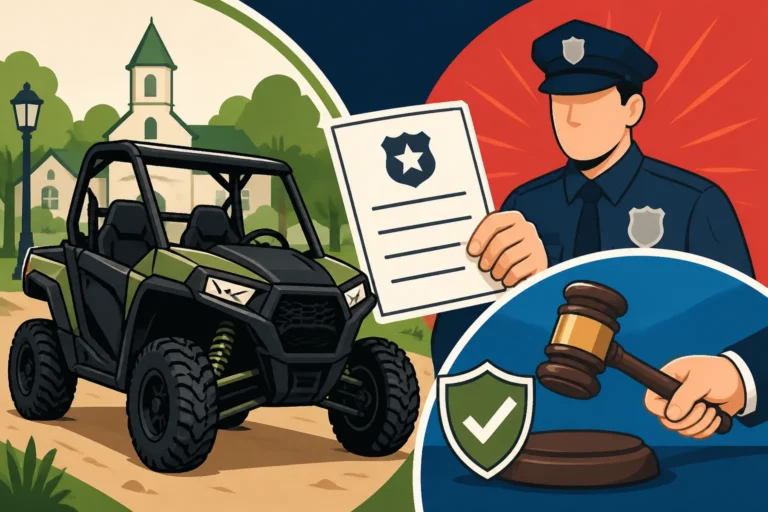
Let's be honest, the initial state law in Illinois isn't exactly friendly to ATVs and UTVs on public roads. It generally bans them outright. So, when a local village or city decides to allow these machines, they're stepping out on a limb a bit. They do it to serve their residents, perhaps for agricultural use, or just to make life a little more convenient for folks who own these versatile machines. But with that permission comes a serious responsibility, and that's where the equipment inspection comes into play. It's not just about ticking boxes; it's about ensuring safety for everyone on those roads.
Beyond State Law: The Village's Role
In Illinois, the power to allow ATVs and UTVs on local streets doesn't come from a sweeping state mandate. Instead, the state law, while generally prohibiting street riding, grants specific authority to local government units – villages, cities, counties, and townships – to create their own exceptions through ordinances or resolutions. This is why you can legally ride your UTV down Main Street in one small Illinois town, but get pulled over for doing the same thing just a few miles away in the next village over. It’s a patchwork system, and it's a huge source of confusion for riders across the state.
When a village decides to pass an ordinance allowing off-road machines, they're essentially creating their own mini-rulebook for their specific jurisdiction. This rulebook always includes a list of required equipment that must be present and functional on your machine. The village isn't just saying, "Sure, come on down!" They're saying, "Sure, come on down, but only if your machine meets these specific safety standards." The inspection is their way of enforcing those standards. It’s a critical step that ensures any machine operating on their streets is as safe as possible for both the operator and other drivers, cyclists, and pedestrians. Without these local ordinances, your off-road machine is simply not street-legal, as the overarching [Illinois Law Starts by Banning Street Riding].
Public Safety and Liability Concerns
So, why do these villages go to all this trouble? Why don't they just say, "Go for it!" and let you ride? It boils down to public safety and, quite frankly, liability. When a village allows ATVs and UTVs on its streets, it takes on a certain level of responsibility for what happens there. Imagine an off-road machine with faulty brakes or no headlights operating on a busy street at dusk. The potential for a serious accident is real, and if the village didn't do its due diligence in ensuring the machine was equipped for street use, they could face significant legal repercussions.
Beyond the legal aspect, there's the moral obligation to protect their residents. Villages want to minimize risks. They need to balance the desire of their citizens to use these machines with the safety of the entire community. This means that inspectors are looking for more than just a nod to safety; they're looking for genuine functionality and adherence to established road safety practices. They understand that while a UTV might be perfectly safe on a private trail, the demands of public roads are entirely different. This is also why many [Towns Must Weigh Traffic Volume Before Allowing UTVs] when considering these ordinances. They want to make sure the roads can handle the new kind of traffic.
What to Expect During a Village Inspection
Alright, you've found a village that allows street-legal UTVs, you've decided to get your machine ready, and you've even downloaded a copy of their local ordinance (smart move!). Now, what actually happens when you roll your pride and joy up for the inspection? It's not usually as intimidating as it sounds, but knowing what they'll be looking for and how the process works can save you a lot of stress and a potential second trip.
Common Equipment Checklist Items
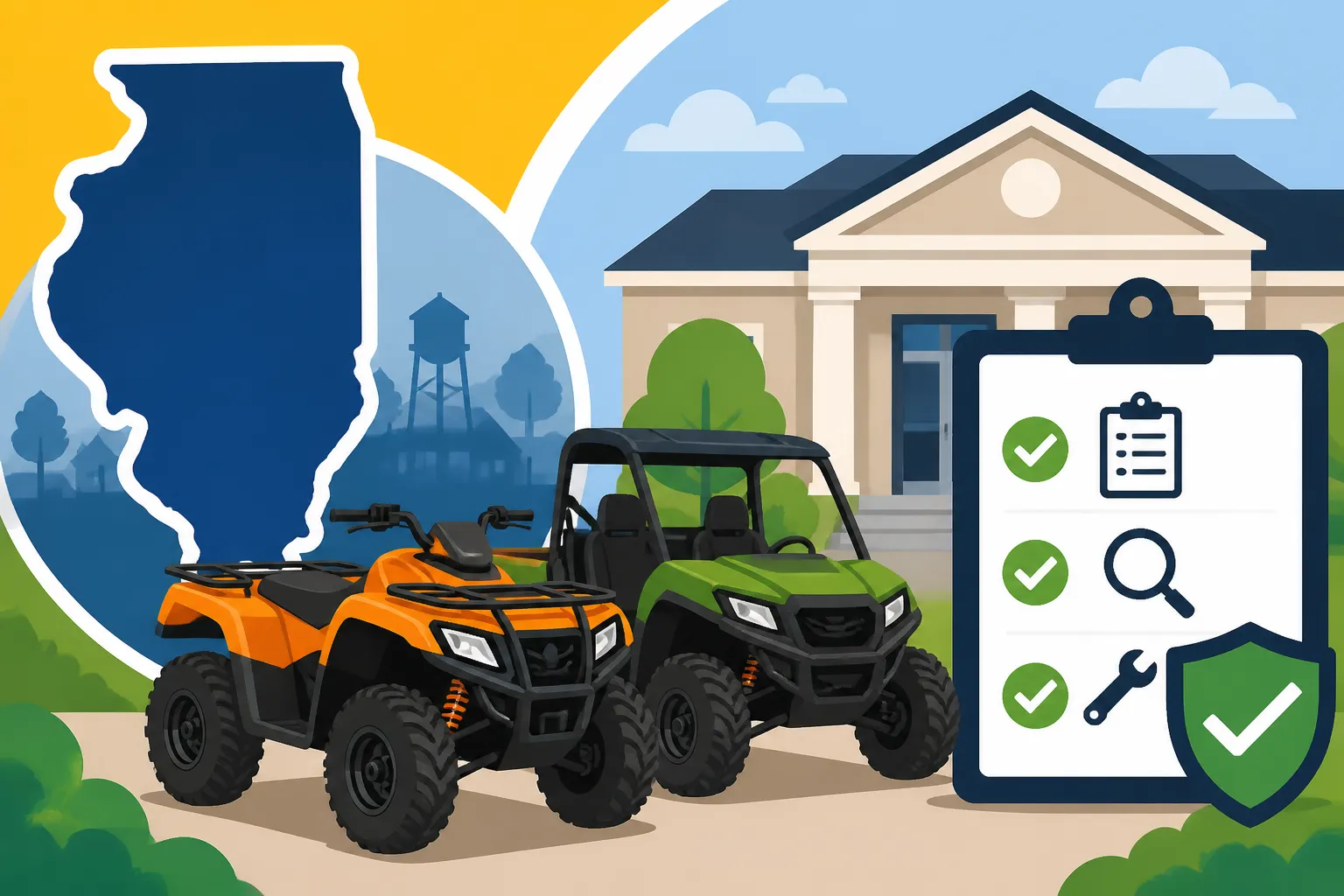
When a village inspects your off-road machine, they're essentially checking to see if it meets the minimum safety standards for operating on public roads, just like any car or truck would. While every village's ordinance can have slight variations, there's a common core of equipment they'll scrutinize. You can often find this comprehensive list in the [Illinois Non-Highway Vehicle Equipment List] as a baseline, but local ordinances will typically elaborate on or add to these requirements.
Here’s a breakdown of what you can almost certainly expect them to check:
- Headlights: Your machine must have functional headlights. These aren't just for seeing a few feet in front of you on a trail; they need to be bright enough to be visible to oncoming traffic from at least 500 feet away. So, don't rely on dim factory trail lights if they don't meet this standard. [Illinois Requires a 500-Foot Headlight] is a crucial point here.
- Tail Lights: Just as important as headlights, your machine needs tail lights that illuminate when the vehicle is running, visible from at least 100 feet to the rear. They must be red.
- Brake Lights: These are non-negotiable. When you press the brake pedal, your brake lights need to illuminate clearly and brightly to signal to anyone behind you that you're slowing down or stopping. [Illinois Requires Brake Lights] is a fundamental safety rule.
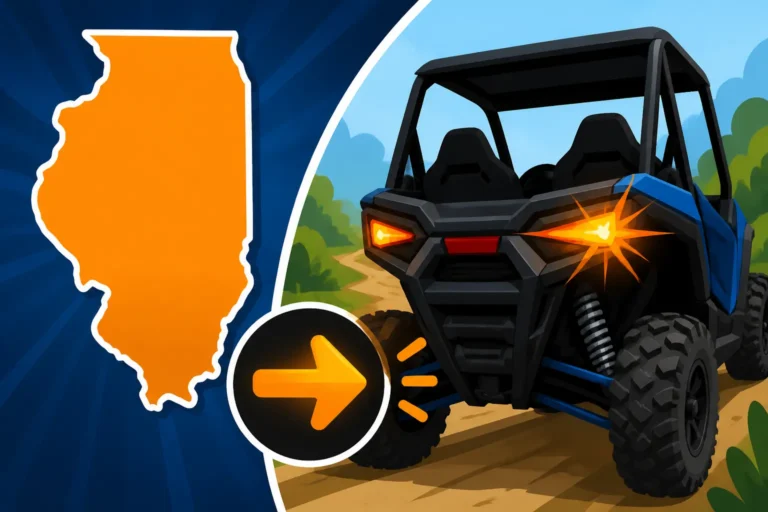
- Turn Signals: You absolutely need functional turn signals, both front and rear. Hand signals aren't sufficient for street use. Many riders add aftermarket turn signal kits, and quality options from companies like SuperATV are popular for making this conversion seamless and reliable. [Illinois Turn Signal Requirements] are specific and must be met.
- Rearview Mirror(s): Most villages will require at least one functional rearview mirror, often mounted on the driver's side. Some may require both left and right side mirrors for optimal visibility. It's a critical safety item for knowing what's behind you. Remember, [Illinois Requires a Rearview Mirror].
- Slow-Moving Vehicle (SMV) Emblem: This is the distinctive orange triangle with a red border. It must be prominently displayed on the rear of your machine, indicating that your vehicle is designed to travel at speeds slower than normal road traffic. This helps alert other drivers. [Illinois Slow-Moving Vehicle Emblem Rules] are important for visibility.
- Horn: A working horn is essential for alerting pedestrians or other drivers to your presence when necessary. It doesn't need to be fancy, just functional and audible.
- Windshield: While not always required for ATVs, many UTV ordinances will mandate a windshield for street use. This provides protection from debris and elements. Aftermarket options are plentiful for UTVs, including those from SuperATV, which offer various materials and designs.
- Seatbelts: For UTVs, all factory-installed seatbelts must be present and fully functional for every seating position. This is a primary safety restraint.
- Fenders/Mud Flaps: Some ordinances require adequate fenders or mud flaps to prevent tires from kicking up excessive water, mud, or debris onto other vehicles or pedestrians.
- Spark Arrestor: Often overlooked, a spark arrestor in the exhaust system is a critical safety component, especially in dry conditions, to prevent wildfires from sparks escaping the exhaust.
- Tires: While specific DOT approval isn't always mandated, tires must be in good condition with adequate tread depth, and generally not be excessively aggressive off-road tires that could damage pavement or provide poor handling on hard surfaces.
Make sure you've gone through your machine and checked every single one of these items. If something is missing or broken, fix it before you show up.
The Inspection Process: Where and How
Once your machine is equipped and ready, the actual inspection process is usually straightforward. It generally involves these steps:
- Contact the Village: Your first step is to contact your village hall or the police department to inquire about their ATV/UTV ordinance and permit process. They will guide you on who to speak with and how to schedule the inspection. Some villages might have a specific person in the public works department, while others defer to law enforcement.
- Schedule an Appointment: You'll typically need to schedule an appointment. Don't just show up unannounced. The village staff or officers have other duties, and they need to set aside time for this.
- Bring Your Machine and Documents: On the day of the inspection, bring your ATV or UTV to the designated location. This might be a specific bay at the municipal garage, a police station parking lot, or another area specified by the village. You'll also need to bring your valid driver's license (the operator must be licensed), proof of insurance, and possibly the permit application paperwork and payment. Some villages will require you to complete the permit application entirely before the inspection can even begin, so be prepared. This is where the guide on [Applying for a UTV Permit at Village Hall] can be quite helpful.
- The Inspection: A village official, often a police officer or a member of the public works department, will conduct the inspection. They will likely have a checklist (similar to the one above) and go through each required item methodically. They'll visually check for the presence of the equipment and might ask you to demonstrate its functionality (e.g., turn on headlights, engage turn signals, honk the horn, apply brakes). They'll also verify your VIN and ensure it matches any paperwork.
- Pass or Fail: If your machine meets all the requirements, congratulations! You'll move on to the permit issuance phase. If it fails, the inspector will tell you exactly what needs to be corrected. You'll then need to make the necessary repairs or additions and reschedule for a re-inspection. Don't get discouraged; it's common to miss a small detail on the first try.
Remember, the officials conducting the inspection are there to ensure safety and compliance, not to be an obstacle. Being prepared, having all your documentation, and presenting a well-maintained machine will make the process much smoother.
Preparing for a Successful Inspection
Nobody wants to make two trips to the village hall for an inspection because they missed something simple. The key to a smooth, successful inspection is preparation. It’s all about understanding what’s expected and then double-checking your machine against those expectations before you even leave your driveway. Thinking ahead can save you time, money, and a whole lot of frustration.
Pre-Inspection Checklist for Riders
Before you even think about calling the village to schedule your inspection, you need to do your homework and then do a thorough self-inspection of your machine. This proactive approach is your best friend in navigating the local regulations.
- Get the Official Ordinance: This is, hands down, the most important step. Don't rely on hearsay or what a friend in a neighboring town did. Every village is different. Call your village hall, check their official website, or visit in person to obtain a copy of their specific ATV/UTV ordinance. This document is your bible for compliance. It will explicitly list every single piece of equipment required. Sometimes, even the mounting location or specific visibility standards are detailed. For example, you might find guidance on [Where to Find Your Village's UTV Ordinance Online]. Many [Illinois Municipalities That Pass Ordinances] now publish these online, making your life easier.
- Create Your Own Checklist: Once you have the ordinance, go through it line by line and create your own physical checklist. Compare each item to your machine.
- Perform a Self-Inspection: Go over your ATV or UTV with a fine-tooth comb.
- Lights: Turn on your headlights, tail lights, and brake lights. Have someone stand behind and in front of your machine to confirm they are all working and bright enough. Test your turn signals; ensure they flash correctly both front and rear.
- Mirror(s): Check that your rearview mirror is securely mounted and provides a clear view to the rear. If two are required, ensure both are present and functional.
- SMV Emblem: Is it securely attached to the rear, clean, and clearly visible?
- Horn: Give it a honk. Is it audible?
- Tires: Check tire pressure and ensure there's adequate tread. Look for any damage or excessive wear.
- Seatbelts (UTVs): Ensure all seatbelts latch and unlatch properly and are free of frays or damage.
- General Condition: Make sure your machine is clean and in good working order. A well-maintained appearance shows you take pride in your machine and its safe operation.
- Install Necessary Upgrades: If your self-inspection reveals any missing or non-compliant equipment, address it immediately. This might involve purchasing and installing a turn signal kit, a brighter headlight, or a rearview mirror. Many riders find comprehensive street-legal kits from brands like SuperATV to be incredibly helpful, as they often include all the necessary lighting, mirrors, and horns in one package, designed for easy installation. Investing in quality parts upfront is always a good idea.
- Gather Your Documents: Have your driver's license, proof of insurance, and any permit application forms neatly organized and ready to present.
By following this pre-inspection checklist, you're not just preparing your machine; you're preparing yourself to be a confident and compliant applicant, making the entire process far less stressful.
Common Reasons for Failing an Inspection (and How to Avoid Them)
It's really common for people to fail an inspection on their first try. Often, it's not because they're trying to skirt the rules, but because they simply missed a small detail or misunderstood a requirement. Knowing the most frequent pitfalls can help you avoid them and ensure you pass with flying colors.
Here are some of the common reasons for failure and how you can prevent them:
- Inadequate or Non-Functional Lighting: This is probably the biggest culprit. Riders often assume their factory lights are sufficient. However, if a headlight is out, a turn signal bulb is burnt, or the brake light doesn't activate, it's an automatic fail.
- Avoidance: Thoroughly test all your lights: headlights (high/low beam), tail lights, brake lights (front and rear brakes if applicable), and turn signals. Replace any burnt-out bulbs or faulty wiring. Consider upgrading to brighter LED options if your factory lights are dim. SuperATV offers robust lighting solutions specifically designed for off-road machines that often exceed basic street-legal requirements.
- Missing or Incorrect Rearview Mirror: Some riders forget this or only install one when the ordinance requires two.
- Avoidance: Check your village's ordinance specifically for mirror requirements. If it specifies "rearview mirrors" (plural) or "left and right side mirrors," make sure you have both. Ensure they are securely mounted and provide an unobstructed view.
- No Slow-Moving Vehicle (SMV) Emblem: It's easy to overlook this, as it's not a common ATV accessory.
- Avoidance: Purchase a regulation SMV emblem and securely mount it on the very rear of your machine, pointing backward. It needs to be clean and visible.
- Non-Functional Horn: A simple detail, but often forgotten.
- Avoidance: Test your horn. If it's weak or doesn't work, replace or repair it.
- Expired or Missing Proof of Insurance: Without valid liability insurance, you won't be permitted on public roads.
- Avoidance: Ensure your off-road machine is properly insured for street use and carry proof of insurance (physical card or digital copy) with you.
- No Valid Driver's License: The operator presenting the machine must have a valid, unexpired driver's license.
- Avoidance: Make sure you have your license on hand. If you're planning for someone else to operate it, ensure they also have a valid license and will be present.
- Incomplete or Unpaid Permit Application: Some villages require all paperwork and permit fees to be processed before the inspection, or at least before the permit is issued.
- Avoidance: Understand the full permit application process, including any associated fees. Don't forget that [Illinois Permit Fees Set by a Town] can vary widely, so check your local village's specific costs. Have your payment ready.
- Excessive Modifications or Noise: While less common for simple street-legal conversions, highly modified machines (e.g., lift kits making it unstable, extremely loud exhaust systems) might raise red flags.
- Avoidance: Stick to modifications that don't compromise safety or exceed local noise ordinances. While SuperATV offers fantastic performance parts, ensure any additions still align with the village's safety standards for street use.
By being meticulous in your pre-inspection checks and addressing these common issues, you significantly increase your chances of passing on your first attempt, getting you out on those local roads sooner.
What Happens After the Inspection: Permits and Ongoing Compliance
So, you've done your homework, prepped your machine, aced the inspection, and now you're ready to hit the streets! That's fantastic, but the journey isn't quite over. Passing the inspection is a huge step, but it's followed by the issuance of your official permit and, crucially, your ongoing responsibilities as a street-legal ATV or UTV operator. This isn't a one-and-done deal; maintaining compliance is key to enjoying your newfound freedom and ensuring the village continues to allow off-road machines on its roads.
Receiving Your Village Permit
Once your machine has successfully passed the equipment inspection, the village will issue you a permit. This permit is your official authorization to operate your ATV or UTV on the specific streets outlined in their ordinance.
Here’s what to expect regarding your permit:
- Issuance: The permit might be issued on the spot if you've already completed the paperwork and paid the fees. In some cases, it might be mailed to you after a short processing period.
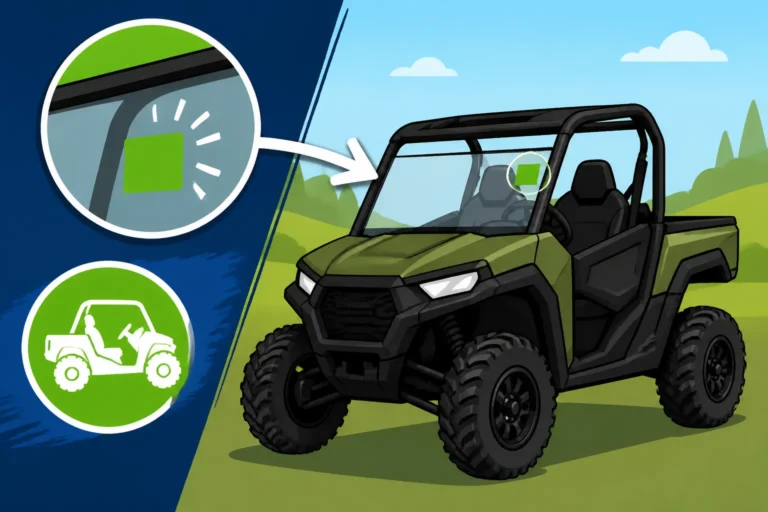
- Sticker or Card: The permit typically comes in the form of a physical sticker that you must affix to your machine, or sometimes a card that you're required to carry. If it's a sticker, the ordinance will likely specify exactly [Where to Put a Village Permit Sticker on a UTV], often in a prominent, easily visible location like the front fender or windshield.
- Validity Period: Pay close attention to the expiration date. Most village permits are valid for a specific period, often annually. You'll need to renew it before it expires, which might involve another inspection or simply a fee payment, depending on the village's rules.
- Jurisdiction Specific: Remember, this permit is only valid for the streets within the village that issued it. It does not automatically grant you permission to ride in neighboring towns, on county roads, or certainly not on state highways unless that specific jurisdiction also has an ordinance allowing it and you comply with their specific rules. You cannot assume your permit from one village carries over elsewhere.
Keep your permit (or proof of it) with you whenever you're operating on village streets. It's your official proof that your machine is authorized for road use.
Ongoing Responsibilities for Street-Legal Riders
Getting the permit isn't the finish line; it's the starting gun for your responsibilities as a street-legal operator. Maintaining compliance and being a responsible rider is paramount, not just for your own safety, but for the future of ATV/UTV access in your community.
- Keep Your Equipment Functional: The equipment that passed inspection needs to stay functional. Regularly check your lights, horn, turn signals, mirrors, and SMV emblem. A burnt-out headlight or a non-working brake light can lead to a ticket, even if you have a valid permit. Treat your off-road machine like any other vehicle on the road – regular maintenance is key.
- Stay Informed About Ordinances: Villages can amend or even repeal their ordinances. While this isn't common, it does happen. Keep an eye on local village news or their website for any updates to their ATV/UTV rules.
- Obey All Traffic Laws: This goes without saying, but it's worth emphasizing. When you're on public streets, your ATV or UTV is subject to the same traffic laws as cars. This means observing speed limits, stop signs, traffic lights, and right-of-way rules. Reckless riding is a surefire way to jeopardize the privilege for everyone.
- Maintain Insurance Coverage: Your proof of insurance isn't just for the inspection. You must maintain continuous liability coverage, and you should always carry proof of it with you.
- Understand Limitations: Even with a permit, there are strict limits to where you can ride. Generally, you cannot ride on state highways (except for crossing at intersections), interstates, or tollways. Know your boundaries. [Illinois Crossing Rules at Intersections] are very specific and must be adhered to.
- Be a Good Neighbor: One of the biggest threats to local ATV/UTV ordinances is public complaint. Excessive noise, dust, speeding, or riding in prohibited areas can lead residents to petition the village board to repeal the ordinance. Be considerate of others, especially when passing homes or in residential areas. Your behavior reflects on all riders.
Ignoring these ongoing responsibilities can lead to tickets, fines, and even the impoundment of your machine. [Illinois Penalties for Illegal Street Riding] can be substantial, so it's always best to stay on the right side of the law. More importantly, being a responsible rider helps ensure that these privileges for off-road enthusiasts continue to exist in Illinois villages for years to come.
Disclaimer
This article is for general informational purposes only and does not constitute professional advice. Laws, prices and regulations vary by location and change over time. Consult a qualified professional for guidance on your specific situation.