One-Day or Four-Day: Which Permit to Buy
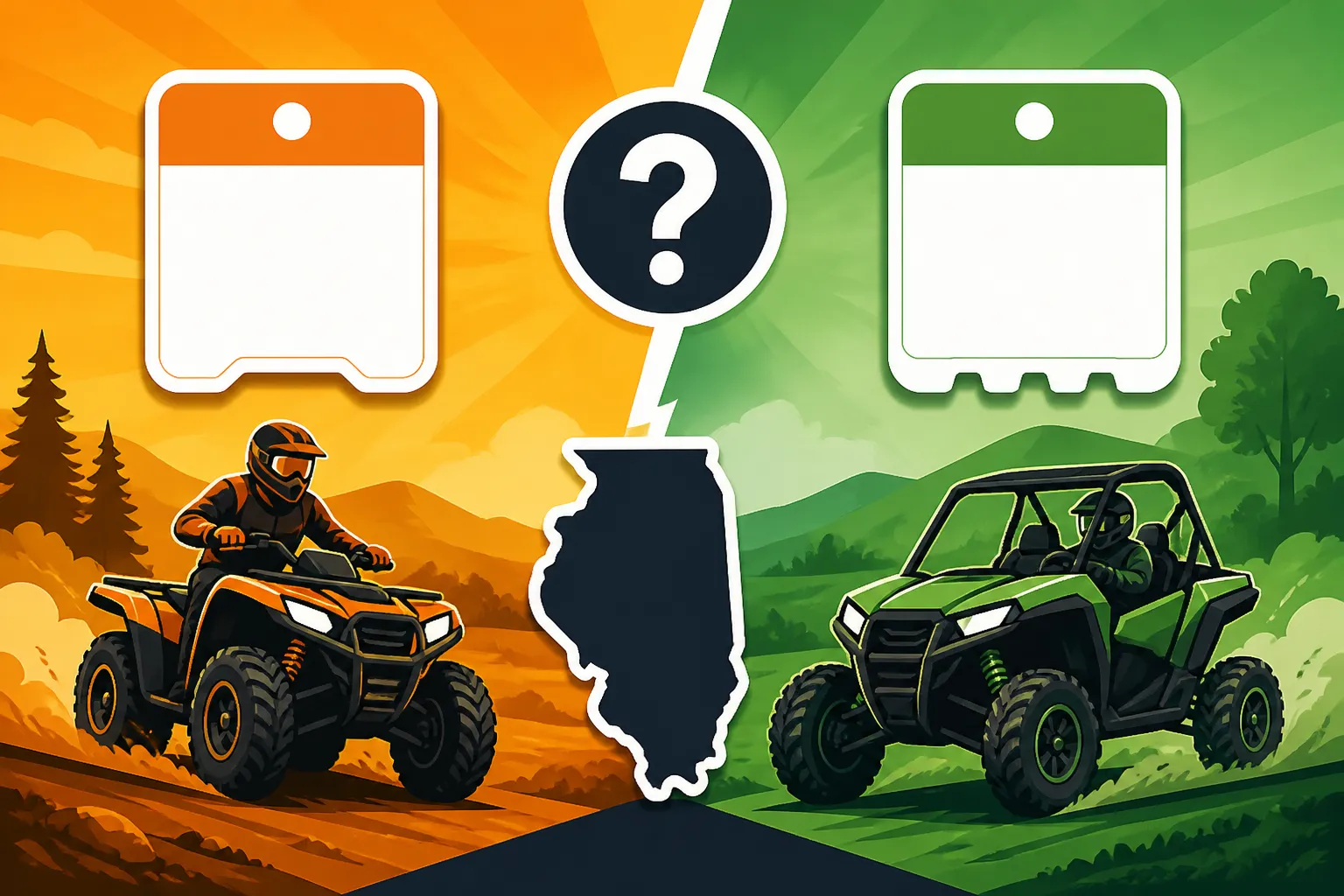
A one-day permit can be the sensible choice for a quick ride, while a four-day permit may suit a longer visit. The hard part is comparing the dates you can actually ride with each permit’s validity and booking rules. Here’s how to make the choice for Sahara Woods without confusing a park permit with Illinois’ other riding stickers.
What the One-Day and Four-Day Permits Cover
A Sahara Woods permit is tied to riding at that state OHV park. It is not the same thing as an Illinois usage stamp or public access decal, which serve different purposes. Before booking, make sure you’re choosing the pass for the riding area and dates you intend to use.
The basic difference is the number of permitted riding days: a one-day option is intended for a single day, while a four-day option is intended for a longer visit. The important detail is how the park defines those days. Check the current terms to see whether the four days must be consecutive, whether they are tied to dates selected at booking, and what happens if the park is closed on one of your planned days.
| Factor | One-day permit | Four-day permit |
|---|---|---|
| Best fit | A single riding day | A multi-day visit |
| Main planning question | Can you ride on the date you select? | How are the four valid days counted? |
| Booking concern | Whether space remains for that date | Whether space remains across the dates you need |
| Main trade-off | Less flexibility if you want to add another day | May be poor value if you use only part of the pass |
| Before paying | Confirm the date and entry terms | Confirm consecutive-day and date rules |
The word “permit” can refer to different things in Illinois riding discussions. A park permit is not automatically a usage stamp or decal. Read Illinois OHV Permits: Two Stickers Explained and Illinois Usage Stamp vs Access Decal if you need to sort out the state stickers before planning a park visit. Those requirements and a park’s reservation process are separate questions.
For Sahara Woods, check the park’s current information before choosing. Confirm which dates are open, what permit choices are offered for those dates, and whether the pass covers the rider, the machine, or both under the current booking rules. Don’t assume that a permit bought for one date can be moved to another.
Choose Based on the Days You Can Really Ride
The most useful comparison is not “one day versus four days” in the abstract. It is the number of days you can realistically use after accounting for travel, park hours, weather, and the park calendar.
A one-day permit is often the simpler choice when
A one-day permit may fit well if you are making a day trip, trying the park for the first time, or visiting while already in the area. It can also make sense if your schedule is uncertain and you would rather commit to one date than plan a longer stay around several riding days.
Be realistic about your arrival time. A long drive, unloading, checking in, and getting ready all take time. A permit for a single day does not make the day longer, so check the park’s posted hours and aim to arrive with enough time to ride. If you expect to spend much of the day traveling, a one-day booking may feel rushed.
A one-day permit may also be a better fit when you want to keep the plan simple: choose an available date, confirm the terms, and build your visit around that day. If you later decide you want another day, don’t assume you can extend the permit at the gate. Check whether another booking is available and what the park allows.
A four-day permit may fit a longer trip
A four-day option is worth considering if you can use several riding days and have enough time in the area. It may work for a trip where you arrive, ride on multiple open days, and avoid having to organize each day as a separate one-day booking.
But four days on the permit does not necessarily mean four days that fit any schedule you choose. The park may define the valid period in a specific way, or require dates to be selected in advance. Verify that before buying, especially if your travel dates include a day when the park is not operating. Sahara Woods’ posted operating schedule matters: a permit cannot make a closed day into a riding day.
Think through each day you expect to use. If the trip includes a late arrival, a rest day, or a day reserved for travel home, those may affect whether the four-day option makes sense. Compare the permit’s actual valid days with the days you can be at the park, rather than counting the full length of your vacation.
Compare the usable days, not just the permit names
A simple way to decide is to write down your planned riding dates, then check each against the park calendar. Count only days when you expect to be present and able to ride. If you are uncertain whether a day qualifies under the four-day terms, ask the park before purchasing.
If a four-day permit requires consecutive use, it may not suit a trip with a gap between riding days. If its validity is tied to selected dates, you’ll want to be confident those dates work. If the rules allow flexibility within a stated period, that may help, but confirm the exact conditions rather than relying on the label.
Check Capacity, Booking, and Date Rules Before You Buy
Choosing the right length of permit is only part of the decision. Availability can determine whether either option works for your trip. Sahara Woods has a daily limit on machines, so a date that suits your calendar may not have space left. Review Illinois Daily Caps and Sell-Outs and What Happens When Sahara Woods Hits Its Daily Cap for why it pays to check availability before setting out.
Use this sequence before you complete a booking:
- Check the park calendar. Confirm the park is scheduled to open on every day you hope to ride. Do not plan around a general expectation that it will be open.
- Check availability for your dates. A permit choice does not guarantee space on a date that has reached its limit.
- Read the validity terms. For a four-day permit, confirm whether days must be consecutive, whether selected dates control the pass, and how closures are treated.
- Confirm what the permit covers. Check whether each rider or each machine needs a booking or permit under the current rules.
- Review the cancellation or change policy. Weather, illness, vehicle trouble, or travel delays can disrupt a plan. Find out what options are available before paying.
- Save the confirmation. Keep the booking details accessible on your phone and consider a printed copy as a backup. Follow the park’s current check-in instructions.
The daily cap is a practical reason to book before making a long drive. If your first-choice day is unavailable, you may need to shift your trip or choose another riding area. Do not assume that staff can add a machine once capacity is reached. For more on advance planning, see Booking Before You Drive Down and How Far Ahead to Book a Holiday Weekend.
If you are booking through the park’s online system, double-check the date selection before submitting. A mistaken date can be especially disruptive with a multi-day permit if the validity period starts from the date you selected. If the booking process is unclear, get clarification from the park or the permit provider before completing the purchase.
Avoid Paying for Days You Cannot Use
The lowest-cost choice is not always the best value, and the longer permit is not automatically a bargain. Because current permit costs and terms can change, compare the provider’s current options directly instead of relying on old numbers or assumptions. The useful calculation is how many permitted days you realistically expect to ride, not how many days the pass can potentially cover.
A four-day permit can be poor value if you only ride once or twice. A one-day permit can be limiting if you are already staying nearby and could use several open days. When comparing, include all the days you can attend, the park’s operating schedule, the chance of sell-outs, and any conditions on moving or changing dates.
Weather is another planning risk. Rain may affect travel or riding conditions, but the effect on bookings depends on the park’s current policy. Don’t assume a closure automatically means a refund, a replacement date, or an extension. Read the terms before you buy and check for updates if the forecast changes. See Do You Get a Refund When Rain Closes the Gate? for the questions to ask.
If the one-day option is the better fit, plan the visit so you are not wasting much of the available riding time on avoidable delays. Check the route, trailer setup, fuel, and required paperwork ahead of time. If you are taking a multi-day trip, make sure your lodging and travel schedule support the days covered by the four-day permit. A pass only helps if you can use it.
Remember that park access is not permission to ride anywhere else. The permit is for the site and dates described by its terms. For other locations, check their own access rules; Illinois Grant-Assisted Riding Areas explains why access requirements can differ between riding areas.
A quick decision rule:
- Pick the one-day permit when you expect to ride on one date, or when your plans are too uncertain to commit to several days.
- Consider the four-day permit when you can use multiple valid riding days and the booking terms match your schedule.
- Pause before buying either option if you have not confirmed operating dates, remaining capacity, and the rules for changing or cancelling.
The best choice is the permit that matches your usable riding days. Confirm those days first, then compare the options. That keeps a simple booking decision from turning into an expensive mismatch between your schedule and the park’s rules.
Disclaimer
This article is for general informational purposes only and does not constitute professional advice. Laws, prices and regulations vary by location and change over time. Consult a qualified professional for guidance on your specific situation.