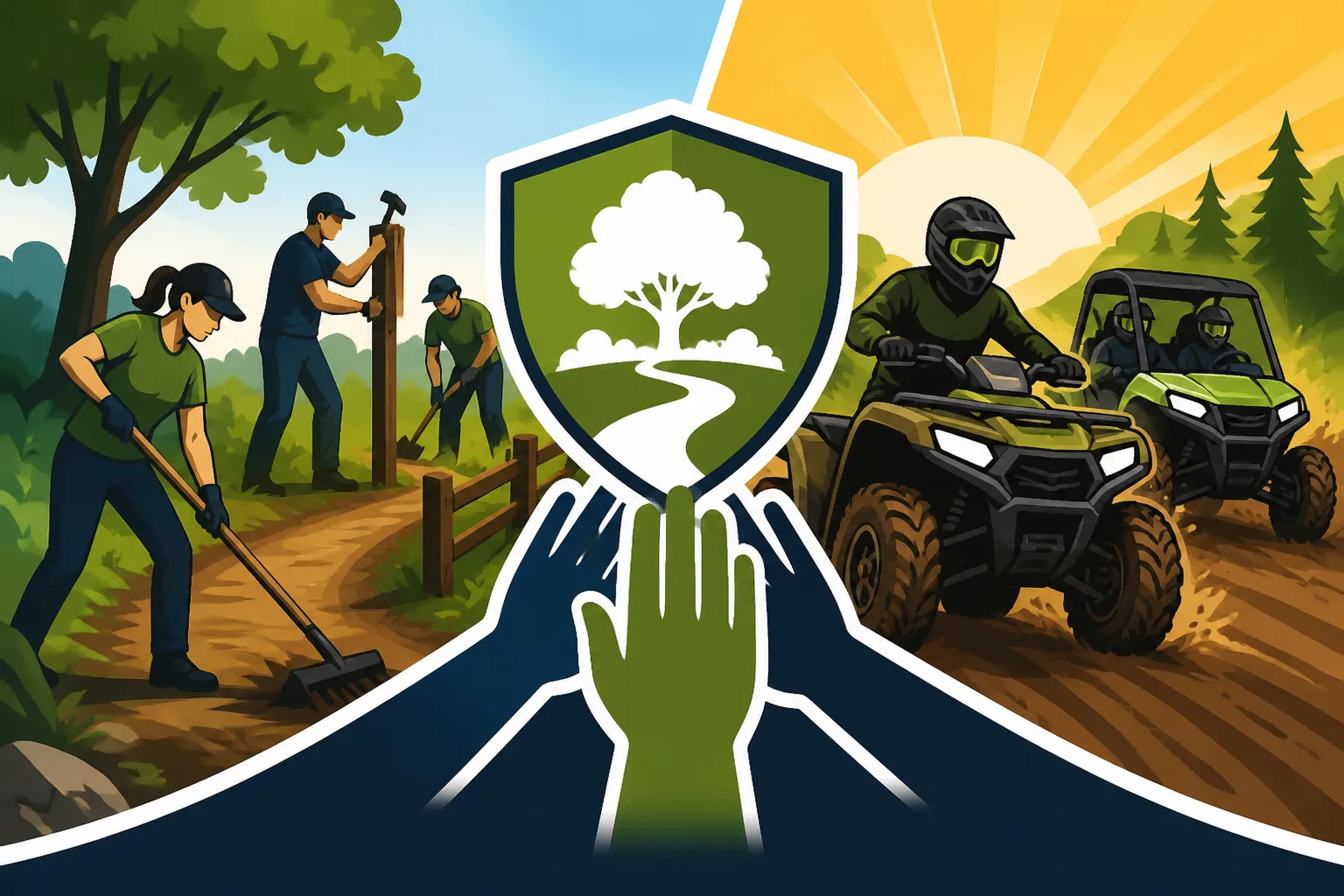
How a Volunteer-Run Club Park Stays Open
A club-run ATV park can look effortless from the trail: open gates, marked routes, and someone ready to check riders in. Behind that day out is usually a steady stream of volunteer work, from clearing storm damage to handling paperwork and keeping equipment running. Here’s how those parks stay open, what riders can do to help, and how to plan a considerate visit.
What keeps a volunteer-run club park operating
Members provide the work behind the ride
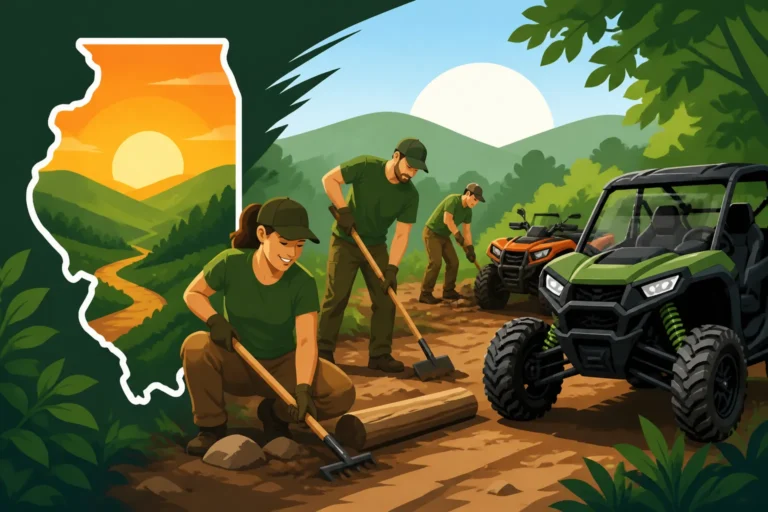
A volunteer-run park depends on people giving time and practical skills, often around jobs they already have. One person may help clear a fallen tree; another may maintain trail signs, coordinate event details, answer rider questions, or handle check-in. The work is rarely limited to one big trail-building day. Small, recurring tasks are what keep a riding area usable week after week.
That effort also helps address problems riders may not see. A trail can need drainage work, a bridge or culvert may require attention, and a route might need to be closed while repairs are underway. Volunteers may have to inspect a problem, decide how to manage it, find tools or materials, and organize the work before the route can reopen.
Club parks around Illinois vary in size and setup, so the work varies too. A riding area near Marion may have different needs from a small local trail system. If you’re interested in how a club-run location operates, Riding a Club-Run OHV Area Outside Marion is a useful place to start.
Rider fees and memberships help support operations
Volunteer time is essential, but it cannot do everything. Parks may also need money for tools, fuel, signs, protective equipment, insurance, property costs, repairs, and event supplies. A club may collect membership dues, day-use fees, or event-related payments to help cover those expenses. What a payment supports depends on the organization and the park, so it’s sensible to check the club’s own information before visiting.
A day-use payment is not simply a charge for access to a trail. It can help keep the place ready for the next rider, including people who arrive months later. If a park has a check-in process, posted rules, or specific payment instructions, following them helps the volunteers spend less time sorting out avoidable problems.
The details differ from one location to another. Before heading to a club park, look for current information about admission, operating days, machine requirements, and whether advance arrangements are expected. For an example of what access may involve at a particular location, see What a Club Day Pass Buys Near Marion.
A club builds continuity, not just trails
A trail network needs more than a route through the woods. Someone has to keep track of which sections are open, communicate changes, manage visitor questions, and make sure volunteers know what needs attention. Clubs help create that continuity by organizing people and preserving practical knowledge about the property.
That knowledge matters after weather events or during busy periods. A regular volunteer may know that a low spot floods quickly, that a certain route is difficult to maintain, or that an intersection needs clearer signs. When that information is shared and acted on, the park can respond more safely and efficiently than if every issue were handled from scratch.
The main jobs volunteers take on
Trail maintenance and safe route conditions
Trail maintenance can mean trimming brush, removing debris, repairing signs, improving drainage, or checking that routes remain passable. It is not always dramatic work. Clearing a small obstruction or replacing a faded marker may prevent confusion for dozens of riders over time.
Rain can turn a manageable route into a muddy, rutted stretch. Repeated use can widen a trail or damage the edges. Volunteers may respond by repairing the surface, redirecting riders, or closing a section until conditions improve. A closure can feel disappointing when you have already made the drive, but using a closed route can make the repair job harder and prolong the closure.
Before travelling, check whether the park has posted trail conditions or closures. For broader planning, Illinois Trail Closures After Rain explains why a trail that was rideable last weekend may not be suitable today. If you use a mapping tool such as onX Offroad, treat it as a planning aid rather than proof that a route is open. Confirm access and conditions with the park or club.
Signs, check-in, and rider communication
Signs and check-in procedures help visitors understand where to go, what rules apply, and which areas are off limits. Volunteers may also need to explain rules in person, answer questions about routes, or make sure riders understand how the park handles emergencies and closures.
That communication can prevent a lot of friction. A rider who knows where to unload, how to check in, and which routes suit their machine is less likely to block an entrance or head down an unsuitable trail. When instructions are unclear, ask before setting out instead of guessing. A quick question at the start can spare you and the volunteers a longer problem later.
Some clubs share updates through their own website or social channels, while others communicate directly with visitors or members. Check the channels the park identifies as official. onX Offroad can help you orient yourself during trip planning, but park notices and staff guidance should take priority when they differ from a map.
Organizing events and welcoming new riders
A club park may host group rides, workdays, or other gatherings. Organizing one takes more than choosing a date. Volunteers may need to prepare the site, share arrival instructions, coordinate parking, communicate rules, and leave time to deal with issues that come up during the event.
A well-run event can help new riders feel comfortable and give returning visitors a reason to stay involved. It can also bring people together around the work that keeps the park functioning. If you’re new, ask whether the club has an orientation or a recommended way to get involved. You do not need to be an experienced mechanic or trail builder to offer useful help.
How riders help a club park stay open
Follow the park’s rules and respect closures
Rules are easiest to follow when you read them before unloading. Check requirements for helmets, passengers, vehicle types, noise, speed, and where machines may be operated. A rule that seems minor may exist because the park has narrow routes, mixed rider experience, nearby homes, sensitive ground, or a specific insurance condition.
Respect every closure, even if the trail looks passable. A closed route may be under repair, unsafe, or restricted for reasons that are not visible from the entrance. Riding around a barrier can damage the area, create extra work, and make it harder for the club to manage access responsibly.
Etiquette is part of keeping a shared riding area enjoyable. Give other riders room, avoid tearing up the edge of a route, and leave gates and signs as directed. Illinois Trail Etiquette Locals Expect covers habits that make a difference on shared trails.
| Rider action | Why it helps the park |
|---|---|
| Check park updates before leaving home | Reduces wasted trips and questions about known closures |
| Use only open, marked routes | Helps protect repairs and keep riders on approved trails |
| Follow check-in and parking directions | Keeps entrances clear and makes visitor management easier |
| Ride at a considerate pace and avoid unnecessary damage | Limits wear and reduces conflicts among visitors |
| Pack out trash and report hazards | Keeps the site cleaner and gives volunteers useful information |
| Thank volunteers or join a workday | Recognizes the people and effort behind access |
Leave the property in good shape
Take your trash with you, including small items that are easy to overlook. If you bring food, tools, spare parts, or supplies, make sure packaging and broken pieces do not end up beside the trail or in the parking area. A clean site is easier to maintain and more welcoming to the next group.
Do not assume that a volunteer will be available to fix a problem you create. If your machine gets stuck, avoid widening the trail while trying to recover it. Use suitable recovery gear and ask for help when needed. If you notice damage, a blocked route, or a safety concern, tell the club through its preferred contact method rather than trying to make an unauthorized repair.
A courteous visit also includes understanding that volunteers may be busy. They might be checking in several groups, addressing a maintenance issue, or handling an urgent call. Be patient, follow posted directions, and bring questions to the right person when possible.
Volunteer time when you can
You can support a club even if you cannot attend every workday. Some people help at events, share official updates, join the club, or take on a small task that fits their schedule. Others bring practical skills such as equipment repair, landscaping, organizing, communications, or first aid. Ask what help is useful instead of assuming the club needs a particular kind.
A workday can also teach you how the park operates. You may learn why a route closes after heavy rain, where volunteers need help most, or what maintenance is difficult to handle with a small crew. To find ways to participate, look into Illinois Trail Volunteer Days and Illinois ATV Clubs Worth Joining.
Planning a visit to a club-run park
Confirm access and conditions before you tow
A long drive with a trailer makes uncertainty especially frustrating. Before you leave, check the park’s official information for hours, access requirements, machine restrictions, weather updates, and any reservation or registration process. Do not assume last month’s schedule still applies or that a friend’s old directions cover every current rule.
If the park has a limited capacity or asks riders to register in advance, take care of that before you set out. Illinois Riding Areas That Take Reservations offers relevant planning context. A confirmation, if one is required, should be saved where you can show it at check-in, whether on your phone or in another format the park accepts.
Mapping can help you think through the drive and understand the general area. onX Offroad may be useful for organizing route ideas and reviewing mapped information, but it does not replace permission, an official park update, or a conversation with the site. Verify that the destination is open to the public on your planned day and that your intended route is permitted.
Match the park to your group and equipment
Before choosing a destination, consider who is riding and what they are bringing. A group of beginners may want clearly marked, less demanding routes, while experienced riders may be looking for more challenging terrain. Machine size, passenger plans, ground conditions, and the group’s comfort level all affect whether a park is a good fit.
Ask specific questions before arrival if anything is uncertain. For example: Are side-by-sides allowed on the routes you plan to ride? Are passengers permitted? Are there age-related rules? Does the park require particular equipment? Asking ahead gives the club a chance to answer clearly and helps you avoid discovering a mismatch at the gate.
If you are planning an overnight outing, look into lodging and camping rather than assuming the park provides it. Illinois OHV Camping With Trail Access can help frame that search. Check whether overnight facilities are on site or nearby, and confirm their rules separately from the riding park’s rules.
Build in time for a good check-in
Arrive with enough time to unload without rushing. Keep paperwork, payment details, and any required confirmation easy to reach. If a volunteer explains a route restriction or a change in conditions, listen closely and ask follow-up questions before riding away.
For a first visit, it can help to start conservatively. Choose an appropriate route, learn the signs and intersections, and check in again if conditions change or you are unsure where a trail leads. Some parks have extensive trail systems; 50 Miles of Club Trail illustrates why it is worth understanding the route layout before a group spreads out.
A volunteer-run park stays open because people work together: the club maintains the property, visitors follow the rules, and riders help protect access for the future. A little preparation and a considerate attitude make the day easier for everyone, including the volunteers who help make the ride possible.
Disclaimer
This article is for general informational purposes only and does not constitute professional advice. Laws, prices and regulations vary by location and change over time. Consult a qualified professional for guidance on your specific situation.