Illinois Towns With UTV Permits
If you've ever felt the frustration of owning a UTV in Illinois, only to find that hitting the open road with it is a tangled mess of rules and regulations, you're definitely not alone. It can seem like a wild goose chase trying to figure out where you can legally drive your side-by-side without risking a hefty ticket. The good news is, while Illinois has a general statewide ban on UTVs on public roads, many local towns and villages have taken matters into their own hands, passing ordinances to allow these versatile machines on their streets, usually requiring a special permit. This guide will help you understand the patchwork of local rules, how these permits work, and what you need to do to get your UTV street-legal in one of these forward-thinking communities.
Understanding the Illinois UTV Road Ban and Local Exceptions
It’s easy to feel like the state of Illinois has a "no fun allowed" policy when it comes to UTVs on public roads. You pull your side-by-side off the trailer after a great day on the trails, and all you want to do is drive it a few blocks home, or maybe just to the gas station. But the Illinois Vehicle Code, right out of the gate, generally restricts off-highway vehicles (OHVs), which include UTVs, from operating on public streets and highways. This primary ban is the starting point for everything else, and it's why you can't just slap a license plate on your UTV and go. [Illinois Law Starts by Banning Street Riding]
However, the state law also includes critical exceptions, allowing units of local government—like cities, villages, and even some counties—to pass their own ordinances permitting UTV use on roads under their jurisdiction. This means the legality of driving your UTV on the street can change literally from one town limit sign to the next. It’s a decentralized approach that requires riders to be diligent about local research, but it also creates opportunities in communities that recognize the value and utility of these machines for their residents.
The Power of Local Governance in Illinois
When it comes to allowing UTVs on local streets, the power truly rests with your village board, city council, or county board. These elected bodies have the authority to decide if and how UTVs can be operated on the roads they maintain. This is why you might hear that a friend in one town can legally drive their UTV to the grocery store, while you, living just a few miles away in a different jurisdiction, cannot. [Which Units of Government Can Open a Road]
These local ordinances aren't just a free-for-all, though. They come with specific stipulations and requirements that riders must meet. Local governments typically consider factors like road safety, traffic volume, and the general character of their community before passing such an ordinance. They want to ensure that if UTVs are on their streets, they are operated safely and responsibly, minimizing any potential disruption or danger to other road users. This is where the permit system comes into play – it's the mechanism towns use to regulate and ensure compliance with their specific rules.
Why Every Jurisdiction Must Agree on UTV Access
Here’s where things can get a little tricky, especially if you live near jurisdictional lines or frequently travel between towns. For UTVs to be legally driven on a specific road, every government body that has authority over that road must agree. This means if a road is jointly maintained by a village and a township, both the village board and the township road commissioner would need to pass ordinances allowing UTVs. [Roads Two Governments Share Need Two Ordinances]
Imagine living in a subdivision where one end connects to a village street and the other to a county road. For you to legally ride your UTV through the entire neighborhood and out onto both public thoroughfares, the village, the county, and potentially even the township (if they have jurisdiction over any connecting roads) would all need to have ordinances in place. It's a logistical puzzle that often frustrates riders, as a gap in agreement from just one governing body can effectively block street access, even if your immediate town is on board. This intricate web of authority makes it incredibly important to identify exactly which roads fall under which jurisdiction before you plan your route.
Navigating the Permit Application and Inspection Process
So, your town, or a town you frequent, has passed an ordinance allowing UTVs on its streets. That’s fantastic news! But don't just jump in your side-by-side and hit the asphalt. Most, if not all, of these local ordinances require you to obtain a specific permit. This isn't just a formality; it's how the local government ensures your machine meets their safety standards and that you, as the operator, are aware of and agree to abide by their specific rules. The permit application and inspection process can vary slightly from one municipality to the next, but there are common themes you can expect.
Common Local Requirements for UTV Permits
Before you even think about filling out an application, you need to make sure your UTV meets the equipment standards set by the local ordinance. While the state has a general list for non-highway vehicles, towns often add their own specific requirements. [Illinois Non-Highway Vehicle Equipment List] Common requirements include:
- Proper Lighting: This often means headlights, tail lights, brake lights, and sometimes even turn signals. You might find that your UTV needs specific equipment upgrades to be street legal, and many riders turn to aftermarket suppliers like SuperATV for these additions to ensure their machines are compliant.
- Mirrors: A rearview mirror is almost always a must-have, and some ordinances might even require side mirrors. [Illinois Requires a Rearview Mirror]
- Slow-Moving Vehicle Emblem: That bright orange triangle that you see on farm equipment? It's often required for UTVs on public roads. [Illinois Requires a Slow-Moving Vehicle Emblem]
- Insurance: Just like any other vehicle on the road, most towns will require proof of liability insurance. The minimum coverage amounts are often the same as for cars. [Illinois Insurance Minimums for Street Use]
- Driver's License: The operator of the UTV will almost certainly need a valid driver's license. [Illinois Requires a Driver's License]
- Age Restrictions: While state law has age guidelines for off-road riding, local ordinances might have specific age minimums for street operation, particularly if there are passengers involved.
- Spark Arrestor: To prevent wildfires, especially when riding through rural areas, a properly functioning spark arrestor in your exhaust system is often a requirement.
It’s crucial to check your specific town's ordinance to get the exact list. Don't assume anything, because an oversight could lead to your permit application being denied or, worse, a citation.
The Application and Vehicle Inspection Steps
Once you're confident your UTV is equipped to meet all requirements, the next step is usually to head to your local village hall or municipal office. This is where you'll typically pick up the permit application. [Applying for a UTV Permit at Village Hall] The application will likely ask for information about yourself, your UTV (make, model, VIN), and proof of insurance and driver's license.
After submitting your application and paying any associated fees, many towns require a vehicle inspection. This is a critical step where a village official, often a police officer or a designated inspector, will physically check your UTV to ensure it meets every requirement outlined in the ordinance. [The Inspection a Village Runs Before Issuing a Permit] They'll be looking at everything from your lights and mirrors to your tires and brakes. Ensuring your machine, perhaps with robust SuperATV accessories, is ready for an inspection is vital. If your UTV fails any part of the inspection, you’ll likely need to make the necessary repairs or additions and then reschedule the inspection. Don't be discouraged if it takes a couple of tries to get everything just right; the goal is safety for everyone.
Permit Fees and Renewal Cycles
Permit fees for UTV street use can vary widely from town to town. Some villages might charge a nominal fee to cover administrative costs, while others might have a higher fee structure. For instance, some communities might charge a certain amount for a first-year permit and a slightly lower amount for renewals. [Byron Charges $100 for a First-Year UTV Permit] [Byron Charges $50 a Year to Renew a Village UTV Permit] These fees typically contribute to the cost of administering the program, covering things like staff time, permit issuance, and enforcement.
Just like your vehicle registration or driver's license, these UTV permits usually have an expiration date and need to be renewed periodically. This might be annually, biannually, or align with a specific calendar year. It's your responsibility to keep track of the renewal dates and ensure your permit is always current. Many towns will issue a physical sticker or decal that must be displayed prominently on your UTV, signifying that you are legally permitted to operate it on their streets. [Where to Put a Village Permit Sticker on a UTV] For example, you might be instructed to affix it to the front bumper, windshield, or another easily visible location. This makes it easy for law enforcement to quickly confirm your compliance.
Operating Your Permitted UTV: Rules of the Road
Once you’ve successfully navigated the application and inspection process, and you have that shiny new permit sticker on your UTV, you’re ready to hit the local roads! But getting the permit is only half the battle. Each local ordinance comes with a set of specific rules for operation, and it’s imperative that you understand and follow them to the letter. These rules are designed to keep everyone safe and ensure harmonious coexistence between UTVs and traditional vehicles.
General Operating Restrictions and Requirements
Local ordinances don't just grant open season for UTVs on every street. They typically come with strict limitations:
- Designated Roads: Often, UTVs are only allowed on roads with speed limits below a certain threshold, like 35 mph or less. They are almost universally banned from state highways, interstates, and tollways, except for crossing purposes. [Illinois Roads Under Two Jurisdictions] [State Highways May Be Crossed Only at an Intersection]
- Time of Day: Some ordinances might restrict UTV operation to daylight hours, or specify certain hours when they can be on the road. [Illinois Rules for Riding After Dark]
- Speed Limits: Even if the posted car speed limit is 30 mph, the UTV ordinance might set a lower maximum speed for UTVs, say 20 or 25 mph.
- Passenger Rules: Pay close attention to rules about passengers, especially children. Some ordinances may restrict the number of passengers or prohibit children below a certain age from riding. [Illinois Rules for Passengers on a UTV]
- Crossing Rules: If you need to cross a state highway, there will be very specific rules about how and where you can do it, typically only at intersections and requiring a complete stop.
- Proof of Permit/Insurance: You should always carry your UTV permit, proof of insurance, and your driver's license with you when operating your machine on public roads.
From durable tires to essential lighting, equipping your UTV with quality components, possibly from SuperATV, is part of being a responsible rider. Being familiar with every single rule outlined in your local ordinance is non-negotiable. Ignorance of the law is never an excuse, and violating these rules can lead to fines, permit revocation, or even more serious penalties.
The Importance of Staying Updated on Local Ordinances
Local ordinances aren't set in stone forever. Village boards, city councils, and county commissions can amend, update, or even repeal them at any time. What might be legal today could be illegal tomorrow if the community's needs or sentiments change. For instance, a rise in complaints about noise, dust, or reckless driving could prompt a review of the existing ordinance. [Illinois Ordinance Lookups Before You Ride]
It's your responsibility as a UTV owner to stay informed about the current rules in your area. This means periodically checking your village's website, looking for posted public notices, or even attending local board meetings if you're concerned about potential changes. Many towns make their ordinances available online, making it easier to review them. Getting involved with local UTV clubs or community groups can also be a great way to stay in the loop, as members often share updates and advocate for responsible riding. Don't rely on word-of-mouth; always go straight to the source to confirm the most current regulations.
Finding Illinois Towns That Allow UTVs on Their Streets
One of the biggest hurdles for UTV owners in Illinois is simply knowing which towns have these permissive ordinances in place. There isn't a single, statewide database that lists every municipality that allows UTVs. This means a bit of detective work is usually required, especially if you're looking to ride in a town where you don't live, or if you're just exploring potential riding areas.
Researching Specific Local Government Websites
The most reliable way to find out if a particular town allows UTVs on its streets is to go directly to the source: the local government's website. Most cities and villages in Illinois maintain an official website where they publish their municipal code or ordinances. You'll want to look for sections related to "vehicles," "traffic," "off-highway vehicles," "recreational vehicles," or something similar.
Here are some tips for your online search:
- Use Specific Keywords: When searching a municipal website, try terms like "UTV ordinance," "side-by-side permit," "off-highway vehicle," or "non-highway vehicle."
- Check Meeting Minutes: If you can't find a direct ordinance, sometimes looking through the minutes of village board or city council meetings can reveal discussions or votes related to UTVs.
- Contact the Clerk: If all else fails, a quick call or email to the village clerk or city administrator's office can often get you the definitive answer or point you to the correct document. They are typically very helpful in directing residents to the information they need.
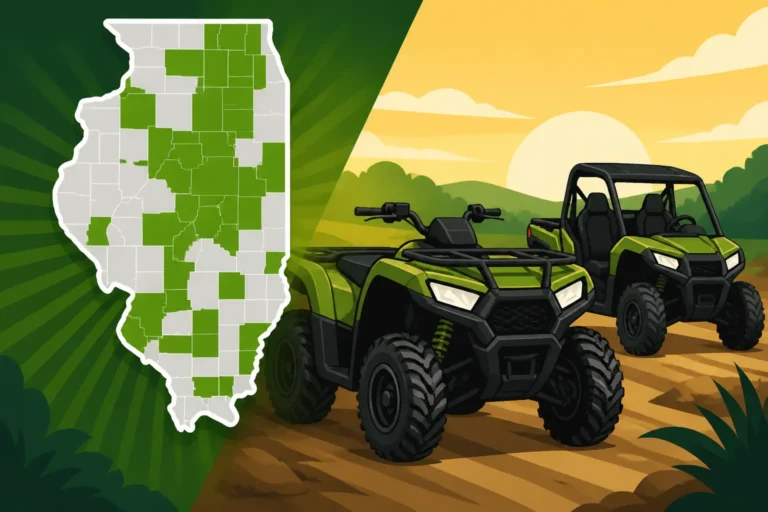
Some towns that have publicly discussed or adopted UTV ordinances include Byron, Ramsey, and Winnebago, but this list is constantly evolving. [Byron's UTV Permit Fees in Illinois] [Ramsey's Recreational Vehicle Code in Illinois] [Winnebago's UTV Ordinance in Illinois] Always verify current regulations for any town you plan to ride in.
Connecting with Local Rider Communities and Organizations
Beyond official channels, one of the best resources for learning about UTV-friendly towns are the local riding communities themselves. Facebook groups, online forums, and local ATV/UTV clubs are often hotspots for information exchange. Riders in these groups frequently share updates on ordinances in their towns, offer advice on the permit process, and highlight areas where they can legally ride.
These communities can be invaluable for:
- First-hand Experiences: Get insights into the nuances of an ordinance that might not be clear from the written text, such as how strictly rules are enforced or what specific challenges riders have faced during the permit process.
- Networking: Connect with other riders who can help you understand the local riding culture and potential unwritten rules of etiquette.
- Advocacy: Many local UTV groups also actively engage with their municipal governments to advocate for UTV access, ensuring that ordinances are fair and practical for riders.
While these groups are a fantastic source of information, always cross-reference anything you hear with the official municipal ordinance. Rumors can spread, and policies can change, so always confirm with the town itself before you ride. The goal is to enjoy your UTV responsibly and legally, contributing positively to the community that has welcomed you onto their streets.
| Requirement/Feature | General Tendency in Illinois UTV Ordinances | Why It Matters |
|---|---|---|
| Speed Limit | Typically 35 mph or lower | Safety and traffic flow integration |
| Equipment | Lights, mirrors, SMV emblem (e.g., SuperATV accessories) | Essential for visibility and compliance |
| Insurance | Liability coverage required, often state minimums | Financial protection in case of an accident |
| Driver's License | Valid, current driver's license required | Ensures operator competency and accountability |
| Permit Fee | Varies by town, often annual renewal | Funds administrative costs and enforcement |
| Inspection | Often mandatory before permit issuance | Verifies machine meets safety standards |
| Road Types | Local streets only; generally excludes state highways/interstates | Prevents high-speed conflicts and aligns with state law |
| Display | Permit sticker or decal affixed to machine | Quick visual verification for law enforcement |
Disclaimer
This article is for general informational purposes only and does not constitute professional advice. Laws, prices and regulations vary by location and change over time. Consult a qualified professional for guidance on your specific situation.