Illinois Permit Fees Set by a Town
Navigating the world of street-legal ATVs and UTVs in Illinois can feel like trying to solve a complicated jigsaw puzzle with missing pieces. Many riders dream of using their side-by-sides to run quick errands, head to a local restaurant, or simply connect rural properties, only to discover that statewide rules are sparse, and the real authority often rests with individual towns. This guide will walk you through the nuances of how local municipalities in Illinois set their permit fees, what these fees cover, and what you need to know to legally ride your machine on designated local roads.
The Local Control Over Illinois UTV Street Access
It’s a common misconception that if a machine is street legal in one Illinois town, it automatically is everywhere else. The reality is far more localized, creating a patchwork of rules and requirements across the state. This can be incredibly frustrating for riders who just want clear, consistent guidelines.
Why Local Ordinances Are Key, Not State Law
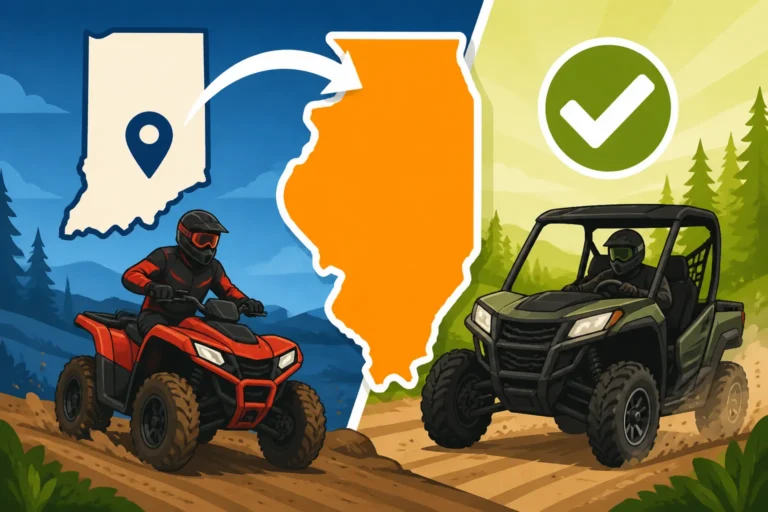
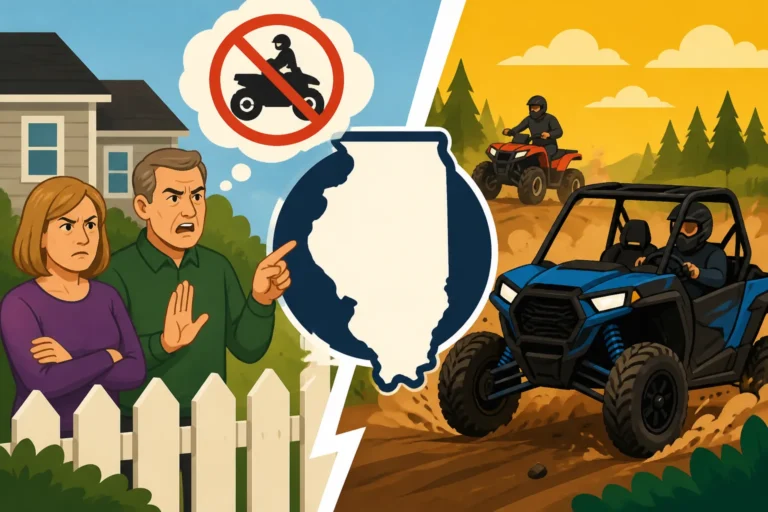
Here's the often-confusing truth: Illinois state law generally prohibits ATVs and UTVs from being operated on public roads. That's the baseline. However, the state also provides a pathway for local governments – villages, cities, counties, and even townships – to enact their own ordinances or resolutions that permit the use of these vehicles on specific local roads. This means that instead of one universal rule, you're dealing with potentially hundreds of different local interpretations.
Think of it this way: the state essentially says, "No, unless your local government says yes." This legislative framework gives considerable autonomy to [Illinois Municipalities That Pass Ordinances] and [Illinois Counties That Pass Resolutions] to decide what works best for their communities. For a small rural town, allowing UTVs might be seen as a way to boost local commerce by bringing in riders who stop at gas stations, diners, or tackle shops. In a more populated suburban area, the concerns about traffic, noise, and safety might lead to stricter rules or an outright ban. It’s a very hyper-local decision-making process, often reflecting the unique character and needs of each community. This is also why you'll find that Illinois titles but does not generally register ATVs for road use at the state level; street legality is entirely distinct. [Illinois Titles but Does Not Register ATVs] at a state level for general road use, highlighting the local nature of street-legal permissions.
What a Local Permit System Entails
Once a local government decides to allow UTVs or ATVs on its streets, it almost universally implements a permit system. This isn't just bureaucracy for the sake of it; it's designed to ensure accountability, safety, and to help the town manage this new form of traffic. A permit system typically involves several key components:
First, there's an application process. This usually means filling out forms at the village hall or city clerk's office, providing proof of ownership (like your Illinois title), and showing proof of insurance. Next, there's often an inspection requirement. This is where the town verifies that your machine meets specific safety standards outlined in their ordinance, such as working headlights, tail lights, brake lights, turn signals, a horn, and mirrors. Many riders turn to aftermarket suppliers like SuperATV for these essential accessories to ensure compliance. Finally, and central to our topic, there's a fee associated with obtaining the permit. This fee helps offset the administrative costs of running the program, from processing paperwork to conducting inspections and even local enforcement efforts. Without these permits, towns would have little way to track who is riding on their roads and whether those riders are meeting the necessary safety and legal requirements.
Understanding How Towns Set Their Permit Fees
The fees you pay for a local UTV permit aren't just arbitrary numbers pulled out of thin air. They're typically calculated to cover various costs incurred by the municipality, reflecting the administrative burden and responsibilities that come with managing street-legal UTV access.
Factors Influencing Permit Fee Structure
Several factors come into play when a town decides how much to charge for a UTV permit. Understanding these can help you appreciate why fees might vary significantly from one village to another:
- Administrative Costs: This is often the primary driver. Processing applications, creating and issuing permit stickers or tags, maintaining a registry of permitted vehicles, and responding to inquiries all take staff time and resources. A town needs to recover these basic operational expenses.
- Enforcement Costs: Allowing UTVs on public roads means local police or code enforcement officers might need to spend more time on patrols, conducting initial inspections, and responding to any complaints or incidents. The permit fees contribute to funding these essential services, ensuring compliance and addressing any safety concerns that arise.
- Road Maintenance (Indirectly): While UTVs might not cause the same wear and tear as heavy trucks, their presence on roads, especially gravel or less-maintained routes, can contribute to degradation. Some towns might factor a small amount into their fees to acknowledge the potential for increased road maintenance needs, though this is usually a less significant component than administrative costs.
- Revenue Generation (Minor): It's rare for UTV permit fees to be a major source of revenue for a municipality. Typically, the goal is cost recovery rather than profit. However, some towns might include a small margin to support other community services, especially if the UTV program is seen as a benefit to local tourism or recreation.
- Community Acceptance and Policy: The fee can also be a reflection of local policy and community sentiment. A higher fee might be set to signal that UTV use is a privilege that comes with a cost, or to manage the volume of permitted vehicles. Conversely, a very low fee might encourage more participation and support local businesses. For example, [Byron's UTV Permit Fees in Illinois] are well-established, showing a clear commitment to managing this type of vehicle access.
Common Fee Models and Renewal Cycles
Most Illinois towns that permit UTVs on their streets opt for an annual fee structure. This allows them to consistently cover their ongoing administrative and enforcement costs, and it also provides a regular touchpoint to ensure all permitted vehicles are still meeting current requirements and that insurance is active.
- Annual Fees: This is by far the most common model. Riders pay a fee once a year to keep their permit active. This means you'll typically need to re-apply or renew your permit each year, often around the same time, such as spring. An example is the system where you might pay a higher initial fee, then a lower [50 a Year to Renew a Village UTV Permit]. This annual cycle is crucial for towns to keep their records up-to-date, ensuring that only currently compliant and insured machines are on the road.
- Initial vs. Renewal Fees: It's quite common for towns to charge a slightly higher fee for the initial permit application compared to subsequent annual renewals. The initial fee might cover the more intensive setup and inspection process, while renewals are simpler administrative tasks. For instance, [Byron Charges $100 for a First-Year UTV Permit], and then a reduced fee for subsequent years. This encourages long-term compliance while recouping initial investment.
- Tiered Fees: While less common for UTVs, some municipalities might theoretically have tiered fees based on vehicle type (e.g., ATV vs. UTV) or even engine size, though most tend to simplify it with a flat fee for all non-highway vehicles seeking street access. The focus is usually on the act of riding on municipal roads, rather than the specific machine's characteristics beyond basic safety equipment.
What Your Permit Fee Covers and What It Doesn't
Paying a permit fee opens up a lot of opportunities for UTV riders in Illinois, but it's vital to understand the precise scope of what that fee grants you. Misunderstandings here can lead to frustrating fines or even dangerous situations.
The Value You Get for Your Money
When you pay your local UTV permit fee, you're essentially buying into a system that provides several critical benefits:
- Legal Access to Local Roads: This is the most immediate and significant value. Your permit grants you the privilege to legally operate your ATV or UTV on the specific public streets designated by that municipality. This means you can avoid the severe [Illinois Penalties for Illegal Street Riding], which can include hefty fines, court costs, and even impoundment of your machine. For many, this access transforms their UTV from a purely off-road toy into a practical vehicle for local transport.
- Local Compliance and Peace of Mind: Holding a valid permit means your machine has passed the local inspection and meets the town's safety criteria. This compliance provides peace of mind, knowing that you're operating within the law and contributing to a safer environment for everyone on those local roads. The fee supports the framework that checks things like working headlights, brake lights, and turn signals – features often sourced from reputable accessory companies like SuperATV to ensure durability and compliance.
- Contribution to Road Safety and Enforcement: Your permit fee contributes to the overall management of UTV traffic. This includes funding for law enforcement to monitor compliance, address reckless driving, and respond to incidents. It's an investment in the ordered and safe integration of UTVs into the local traffic flow, benefiting both riders and other road users. Remember, even with a permit, you still need to adhere to all traffic laws, including having proper [Illinois Insurance Minimums for Street Use] if specified by the ordinance.
Limitations of a Local Permit
Despite the clear advantages, it's critical to understand that a local UTV permit has very specific limitations. It's not a golden ticket to ride anywhere and everywhere:
- Geographic Restrictions: This is perhaps the most misunderstood limitation. A permit issued by, say, the Village of Byron, only grants you legal access to the roads within the Village of Byron that are designated for UTV use. It does not automatically allow you to ride on county roads, state highways (beyond very specific, designated crossings), or roads in the next town over. If you plan to ride your UTV in multiple municipalities, you will likely need a separate permit from each town that has an ordinance allowing UTVs. This often comes into play when [Illinois Roads Under Two Jurisdictions] are involved – you might need permission from both the village and the county.
- Machine-Specific: The permit is almost always tied to a specific UTV or ATV, identified by its Vehicle Identification Number (VIN). If you sell your machine and buy a new one, your old permit is not transferable. You'll need to go through the application and inspection process again for the new vehicle.
- No Trail Access Implied: A local street permit is strictly for road use. It does not grant you access to off-road trails, state parks, or other designated riding areas. For those, you'll still need appropriate state-issued stickers like the [Illinois Public Access Decal Rules] for grant-assisted sites or specific permits like the [Illinois Sahara Woods Permits]. These are separate systems with different purposes, and your town permit won't get you past the gate at an OHV park. Essentially, a town permit is a privilege, not an inherent right, and it's contingent on following all local rules, which can include things like noise ordinances or operating hours.
Navigating the Permit Application and Costs
So, you've decided to pursue a street-legal permit for your UTV in your Illinois town. Good for you! While the process can seem daunting at first, breaking it down into manageable steps makes it much clearer. The key is to be prepared and informed.
The Application Process and What to Expect
The exact steps might vary slightly from one municipality to another, but generally, you can expect a process that looks something like this:
- Do Your Homework: Before you even think about filling out paperwork, find your town's specific ordinance. Many villages and cities post their ordinances on their official websites. Look for terms like "non-highway vehicle," "UTV ordinance," or "ATV street use." This document will outline the specific requirements for your machine, permitted roads, operating hours, and, of course, the permit fees. This is where [Where to Find Your Village's UTV Ordinance Online] becomes your best friend.
- Gather Your Documents: You'll typically need to bring:
- Proof of ownership (your Illinois title certificate).
- Proof of current liability insurance that meets or exceeds the state minimums for street vehicles.
- Your valid driver's license.
- The application form itself, usually available at the village or city hall.
- Payment for the permit fee.
- Prepare Your Machine for Inspection: Most towns require a safety inspection. This is a critical step where a local official (often a police officer or designated staff member) will verify that your UTV meets all the equipment requirements specified in the ordinance. This commonly includes:
- Working headlights and tail lights.
- Brake lights that activate when the brakes are applied.
- Turn signals (front and rear).
- A horn.
- At least one rearview mirror.
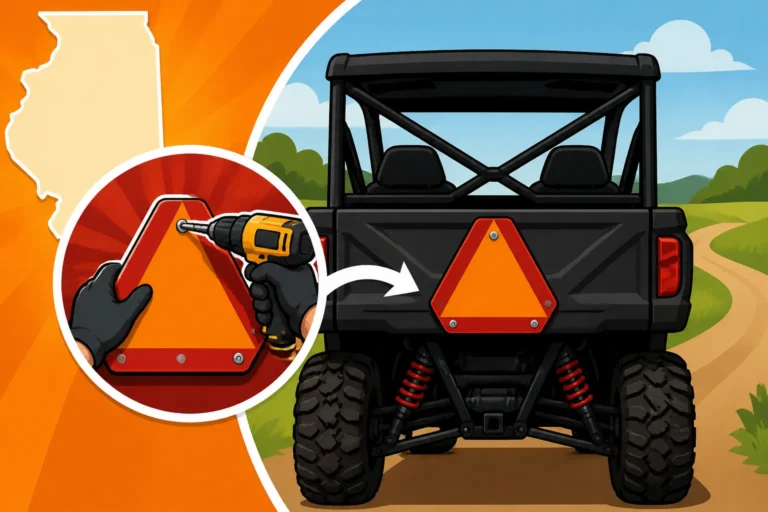
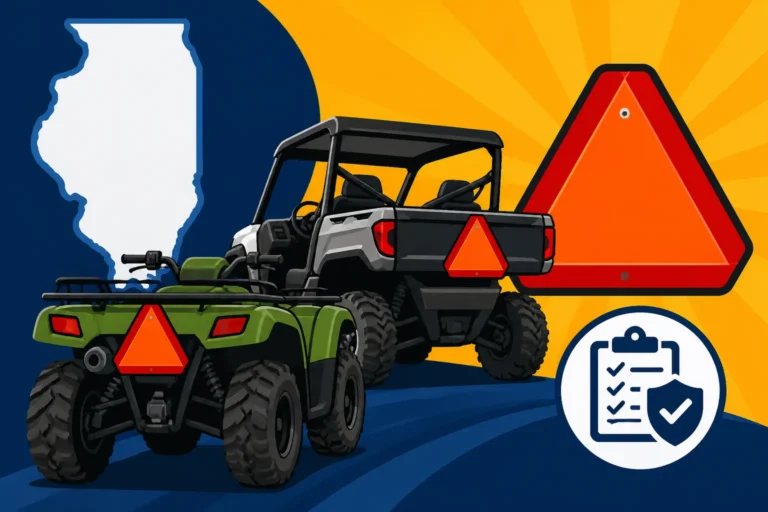
- A slow-moving vehicle (SMV) emblem on the rear.
- Good tires and functional brakes.
Companies like SuperATV are excellent resources for aftermarket lights, mirrors, turn signal kits, and horns that can help ensure your UTV passes [The Inspection a Village Runs Before Issuing a Permit]. Having your machine clean and ready will make the inspection go smoothly.
- Submit and Inspect: You'll typically head to the village or city hall to submit your application and pay the fee. In some cases, the inspection might be done on-site at that time, or you might be given an appointment for the inspection. The process of [Applying for a UTV Permit at Village Hall] is usually straightforward if you have all your ducks in a row.
- Receive Your Permit: Once your application is approved and your machine passes inspection, you'll be issued a permit sticker or tag. The ordinance will usually specify where this sticker must be affixed to your UTV, often on the windshield or front fender, visible to law enforcement.
Budgeting for Local Permit Fees and Associated Costs
While the permit fee is a direct cost, it's important to budget for all the related expenses that come with making your UTV street-legal. Here's a breakdown:
| Town (Example) | Initial Permit Fee | Annual Renewal Fee | Inspection Required? | Notes |
|---|---|---|---|---|
| Byron | $100 | $50 | Yes | A well-known example of a town with a UTV ordinance. [Byron Charges $100 for a First-Year UTV Permit] to cover initial setup, then a lower renewal rate. |
| Winnebago | $75 | $50 | Yes | Another northern Illinois example. [Winnebago's UTV Ordinance in Illinois] follows a similar structure, focusing on consistent annual revenue for administration. |
| Ramsey | $50 | $25 | Yes | A more rural, southern Illinois example. [Ramsey's Recreational Vehicle Code in Illinois] might reflect lower administrative costs or a desire to encourage UTV use in a less populated area. |
| Bartonville | $60 | $40 | Yes | A central Illinois example. [Bartonville's UTV Registration in Illinois] shows another common fee structure, balancing initial setup with ongoing maintenance. |
| Your Town (Hypothetical) | Check Local Ordinance | Check Local Ordinance | Always Confirm | Crucial: Always confirm the exact fees and requirements for your specific municipality. Fees can change, and new ordinances can be enacted or repealed. |
Beyond the permit fee, consider these additional expenses:
- Safety Equipment: If your UTV isn't factory-equipped with street-legal components, you'll need to purchase and install them. This can include turn signal kits, rearview mirrors, a horn, and an SMV emblem. These costs can range from a few dollars for an SMV emblem to hundreds for a comprehensive light and signal kit, often available from specialists like SuperATV.
- Insurance: While you likely already have insurance for off-road use, verify that your policy provides the necessary liability coverage for street use as required by your town's ordinance and state law. Your insurer can provide specific quotes.
- State Stickers: Don't confuse your local street permit with state-level stickers. You might still need an [Illinois OHV Usage Stamp Cost] or an [Illinois Access Decal Cost for Residents] if you plan to ride at state-managed or grant-assisted off-road sites. These are separate and often mandatory for trail access.
- Time and Effort: Factor in the time it takes to research the ordinance, gather paperwork, prepare your machine, and visit the village hall. Your time is valuable, and being organized can save you headaches down the road.
By thoroughly researching your local ordinance, preparing your machine, and understanding all the associated costs, you can successfully navigate the process of getting your UTV street-legal in your Illinois town and enjoy the freedom of riding on designated local roads.
Disclaimer
This article is for general informational purposes only and does not constitute professional advice. Laws, prices and regulations vary by location and change over time. Consult a qualified professional for guidance on your specific situation.