Illinois Golf Cart Ordinances by Town
If you've ever thought about using your golf cart for quick trips to the local grocery store, visiting a neighbor, or just cruising around your subdivision in Illinois, you've likely bumped up against a wall of confusion. It’s incredibly frustrating to wonder if your perfectly good golf cart can legally leave your driveway, especially when you see others doing it. This guide is here to untangle the complex web of local ordinances, explaining how Illinois towns decide whether golf carts can hit their streets, what you need to know, and how to find the specific rules for your area.
The Patchwork Problem: Why Illinois Golf Cart Laws Aren't Simple
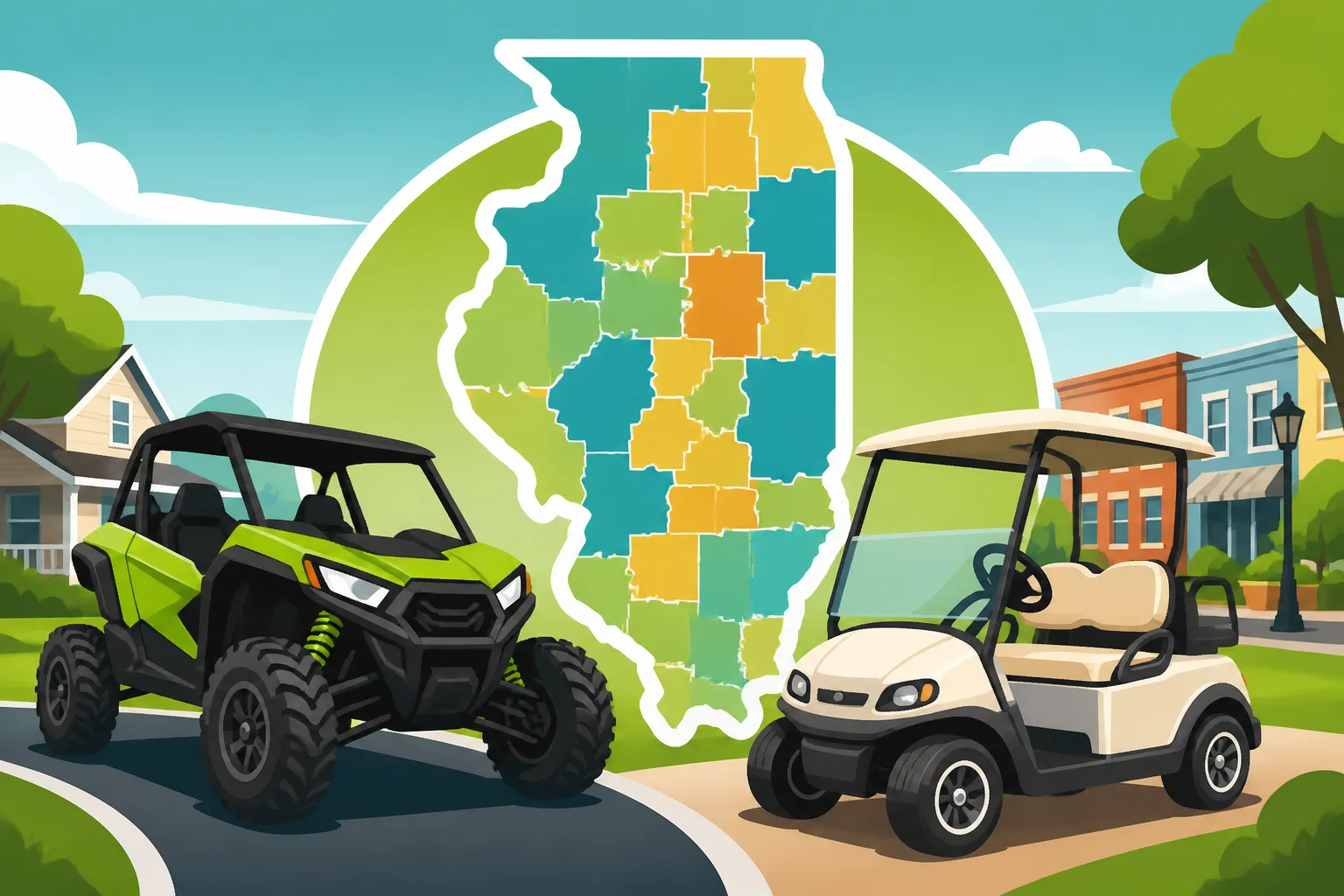
Unlike some states that have a clear, statewide mandate for golf cart use on public roads, Illinois takes a much more localized approach. This can be a real headache for residents who just want a straight answer, as the rules can literally change from one village limit to the next. What's perfectly fine in Byron might get you a ticket in Winnebago, or vice versa. It’s not about state-level blanket permission, but rather each local government unit—be it a village, city, or even a township—deciding for itself.
State Law's Stance on Golf Carts
The Illinois Vehicle Code generally classifies golf carts as "non-highway vehicles." By default, this means they are not permitted on public roads unless a specific exception is made. This foundational rule is why the burden falls on local municipalities to create ordinances that allow and regulate their use. Without a local ordinance, your golf cart is typically restricted to private property, golf courses, or designated off-road areas. This default prohibition often catches new golf cart owners off guard, leading to fines or confusion when they simply want to drive a short distance.
The state law also sets a few basic parameters that local ordinances must generally adhere to. For instance, roads posted with a speed limit higher than 35 mph are typically off-limits for golf carts, even if an ordinance permits their use on lower-speed streets. These guidelines aim to ensure a baseline level of safety, preventing slow-moving golf carts from mixing with fast-moving traffic on major arteries. Knowing this state-level framework helps to understand why local ordinances often include similar speed restrictions and equipment requirements.
How Local Ordinances Take the Wheel
Because state law largely defers to local control, villages, cities, and even some townships have the power to create their own "golf cart ordinances." These ordinances are essentially local laws that carve out exceptions to the general state prohibition, allowing golf carts on specific public roads within their jurisdiction, provided certain conditions are met. This is why you often see golf carts tooling around in some towns but never in others. [Illinois Golf Cart Ordinances by Town] are a direct result of these local legislative actions.
A village board, for example, might hold public meetings, discuss traffic safety, and then vote to pass a golf cart ordinance. This decision often comes after residents express a desire for more convenient local transportation or to enhance community recreation. When a county board passes a UTV resolution, it's a similar process, but for larger, often unincorporated areas. The critical takeaway is that you absolutely cannot assume your town allows golf carts on its streets just because a neighboring town does. You have to check the specific rules for your municipality.
What Makes a Golf Cart "Street Legal" in Illinois Towns?
So, your town does have an ordinance? Fantastic! But that's just the first step. To legally operate your golf cart on public roads, you'll almost certainly need to meet a specific set of equipment requirements, obtain a local permit, and adhere to operational rules. These conditions are put in place to ensure safety for both the golf cart operator and other road users. Ignoring these requirements can lead to citations, even if you have a valid local permit.
Essential Equipment for Street Use
Local ordinances typically mandate certain safety equipment to bring a golf cart up to a reasonable "street-legal" standard. Think of it like equipping your off-road machine to be [Illinois Non-Highway Vehicle Equipment List] compliant, but tailored specifically for golf carts. Common requirements often include:
- Headlights and Tail Lights: Not just for night riding, but also for visibility during the day, especially in inclement weather. Many ordinances specify that these must be visible from a certain distance.
- Brake Lights: Crucial for signaling to vehicles behind you when you're slowing down or stopping.
- Turn Signals: Essential for clearly indicating your intentions when making turns, just like a regular car. This is often where aftermarket kits come in, and companies like SuperATV offer conversion kits to add these features to standard golf carts.
- Rearview Mirror: A simple but vital piece of equipment, allowing you to see traffic approaching from behind without constantly turning your head. [Illinois Requires a Rearview Mirror] is a common requirement.
- Reflectors: Often required on the front and rear, to increase visibility, especially at dawn, dusk, or night.
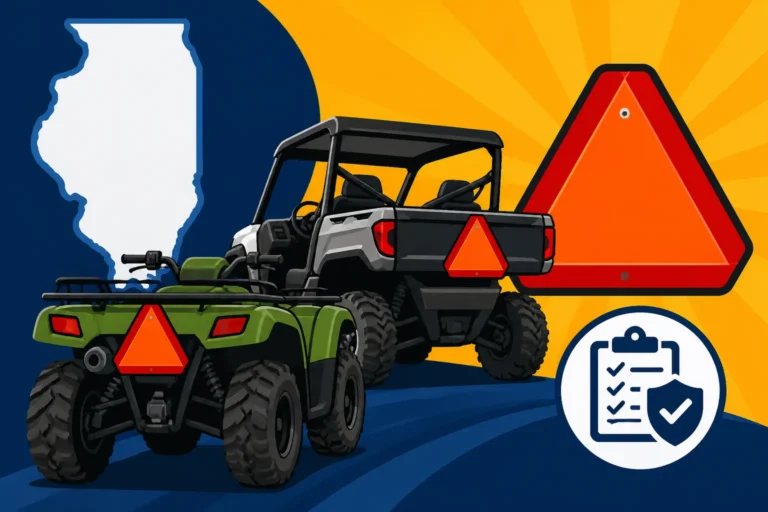
- Slow-Moving Vehicle (SMV) Emblem: A bright orange, triangular sign typically mounted on the rear, signaling to other drivers that your vehicle will be traveling at low speeds. [Illinois Requires a Slow-Moving Vehicle Emblem] is a frequent component of these ordinances.
- Horn: A working horn is necessary for signaling your presence in potentially hazardous situations.
- Fenders: To prevent water, mud, and debris from being thrown by the tires.
It’s important to remember that these aren't just suggestions; they are usually mandatory for obtaining a permit and avoiding tickets. Many golf carts sold for private property use don't come with all these features from the factory, meaning owners often need to install aftermarket accessories.
Permits, Licenses, and Insurance
Beyond equipment, there's typically a bureaucratic hurdle to clear: obtaining a local permit. This isn't usually a state-level registration, but a specific permit issued by your village or city. [Illinois Permit Fees Set by a Town] can vary widely, from a small annual fee to a more substantial charge, sometimes with a higher initial cost and a lower renewal rate. For example, [Byron Charges $100 for a First-Year UTV Permit], demonstrating that these fees can be significant.
To get a permit, you'll often need to:
- Apply at Village Hall: The application typically includes your personal information, golf cart details (VIN, make, model), and proof of ownership.
- Pass an Inspection: Many towns require an [Illinois Equipment Inspections by a Village] to ensure your golf cart meets all the required safety equipment standards. This might involve an appointment with the local police department or a designated village official. They'll check your lights, horn, mirrors, and other required items.
- Provide Proof of Insurance: While golf carts typically aren't required to have statewide auto insurance like cars, many local ordinances will mandate liability insurance coverage if you plan to drive on public roads. This is a crucial protection, as accidents can happen. [Illinois Insurance Minimums for Street Use] for other non-highway vehicles can give you an idea of the coverage levels often required, though golf cart specific mandates might differ.
- Hold a Valid Driver's License: The operator of the golf cart almost always needs to possess a valid driver's license. This ensures they have basic driving knowledge and are legally allowed to operate a motor vehicle.
Always keep your permit and proof of insurance with you when operating the golf cart on public streets. If you're pulled over, these documents will be among the first things an officer asks to see.
Finding Your Town's Specific Golf Cart Ordinance
This is often the trickiest part for golf cart owners. Since there's no central statewide database of every single local golf cart ordinance, you have to do a bit of legwork. It can feel like a scavenger hunt, but it's absolutely essential to avoid penalties or misunderstandings.
Where to Look for Local Regulations
Your first stop should always be your local government's official channels. Don't rely on word-of-mouth from neighbors, as rules can change, or they might be misinformed.
- Village or City Hall: This is the most reliable source. Visit in person or call the clerk's office. They can provide you with a copy of the ordinance or direct you to the correct department. Many municipalities have their ordinances codified and available for public viewing.
- Local Police Department: Since they are responsible for enforcing the rules, the police department will certainly know the specifics of their town's golf cart ordinance. They might even have a handout detailing the requirements.
- Township or County Offices: If you live in an unincorporated area, you'll need to check with your township or county clerk. They might have a broader resolution or ordinance that covers your specific area. Remember, [Illinois Roads Under Two Jurisdictions] can sometimes complicate matters, so be precise about your location.
- Online Municipal Websites: Many towns now publish their entire municipal code online. Look for sections related to "vehicles," "traffic," or "recreational vehicles." A quick search for "[Your Town Name] golf cart ordinance" can often yield results, but always make sure you're on an official government website (.gov or .org that is clearly associated with the municipality).
When reviewing the ordinance, pay close attention to details like:
- Designated Roads: Does it allow golf carts on all village streets, or only specific ones? Are there certain speed limits for streets where golf carts are allowed? [Only Streets Posted 35 mph or Lower Qualify] is a common restriction.
- Hours of Operation: Are golf carts permitted after dark, and if so, what lighting requirements apply?
- Age of Operator: What are the minimum age requirements for operating a golf cart on public streets?
- Passenger Rules: How many passengers are allowed, and are there restrictions for child passengers? [Illinois Rules for a Child Passenger] on a golf cart can be very specific.
- Permit Renewal: How often do you need to renew your permit, and what's the cost?
What to Do If Your Town Has No Ordinance
If you've diligently searched and found that your village, city, or township simply doesn't have an ordinance permitting golf carts on public streets, then the general state prohibition stands. This can be a disappointing discovery, but it's crucial to respect these boundaries. Driving your golf cart on public roads without an authorizing ordinance is akin to driving an unregistered vehicle and can result in significant penalties, including fines and potentially impoundment. [Illinois Penalties for Illegal Street Riding] can be quite steep.
However, a lack of an ordinance doesn't mean all hope is lost for future street use. This is where community engagement comes in. You can:
- Speak at a Board Meeting: Gather your neighbors and present a case to your local village or city board. Highlight the benefits (e.g., reduced short-trip car use, enhanced community feel) and address potential concerns (e.g., safety measures, enforcement).
- Propose a Draft Ordinance: If you're feeling ambitious, you could research other towns' ordinances and propose a draft for your local government to consider. This shows proactive engagement and provides a starting point for discussion.
- Form a Community Group: Organize other interested residents to advocate for a golf cart ordinance. A collective voice is often more impactful than an individual one. This can be a lengthy process, but many towns have successfully adopted such ordinances due to community demand.
Common Challenges and Practical Advice for Golf Cart Owners
Navigating the world of local golf cart ordinances can present a few unique challenges. From ensuring your machine is properly equipped to understanding the nuances of enforcement, being prepared can save you a lot of hassle and potential expense.
Equipping Your Cart for Safety and Compliance
Once you know your local ordinance's specific equipment requirements, the next step is often to upgrade your golf cart. Many standard models simply don't come factory-equipped with turn signals, brake lights, or proper mirrors. This is where aftermarket parts truly shine. You can find comprehensive street-legal kits designed to add all the necessary components. Companies like SuperATV specialize in these types of accessories, offering everything from full lighting kits to side mirrors and horns.
When installing aftermarket equipment, prioritize quality and ensure everything is securely mounted and wired correctly. A loose turn signal or a flickering headlight won't pass inspection and can be a safety hazard. If you're not comfortable doing the installation yourself, many local golf cart dealers or ATV/UTV service shops can handle the upgrades for you. Investing in reliable equipment is not just about compliance; it's about making your golf cart genuinely safer for road use, protecting yourself and others.
Staying Informed and Avoiding Penalties
Local ordinances, while offering convenience, come with the responsibility of adherence. Once you have your permit and your golf cart is properly equipped, don't become complacent.
- Renew Your Permit on Time: Mark your calendar! Permit expiration dates are firm, and forgetting to renew can lead to fines. Many towns offer annual renewals, and some might even send reminders.
- Regularly Check Equipment: Before each ride on public roads, do a quick check of your lights, turn signals, and horn. Bulbs burn out, and wiring can come loose, especially if you're frequently riding on varied terrain or through adverse weather.
- Understand Road Limitations: Stick to the roads explicitly allowed by your ordinance. [Roads Posted Above 35 mph Are Off Limits] for a reason – mixing with faster traffic significantly increases risk. Never take your golf cart on state highways, interstates, or tollways, even if your local ordinance permits village street use. [Illinois Crossings of State Highways] are often strictly regulated or prohibited for golf carts.
- Be Aware of Local Law Enforcement: Police officers in your town will be familiar with the ordinance and its enforcement. If you're ever pulled over, be polite, cooperative, and provide all requested documentation. Ignorance of the law is generally not a valid defense.
- Monitor Ordinance Changes: Occasionally, local ordinances can be amended or even repealed. It's a good idea to periodically check your town's website or inquire at village hall if there have been any updates to the golf cart rules. What was allowed last year might have changed this year. [When a Village Repeals the Ordinance It Passed] is a real possibility, often due to community complaints or safety concerns.
Operating your golf cart on public streets in Illinois is a privilege granted by local authorities, not an inherent right. By understanding the rules, equipping your cart properly, and staying informed, you can enjoy the convenience and fun of street-legal golf carting while ensuring safety for everyone.
| Requirement Category | Common Examples (Check Local Ordinance) | Why It Matters |
|---|---|---|
| Equipment | Headlights, Tail Lights, Brake Lights | Visibility to others, signaling intentions |
| Turn Signals, Rearview Mirror | Safe maneuvering, awareness of surroundings | |
| Horn, SMV Emblem | Audible warning, slow-moving vehicle identification | |
| Fenders, Seat Belts (some ordinances) | Debris control, passenger safety | |
| Documentation | Local Permit/Registration | Proof of local authorization to operate |
| Proof of Liability Insurance | Financial protection in case of an accident | |
| Valid Driver's License | Ensures operator has basic driving competency | |
| Operational Rules | Speed Limit (e.g., 35 mph maximum) | Prevents mixing with high-speed traffic |
| Designated Roads Only | Keeps golf carts off dangerous main roads | |
| Daytime/Nighttime Restrictions | Safety in low light conditions | |
| Age & Passenger Limits | Ensures responsible operation and passenger safety |
Disclaimer
This article is for general informational purposes only and does not constitute professional advice. Laws, prices and regulations vary by location and change over time. Consult a qualified professional for guidance on your specific situation.