Adding a New Quad to Your Policy at Purchase
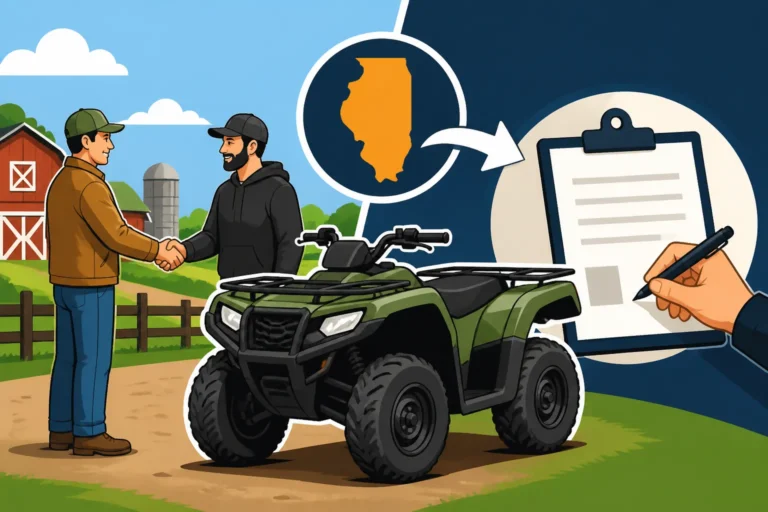
So, you’ve just made the leap and bought a new ATV or UTV here in Illinois. Maybe it’s a shiny new sport quad for tearing up the trails, or perhaps a rugged utility side-by-side to help out on the farm or around your property. The excitement is palpable, but before you haul it home or head straight for the nearest riding area, there's a crucial step many new owners overlook or put off: getting that machine properly insured. This guide is all about helping you understand why immediate insurance is so important and how to easily add your new quad or side-by-side to your existing policy, or set up a new one, right after purchase.
Why Getting Your New Machine Insured Immediately Is Crucial
It’s easy to get caught up in the thrill of a new purchase, whether it's a quad, a dirt bike, or a side-by-side. You want to focus on the fun parts – planning your first ride, picking out accessories, or just admiring your new toy. But in the rush, insurance often feels like an afterthought, a chore to be handled "later." The truth is, "later" can be far too late. Protecting your investment and yourself starts the moment you take ownership.
Think about it: from the moment that bill of sale is signed, or you drive it off the dealer's lot, that machine is yours. And with ownership comes responsibility and risk. A lot can happen in the short time between buying a machine and finally getting around to calling an insurance agent. It could be damaged during transport home, stolen from your driveway, or, heaven forbid, involved in an accident on its very first outing. Without insurance, you’d be left holding the bag for repairs, medical bills, or replacement costs, turning a dream purchase into a financial nightmare. Taking care of insurance right away removes that gnawing worry, letting you focus on the sheer joy of riding your new Illinois off-road machine.
Protecting Your Investment
Let’s be honest, ATVs and UTVs aren’t cheap. Whether you’ve saved up for years or financed your purchase, that machine represents a significant financial commitment. Imagine buying a brand-new side-by-side for thousands of dollars, bringing it home, and then a week later, it’s stolen from your garage or shed. Or, you take it out for its maiden voyage, misjudge a turn, and end up with significant damage. Without comprehensive coverage, you would be responsible for the entire replacement cost or repair bill out of your own pocket. That’s a hit that most budgets simply aren't prepared for.
Insurance acts as a financial safety net, safeguarding the money you've invested. It ensures that if something unexpected happens – be it theft, vandalism, fire, or accidental damage – you won't lose your entire investment. This protection extends beyond just the machine itself. Many policies offer coverage for accessories you might add, like winches, plows, or upgraded tires, further protecting your overall spend. It’s about being pragmatic and recognizing that even the most careful rider can encounter unforeseen circumstances. You can learn more about specific types of coverage in [Illinois Comprehensive Coverage for a Quad] and [Illinois Theft Coverage in a Shed].
Meeting Legal and Lender Requirements
While Illinois does not have a universal statewide requirement for off-road vehicle insurance for private land use, things get a bit more complex depending on where and how you plan to ride, or how you purchased your machine. For instance, if you financed your ATV or UTV through a bank, credit union, or dealership, your lender will almost certainly require you to carry full coverage insurance. This protects their interest in the vehicle until the loan is paid off. Ignoring this requirement can lead to forced-place insurance, which is often more expensive and less comprehensive than a policy you could secure yourself. This is a common situation for many buyers, and it's something lenders are very serious about, as discussed in [Illinois Insurance a Lender Requires].
Furthermore, if you plan to ever ride your UTV on public roads in certain Illinois municipalities that permit it, liability insurance will be a non-negotiable legal requirement. These towns and counties often mandate minimum liability coverage, similar to what's required for automobiles. If you're involved in an accident on a public road without this coverage, you could face hefty fines, legal battles, and personal financial ruin from property damage or injuries to others. Even if you only intend to ride on private property, many riding parks or organized events may require proof of insurance before allowing you entry. It's always best to check local ordinances and park rules, but having a policy in place covers all your bases. Knowing what you need can save you a lot of headache, especially when considering [Illinois Insurance Minimums for Street Use].
The Steps to Insuring Your New Illinois ATV or UTV
Getting your new ATV or UTV insured doesn’t have to be a complicated ordeal. In fact, most insurance providers have a fairly streamlined process, especially if you’re already an existing customer with other policies (like car or home insurance). The key is to be prepared with the right information and to act promptly after your purchase. Don’t wait until you’re ready to hit the trails or until your lender starts asking questions. Make that call or fill out that online form as soon as the sale is finalized.
Many people find it easiest to work with their current insurance agent, as they already have your information and can often bundle policies for potential discounts. However, it's also a good opportunity to shop around and compare quotes from different providers, just to ensure you're getting the best rates and coverage for your specific needs. The goal here is efficiency and completeness, making sure you cover all your bases before any hiccups arise.
Gathering Essential Information
Before you even pick up the phone or go online, you'll need to have a few key pieces of information about your new machine readily available. This data allows the insurance company to accurately identify the vehicle, assess its value, and calculate an appropriate premium. Think of it as providing the blueprint of your ATV or UTV.
Here’s a checklist of what you’ll typically need:
- Vehicle Identification Number (VIN): This is the most crucial piece of information. It's a unique 17-character code that identifies your specific machine. You'll find it stamped on the frame (often near the front wheel, under the seat, or on the engine casing) and listed on the manufacturer's certificate of origin (MCO) or the title document.
- Make, Model, and Year: For example, a 2023 Polaris RZR XP 1000 or a 2024 Honda Rancher 420. This helps categorize the machine and its general value.
- Engine Size (CCs) or Horsepower: Especially for ATVs, the engine displacement is important for risk assessment.
- Purchase Date: The exact date you bought the machine.
- Purchase Price: How much you paid for it. This is vital for determining the insured value, especially for comprehensive and collision coverage.
- Seller Information: Whether you bought it from a licensed dealer or a private seller. If private, having the seller's name and contact information, and a [Illinois Title Without a Bill of Sale] if applicable, is useful, along with any bill of sale. Even a simple bill of sale, which you can easily draft using resources like LawDepot, serves as official proof of purchase.
- Odometer/Hour Meter Reading: While not always required, it can sometimes be helpful, especially for used machines.
- Intended Use: Will it be primarily for recreation, utility work, or a mix of both? This can affect coverage options and rates.
Having these details handy will make the process much smoother and faster. It also helps avoid any miscommunication that could lead to issues with your policy down the line. Keep all your purchase documents, like the bill of sale, MCO, and eventual title, in a safe place. They’re not just for insurance; they'll be essential for titling your machine in Illinois too, as detailed in [Illinois Title Paperwork Checklist].
Contacting Your Insurance Provider
Once you have all your machine’s information compiled, it's time to reach out to an insurance provider. You essentially have two main options here: adding it to an existing policy with your current insurer or shopping for a new policy entirely.
Option 1: Adding to an Existing Policy
This is often the quickest and easiest route. If you already have car, motorcycle, or homeowners insurance with a company, they likely offer ATV/UTV policies as well.
- Call your agent: Many people prefer a direct conversation with their agent, who can explain options, answer questions, and process the addition. They can often provide a quote and bind coverage immediately.
- Use their online portal or app: Some insurance companies allow you to get quotes and add vehicles directly through their websites or mobile apps. This can be convenient if you prefer a self-service approach outside of business hours.
- The benefit: Often, you can qualify for multi-policy discounts by bundling your off-road vehicle insurance with your other existing policies. This can lead to significant savings. Make sure to confirm any grace periods your current policy might offer for new vehicle purchases; some policies provide a short window of automatic coverage for newly acquired vehicles, but it's rarely robust enough for long-term peace of mind.
Option 2: Shopping for a New Policy
If your current insurer doesn't offer ATV/UTV coverage, or if you want to compare rates and find the best deal, you'll need to shop around.
- Get multiple quotes: Contact several insurance companies that specialize in recreational vehicles or offer ATV/UTV specific policies. Websites of companies like Progressive, GEICO, Allstate, State Farm, and local independent agents can provide quotes.
- Compare coverage and prices: Don't just look at the bottom line premium. Compare what each policy actually covers, the deductibles, and any exclusions. Sometimes a slightly higher premium offers significantly better protection.
- Work with an independent agent: An independent agent can often get quotes from multiple carriers for you, saving you time and effort. They can also offer impartial advice on which policy best fits your needs.
Regardless of which option you choose, be clear about the type of machine you have (ATV, UTV, dirt bike, etc.) and your primary intended use. The more accurate information you provide, the more precise your quote will be. Remember, the goal is to get coverage bound as soon as possible after taking ownership.
Understanding Coverage Options
When insuring your ATV or UTV, you'll encounter a range of coverage options. It’s important to understand what each one provides so you can tailor a policy that truly meets your needs and budget. Just like with car insurance, you'll want to balance protection with affordability.
Here's a breakdown of common types of coverage:
- Liability Coverage: This is the foundational coverage. It protects you financially if you're at fault in an accident that causes injury to another person or damage to their property. It typically covers medical expenses for the injured party, repairs to their vehicle or property, and legal defense costs if you're sued. Illinois has specific minimums for liability coverage if you ever ride on public roads, such as 25/50/20, meaning $25,000 for bodily injury per person, $50,000 for bodily injury per accident, and $20,000 for property damage. Even if you only ride on private land, liability is critical. You can unintentionally damage a neighbor's fence or injure someone on a shared trail.
- Collision Coverage: This pays for damage to your own ATV or UTV if it collides with another vehicle, an object (like a tree or a rock), or if it rolls over, regardless of who is at fault. It's especially important for new or expensive machines, as repairs can be costly. You’ll choose a deductible for this coverage (e.g., $500 or $1,000), which is the amount you pay out of pocket before your insurance kicks in.
- Comprehensive Coverage: This protects your machine from damages not caused by a collision. This includes theft, vandalism, fire, natural disasters (like floods or hail), falling objects, and hitting an animal. Given the value of these machines and the risk of theft, especially if stored in a shed or garage, comprehensive coverage is highly recommended. It’s the peace of mind knowing that if your machine goes missing, you won't be out its entire value. This kind of protection is explored further in [Illinois Comprehensive Coverage for a Quad].
- Uninsured/Underinsured Motorist Coverage: While less common for off-road vehicles than cars, this can still be valuable. If you're involved in an accident with another off-road vehicle whose operator is at fault but has no insurance or insufficient insurance, this coverage can help pay for your medical expenses and damages to your machine.
- Accessory and Custom Parts Coverage: Many riders invest heavily in aftermarket parts and accessories – specialized tires, winches, sound systems, light bars, plows, and more. Standard policies might only cover factory-installed equipment. If you’ve added significant modifications, ask about this specific coverage to ensure your upgrades are protected.
Here's a quick comparison of common coverage types:
| Coverage Type | What It Covers | Why It's Important |
|---|---|---|
| Liability | Damages/injuries you cause to others or their property. | Mandatory for street use, protects your assets if you're at fault in an accident on or off trails. |
| Collision | Damage to your machine from impact with another object or vehicle, or rollover. | Essential for new/expensive machines; covers repair or replacement costs for your own vehicle in an accident. |
| Comprehensive | Damage to your machine from non-collision events (theft, fire, vandalism, etc.). | Guards against common risks like theft from storage (see [Illinois Theft Coverage in a Shed]) or natural disasters. |
| Uninsured/Underinsured Motorist | Your injuries/damages if an at-fault party has no or insufficient insurance. | Offers added protection against financially irresponsible riders, though less common for off-road than cars. |
| Accessory/Custom Parts | Aftermarket parts, upgrades, and modifications you've added. | Ensures your extra investments (winch, lights, plow, etc.) are covered beyond factory equipment. |
When selecting your coverage, consider where and how often you ride, the value of your machine, and your financial comfort level with risk. It's always a good idea to discuss these options in detail with your insurance agent to get personalized advice.
Common Questions and Considerations for New Owners
Getting insurance for your new ATV or UTV isn’t a one-and-done decision. There are practical questions that often arise right after purchase, and ongoing considerations that will keep your coverage appropriate over the life of your machine. Understanding these nuances helps prevent gaps in coverage and ensures you’re always adequately protected. From temporary coverage to financing impacts, these are the details that truly make a difference.
Thinking ahead about how your policy integrates with other aspects of ownership, like financing or even eventual resale, is smart. It moves beyond just the initial purchase and into the long-term enjoyment and responsible management of your off-road machine.
Temporary Coverage and Grace Periods
One of the most frequently asked questions is about immediate coverage. "Am I covered the moment I drive it off the lot?" The answer often depends on your existing insurance policies. Some auto insurance policies or homeowners policies offer a very short "grace period" – typically 7 to 30 days – during which a newly acquired vehicle might have some basic coverage. This usually extends the most minimal liability coverage from your existing policy to your new ATV or UTV, but it's rarely full coverage and is never permanent.
This grace period is meant to give you a small window to formally add the new machine to your policy, not to serve as actual comprehensive insurance. Relying on it for anything more than a day or two is risky. It’s crucial to contact your insurance provider as soon as possible after the purchase. Do not assume you are fully covered just because you have other insurance. Always verify with your agent what, if any, temporary coverage applies, and for how long. The safest approach is to arrange for specific ATV/UTV insurance coverage to start on the day of purchase, or even a day or two before if you know the exact pickup date. This way, there's no lapse, no ambiguity, and no unprotected exposure. For tips on managing all the paperwork related to purchase, see [Illinois Title Before Your First Ride].
What If You Finance Your ATV/UTV?
Financing your ATV or UTV fundamentally changes your insurance requirements. When a lender (a bank, credit union, or the dealership itself) provides the funds for your purchase, they essentially own a stake in your machine until the loan is fully repaid. To protect their investment, they will mandate that you carry full coverage insurance – that includes both collision and comprehensive coverage – with specific minimum limits. This is non-negotiable.
The lender will usually require proof of insurance before they finalize the loan. They might even be listed as a "loss payee" or "additional insured" on your policy, meaning that if the machine is totaled or stolen, the insurance payout will go directly to the lender first to cover the outstanding loan balance. If you fail to maintain the required insurance, the lender has the right to purchase insurance for you (known as "force-placed insurance"), which is almost always significantly more expensive than a policy you could buy yourself and often provides less robust coverage. So, if you're going the financing route, make sure to factor in the cost of full coverage insurance into your budget from day one. Understanding [Illinois Insurance a Lender Requires] is key here. [Financing a Side-by-Side at an Illinois Dealer] also provides valuable context.
Updating Your Policy Annually
Insurance isn't a "set it and forget it" kind of thing. Your needs, your machine’s value, and market conditions can all change over time. It’s a good practice to review your ATV/UTV insurance policy annually, ideally around renewal time.
Here's why annual reviews are beneficial:
- Machine Depreciation/Appreciation: Over time, your machine will depreciate in value. You might be able to adjust your coverage levels (especially collision and comprehensive) to reflect its current market value, potentially saving on premiums. Conversely, if you've added significant upgrades, you might need to increase your accessory coverage.
- Changes in Use: Have your riding habits changed? Are you now primarily riding on grant-assisted trails instead of just your property? Or perhaps you've started using your UTV for heavy farm work. These changes might warrant a re-evaluation of your liability limits or specific coverages.
- New Riders: If a new family member starts riding, especially a younger operator, you’ll need to ensure they are covered under your policy.
- Discounts: Insurance companies frequently introduce new discounts. By reviewing annually, you can ensure you're taking advantage of all eligible savings, such as multi-policy, safety course completion, or secure storage discounts.
- Life Changes: Moving to a new address (especially within Illinois, as rates can vary by ZIP code) or experiencing other major life events can impact your insurance needs and rates.
- Market Changes: Insurance rates and offerings can change across the industry. An annual review is a good time to compare your current policy with what other providers are offering to ensure you're still getting the best value.
A quick chat with your agent each year can help ensure your policy remains appropriate for your current situation and that you're not overpaying or under-covered.
Costs and Factors Affecting Your Premium
The cost of insuring your ATV or UTV in Illinois isn't a fixed price. It varies widely based on numerous factors, much like car insurance. Understanding what influences your premium can help you make informed decisions about coverage and potentially find ways to save money. Budgeting for these costs is an essential part of responsible ownership, beyond just the purchase price and taxes.
When you're looking at [Illinois ATV Insurance Costs], it's not just about the monthly payment; it's about what you get for that payment. A cheaper policy might mean significantly less coverage, leaving you exposed when you need it most. It's about finding that sweet spot where you're adequately protected without breaking the bank.
Machine Type and Value
The specific type of ATV or UTV you own plays a significant role in determining your insurance premium. Generally, more powerful, high-performance, or expensive machines tend to have higher insurance costs.
Here’s why:
- Engine Size and Horsepower: High-performance sport quads or powerful side-by-sides with larger engines often come with higher premiums. The greater the power, the higher the perceived risk of high-speed accidents and more severe damage.
- Machine Value: A brand-new, top-of-the-line UTV with all the bells and whistles will cost more to insure than an older, basic utility ATV. This is directly tied to the potential cost of repairs or replacement in the event of a total loss. Insurance companies base comprehensive and collision premiums on the machine's actual cash value or agreed-upon value.
- Type of Machine:
- Sport ATVs: Often carry higher premiums due to their performance capabilities and typically aggressive riding styles.
- Utility ATVs: May have slightly lower premiums, depending on their power and use, as they are often perceived as lower risk.
- Side-by-Sides (UTVs): Premiums can vary greatly depending on whether it's a high-performance sport UTV (like a Polaris RZR or Can-Am Maverick) or a more sedate utility UTV (like a Kawasaki Mule or John Deere Gator). Sport UTVs, being faster and often carrying multiple passengers, can command higher rates.
- Dirt Bikes: Generally insured similarly to ATVs, with premiums affected by engine size and performance.
- Youth Quads: Typically have lower premiums due to their smaller size, lower power, and the understanding that they will be ridden under supervision.
Even specific brands and models can influence rates, as some might have higher theft rates or more expensive parts. Before you even buy, getting a few quotes on different models can help you understand the long-term [Illinois Cost of Ownership Year One].
Your Riding Habits and Location
Beyond the machine itself, your personal profile and how you intend to use the ATV or UTV significantly impact your insurance rates. Insurance companies assess risk based on who you are and what you do.
- Your Driving Record: Just like car insurance, your history of accidents, traffic violations, or even DUI convictions on any vehicle can affect your off-road insurance rates. A clean driving record is generally rewarded with lower premiums.
- Age and Experience: Younger, less experienced riders (especially teenagers) often face higher premiums due to a statistically higher risk of accidents. More experienced adult riders typically enjoy lower rates.
- Location: Where you live in Illinois matters. Urban areas with higher population densities and higher rates of theft or vandalism might result in higher premiums compared to rural areas. Similarly, proximity to popular riding areas might also be a factor.
- Intended Use:
- Recreational Use: If you primarily use your machine for casual trail riding, weekend fun, or hunting access, your rates will reflect this.
- Utility/Farm Use: If your UTV is primarily used for farm work or property maintenance, some insurers might offer specific policies or discounts tailored to agricultural use. It's vital to be transparent about your use to ensure proper coverage.
- Competition/Racing: If you intend to race your machine, standard recreational policies typically won't cover competition events. You'll likely need specialized insurance for competitive riding, which can be considerably more expensive.
- Storage Location: Where you store your machine when not in use can affect rates. A machine stored in a locked garage or secure shed (see [Illinois Theft Coverage in a Shed]) is generally considered lower risk than one parked openly in a driveway or yard. Providing proof of secure storage can sometimes lead to discounts.
Being honest and detailed about your riding habits and circumstances ensures you get the right coverage at the most accurate price.
Deductibles and Discounts
Two key factors you can often control to influence your premium are your deductible choices and the discounts you qualify for.
- Deductibles: This is the amount of money you agree to pay out-of-pocket for a covered loss before your insurance coverage kicks in. For example, if you have a $500 deductible on your collision coverage and your repair bill is $2,000, you pay the first $500, and your insurance pays the remaining $1,500.
- Higher Deductible = Lower Premium: By choosing a higher deductible (e.g., $1,000 instead of $250), you assume more of the financial risk yourself. This usually results in a lower monthly or annual premium. This can be a good strategy if you have a solid emergency fund and are confident you can cover the higher out-of-pocket cost if an incident occurs.
- Lower Deductible = Higher Premium: A lower deductible means your insurance company pays more of the initial cost, so your premiums will be higher. This might be preferable if you prefer to minimize your immediate financial burden in case of a claim. It's important to choose a deductible you are comfortable with and can realistically afford if you need to file a claim.
- Discounts: Always ask your insurance agent about available discounts. Many insurers offer a variety of ways to save:
- Multi-Policy Discount: Bundling your ATV/UTV insurance with your car, home, or life insurance can often lead to significant savings.
- Safety Course Discount: Completing an approved ATV safety course can sometimes earn you a discount, as it demonstrates a commitment to safe riding practices.
- Secure Storage Discount: As mentioned, storing your machine in a locked garage or shed can reduce rates.
- Multi-Vehicle Discount: If you insure more than one ATV or UTV with the same company.
- Loyalty Discount: For long-standing customers.
- Claim-Free Discount: For maintaining a clean claims record over time.
- Anti-Theft Device Discount: If your machine has a GPS tracker or other approved anti-theft measures.
Don't be shy about asking your agent to review all potential discounts for which you might qualify. A few minutes of conversation could lead to meaningful savings on your [Illinois ATV Insurance Cost Per Year]. Taking advantage of these options allows you to tailor your policy not only to your coverage needs but also to your financial situation.
Disclaimer
This article is for general informational purposes only and does not constitute professional advice. Laws, prices and regulations vary by location and change over time. Consult a qualified professional for guidance on your specific situation.