Titling a Quad Bought From the Farm Next Door
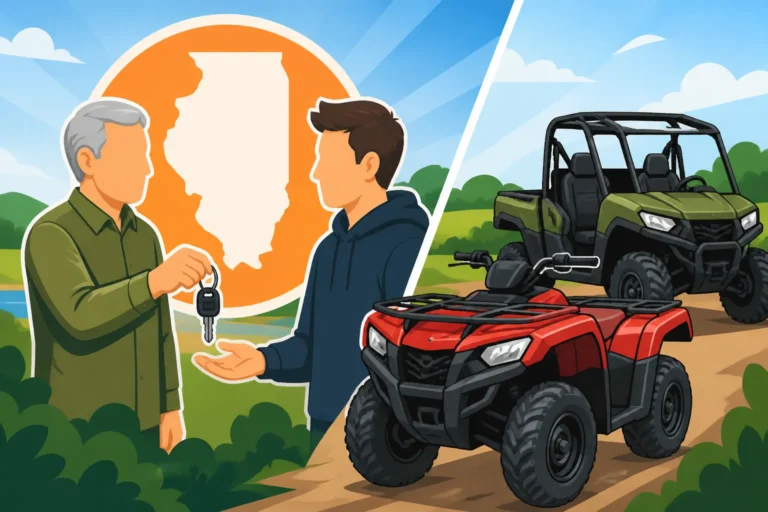
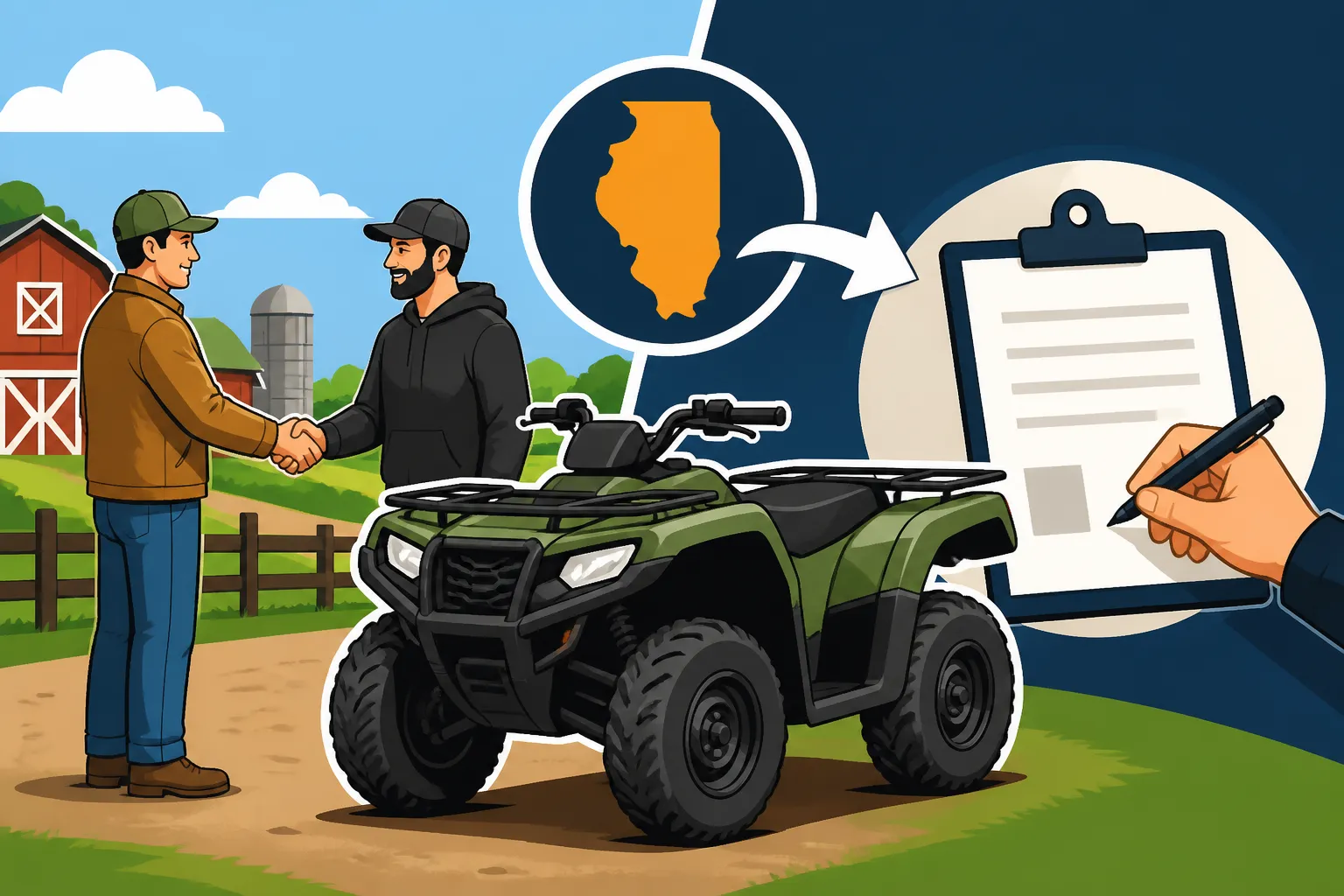
So, you’ve been eyeing that quad down the road, the one your neighbor uses to check fences or haul feed, and now they've finally agreed to sell it to you. Buying an ATV from someone you know, especially a local farmer, feels like a handshake deal, a neighborly exchange. But when it comes to the official side of things, like titling, it can suddenly feel a bit murky, leaving you wondering if you're doing everything correctly. This guide is here to clear up all that confusion, walking you through the precise steps to ensure you legally title that newly acquired off-road machine in Illinois, safeguarding your investment and keeping you on the right side of the law.
The Illinois Titling Requirement: It's Not Just for Dealers
It's easy to assume that buying a used ATV from a private party, particularly one from a farm setting, might be less formal. Maybe you think farm machines operate under different rules, or that because it's an older quad, it won't need the same paperwork as a brand-new one from a dealership. However, Illinois law is quite clear: nearly all off-highway vehicles (OHVs), including ATVs and side-by-sides, require a certificate of title, regardless of where or when they were purchased. This requirement has been in place for a good long while, dating back to 1998, meaning if the quad you're buying was manufactured or sold new after that year, it absolutely needs to have an Illinois title in your name.
Why Every ATV Needs a Title in Illinois
Think of an ATV title like the deed to a house or the title to your car. It’s the legal document that establishes you as the rightful owner. Without it, you could run into all sorts of headaches down the line. For instance, if you ever decide to sell the machine yourself, a prospective buyer will rightfully demand a clear title. More importantly, if the ATV were ever stolen, having the title in your name is crucial for law enforcement to help recover it and for your insurance company to process any claims. [Illinois ATV Title Certificates Explained] delves into why these documents are so vital for every owner. Even for machines used exclusively on private property, having that official proof of ownership is a cornerstone of responsible ownership.
This requirement isn't about collecting fees from you, although there are fees involved. It's primarily about establishing a clear chain of ownership, deterring theft, and providing a legal framework for transferring these valuable pieces of equipment. It also helps the state track these vehicles, which can be important for various regulations, even if Illinois doesn't register ATVs in the same way it does cars. While your neighbor might have only ever used the quad on their acreage, the moment it changes hands, the official titling process kicks in to protect both buyer and seller.
The Paperwork You Must Get From Your Neighbor
When you're buying that quad from the farm next door, the absolute most critical piece of paperwork you need from your neighbor is the original Illinois Certificate of Title, properly signed over to you. This isn't just a friendly suggestion; it's the lynchpin of the entire transfer process. The seller needs to sign the assignment of title section on the back of the document, typically indicating the sale date and the purchase price. If your neighbor bought the machine new, they would have received a Manufacturer's Certificate of Origin (MCO) instead of a title, which they would then use to get the first title in their name. If that's the case, and they never titled it themselves, you'll be the one presenting the MCO.
Beyond the title, it's always a smart move to have a Bill of Sale. Even if it's a casual transaction, a written record protects both parties. A comprehensive bill of sale, often available through services like LawDepot, should clearly state the buyer's and seller's names, the ATV's make, model, year, and Vehicle Identification Number (VIN), the sale price, and the date of sale. This document serves as secondary proof of purchase and can be invaluable if there are any discrepancies or questions later on. It verifies the terms of your agreement and makes the subsequent tax and titling processes much smoother. Without the correct paperwork from the seller, you could face significant hurdles trying to prove ownership and get a new title.
Navigating the Title Transfer Process
Once you've got the original title, signed and dated, or the MCO, your next step is to initiate the transfer of ownership into your name. This process might seem daunting if you've never titled an off-highway vehicle before, but it's largely similar to titling a car or truck, just with specific forms for OHVs. The key is to gather all the necessary documents, fill them out accurately, and submit them to the correct state agency. Missing a signature or a piece of information can lead to frustrating delays, pushing back the date when you can truly call that quad yours, officially.
Filling Out the Application for an Illinois Off-Highway Vehicle Title
The primary form you'll need is the Illinois Application for Certificate of Title for an Off-Highway Vehicle. This form, often referred to as VSD-190, is where you provide all your personal information as the new owner and details about the ATV itself. You'll need the ATV's VIN, which you should verify matches the number on the title your neighbor provided, as well as the make, model, and year. It’s also crucial to accurately record the purchase price from your bill of sale, as this figure will be used to calculate any applicable taxes. [Applying for an Illinois Off-Road Title] provides a full breakdown of this essential form and what information you'll need to complete it correctly. Make sure every field is legible and accurate to avoid any rejections or requests for more information.
In addition to the VSD-190, you'll need to submit the original title document that your neighbor signed over to you. If your neighbor had an MCO because they never titled it, you'd submit that instead. Sometimes, especially with a private sale, the seller might not be fully aware of all the requirements, and you might need to gently guide them on what needs to be signed. A blank bill of sale from LawDepot can be handy here to fill in the gaps and ensure you have a clear, documented transaction. Don't be afraid to double-check everything before you leave your neighbor's place; it's much easier to fix an error then than weeks later through the mail.
What to Do If the Original Title Is Missing
This is one of the more common and frustrating scenarios in a private sale, especially if the ATV has been owned by a farmer for many years. What if your neighbor can’t find the title? Maybe it got misplaced in an old shoebox, chewed by a farm dog, or simply never existed because the machine was so old the state didn't require titles back then (though this is rare for machines built after 1998). First, understand that titling an ATV in Illinois requires a valid chain of ownership. If the original title is truly lost or never issued, getting a new one can become significantly more complicated.
Your first step would be to ask your neighbor to apply for a duplicate title in their name. This process involves them filling out an application for a duplicate title and paying the associated fee. Once they receive the duplicate title, they can then sign it over to you as the buyer. This ensures that the state has a clear record of them being the last registered owner. If the machine is very old and potentially predates the 1998 titling requirement, you might have to submit additional evidence of ownership, such as a notarized bill of sale and possibly a verification of the VIN by law enforcement, to prove it belongs to you. Using a detailed bill of sale template from a reliable source like LawDepot becomes even more critical in these situations, as it strengthens your claim of purchase. Checking the VIN to ensure the machine isn't reported stolen, which can be done before you pay, is also a crucial step to protect yourself.
Where to Submit Your Application
Once you have all your forms filled out and the original signed title in hand, you have a couple of options for submission. The most common and often quickest method for many people is to visit one of the Illinois Secretary of State facilities. These facilities handle all vehicle titling and registration matters, including off-highway vehicles. Presenting your paperwork in person allows a clerk to review everything on the spot, potentially catching any small errors before they lead to delays. They can also answer any immediate questions you might have about the process or fees. [Titling a Quad at a Secretary of State Facility] provides more details on what to expect when you go this route.
Alternatively, you can mail your application and supporting documents to the Illinois Secretary of State's office in Springfield. While this is convenient for those who live far from a facility, it generally means a longer processing time. Whichever method you choose, make sure you include a check or money order for the appropriate fees. [Illinois Title Processing Time] can vary, so patience is key, but ensuring your paperwork is perfect from the start will always speed things along. Make copies of all your documents before you submit them, whether in person or by mail, for your own records.
Common Pitfalls and How to Avoid Them
Even with the best intentions, the process of titling an ATV can sometimes hit a snag. Whether it's misunderstanding tax obligations or overlooking a small detail, these issues can cause delays and frustration. Being aware of these common pitfalls upfront can save you a lot of time and potential headaches, allowing you to get out and enjoy your "new" farm quad sooner.
Understanding Taxes and Fees in a Private Sale
One of the biggest surprises for many buyers in a private sale is the tax obligation. Unlike a dealership where sales tax is typically included in the purchase price, when you buy from a private seller, you are responsible for paying the tax directly to the state when you title the machine. In Illinois, private party ATV sales are subject to a flat $25 tax, not a percentage of the sale price. However, this is just the state portion. Your local county or municipality might add their own tax on top of that flat fee, so the total can vary depending on where you live. For example, [Chicago Adds $15 to a Private-Party Purchase], meaning if you're in the city, your private party tax could be higher.
In addition to the tax, there's the actual titling fee. [Illinois ATV Title Cost] covers the standard fee for a new title. It's crucial to ensure you've calculated these costs accurately and include the correct payment with your application. If you underpay, your application will likely be returned, causing significant delays. A properly executed bill of sale from a tool like LawDepot, clearly stating the purchase price, is vital here, as it's the document the state will refer to when assessing taxes. Always check with your local Secretary of State facility or their website for the most current fee schedule before submitting your paperwork.
Avoiding Delays in Your Title Processing
Nobody wants to wait endlessly for their title to come back in the mail. The biggest culprit for delays in title processing is incomplete or incorrect paperwork. Missing signatures, incorrect VINs, illegible information, or an insufficient payment can all lead to your application being returned to you, forcing you to start the process over. Imagine realizing after two weeks that you forgot to sign one line on the application, and now you have to resubmit and wait another two weeks or more! It’s a common frustration, but entirely avoidable.
Before you send anything in, go through your entire package with a fine-tooth comb. Double-check every blank on the application form. Ensure the VIN on your machine matches the one on the title and the application. Verify that your neighbor's signature is in the correct place on the back of the title and that they've filled in all the required seller information. Also, make sure your payment method (check or money order) is correctly filled out and for the exact amount required. [Illinois Title Paperwork Checklist] is an excellent resource to ensure you have everything covered. By being meticulous upfront, you significantly reduce the chances of your application being kicked back.
Beyond the Title: Other Essentials for Riding
While getting your ATV titled is a critical first step, it's not the only piece of the puzzle for enjoying your new machine, especially if you plan to ride it beyond your own backyard. In Illinois, there are other important stickers and permits you'll need if you intend to ride on state-designated OHV trails or grant-assisted riding areas. These include the Illinois OHV Usage Stamp and potentially an Illinois Public Access Decal. [Illinois Usage Stamp vs Access Decal] explains the differences between these two stickers and when each is required. Many new owners, especially those buying from a farm where the machine only ever stayed on private land, often overlook these additional requirements.
The usage stamp, for instance, is required for any OHV ridden on public lands or trails that receive state grants. The access decal is typically needed for designated riding areas like Sahara Woods. Each of these has its own cost and renewal schedule, so factor them into your overall budget if you plan on adventuring. You can often purchase these stamps and decals from authorized vendors, sometimes even where you buy hunting licenses, or through the ExploreMoreIL website. Ensure you understand what each sticker covers and where it needs to be mounted on your machine to avoid any penalties from conservation officers while you're out enjoying the trails.
Disclaimer
This article is for general informational purposes only and does not constitute professional advice. Laws, prices and regulations vary by location and change over time. Consult a qualified professional for guidance on your specific situation.