Speaking at a Board Meeting About UTV Access
So, you've got a UTV or an ATV, and like many riders across Illinois, you're probably itching for more places to ride, especially on local roads. The struggle to get your village, town, or county to consider opening up street access can feel like shouting into the wind, filled with complicated rules and unfamiliar political landscapes. This guide is here to cut through that noise, offering practical, empathetic advice on how to effectively prepare for, and speak at, a local board meeting to champion responsible UTV and ATV access in your community.
Understanding the Local Landscape Before You Speak
Before you even think about stepping up to the microphone, it’s absolutely crucial to do your homework. You wouldn't hit a tough trail without scouting it first, and the same goes for navigating local government. Going in blind can lead to missteps and missed opportunities to make a real impact.
Researching Existing Ordinances and Attitudes
Start by understanding the current lay of the land in your specific municipality. Are there any existing rules concerning UTVs or ATVs on local roads? Have they ever considered an ordinance before? Many communities in Illinois have already grappled with this issue, and learning from their experiences, both good and bad, can save you a lot of time and effort. Look up your village's official website, check meeting minutes, or even call the clerk's office. You might be surprised to find some towns have already passed resolutions or ordinances regarding recreational vehicles. It's helpful to see if your neighbors have already adopted [Illinois UTV Street Legal Rules by Town], as their success can be a strong example for your community.
Beyond just the written rules, try to gauge the general attitude towards off-road machines in your area. Is there a strong farming community that already uses UTVs for work? Are there vocal residents concerned about noise or safety? Understanding these perspectives will help you tailor your message. Don't be afraid to chat with community members, local business owners, and even current board members informally. Their insights can be invaluable.
Identifying Key Decision-Makers and Their Concerns
Every local board, whether it's a village board, city council, or county board, is made up of individuals. Each one of these individuals has their own experiences, priorities, and concerns. Take the time to identify who these key decision-makers are. What are their names? What wards or districts do they represent? Do they have a background in farming, business, education, or law enforcement? Knowing a bit about their professional and personal lives can help you anticipate the types of questions they might ask or the concerns they might raise.
For instance, a board member who is a parent might be especially concerned about [Illinois ATV Age Requirements] and the safety of children, while a business owner might be more receptive to arguments about economic benefits. Understanding these individual perspectives allows you to frame your arguments in a way that resonates with each person. Remember, they are often volunteers trying to do what they believe is best for their community. Approaching them with respect and a willingness to understand their viewpoint will go a long way.
Building a Local Rider Community
You are not alone in wanting UTV access. There are likely many other riders in your area who share your passion and frustration. Find them! Building a local rider community or even just a small, dedicated group of advocates can significantly amplify your voice. Organize an informal meeting at a local coffee shop or community center. Discuss your goals, share your research, and strategize together. A collective effort not only shows the board that there's broad community interest but also allows you to divide tasks, such as research, outreach, and presentation preparation.
Consider gathering testimonials from other responsible riders, perhaps even photos or short videos of them using their UTVs safely and respectfully for utility purposes or at designated riding areas. This kind of visual evidence can be very powerful in counteracting negative stereotypes. A united front demonstrates seriousness and commitment, which local officials are more likely to take seriously. It also provides a support network for when the process inevitably feels slow or challenging.
Crafting Your Message for Maximum Impact
Once you understand the local context and have your allies, it’s time to craft a compelling message. You can't just show up and demand access; you need to build a logical, persuasive argument that addresses potential objections before they even arise. Think of it as building a case for the defense.
Focusing on Safety and Responsible Riding
Safety should always be at the absolute forefront of your message. Many board members and residents who oppose UTV access do so out of legitimate safety concerns, often stemming from images of reckless riding or loud machines. You need to demonstrate that responsible riders are committed to safety, not just for themselves but for the entire community. Clearly articulate that riders are willing to adhere to strict safety regulations. Mention specific equipment that makes UTVs safer for road use, such as proper lighting, mirrors, and turn signals. For instance, you could highlight that [Illinois Requires a Rearview Mirror] and [Illinois Requires Brake Lights], and that many riders proactively equip their machines with these and other enhancements.
You can also point out that reputable brands like SuperATV offer a wide range of street-legal conversion kits and accessories, demonstrating that the industry itself supports safe road integration. Propose sensible rules such as adhering to speed limits, especially those aligning with [Only Streets Posted 35 mph or Lower Qualify], and riding only during daylight hours, or with proper illumination if after dark. Emphasize that riders understand the gravity of safe operation and are prepared for proper training and licensing, if required, to ensure everyone's peace of mind.
Highlighting Economic and Community Benefits
Beyond safety, focus on the tangible benefits that UTV access can bring to your community. This is where you can really capture the board’s attention, especially if they are concerned about local commerce and quality of life. How will opening up access positively impact local businesses? Consider the potential increase in patronage for gas stations, convenience stores, hardware shops, and restaurants as riders use their UTVs for quick errands or during recreational outings. Every dollar spent locally helps the community thrive.
You can also highlight the practical utility for rural residents. Farmers and landowners often use UTVs to navigate their property, and easier road access could be invaluable for their daily operations, saving time and fuel. In fact, many states, including Illinois, recognize this utility, offering [Illinois Farm Use Exemptions From Insurance] in certain contexts. Furthermore, opening up roads could pave the way for organized community events like charity rides or poker runs, drawing visitors and generating revenue for local causes. These events can foster a sense of community spirit and provide additional tourism dollars. Painting a picture of a vibrant, accessible community can be very compelling.
Addressing Common Objections and Misconceptions
Be prepared for the common arguments against UTV access: noise complaints, concerns about dust on gravel roads, potential property damage, and the fear of irresponsible riders. Rather than dismissing these, acknowledge them and offer proactive solutions. For example, if noise is a concern, you can discuss the increasing quietness of modern UTVs and advocate for reasonable sound limits within an ordinance. For dust, suggest limiting access to paved roads or specific routes, or even restricting riding during particularly dry periods.
It's also important to distinguish between the small percentage of irresponsible riders and the vast majority of law-abiding enthusiasts. Emphasize that your proposal includes clear penalties for misuse, ensuring that those who break the rules face consequences. Reassure the board that responsible riders understand and respect [Illinois Trespass Law for Riders] and property rights, and that any ordinance would reinforce these principles. By proactively addressing these objections, you demonstrate foresight and a commitment to finding solutions that work for everyone, not just UTV owners.
Presenting Your Case at the Board Meeting
This is your moment to shine, but it requires more than just showing up. A well-organized, respectful presentation can make all the difference, while a chaotic or emotional one can derail your efforts.
Preparing Your Presentation Materials
While your verbal presentation is key, supporting materials can significantly enhance your message. Consider preparing a concise handout for each board member. This handout should summarize your key points, reiterate the safety measures you propose, and list the economic and community benefits. Avoid dense text; use bullet points and clear, readable fonts. Visual aids can also be incredibly powerful. A simple map outlining proposed routes for UTV access, or photographs of properly equipped UTVs demonstrating their street-legal modifications, can help board members visualize your proposals.
Practice your speech beforehand. Most public comment sessions have strict time limits, often three to five minutes per speaker. Rehearse to ensure you can deliver your message clearly, concisely, and within the allotted time. Time yourself and pare down anything extraneous. Your goal is to be impactful, not exhaustive. Have a clear call to action at the end, such as: "We respectfully ask the board to consider drafting an ordinance to allow responsible UTV access on village roads posted 35 mph or lower."
Delivering Your Message Clearly and Confidently
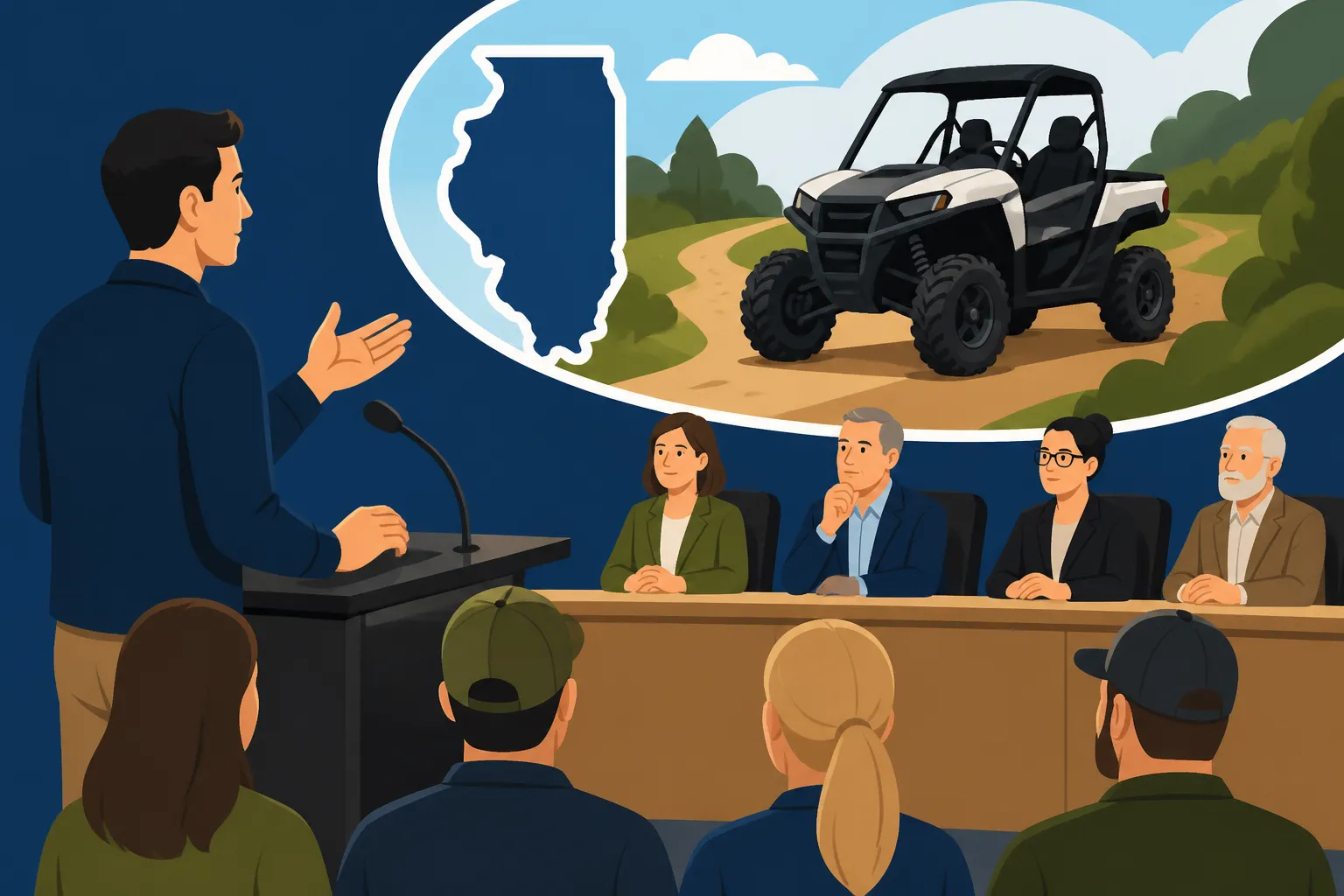
When your name is called, approach the podium with confidence, even if you're nervous. Take a deep breath. Speak clearly and project your voice so everyone in the room can hear you. Start by introducing yourself and stating your purpose for speaking. Maintain eye contact with the board members, making sure to look at each one, not just the mayor or president.
Stick to your prepared points, but allow yourself to speak from the heart about your passion for the sport and your community. Passion is contagious. Avoid getting sidetracked or defensive, even if you feel frustrated by past experiences. Your demeanor should be respectful and professional throughout. Remember, you are there to advocate, not to argue. A calm, well-reasoned presentation is far more persuasive than an emotional outburst. Show them you are a responsible member of the community who cares about their town.
Handling Questions and Follow-Up
The question-and-answer period is often the most critical part of your presentation. Listen carefully to each question. Do not interrupt. Take a moment to formulate your answer if needed. Respond directly, honestly, and concisely. If you don't know the answer to a specific question, it's perfectly acceptable to say, "That's an excellent question, and I don't have the exact data right now, but I would be happy to research it and provide you with that information." This shows integrity and a commitment to finding solutions.
Avoid getting defensive or engaging in personal attacks, even if a question seems challenging or critical. Reiterate your commitment to safety, responsibility, and community benefit. If there's a strong objection, try to reframe it by offering a potential compromise or solution. For example, if noise is brought up again, you could suggest specific enforcement measures. Offer to provide additional information, meet with individual board members later, or participate in further discussions. The goal is to keep the conversation open and productive.
Here’s a quick overview of common arguments you might encounter and how to effectively respond:
| Argument Against UTV Access | Rider Response / Counterpoint |
|---|---|
| Safety Concerns for Public | Emphasize strict adherence to safety equipment (mirrors, lights, turn signals, helmets if required), speed limits (35 mph or less on local roads), and responsible operation. Highlight the willingness of riders to undergo safety courses. |
| Noise Pollution | Point out that modern UTVs are much quieter, and propose reasonable sound limits within the ordinance. Suggest restricting riding hours or areas if needed to minimize impact on residential zones. |
| Increased Traffic/Congestion | UTVs are not high-speed vehicles; they will primarily use low-traffic local roads. Propose specific routes that avoid busy thoroughfares. Emphasize that use is often for short trips, not heavy commuting. |
| Road Damage / Dust | Focus on paved roads for UTV use, where dust is minimal. For gravel roads, suggest seasonal restrictions or speed limits to mitigate dust. Emphasize that UTVs are lighter than many service vehicles currently using the roads. |
| Irresponsible Riding | Advocate for clear penalties and enforcement mechanisms for reckless behavior or trespassing. Distinguish responsible riders who follow rules from a few bad actors, and highlight the community's commitment to self-policing. |
| "It's Just Recreation" | Counter with the utility aspect (farm work, property access), economic benefits for local businesses, and community-building potential (charity rides). Frame it as a quality-of-life enhancement for residents. |
Beyond the Podium: Sustaining Your Advocacy Efforts
Speaking at a board meeting is a significant step, but it’s rarely the end of the process. Advocating for change often requires sustained effort and persistence. Don't view the meeting as a one-and-done event, but rather as a crucial milestone in a longer journey.
Following Up with Officials and Community
After the meeting, take the time to send a polite thank-you note or email to each board member, and the mayor or village president. Briefly reiterate your main points and express your appreciation for their time and consideration. This simple gesture demonstrates your professionalism and reinforces your commitment. It also keeps your issue on their radar. If there were specific questions you promised to research, make sure to follow up with that information promptly.
Keep your local rider community informed of the outcome of the meeting and any next steps. Maintain that engagement. If the board decides to move forward, you might need their help again for additional public hearings or community outreach efforts. Consistent, polite follow-up keeps the momentum going and shows you're serious about the issue.
Anticipating the Next Steps in the Ordinance Process
Understand that passing a new ordinance takes time, sometimes months or even years. The board might discuss your proposal in future meetings, request more information, or even form a committee to study the issue further. There might be public workshops or additional hearings where community input is sought. Be prepared to attend these and continue to make your case. The [Illinois Law Starts by Banning Street Riding], so any move toward allowing UTVs is a significant shift that requires careful consideration by local governments.
Be willing to compromise on certain aspects. For instance, the board might agree to a trial period, restrict specific roads, or set strict hours of operation initially. Flexibility can lead to eventual success, even if it's not everything you hoped for immediately. Stay positive, stay persistent, and remember that well-organized, respectful advocacy can absolutely make a difference in opening up new, responsible riding opportunities for UTV and ATV owners across Illinois.
Disclaimer
This article is for general informational purposes only and does not constitute professional advice. Laws, prices and regulations vary by location and change over time. Consult a qualified professional for guidance on your specific situation.