Insurance After a Collision on a Village Street
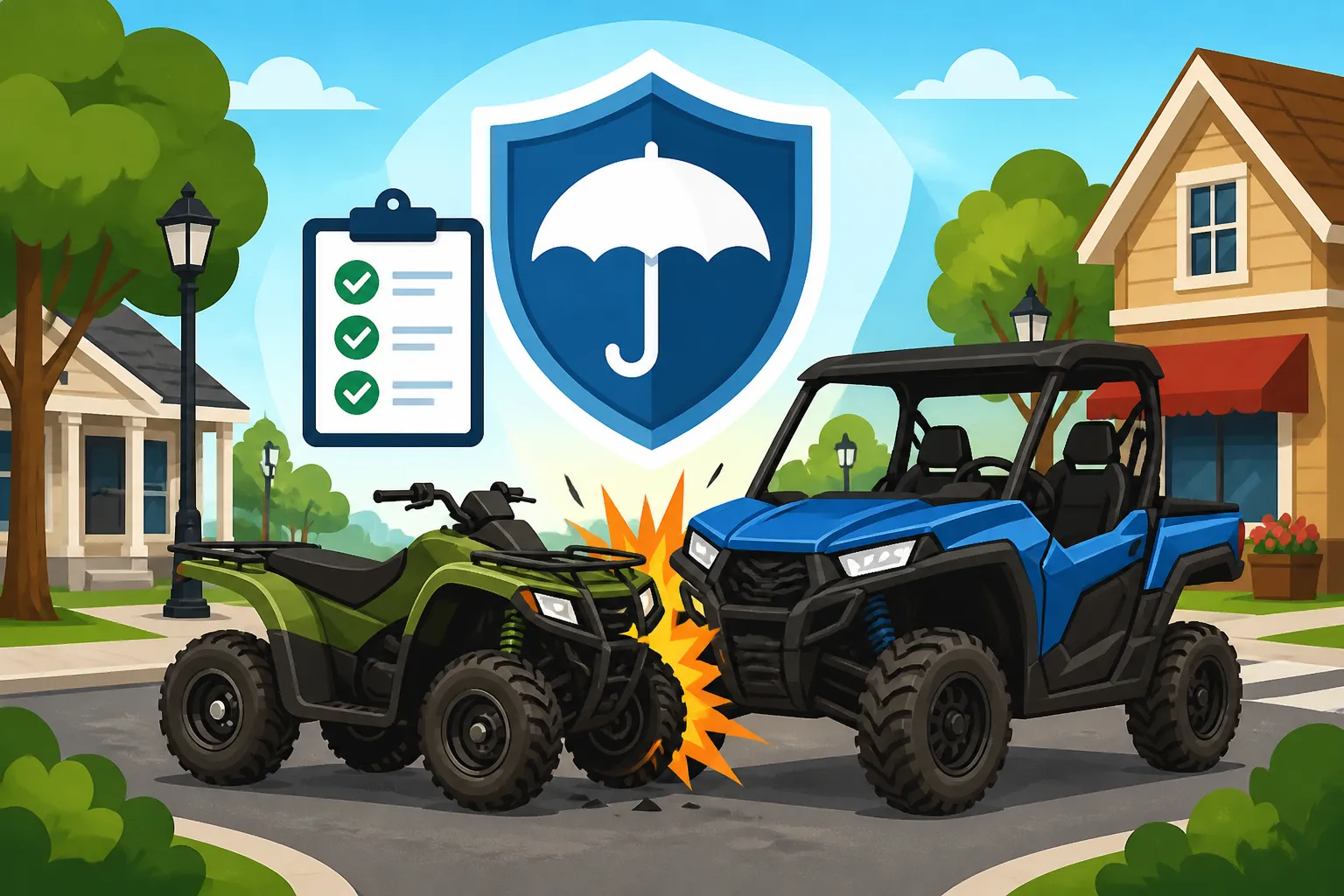
There are few things as unsettling as the sudden crunch of metal and plastic when your ATV or UTV is involved in a collision, especially on a public street in a village or town. The immediate shock often quickly gives way to a wave of questions: Is everyone okay? What do I do now? And perhaps most pressingly, how is this going to impact my insurance? This guide is here to walk you through the essential steps and considerations regarding your insurance coverage after a street collision involving your off-road machine in an Illinois village, helping you understand your responsibilities and options when navigating such a stressful situation.
The Immediate Aftermath: What to Do at the Scene
When an accident happens, especially on a public road, the moments immediately following can feel chaotic and overwhelming. It’s absolutely crucial to try and remain calm and take a few key steps to protect yourself, others, and your eventual insurance claim. Panicking will only make things more difficult. Remember, safety is always the top priority, but securing information comes a very close second.
Prioritizing Safety and Assessing Injuries
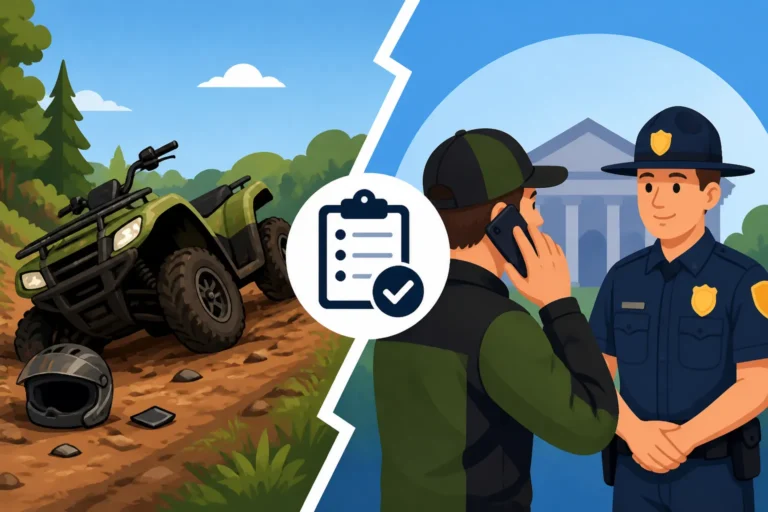
First and foremost, check on everyone involved. Are you, your passengers, or anyone in another vehicle injured? Even if an injury seems minor, it's vital to address it. If anyone is hurt, or if there's significant damage to your machine or other property, call 911 immediately. Emergency services can assess injuries, provide medical care, and control the scene. You might feel fine in the moment due to adrenaline, but some injuries don't present themselves until hours later. Don't be a hero; let the professionals take over. Moving your vehicle only if it’s absolutely necessary for safety or to clear traffic is a good rule of thumb. If possible, take photos of the scene before anything is moved, capturing the final resting positions of all vehicles involved.
Beyond the immediate human element, take a moment to assess the damage to your ATV or UTV. Is it drivable? Are there fluids leaking? Documenting the condition of your machine at the scene is critical for your insurance claim later. Even small scratches or bent components could be important. Many enthusiasts, for instance, install aftermarket parts from companies like SuperATV for enhanced performance or durability; if these are damaged, you'll want clear documentation for your claim.
Gathering Information and Documenting the Scene
Once immediate safety concerns are handled, start collecting as much information as you can. This is the bedrock of any successful insurance claim. Don't rely on memory alone; write everything down or use your phone's camera.
Key information to collect includes:
- Other Driver's Details: Name, contact information, driver's license number, and insurance policy information (company name and policy number).
- Vehicle Information: Make, model, year, license plate number, and Vehicle Identification Number (VIN) for any other vehicles involved.
- Witness Information: Names and contact details of anyone who saw the accident occur. Their objective accounts can be invaluable.
- Police Report: Get the responding officer's name, badge number, and the report number. This official documentation is often a cornerstone of insurance claims. In Illinois, you're generally required to report accidents to the police if there are injuries or significant property damage. Remember, [Illinois Accident Reporting for a UTV Crash] is a legal requirement in certain situations.
- Photos and Videos: Take numerous pictures from different angles. Capture the scene, damage to all vehicles, skid marks, road conditions, traffic signs, and any relevant surroundings. Video can also be helpful.
- Location Details: Note the exact street name, nearest cross-street, and any landmarks. The more precise, the better.
It’s tempting to start discussing fault at the scene, but resist the urge. Stick to factual observations and information gathering. Anything you say could potentially be used to undermine your claim later. Your insurance company will determine fault based on the evidence presented.
Understanding Illinois Insurance Requirements for Street Use
Riding an ATV or UTV on a village street in Illinois isn't the same as riding on private land or a dedicated trail. When you venture onto public roads, even those within a village that permit such vehicles, you step into a world of regulations that often mirror those for traditional automobiles. This includes specific insurance requirements that are non-negotiable for legal street operation.
Mandatory Liability Coverage for Street-Legal Machines
In Illinois, if your ATV or UTV is street-legal and you're operating it on public roads, you are generally subject to the same insurance laws as any other motor vehicle. This means you must carry minimum liability insurance. This isn't just a good idea; it's the law. [Illinois Requires Insurance for Street Use] when operating these machines on public roadways. This liability coverage is designed to protect others in case you are at fault for an accident. It covers bodily injury and property damage you cause to another party.
The typical minimum liability coverage limits in Illinois are often expressed as three numbers:
- Bodily Injury Liability Per Person: This is the maximum amount your insurance will pay for injuries to one person in an accident where you are at fault.
- Bodily Injury Liability Per Accident: This is the maximum amount your insurance will pay for all injuries in an accident where you are at fault, regardless of how many people are hurt.
- Property Damage Liability Per Accident: This is the maximum amount your insurance will pay for damage to another person's property (like their vehicle, fence, or building) in an accident where you are at fault.
It's crucial to understand that these minimums might not be enough to cover all expenses in a serious accident. If the damages exceed your policy limits, you could be personally responsible for the difference. Many riders opt for higher coverage limits for greater peace of mind. While aftermarket parts from companies like SuperATV can enhance your machine's capabilities, they don't impact the state-mandated liability insurance you need for street legality, though they might influence the value you want to insure under other types of coverage.
Optional Coverages: Protecting Your Investment
While liability insurance covers damages you cause to others, it doesn't do anything for your own ATV or UTV if it's damaged or stolen. For that, you'll need additional, optional coverages. These are highly recommended for anyone with a significant investment in their machine.
- Collision Coverage: This coverage pays for damage to your own ATV or UTV resulting from a collision with another vehicle or object, regardless of who is at fault. If you collide with a mailbox or another vehicle on a village street, collision coverage helps pay for the repairs to your machine, minus your deductible. This is particularly important if you have a newer or more expensive side-by-side, or if you've added valuable upgrades like a new winch or A-arms from SuperATV.
- Comprehensive Coverage: This protects your machine from damages not caused by a collision. Think theft, vandalism, fire, natural disasters (like hail or floods), or hitting an animal. If your UTV is stolen from your garage or vandalized while parked on a village street, comprehensive coverage would kick in.
- Uninsured/Underinsured Motorist (UM/UIM) Coverage: This is a lifesaver if you're hit by a driver who has no insurance or not enough insurance to cover your damages. UM/UIM helps pay for your medical expenses and, in some cases, damage to your vehicle. Given that [Illinois Requires Insurance for Street Use], it's still possible to encounter drivers who are not compliant, making this coverage a wise choice.
Choosing the right mix of coverages depends on your machine's value, your budget, and your risk tolerance. It's always best to discuss your options with an insurance agent who specializes in ATV and UTV policies to ensure you're adequately protected.
Navigating the Claims Process After a Street Collision
So, the accident has happened, you've gathered your information, and now it's time to deal with the insurance companies. This part can feel daunting, but breaking it down into steps makes it more manageable. Persistence and clear communication are your best tools here.
Reporting the Accident to Your Insurance Provider
As soon as you can, and typically within a day or two of the accident, you need to report the collision to your own insurance provider. Don't wait, even if you think the other party is at fault. Most policies have a clause requiring prompt notification of an accident.
When you call, have the following information ready:
- Date, time, and location of the accident.
- A brief description of what happened.
- Details of any other vehicles or people involved (names, contact info, insurance info).
- Police report number, if available.
- Information about any injuries.
Your insurer will assign a claims adjuster to your case. This person will be your primary contact throughout the process. They will investigate the accident, determine fault, and assess damages. Be honest and thorough in your description of events, but stick to the facts. If the police issued a report, make sure your insurance company receives a copy.
Working with the Claims Adjuster and Estimating Damages
The claims adjuster's job is to gather all necessary information to resolve the claim. This often involves speaking with you, the other driver, any witnesses, and reviewing the police report and photos. They may also inspect your damaged ATV or UTV.
Here’s what you can expect:
- Vehicle Inspection: An adjuster or a designated repair shop will inspect your machine to estimate the cost of repairs. If your machine includes high-quality aftermarket parts from SuperATV, make sure these are noted and accounted for in the estimate. Don't hesitate to point out specific damages that might be overlooked.
- Repair Estimates: You might be asked to get multiple repair estimates. Compare these carefully. Ensure all damaged components are included, not just the obvious ones.
- Total Loss Determination: If the cost to repair your ATV or UTV exceeds a certain percentage of its actual cash value (ACV), your insurer might declare it a "total loss." In this scenario, they will typically pay you the ACV of your machine, minus your deductible. Understanding [Illinois Insurance After a Claim] is key to knowing what to expect from this process.
- Deductibles: Remember, if you have collision or comprehensive coverage, a deductible will apply. This is the amount you pay out of pocket before your insurance coverage kicks in. [Illinois Insurance Deductible Choices] can significantly impact your monthly premium and your out-of-pocket costs after an accident.
It’s a good idea to keep a detailed record of all communications with your insurance company, including dates, times, names of people you spoke with, and a summary of the conversation. This can be invaluable if any disputes arise.
Dealing with the Other Party's Insurance (If Applicable)
If the other driver was at fault, you'll also be dealing with their insurance company. This is where your liability coverage for property damage and bodily injury comes into play for them, and potentially your UM/UIM coverage for you if they don't have adequate coverage. Their adjuster will also investigate and may try to settle the claim quickly. It’s important to remember their primary goal is to protect their client and minimize their payout, so be prepared to advocate for your own claim.
If fault is disputed, or if you feel the settlement offered is too low, you have options. This might involve negotiating with the adjuster, providing additional evidence, or, in more complex cases, seeking legal advice. It's a dance, and understanding your rights and the facts of the accident is your strongest position.
Protecting Yourself: Beyond the Minimums and Future Steps
Dealing with an accident is never fun, but taking proactive steps can significantly reduce stress and financial strain. It's about being prepared before disaster strikes and learning from the experience.
Why Higher Coverage Limits Are a Smart Move
While Illinois sets minimum liability insurance requirements for street-legal UTVs and ATVs, these minimums are often just that: minimal. A serious accident, especially one involving significant injuries or property damage to an expensive vehicle, can quickly exceed these limits. If that happens, you could be personally on the hook for the remaining costs, potentially leading to financial ruin.
Consider increasing your bodily injury and property damage liability limits beyond the state minimums. The additional cost in premiums is often quite small compared to the potential out-of-pocket expenses you could face. It's a classic case of spending a little more now to save a lot more later. Think about it: if your UTV, perhaps equipped with heavy-duty SuperATV bumpers, causes extensive damage to a luxury car or leads to prolonged medical treatment for someone, basic coverage might barely scratch the surface. Having ample coverage is not just about legality; it's about genuine financial protection.
Reviewing Your Policy and Understanding Exclusions
An accident is also a good wake-up call to review your entire insurance policy. Are there any exclusions you weren't aware of? For example, some policies might have specific clauses about modifications to your machine, or they might not cover certain types of usage. If you've upgraded your machine significantly, make sure your insurance agent knows about it. Those custom wheels or performance parts won't be covered if your insurer doesn't know they exist and your policy isn't updated.
It's also worth understanding how different riding scenarios might impact your coverage. [Illinois Rules for Riding a Village Street] means adhering to local ordinances, and violations could potentially affect a claim. For example, if you were riding illegally on a street not designated for UTVs, your insurer might deny a claim for that reason. Always be informed about where you can and cannot legally operate your machine.
Learning from the Experience and Preventing Future Incidents
Every accident, no matter how minor, offers a learning opportunity. Once the dust settles and the claim is resolved, take some time to reflect.
- Driving Habits: Were there any driving behaviors that contributed to the accident? Could you have been more defensive, or less distracted?
- Vehicle Maintenance: Was your machine in top condition? Proper tire pressure, functioning brakes, and clear visibility are crucial for street safety. Regularly checking components from brands like SuperATV that might see heavy use can prevent mechanical failures.
- Road Awareness: Did you understand the specific traffic patterns or hazards of that particular village street? Local ordinances and road conditions vary, so staying alert is always important.
- Safety Gear: Were you wearing all appropriate safety gear? Helmets, eye protection, and sturdy clothing can make a huge difference in mitigating injuries. [Illinois ATV Helmet Rules] are in place for a reason.
By taking these lessons to heart, you not only make yourself a safer rider but also reduce the likelihood of another stressful collision and insurance claim down the road. Staying informed and prepared is the best defense against the unpredictable nature of street riding.
| Insurance Type | What It Covers | Who It Protects | When It's Typically Required (Illinois Street Use) |
|---|---|---|---|
| Bodily Injury Liability | Medical expenses, lost wages, pain and suffering for others you injure. | Other people involved in an accident where you are at fault. | Yes |
| Property Damage Liability | Damage to other vehicles or property you hit. | Other people whose property you damage. | Yes |
| Collision | Damage to your ATV/UTV from an accident with another vehicle or object. | You and your machine. | No (but highly recommended) |
| Comprehensive | Damage to your ATV/UTV from non-collision events (theft, fire, vandalism, etc.). | You and your machine. | No (but highly recommended) |
| Uninsured/Underinsured Motorist | Your medical expenses and potentially machine damage if hit by a driver with no/low insurance. | You and your passengers. | No (but highly recommended) |
Disclaimer
This article is for general informational purposes only and does not constitute professional advice. Laws, prices and regulations vary by location and change over time. Consult a qualified professional for guidance on your specific situation.