Who Pays When a Rider Hits a Culvert
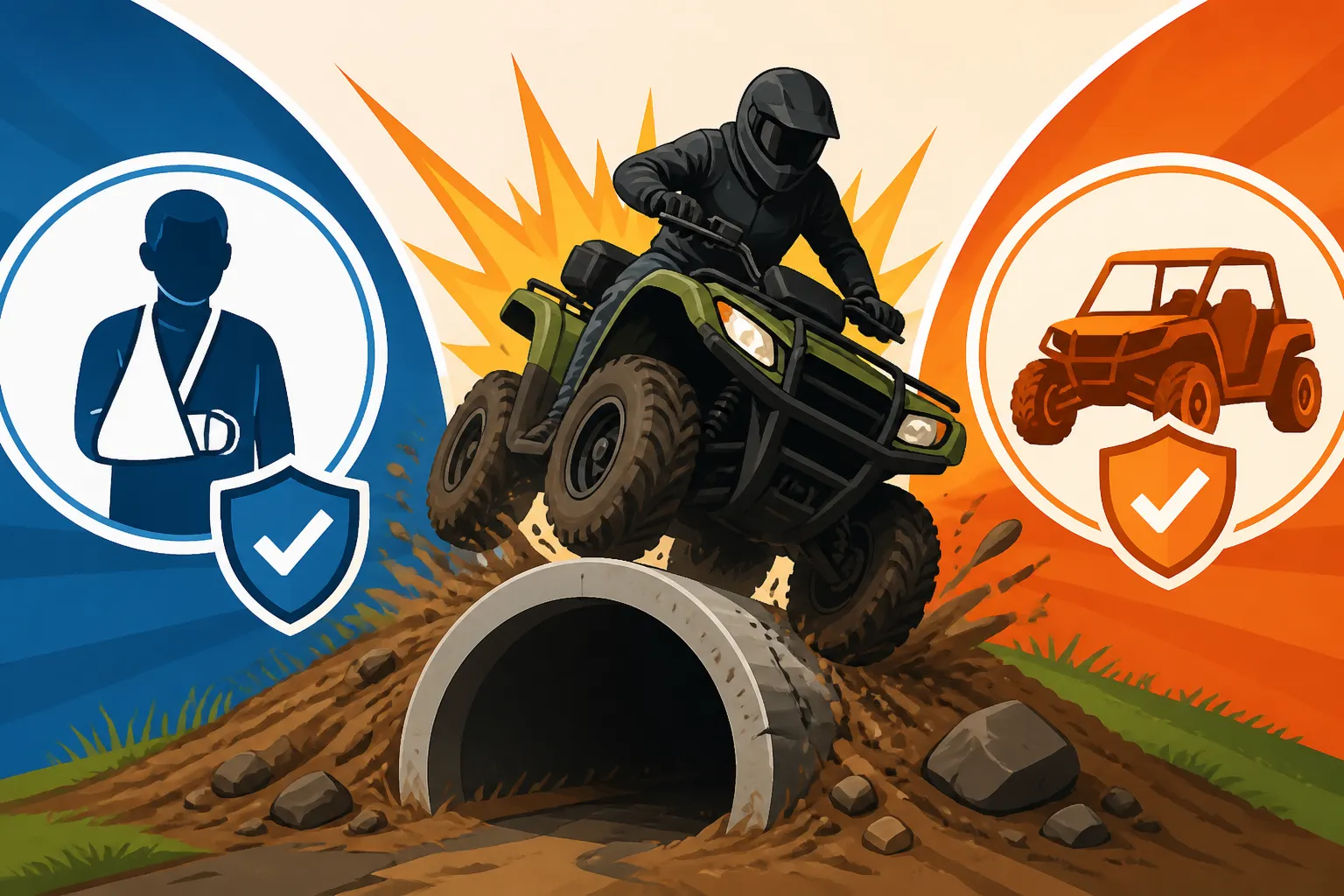
It's a moment no off-road rider ever wants to experience: you're enjoying a ride, maybe a little too focused on the scenery or the trail ahead, and then bam! You hit something unexpectedly. Often, that "something" is a culvert, a drain, or an unseen dip in the road or trail. The immediate concern is usually personal safety and the condition of your machine, but then the daunting question quickly follows: who is actually going to pay for this? This guide is here to help you unravel the complexities of liability, insurance, and responsibility when an unexpected culvert collision occurs in Illinois.
The Complex Web of Liability: Who's at Fault When a Culvert Appears?
Hitting a culvert with your ATV or UTV can be a jarring and expensive experience. Your machine could be seriously damaged, and you or your passengers might suffer injuries. Figuring out who is liable for the damages isn't always straightforward because it depends on a multitude of factors, including where you were riding, the condition of the culvert, and your actions as the operator. Illinois law, like most states, places a significant burden on the rider to operate their machine safely, but there are instances where other parties might share or bear the full responsibility.
Understanding Different Types of Culverts and Ownership
Not all culverts are created equal, and neither is their ownership or the associated responsibility. A culvert is essentially a structure that allows water to flow under a road, railway, or embankment. They can range from small, corrugated pipes to large, concrete boxes. Their location dictates who might be responsible for their maintenance and safety.
Consider a culvert that runs under a private driveway on someone's rural property. If you were riding across that private land without permission and hit that culvert, the owner would likely bear very little, if any, responsibility. You were trespassing, and the expectation is that a landowner doesn't need to make their private property perfectly safe for unauthorized users. However, if you had express permission to ride there, and the culvert was an unmarked, hidden hazard that the owner knew about but failed to disclose or mark, the situation could shift. The landowner has a certain "duty of care" to invited guests, even if that invitation is just for riding.
Now, imagine a culvert under a public road, perhaps a township road in a rural area. These are maintained by governmental entities—be it a township, county, or municipality. These entities have a legal obligation to maintain their roads in a reasonably safe condition for public use. If a culvert has collapsed, is improperly installed, is missing a cover, or is otherwise a dangerous obstruction that the entity knew about (or reasonably should have known about) and failed to address, they could be held liable. The challenge here often lies in proving negligence on the part of the government. They often have specific "notice" requirements, meaning you might have to prove they were officially informed of the hazard and failed to act. [Illinois Rules for Riding a Township Road] outlines where you might be legally riding, but even on an approved road, hazards can exist.
Rider Responsibility and the Burden of Proof
While it's easy to point fingers at a poorly maintained culvert, the rider always carries a significant burden of responsibility. The law expects a "reasonable rider" to operate their machine safely, pay attention to their surroundings, and take precautions. If you were speeding excessively, riding while impaired, or simply not paying attention, a court might find you predominantly, if not entirely, at fault for the accident, regardless of the culvert's condition.
For example, if the culvert was clearly visible, perhaps marked by signs or even just obvious due to its construction, but you simply failed to see it because you were looking at your phone or engaging in reckless behavior, then the blame likely falls squarely on you. Even if you argue the culvert was a hazard, your own negligence in operating the machine could diminish or even eliminate any claim you might have against another party. This is where evidence becomes crucial. Did you have a valid permit if required? Were you riding on an authorized route? Were you exceeding the speed limit? [Illinois Penalties for Illegal Street Riding] are a stark reminder of the legal consequences of not adhering to the rules, and these penalties can also impact liability in an accident.
It's a nuanced dance between the condition of the riding surface and the conduct of the rider. If the culvert was truly a hidden trap, obscured by tall grass, mud, or poor lighting, and you were operating your machine responsibly, your case for shared or transferred liability becomes much stronger.
Your Insurance Policy: The First Line of Defense
When an accident happens, your mind might race to potential lawsuits, but your insurance policy is almost always your first line of defense. Understanding what your ATV or UTV insurance covers, and more importantly, what it doesn't cover, is crucial long before you ever hit a culvert.
Personal ATV/UTV Insurance vs. Automobile Policies
Let's be blunt: your regular car insurance policy is almost certainly not going to cover your off-road machine if you hit a culvert. Automobile policies are designed for road-legal vehicles, typically driven on paved public roads. ATVs and UTVs, by their very nature, are often considered recreational vehicles and require specialized insurance policies.
These dedicated ATV/UTV policies often offer several key coverages:
- Collision Coverage: This is what helps pay for damage to your own ATV or UTV if it collides with another object (like a culvert), another vehicle, or even rolls over. This coverage is usually optional but highly recommended for any machine you couldn't easily replace out of pocket.
- Comprehensive Coverage: This protects your machine from damages not caused by a collision, such as theft, vandalism, fire, or striking an animal. While not directly related to hitting a culvert, it's a vital part of a complete policy.
- Liability Coverage: This is perhaps the most critical. It covers damages (both bodily injury and property damage) that you might cause to others while operating your ATV or UTV. If you hit a culvert and, as a result, your machine careens into someone else's property, or if your actions somehow cause injury to a passenger or bystander, your liability coverage would kick in. [Illinois Insurance Minimums for Street Use] apply if you're taking your UTV on public roads.
Even if you only ride on your own private property, having liability insurance is a smart move. Accidents happen, and if a friend or family member is injured while riding your machine, or if you accidentally damage their property, your liability coverage could save you from significant financial hardship. [Illinois Insurance After a Claim] can affect your premiums, but the alternative of no coverage is far worse.
When Street-Legal Insurance Kicks In (or Doesn't)
Illinois has specific rules for making certain UTVs "street-legal" in towns that allow them. If you've gone through the process of equipping your UTV with all the required safety gear – headlights, taillights, turn signals, rearview mirrors, a slow-moving vehicle emblem – and obtained any necessary local permits, then your specialized off-road vehicle insurance should cover you while riding on those approved public roads. The [Illinois Non-Highway Vehicle Equipment List] is extensive, and meeting every item is crucial for legal street operation.
However, there's a big caveat: if you're riding your UTV on a public road that hasn't been specifically authorized by a local ordinance, or if you haven't complied with all the street-legal equipment and permit requirements, then your insurance company might deny a claim. Why? Because you were operating the vehicle outside the legal parameters, effectively voiding the terms under which the policy was issued. This is true even if you have a policy that explicitly states it covers street use. The "street use" is contingent on legal street use.
Similarly, if you're riding an ATV – which is generally not street-legal in Illinois, save for very specific agricultural or emergency exceptions – on a public road and hit a culvert, your insurance might balk. The fundamental rule is that insurance typically covers legal activities. If you're riding where you shouldn't be, your coverage could be in jeopardy. Always verify with your insurance provider about the exact scope of your policy and any exclusions related to illegal operation or specific riding areas.
Navigating the Aftermath: Claims, Reporting, and Legal Steps
So, the worst has happened, and you've had a collision with a culvert. What do you do next? The steps you take immediately after the incident can significantly impact your ability to recover costs and prove your case.
Documenting the Scene and Reporting the Incident
Just like a car accident, documentation is paramount after an off-road collision. If you're able and it's safe to do so, immediately:
- Prioritize Safety: First, ensure everyone is okay. If there are injuries, call for emergency medical help. Move your machine to a safe location if possible and if it doesn't cause further damage or risk.
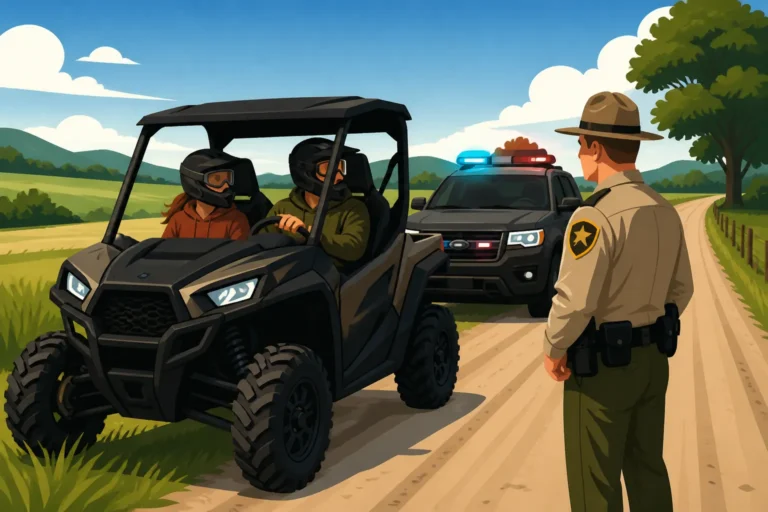
- Contact Authorities: Even if there are no apparent injuries, if there's significant damage to your machine or public property (like the culvert itself), or if you suspect foul play or negligence on someone else's part, call the local police, sheriff, or DNR. A police report creates an official record of the incident and can be invaluable for insurance claims or legal proceedings. [Illinois Accident Reporting for a UTV Crash] details what needs to be filed and when.
- Take Photos and Videos: Get as many detailed photos and videos as possible. Capture:
- The culvert from multiple angles, showing its condition, any damage, and its surroundings (vegetation, markings, lack thereof).
- Your machine's damage from all sides.
- The overall scene, including road conditions, weather, and any relevant landmarks.
- Any skid marks, debris, or other evidence.
- Gather Witness Information: If anyone saw the incident, get their names, contact information, and a brief statement of what they observed.
- Note Key Details: Write down the exact date, time, and location of the accident. Note any contributing factors you observed, like poor visibility, excessive speed (yours or others'), or road hazards.
Once you've secured the scene and gathered initial information, notify your insurance company as soon as possible. Delaying this can sometimes jeopardize your claim. Be honest and thorough in your report to them.
Dealing with Property Owners and Government Entities
If you believe the culvert's owner is partly or wholly responsible, dealing with them can be a complex endeavor.
- Private Landowners: If the culvert is on private property and you were legally there (with permission), you'll need to formally notify the owner of the incident and your intent to seek compensation. Their homeowner's insurance might come into play. However, be prepared for them to deny liability, claiming you were negligent. This is where your detailed documentation will be crucial.
- Governmental Entities: Making a claim against a township, county, or state agency for a poorly maintained culvert is often an uphill battle. Government entities frequently have "sovereign immunity," which protects them from lawsuits unless specific conditions are met or if they have waived that immunity. Illinois law typically requires you to provide written notice of your intent to sue within a relatively short period (often one year, but sometimes even less for local entities). The notice must be very specific about the nature of your claim, the injuries, and the damages. Simply contacting the local road commissioner might not suffice. [Illinois Townships and Their Authority] gives them power over roads but also places responsibility. You will almost certainly need legal counsel experienced in governmental tort claims if you pursue this route.
In either scenario, having legal counsel is highly advisable, especially if injuries are involved or if the damages are substantial. An attorney can help you understand the specific laws, navigate the claims process, and represent your interests effectively.
Preventing Culvert Collisions and Riding Safely
The best way to handle a culvert collision is to avoid it entirely. While accidents can happen to even the most careful riders, many culvert-related incidents are preventable through preparation, awareness, and proper equipment.
Pre-Ride Scouting and Awareness
Knowledge is power, especially when it comes to off-road riding. Before you even set your tires on a new trail or unfamiliar road, take some time to understand the terrain and potential hazards.
- Scout Your Route: If possible, physically inspect your planned route beforehand, or at least study maps and satellite imagery. Look for indications of drainage structures, sudden dips, or changes in terrain.
- Pay Attention While Riding: This might sound obvious, but it's easy to get distracted. Keep your eyes up and scanning the path ahead, not just the immediate ground in front of your tires. Watch for signs of culverts, such as changes in the road's shoulder, guardrails, or subtle changes in elevation.
- Be Mindful of Conditions: Night riding dramatically reduces visibility, making culverts much harder to spot. [Illinois Rules for Riding After Dark] emphasize the need for adequate lighting, but even with powerful lights, your depth perception can be compromised. Dust, heavy vegetation, snow, or mud can all obscure culverts, turning a familiar path into a minefield. Slow down in these conditions and increase your scanning range.
- Use Proper Lighting: Consider upgrading your machine's lighting. Aftermarket solutions from brands like SuperATV can significantly improve your visibility, both for yourself and for others. Brighter, wider beams can illuminate hidden hazards that stock lights might miss.
Equipment and Maintenance for Safer Riding
Your machine's condition and the gear you wear play a critical role in both preventing accidents and minimizing injury if one occurs.
- Machine Maintenance: Ensure your ATV or UTV is always in top working order. Check tire pressure before each ride – incorrect pressure can affect handling and stability, making it harder to react to sudden obstacles. Inspect your suspension for proper function and adjust it for your weight and riding style. A well-maintained machine is more predictable and safer to operate.
- Functional Lights: This cannot be stressed enough. [Illinois Headlight Requirements for an ATV] are not just suggestions; they are critical safety features. Ensure your headlights, taillights, and brake lights are clean and fully functional. If riding on public roads, your turn signals and rearview mirrors are also mandatory. Even off-road, good lighting helps you see and be seen.
- Protective Gear: Always wear appropriate safety gear, including a DOT-approved helmet, eye protection, gloves, long pants, a long-sleeved shirt, and sturdy over-the-ankle boots. This gear is your last line of defense in a collision. While SuperATV skid plates and A-arm guards can protect your machine's vital components from impacts and reduce repair costs, they won't protect you from injury. Your personal protective equipment is essential.
- Ride Within Your Limits: Understand your machine's capabilities and, more importantly, your own. Don't attempt maneuvers or ride at speeds that exceed your skill level or the conditions of the terrain.
By combining diligent pre-ride preparation, keen awareness on the trail, and proper machine maintenance and safety gear, you can significantly reduce the risk of a costly and potentially dangerous culvert collision.
Key Considerations for Illinois Culvert Incidents
When evaluating who pays for a culvert collision, it really comes down to a few core questions:
| Factor | Rider's Role | Culvert Owner's Role |
|---|---|---|
| Location | Was the rider legally allowed to be there (private property with permission, approved public road)? | Is the culvert on their property or under their jurisdiction? |
| Visibility/Marking | Was the culvert clearly visible and reasonably avoidable? Did the rider exercise due care? | Was the culvert an unmarked, hidden hazard? Did the owner know/should have known? |
| Rider Conduct | Was the rider speeding, distracted, impaired, or trespassing? | Did the owner fail to maintain the culvert or warn of known dangers? |
| Insurance | Does the rider have a valid ATV/UTV insurance policy with collision coverage? | Does the owner have liability insurance (homeowner's, commercial, governmental)? |
| Legal Compliance | Was the machine street-legal if on a public road? Were permits acquired? | Did the governmental entity follow maintenance standards and respond to notices? |
Ultimately, a culvert collision in Illinois can lead to significant financial burdens, whether it's out-of-pocket repair costs, insurance deductibles, or potentially legal fees. The best approach is always prevention through safe riding practices, but knowing your rights and responsibilities can provide a roadmap if an accident does occur.
Disclaimer
This article is for general informational purposes only and does not constitute professional advice. Laws, prices and regulations vary by location and change over time. Consult a qualified professional for guidance on your specific situation.