Bartonville’s UTV Registration in Illinois
It's a common frustration for side-by-side owners across Illinois: you've got this amazing machine, perfect for chores around the property or hitting the trails, but you can't just hop on it and drive down the street to the hardware store or visit a neighbor. Most Illinois roads are off-limits by default. This guide is here to shed light on how villages like Bartonville have stepped up to create local solutions, giving their residents the freedom to use their UTVs on approved local streets, specifically detailing Bartonville's unique registration process.
The Illinois Backdrop: Why Local Ordinances Matter for UTVs
For years, the vast majority of Illinois roads have been a no-go zone for UTVs. This wasn't because anyone necessarily disliked UTVs, but simply due to the state's overarching vehicle code that didn't classify these machines as "street legal" in the traditional sense. It left many UTV owners feeling stuck, unable to fully utilize their machines for basic errands or neighborhood travel.
The Statewide Ban and Local Control
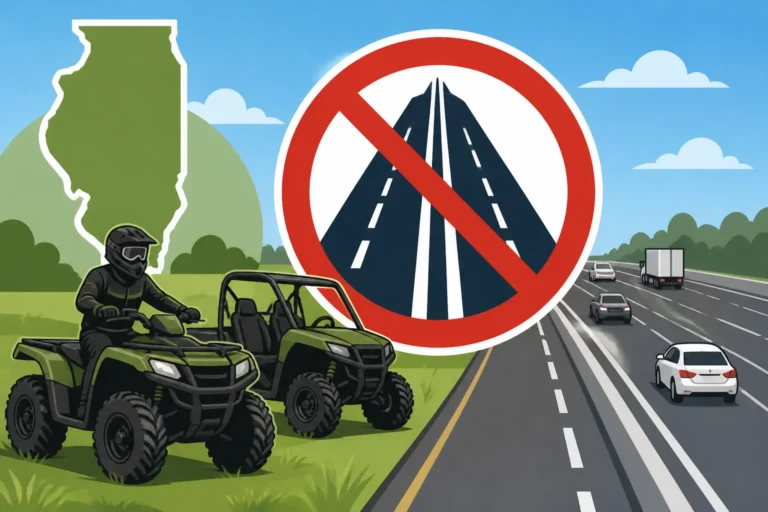
Illinois law, by its nature, generally prohibits the operation of off-highway vehicles, including UTVs, on public roads and highways. This baseline rule is crucial to understand because it means that if you're riding your UTV on a public road in Illinois, you're usually breaking the law unless there's a very specific exception. However, recognizing the practical needs of residents, especially in rural or semi-rural communities, the state legislature provided an avenue for local control. This allows individual municipalities, counties, and even townships to pass their own ordinances or resolutions to permit UTVs on certain local roads under specific conditions. It's a critical piece of legislation that puts the power in the hands of local governments, letting them decide what works best for their communities. This is why you'll see a patchwork of rules across the state, with some towns welcoming UTVs on their streets and others strictly prohibiting it. It's a true reflection of [Illinois Law Starts by Banning Street Riding].
This local discretion means that what's perfectly legal for your side-by-side in one town could land you a hefty ticket just a few miles down the road in another. It’s not just a matter of convenience; it’s about understanding the specific legal framework of where you plan to ride. Imagine living in a small town where you'd love to take your UTV to the local diner, only to find out the next town over has entirely different rules for their main street. It can be incredibly confusing and often leads to frustration for riders who just want clear, consistent guidelines.
How a Village Board Opens Up Streets
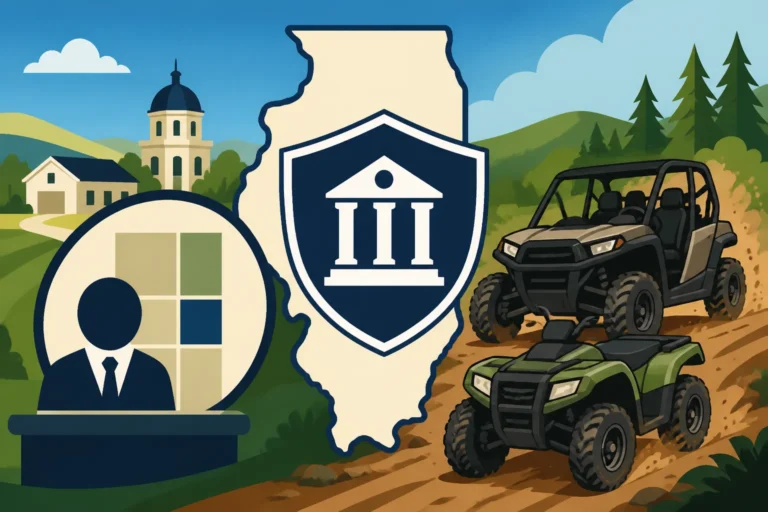
When a village board decides to allow UTVs on its streets, it’s not a snap decision. There's a formal process involved, typically starting with discussions, public hearings, and careful consideration of local traffic patterns, safety concerns, and resident input. They must craft an ordinance that aligns with state guidelines, specifying which roads are open, what equipment is required, and how UTVs will be registered and regulated within their jurisdiction. These local ordinances are usually a detailed list of rules, far beyond just saying "yes, you can ride." They often include specific speed limits, hours of operation, and requirements for insurance, all designed to ensure public safety while still granting residents the convenience they desire. [Illinois Municipalities That Pass Ordinances] often spend considerable time drafting these rules to get them just right for their community.
The decision-making process for these ordinances is often influenced by a variety of factors. A village board might hear from local farmers who want to use their UTVs to access fields efficiently, or from residents who appreciate the ease of running short errands without needing to fire up a larger vehicle. They might also consider the economic impact of allowing UTVs, as it can encourage local businesses. However, they also have to weigh concerns from other residents about noise, safety, and potential road damage. It’s a delicate balance, and each village has to find its own equilibrium. This is why when a town like Bartonville opens its streets, it's usually after a thoughtful and thorough review, resulting in a set of rules specifically tailored to their environment and community needs.
Diving Into Bartonville's UTV Ordinance
Bartonville, like many forward-thinking communities in Illinois, recognized the desire of its residents to use their UTVs more freely within village limits. They enacted their own ordinance to permit these machines on certain public roadways, provided they meet specific requirements and are properly registered. This isn't just a casual nod; it's a structured approach to integrating UTVs safely into the flow of local traffic.
What Bartonville Allows and Where
Bartonville's ordinance carefully delineates which roads are permissible for UTV use. Typically, these are streets with lower speed limits, often below 35 mph, and generally exclude major state highways or busier thoroughfares that might pass through the village. The idea is to allow UTVs on roads where they can safely coexist with other vehicles, rather than forcing them onto high-traffic routes where speed differentials could become a significant hazard. The ordinance will explicitly list these permissible roads or define them by characteristics, making it clear to residents exactly where they can and cannot ride. It's vital for any UTV owner in Bartonville to obtain a copy of the specific ordinance from the Village Hall or its website to understand the exact boundaries. Without this clarity, you might find yourself unknowingly straying into a prohibited zone.
This local permission is a game-changer for many residents. Imagine being able to take your UTV from your home directly to a friend's house a few blocks away, or even to the local park, without having to load it onto a trailer. It adds a layer of convenience and utility that simply isn't possible under the general state ban. However, it's not a free-for-all. The ordinance often specifies operating hours, meaning you might not be allowed to cruise around in the middle of the night, and it will certainly outline behavioral expectations, like adhering to all traffic laws just as if you were driving a car. These rules are in place to ensure that the privilege of street-legal UTV use enhances the community rather than creating new problems.
Who Qualifies for Registration in Bartonville
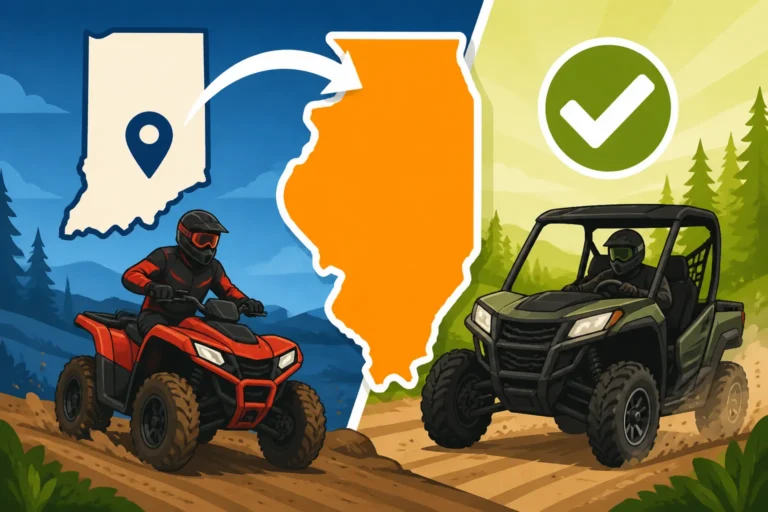
To register a UTV in Bartonville, you typically need to be a resident of the village. The intent of these local ordinances is to serve the local community, not necessarily to create a statewide network of UTV-friendly roads for visitors. So, usually, proof of residency will be a key requirement when you apply. Beyond residency, the UTV itself must meet a range of equipment specifications, which we'll delve into shortly. These aren't just suggestions; they are mandatory safety features designed to make your UTV as visible and controllable as a traditional vehicle when sharing the road. This often means your machine will need working headlights, taillights, turn signals, and a rearview mirror, among other things.
Furthermore, the operator of the UTV will also have requirements. Most ordinances stipulate that the driver must possess a valid driver's license. This ensures that anyone operating a UTV on public roads has already demonstrated a basic understanding of traffic laws and safe driving practices. There are often age restrictions as well, preventing minors from operating these machines on public streets, even if they are allowed to ride them on private property or designated trails. It’s all about creating a safe environment for everyone on the road. For instance, [Illinois Requires a Driver's License] for operating UTVs on public streets where permitted, underscoring the seriousness of this privilege. Without meeting all these criteria – residency, a properly equipped UTV, and a licensed operator – your application for registration in Bartonville is unlikely to be approved.
Equipping Your UTV for Bartonville Street Use
Getting your UTV registered in Bartonville isn't just about filling out forms; it's also about making sure your machine is up to snuff in terms of safety equipment. The village wants to ensure that any UTV sharing its roads is as visible and predictable as any other vehicle. This often means adding or upgrading certain components to meet the requirements of the local ordinance.
Mandatory Safety Equipment for Street Legality
Bartonville's ordinance, like most others that permit UTV street use, will have a specific list of mandatory equipment your UTV must possess. This isn't just about personal safety; it's about the safety of everyone else on the road. Typically, this list includes:
- Headlights and Taillights: These must be in good working order and visible from specific distances, ensuring your UTV can be seen day and night. The ordinance often specifies visibility requirements, such as a headlight visible from 500 feet and a red tail lamp visible from 100 feet.
- Brake Lights: Essential for signaling when you're slowing down or stopping, preventing rear-end collisions.
- Turn Signals: Required on both the front and rear of your UTV, allowing you to clearly indicate your intentions when turning or changing lanes. Many UTVs don't come with these from the factory, so you might need an aftermarket kit. Companies like SuperATV offer robust kits designed for easy installation and durability. [Illinois Requires Turn Signals] when street legal.
- Rearview Mirror: A functioning rearview mirror is crucial for monitoring traffic behind you. Some ordinances might even specify two mirrors, often one on each side. [Illinois Requires a Rearview Mirror] for this purpose.
- Horn: A working horn is necessary for alerting other drivers or pedestrians to your presence.
- Roll-Over Protective Structure (ROPS) or Seatbelts: Most UTVs come with these from the factory, but they must be in good condition and used by all occupants.
- Fenders/Mudguards: To prevent mud, rocks, and debris from being thrown up by your tires, which can be a hazard for other vehicles and pedestrians.
- Slow-Moving Vehicle (SMV) Emblem: Since UTVs typically operate at lower speeds than cars, an orange SMV triangle emblem mounted on the rear is often required to warn faster traffic.
- Windshield: Some ordinances may require a windshield to protect the operator and passengers from debris.
- Tires: Tires must be DOT-approved, meaning they are rated for street use, not just off-road terrain.
Before you even think about heading to Village Hall, give your UTV a thorough once-over, checking every light, signal, and accessory. It’s not uncommon for UTV owners to need to invest in a few aftermarket parts to get their machines up to the required standard. For example, a quality turn signal kit or an upgraded rearview mirror from a reputable brand like SuperATV can make all the difference in passing inspection and ensuring safety.
Essential Documents and Proof of Ownership
Beyond the physical condition of your UTV, you'll need to gather a specific set of documents to prove ownership, demonstrate financial responsibility, and confirm your identity and residency. This paperwork is just as critical as the equipment list. Expect to provide:
- Certificate of Title: This proves legal ownership of your UTV. If you've financed your machine, the title might have a lienholder listed. Ensure you have the original or a certified copy.
- Proof of Insurance: Bartonville will require proof of liability insurance coverage. This is non-negotiable, as it protects you and others in the event of an accident. The coverage minimums are often similar to those required for automobiles. [Illinois Insurance Minimums for Street Use] often match the 25/50/20 requirements.
- Valid Driver's License: As the operator, you'll need to show your current, valid driver's license.
- Proof of Residency: Utility bills, a lease agreement, or a property tax statement can serve as proof that you live within Bartonville village limits.
- Bill of Sale or Registration from another state (if applicable): If you recently purchased your UTV or moved to Illinois, you'll need documents to show its history.
Having all these documents organized and readily accessible will make the registration process much smoother. It's a good idea to create a folder specifically for your UTV's paperwork, not just for registration but for carrying with you when you ride. That way, if a village officer ever asks to see your credentials, you'll have everything at hand. Remember, missing even one document can delay your ability to get your UTV registered and on the road.
The Bartonville UTV Registration Journey
So, you've got your UTV properly equipped, and all your paperwork is in order. Now comes the exciting part: officially registering your machine with the Village of Bartonville. This process is designed to be straightforward, but it requires attention to detail.
Applying for Your UTV Permit at Village Hall
The first step in getting your UTV street-legal in Bartonville is usually a visit to Village Hall. This is where you'll obtain the official application form for a UTV permit or registration. Don't be shy about asking questions when you're there; the staff are typically well-versed in the local ordinances and can clarify any doubts you might have. The application form will ask for details about your UTV, such as its make, model, VIN, and engine size, as well as your personal information and proof of insurance. It's essentially a declaration that your machine and you meet all the necessary criteria.
When you go, make sure you bring all your supporting documents: your driver's license, proof of insurance, the UTV's title, and proof of Bartonville residency. Being prepared means you won't have to make multiple trips. Filling out the form completely and accurately is important, as any missing information could cause delays. There will also likely be a fee associated with the registration, which helps cover the administrative costs of the program and possibly enforcement efforts. While specific figures aren't available, most towns charge a reasonable annual or multi-year fee for these permits, as detailed in [Illinois Permit Fees Set by a Town]. Think of it as your official pass to ride legally within the village.
The Inspection Process and What to Expect
After you submit your application and fees, the next crucial step is often an inspection of your UTV. This inspection is usually conducted by a designated village official, perhaps from the police department or public works, who will verify that your UTV meets all the equipment requirements outlined in the ordinance. This is why it's so important to have already installed and tested all the mandatory safety gear. They'll be checking for:
- Working Headlights, Taillights, and Brake Lights: They'll turn them on and off to ensure they illuminate correctly.
- Functional Turn Signals: They'll verify both front and rear signals are working.
- Properly Mounted Rearview Mirror(s): Ensuring you have adequate visibility to the rear.
- Operational Horn: A quick honk will confirm it works.
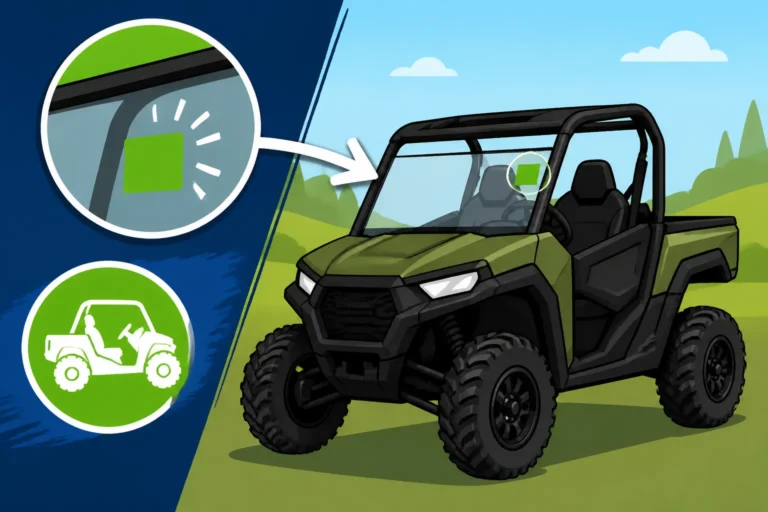
- SMV Emblem: Confirming it's present and correctly affixed to the rear.
- DOT-Approved Tires: The inspector might check for the "DOT" marking on your tires.
- Seatbelts and ROPS: Checking for any damage or tampering.
- General Machine Condition: While not typically a deep mechanical inspection, they’ll want to see that the UTV is in safe operating condition.
This inspection isn't meant to be a roadblock; it's a critical safety measure. It ensures that every UTV operating on Bartonville's streets is equipped to minimize risk. If your UTV fails any part of the inspection, you'll likely be given a chance to correct the deficiencies and reschedule. Once your UTV passes, you'll typically receive your official permit or sticker to display on your machine. This sticker acts as visual proof that your UTV is registered and compliant with Bartonville's rules. This process is similar to [The Inspection a Village Runs Before Issuing a Permit] in other municipalities, making sure all machines are road-ready.
Keeping Your Bartonville UTV Street Legal
Getting that initial registration is a great feeling, but the journey doesn't end there. To continue enjoying the privilege of riding your UTV on Bartonville's streets, you need to stay on top of renewals and ongoing compliance. Ignoring these can quickly turn a legal cruise into a costly citation.
Understanding Renewal Cycles and Fees
Bartonville's UTV registration isn't a one-and-done deal; it's typically an annual or biennial permit. This means you'll need to renew your registration periodically to keep your street-legal status. The village ordinance will specify the renewal period and the associated fees. It's smart to mark your calendar or set a reminder for the renewal date so you don't accidentally let your permit lapse. Often, renewal involves a simpler process than the initial registration, perhaps just an updated application and fee, assuming no major changes to your UTV or insurance. However, always be prepared to show updated proof of insurance and a valid driver's license.
These renewal fees, while a small annual expense, are essential for the village to maintain the program. They help cover administrative costs, potentially fund road maintenance efforts, or even contribute to local law enforcement resources dedicated to ensuring UTV safety. Forgetting to renew can lead to your UTV being considered unregistered, which could result in fines if you're caught operating it on public streets. It’s always best to be proactive rather than reactive when it comes to keeping your permits current. For comparison, you might also have to factor in the cost of an [Illinois OHV Usage Stamp Cost] if you also plan to ride on state-run grant sites.
Adhering to Ongoing Rules and Regulations
Once your UTV is registered, the responsibility shifts to you, the operator, to consistently adhere to all the rules and regulations outlined in Bartonville's ordinance. This isn't just about the equipment on your machine, but also how you operate it. This includes, but isn't limited to:
- Obeying all traffic laws: This means stop signs, speed limits, right-of-way rules, and all other regulations that apply to cars. Don't assume that because you're on a UTV, traffic laws don't fully apply.
- Staying on approved roads: Only ride on the streets specifically designated by the ordinance. Venturing onto state highways or other prohibited areas could result in significant penalties.
- Operating within specified hours: If the ordinance limits UTV operation to certain times of day, you must respect those hours.
- No reckless driving: The village expects responsible operation. Speeding, stunt riding, or any behavior that endangers others will not be tolerated and can lead to revocation of your permit and fines, such as those covered by [Illinois Penalties for Illegal Street Riding].
- Maintaining required equipment: All the safety equipment that got you registered in the first place must remain in good working order. Regularly check your lights, signals, and mirrors. If something breaks, get it fixed before you ride on public roads again.
- Carrying proof of registration and insurance: Always have your UTV permit, proof of insurance, and driver's license with you when operating your UTV on village streets. If you're pulled over, these are the first things an officer will ask for.
Think of your Bartonville UTV permit as a privilege, not an inherent right. The village board has granted this access with the expectation that riders will be responsible and considerate. Maintaining good standing helps ensure the program continues for everyone.
Making the Most of Your Street-Legal UTV in Bartonville
With your UTV legally registered and equipped, you're ready to enjoy the unique freedom it offers in Bartonville. But beyond just driving, there's an art to being a good community member and making the most of this opportunity.
Responsible Riding and Community Engagement
Being a responsible UTV rider in Bartonville means more than just following the rules; it's about being a good neighbor. This includes:
- Noise Awareness: UTVs, especially those with modified exhausts, can be loud. Be mindful of residential areas, especially during quiet hours, and avoid revving your engine unnecessarily. A polite nod or wave to pedestrians and other drivers goes a long way.
- Dust Control: If you're riding on gravel roads within the village, be conscious of kicking up excessive dust, particularly near homes. Slowing down can help.
- Respecting Property: Stick to the public roadways and do not trespass onto private property or unmarked areas. This builds trust within the community.
- Leading by Example: Your actions reflect on the entire UTV riding community. By riding courteously and safely, you help reinforce the positive aspects of the village's ordinance. If everyone rides responsibly, it makes it easier for villages to continue offering these privileges.
- Community Involvement: Consider attending village board meetings if UTV issues are on the agenda. Positive engagement can help shape future policies and advocate for rider interests. Sharing your positive experiences can also be helpful.
By embracing these principles, you contribute to a harmonious environment where UTVs are seen as a welcome addition to village life, rather than a nuisance. This ensures the longevity and success of such ordinances.
Planning Your Routes and Staying Informed
While Bartonville has opened its streets to UTVs, it's crucial to plan your routes strategically. Not all roads are open, and understanding the village's boundaries and specific regulations will prevent accidental infractions.
- Study the Ordinance: Keep a copy of Bartonville's UTV ordinance handy (perhaps saved on your phone) and familiarize yourself with the specific roads that are permissible for UTV use. Some ordinances even include a map.
- Mind the Speed Limits: Always adhere to posted speed limits. Remember that UTVs often have different handling characteristics than cars, especially at higher speeds or when braking quickly.
- Be Aware of Traffic: Even on quiet village streets, be vigilant for other vehicles, cyclists, and pedestrians. UTVs are smaller and less visible than cars, so defensive driving is key.
- Weather Conditions: Exercise caution when riding in adverse weather, such as heavy rain, snow, or ice, as traction and visibility can be significantly reduced.
- Stay Updated: Village ordinances can change. Keep an eye on local news, the village's website, or official announcements for any updates or amendments to the UTV rules. What might be allowed today could be restricted tomorrow, or vice versa. [Illinois Rules for Riding a Village Street] are dynamic.
By being informed and planning ahead, you can enjoy the full benefits of your street-legal UTV in Bartonville safely and responsibly. This means more convenient trips around town and more opportunities to connect with your community, all from the seat of your favorite machine. You might even find yourself equipping your UTV with handy accessories from SuperATV, like a cargo box for errands or an improved sound system for cruising, making your rides even more enjoyable.
Disclaimer
This article is for general informational purposes only and does not constitute professional advice. Laws, prices and regulations vary by location and change over time. Consult a qualified professional for guidance on your specific situation.