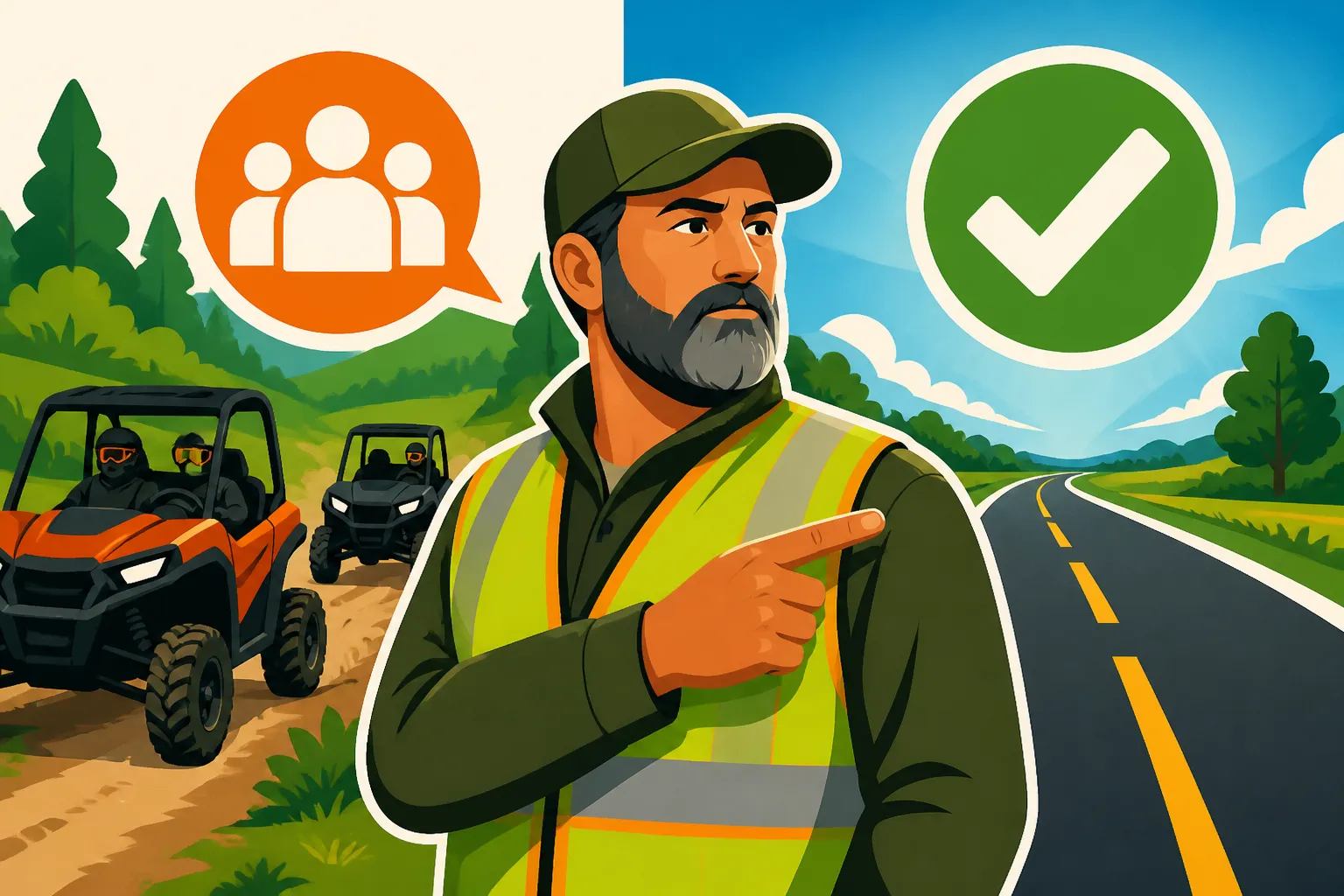
Why the Township Road Commissioner Has a Say
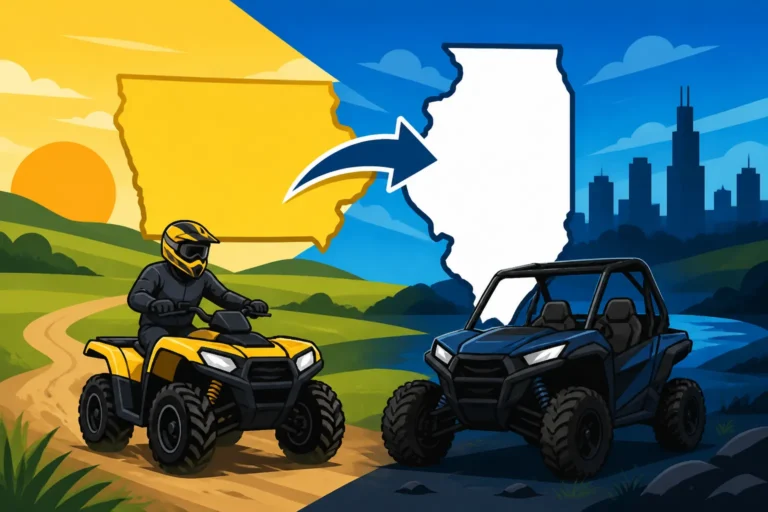
You've just moved to a charming, quiet corner of Illinois, perhaps a township with more gravel roads than paved ones, and you're dreaming of using your trusty UTV to run errands or visit neighbors. You’ve heard whispers that some towns are allowing them on local streets, and you think, “Why not here?” But then you hit a wall of bureaucracy, perhaps finding out that while the village next door allows UTVs, your township doesn't, or that the process to get approval seems stalled. This guide is here to shed light on a crucial player in that process: the township road commissioner, and why their input can make or break your ability to legally ride your off-highway vehicle (OHV) on local roads.
Illinois's Baseline Ban on Off-Highway Vehicles on Public Roads
Let’s be honest, the state of Illinois isn’t exactly throwing out the welcome mat for ATVs and UTVs on public roads right off the bat. The general rule, the one that governs everything from your quiet subdivision street to a bustling state highway, is a resounding "no" to OHVs on public thoroughfares. This isn't just a suggestion; it’s enshrined in state law. The legislature wisely recognized that these machines, designed primarily for off-pavement use, pose unique challenges when introduced into traffic patterns with cars, trucks, and even pedestrians.
Think about it: OHVs typically lack the same safety features as street-legal vehicles – they don't always have turn signals, brake lights might be less robust, and their handling characteristics are entirely different. Plus, they're often louder and kick up more dust. The intent behind the statewide ban was to protect riders and other motorists alike, preventing situations where an ATV, zipping along a county road, might collide with a sedan that simply wasn't expecting it. This baseline prohibition sets the stage for all local ordinances; it means that no municipality or township can simply assume OHVs are allowed. Instead, they must proactively opt-in through a specific, formal process. You can learn more about the starting point in [Illinois Law Starts by Banning Street Riding].
This "opt-in" mechanism is key. It places the burden squarely on local governments to assess the unique conditions of their roads, their traffic, and their community’s needs before opening the door to OHVs. It's not a matter of whether the state allows them to ride, but whether the state allows local governments to make exceptions to the general ban. This distinction is crucial because it empowers local officials, including our township road commissioner, to have a very direct and often decisive voice in the matter. They’re essentially given the power to draw their own map of where these machines can and cannot go, within the boundaries of state law.
The Role of Township Governments in Road Access
Now, let's talk about townships. If you’re not from Illinois, you might not be entirely familiar with this layer of local government, but here in the Prairie State, townships are a fundamental part of our rural and suburban landscape. They’re like miniature county governments, often responsible for maintaining roads, providing general assistance, and even managing cemeteries within their specific geographic boundaries. Unlike cities or villages, which have mayors and councils, townships are typically governed by a board of trustees and have a supervisor.
When it comes to roads, townships have significant, direct authority over the network of roads that crisscross their areas. These are often the quieter, less-trafficked routes – gravel roads leading to farms, country lanes connecting small housing developments, and backroads perfect for a leisurely cruise on a UTV. This network is distinct from county highways or state routes, which fall under different jurisdictions. The responsibility for these local roads means townships are on the hook for everything from snow removal in winter to pothole repair in spring, ditch maintenance, and ensuring proper signage year-round. You can get a deeper understanding of their powers in [Illinois Townships and Their Authority].
And that’s where the Township Road Commissioner steps in. This isn’t just some ceremonial title; it’s a hands-on, vital role. The road commissioner is, quite literally, the person in charge of all things related to the township’s roads. They oversee the budget for road maintenance, manage crews, purchase equipment, and make daily decisions about what needs fixing, what roads need grading, and how to best utilize resources. They are the expert on the ground, intimately familiar with every culvert, every blind curve, and every stretch of gravel that falls under the township’s purview. Their knowledge is extensive, often gained over years, sometimes decades, of dedicated service to their community. So, when the question of allowing UTVs on township roads arises, their perspective isn't just important—it's foundational. They’re the one who knows whether a specific stretch of road can handle the additional traffic, or if it presents unforeseen safety hazards.
Why the Road Commissioner's Input is Crucial for UTV Ordinances
When a township board considers allowing UTVs on its roads, the road commissioner's perspective isn't just another voice; it's often the most informed and practical one. They're not looking at it from a recreational standpoint, but from a perspective of safety, durability, and cost-effectiveness for the local taxpayers.
Safety and Infrastructure Concerns
The road commissioner knows the roads like the back of their hand. They know which roads are barely wide enough for two cars to pass, let alone adding an ATV or UTV into the mix. They understand the nuances of the terrain – the dips that collect water, the sharp curves hidden by overgrown trees, or the stretches of gravel that notoriously develop washboards. For instance, a commissioner might be acutely aware of a particular gravel road that borders a steep embankment or has poor sight lines due to thick brush. Introducing UTVs, especially those not equipped with street-legal accessories like proper mirrors or turn signals, could drastically increase the risk of accidents.
They'll also consider the potential for increased dust, especially on unpaved roads. More vehicle traffic, including UTVs, means more dust clouds, which can reduce visibility for all drivers and create nuisances for residents living along those roads. If you’ve ever been stuck behind a vehicle on a dry gravel road, you know exactly what I mean. Imagine that, but with the added unpredictability of smaller, more agile machines. The commissioner's team is responsible for managing that dust, perhaps through watering or adding treatments, which all comes at a cost. The road commissioner will often highlight these kinds of issues to the township board, emphasizing how new traffic patterns will impact both safety and the overall quality of life for the community. This often includes concerns about [Dust on a Gravel Township Road] and the challenges of [Meeting a Grain Truck on a Narrow Township Road].
Practical Road Management and Maintenance
Beyond safety, there’s the sheer practical aspect of road management. Township roads are often built and maintained to specific standards for typical vehicle traffic. While a UTV may be lighter than a full-size pickup, increased UTV traffic, especially if machines are ridden aggressively, can still contribute to wear and tear. Imagine a busy weekend with dozens of UTVs using a particular gravel route. Over time, that concentrated traffic could lead to faster degradation of the road surface, deeper ruts, or more frequent washboarding, requiring more frequent grading and material replacement. This directly impacts the commissioner’s budget and workload.
The commissioner is also the one who has to address complaints about damaged roads or increased maintenance needs. If allowing UTVs means their crews have to spend more time grading or filling potholes, that’s less time they have for other essential road projects. They might also consider the types of UTVs being used; for instance, some heavy-duty UTVs, perhaps with advanced suspension and a robust roll cage from a brand like SuperATV, might handle rough terrain well, but their impact on less-robust township roads could still be a concern from a maintenance standpoint. Their job is to ensure the longevity and usability of the road network for all residents, and any decision that increases maintenance burdens or costs without a clear benefit will likely be met with caution.
Local Community Impact and Stakeholder Balance
Lastly, the road commissioner is often deeply embedded in the local community. They hear directly from farmers whose machinery shares the roads, from residents who value the peace and quiet of rural living, and from others who might see UTV access as a welcome recreational opportunity. They understand the delicate balance between different community interests.
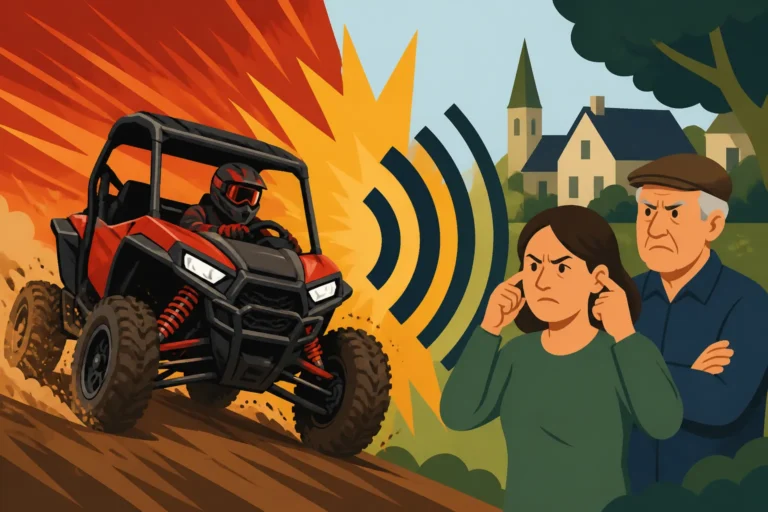
For example, a farmer might rely on a specific township road to move heavy equipment between fields. Introducing UTV traffic, especially if it's new and unpredictable, could create additional stress or safety concerns for these agricultural operations. Conversely, other residents might be clamoring for UTV access, seeing it as a way to enjoy their property and connect with neighbors. The commissioner's input helps the township board navigate these competing interests. They can provide a realistic assessment of how allowing UTVs might impact everything from noise levels to property values, drawing on their unique understanding of the local landscape and its inhabitants. They are often the first to hear about concerns from [Neighbors Who Complain to a Board], and they have to factor that into their recommendations.
How a Township Ordinance Gets Passed (or Stalled)
The path to getting UTVs legally on township roads is rarely a straight shot. It involves a process, often lengthy, where the road commissioner's expertise and recommendations are paramount.
The Proposal and Review Process
It usually starts with a proposal. This might come from a group of enthusiastic UTV owners, a township board member who sees the recreational or practical benefits, or even a local business. Once a proposal is on the table, the township board, similar to [How a Village Board Votes to Allow UTVs], will begin its review. This isn't just a casual discussion; it's a formal process that requires careful consideration of various factors, including legal implications, public safety, and, crucially, road infrastructure.
At this stage, the road commissioner is immediately brought into the fold. They'll be asked to assess the feasibility of the proposal. Can the existing roads handle the traffic? Are there specific sections that pose unacceptable risks? What equipment might be required for UTVs to operate safely, such as proper lighting or mirrors? Many riders might already have modifications like a rearview mirror or proper turn signals, often sourced from accessory providers like SuperATV, but the township needs to decide what minimum standards to set. The commissioner's initial assessment will heavily influence whether the board decides to move forward with drafting an actual ordinance or if they determine it's simply not practical for their specific township.
Public Hearings and Commissioner's Testimony
If the board decides to proceed, the next critical step is often public hearings. This is where residents get to voice their opinions, both for and against the proposed ordinance. During these hearings, the road commissioner's testimony is incredibly influential. They're the one who can speak with authority about the condition of the roads, the potential for increased maintenance costs, and any specific safety hazards they've identified.
Imagine a scenario: A resident passionately argues for UTV access, citing convenience and recreation. Then, the road commissioner steps up, presenting data on annual road grading costs, explaining how specific road segments are narrow and have poor sightlines, or detailing the challenges of dust control on gravel surfaces. Their expert opinion, grounded in years of practical experience and intimate knowledge of the township's infrastructure, carries significant weight. They might also suggest specific restrictions or requirements, such as limiting UTV use to certain hours, prohibiting it on high-traffic roads, or mandating specific safety equipment that goes beyond the basic state requirements.
Ongoing Oversight and Amendments
Even after a UTV ordinance is successfully passed, the road commissioner's role doesn't end there. They continue to advise the township board on its implementation, enforcement, and any issues that arise. If, for example, there's a surge in accidents, an increase in noise complaints, or an unexpected rise in road repair costs directly attributable to UTV traffic, the commissioner will be the first to report these findings to the board.
This ongoing oversight is vital. It means that an ordinance isn't set in stone; it can be amended or even repealed if it proves to be problematic. Just as a village might decide to change its rules or even revert to a ban, as detailed in [When a Village Repeals the Ordinance It Passed], a township can do the same. The road commissioner's continuous feedback, based on real-world observations and data, ensures that the township board can make informed decisions to adjust the ordinance as needed, maintaining that delicate balance between recreational access and community well-being. This might involve recommending modifications to the ordinance, such as stricter equipment requirements for UTVs or more defined hours of operation.
Here’s a quick overview of why the Township Road Commissioner is so important:
| Aspect of UTV Access | Road Commissioner's Role & Influence |
|---|---|
| Initial Feasibility | Assesses if roads can safely accommodate UTVs, identifying bottlenecks or hazards. |
| Road Maintenance | Details potential wear and tear on roads, estimating increased grading or repair costs. |
| Safety Concerns | Highlights specific dangers like blind curves, narrow passages, or dust on gravel roads. |
| Community Impact | Explains how UTV use might affect residents, farmers, and other road users. |
| Ordinance Drafting | Provides technical input on speed limits, specific road exclusions, or equipment requirements (e.g., proper lighting, mirrors like those offered by SuperATV). |
| Public Hearings | Offers expert testimony, presenting data and practical concerns to the board and public. |
| Ongoing Oversight | Monitors the impact of UTVs post-ordinance, recommending amendments or policy changes based on real-world outcomes. |
| Budgetary Impact | Calculates the financial implications of UTV access on road maintenance budgets. |
The township road commissioner is far more than just a figurehead; they are the eyes and ears, the hands and feet, of the township’s road network. Their extensive knowledge, practical experience, and direct responsibility for maintaining roads make their input indispensable when a community considers opening its roads to UTVs. So, the next time you wonder why getting your UTV on local roads is so complicated, remember the commissioner – they’re likely advocating for the safety and sustainability of the very roads you hope to ride.
Disclaimer
This article is for general informational purposes only and does not constitute professional advice. Laws, prices and regulations vary by location and change over time. Consult a qualified professional for guidance on your specific situation.