Illinois Stamps on the Forward Half
It can be incredibly frustrating to navigate the seemingly endless rules and regulations for enjoying your ATV or UTV in Illinois, especially when it comes to understanding where to put all those mandatory stickers. Many riders find themselves scratching their heads, wondering if they've placed their Illinois OHV Usage Stamp in the right spot, only to later face questions from conservation officers or park staff. This guide is here to clear up the confusion, explaining precisely what the "forward half" placement rule means for your usage stamp and why getting it right is crucial for a hassle-free riding experience.
Understanding the Illinois OHV Usage Stamp
Let's start by clarifying what this little sticker is all about. The Illinois OHV Usage Stamp is a critical piece of identification for your off-highway vehicle if you plan on riding on any state-owned or state-managed lands, or any lands that receive state grant assistance for trail development and maintenance. It's essentially your ticket to these designated riding areas, showing that you've contributed to the upkeep and expansion of the trails we all love to use. Without it, you could be turned away from the gate or even ticketed out on the trail.
The funds collected from the sale of these stamps go directly back into the OHV program within the state. This means your purchase helps maintain existing trails, fund new trail development, improve signage, and even support enforcement efforts to keep trails safe and enjoyable for everyone. It's not just a revenue grab; it's a direct investment in the future of off-road riding in Illinois. Think of it as your small but mighty contribution to the riding community.
What is the Usage Stamp and Its Purpose?
The [Illinois OHV Usage Stamp Explained] is more than just a sticker; it's proof that you're playing by the rules and supporting the state's OHV initiatives. Its primary purpose is to identify machines that are authorized to use state-funded or grant-assisted trails. When you arrive at a site like Sahara Woods or another grant-assisted park, staff or conservation officers will be looking for this stamp. It's a quick visual check that confirms your machine meets one of the basic requirements for entry and use.
Beyond identification, the stamp serves a vital financial role. The money generated from stamp sales helps cover the costs associated with maintaining and developing OHV riding opportunities across Illinois. This can include everything from trail grooming and bridge repairs to environmental impact studies and educational programs for riders. Without these funds, many of the trails we enjoy simply wouldn't exist or wouldn't be as well-maintained. It's a fundamental part of the state's approach to sustainable off-road recreation.
Who Needs to Display a Usage Stamp?
Generally, if you're riding an ATV, UTV, or dirt bike on any public land in Illinois that is designated for OHV use, you need to display a current usage stamp. This applies to both residents and non-residents. However, there are a few important [Illinois Usage Stamp Exemptions]. For instance, if you only ever ride your machine on private property that you own or have explicit permission to use, and never venture onto public trails, you typically won't need the usage stamp. Similarly, machines used exclusively for farm work on agricultural land are often exempt from this requirement.
It's crucial to understand these distinctions because mistakenly assuming an exemption can lead to penalties. The rule of thumb is: if there's any chance you'll be riding on a public or grant-assisted trail, get the stamp. It’s far better to be safe than sorry. Even if you only ride infrequently, the annual cost of the stamp is a small price to pay for compliance and peace of mind.
Where the Usage Stamp Allows You to Ride
The Illinois OHV Usage Stamp specifically authorizes your machine for use on public lands and grant-assisted riding areas. This includes sites like the state's only dedicated OHV park, Sahara Woods, and other locations that have received state grants to develop and maintain their OHV trails. These are the places where conservation officers and park rangers will actively be looking for that stamp on your machine.
It's important to clarify that the usage stamp does not grant you access to all public lands. For example, large portions of national forests or state parks might not have designated motorized trails, and your stamp won't change those restrictions. The stamp is tied to the specific program that funds OHV trails, so it's only valid where those funds are actively put to use. Always check with the specific riding area you plan to visit to confirm their requirements, as some private parks might have their own permit systems in addition to state requirements. Remember, the usage stamp is just one piece of the puzzle, albeit a very important one for accessing designated public OHV trails.
The Critical "Forward Half" Placement Rule
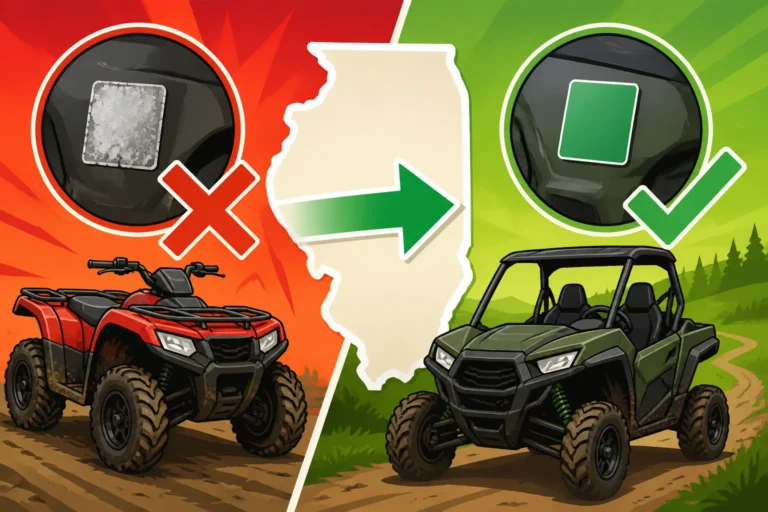
Now, let's get to the heart of the matter: where exactly does this sticker go? The Illinois Department of Natural Resources (DNR) specifies that the OHV Usage Stamp must be conspicuously displayed on the "forward half" of the machine. This isn't just a suggestion; it's a rule designed to make it easy for enforcement officers to visually confirm your compliance without having to ask you to stop or dismount your machine. Getting this placement wrong can be just as problematic as not having a stamp at all.
This rule emphasizes visibility and accessibility. When a conservation officer or park staff member approaches your machine, whether it's parked at the trailhead or moving slowly on a trail, they should be able to spot that stamp clearly and quickly. It avoids unnecessary delays and ensures that everyone can verify compliance efficiently. A stamp hidden under a seat, tucked away in a glove box, or obscured by mud isn't meeting the spirit or the letter of the law.
Decoding "Forward Half": What Does It Mean for Your Machine?
"Forward half" can sound a bit vague, but for most ATVs, UTVs, and dirt bikes, it translates to areas like the front fender, the handlebars, the front of the frame, or the front forks. The key is that it needs to be visible from the front or front-side of the machine. For an ATV, a common and compliant spot is on the upper part of the front fender, in a clear, flat area. On a side-by-side (UTV), the front hood, a visible part of the dash, or the front fairing are good candidates. For a dirt bike, often the front fender or the fork guards are used.
The goal is to choose a spot that is unlikely to be covered by mud, clothing, or accessories during typical riding conditions. Imagine an officer walking towards your parked machine: can they see the stamp clearly without needing to bend down, open a compartment, or move anything? If the answer is yes, you're likely in a good spot. Remember, the specific location may vary slightly depending on your machine's make and model, but the principle of clear, forward visibility remains paramount. You can find more specific guidance on [Where the Usage Stamp Goes on Your Machine].
Ensuring Maximum Visibility and Legibility
Once you've identified the perfect "forward half" spot, the next step is to ensure the stamp is applied correctly for maximum visibility and legibility. First, clean the surface thoroughly where the stamp will be applied. Any dirt, grease, or residue will prevent the adhesive from sticking properly, leading to peeling or loss. Use rubbing alcohol or a good degreaser to prepare the area, then let it dry completely.
When applying, press firmly from one side to the other, smoothing out any air bubbles to ensure a flat, secure attachment. A well-applied stamp is less likely to peel or get damaged by water and mud. Consider the material of your machine's body panels – plastics can flex, so choose a flatter, more rigid section if possible. If you ride frequently in muddy conditions, you might even consider a clear protective layer over the stamp (though check local regulations to ensure this doesn't obscure any required information). The goal is for the stamp to remain fully intact and readable throughout the riding season, ensuring its validity when checked.
Why This Specific Placement Matters to Enforcement
The "forward half" rule isn't arbitrary; it's a practical measure for law enforcement and park staff. Conservation officers, who are responsible for enforcing OHV regulations in Illinois, need to be able to quickly verify compliance without causing unnecessary delays or safety risks. If every rider had their stamp in a different, obscure location, it would make inspections much more time-consuming and difficult.
This standardized placement allows officers to conduct visual checks efficiently, whether they are observing machines entering a park, patrolling trails, or doing a spot check at a staging area. A clear, visible stamp on the forward half of your machine signals immediately that you understand and adhere to the regulations. It helps streamline the enforcement process, allowing officers to focus on more serious infractions, and makes your interaction with them quicker and smoother. Conversely, a missing or improperly placed stamp raises immediate red flags, leading to further questioning and potential penalties. [What a Conservation Officer Can Ask to See] often includes checking for this stamp.
Common Mistakes and How to Avoid Them
It's easy to make a mistake when dealing with stickers and regulations, especially if you're a new rider or coming from another state with different rules. Many riders innocently place their Illinois OHV Usage Stamp in a spot they think is correct, only to find out later that it violates the "forward half" rule or gets damaged. Being aware of these common pitfalls can save you a lot of hassle and potential fines.
A little proactive thinking and careful application can go a long way. Before you stick that stamp, take a moment to consider where it will be most visible, least prone to damage, and fully compliant with the "forward half" requirement. Don't rush the process, and when in doubt, refer back to the official guidelines or ask an experienced rider.
Misplacing the Stamp: Front Fender, Forks, or Frame?
One of the most frequent mistakes is choosing a spot that isn't truly on the "forward half" or isn't sufficiently visible. Some riders might place the stamp too far back on the fuel tank, on a side panel, or even under the seat, thinking it's still accessible. While these spots might seem convenient, they don't meet the visibility requirement. An officer needs to see it clearly from the front or front-quarter view.
For ATVs, the front fender is usually the safest bet. For UTVs, the front hood, a-pillar, or a flat part of the dash visible through the windshield are good options. For dirt bikes, the front number plate, upper fork tubes, or the very front of the front fender are common and accepted spots. Avoid areas that are prone to heavy mud splatter, constant rubbing from riding gear, or tight corners where the sticker might crease and peel. Choose a flat, smooth surface to ensure maximum adhesion.
Damaged or Obscured Stamps: Weather, Mud, and Wear
Even if you place your stamp correctly, it's susceptible to the rigors of off-road riding. Mud, water, sun, and abrasive rubbing from clothing or branches can damage, fade, or completely obscure the stamp over time. A stamp that is unreadable is essentially as bad as no stamp at all, as it fails to serve its purpose of identification.
Regularly inspect your stamp, especially after particularly challenging rides. If it starts to peel, fade, or becomes heavily caked in mud that can't be easily wiped off, it might be time for a replacement. While there's no official "protective film" mandated, keeping the area around the stamp clean and choosing a location less prone to direct impact can prolong its life. Remember, if a conservation officer can't read the date or identification number on your stamp, they might still question your compliance. If your [Illinois Stamp Replacement If Lost] becomes necessary, act quickly.
Confusing the Usage Stamp with the Access Decal
This is a very common point of confusion for Illinois riders. The state has two primary stickers for OHVs: the Usage Stamp and the Public Access Decal. While both are important, they serve different purposes and are required under different circumstances. The [Illinois Public Access Decal Explained] is specifically for machines that will be ridden at grant-assisted sites, and it actually exempts you from needing the usage stamp at those specific sites. However, the Access Decal has its own set of rules, including its own placement guidelines, which also typically involve the front of the machine.
Many riders, especially those new to Illinois, might see both stickers and not understand [Why the Two Stickers Exist] or how they interact. It's crucial to know that while the Access Decal might cover you at grant-assisted sites, if you plan to ride any other state-owned public land not covered by the Decal, you'll still need the Usage Stamp. The key takeaway: understand which sticker applies to your specific riding plans and ensure both are placed correctly according to their respective rules. They are not interchangeable, but rather complementary in certain situations. [Illinois Stamps and Decals Compared] is a useful resource here.
Consequences of Non-Compliance
Let's be blunt: neglecting the proper placement or even the purchase of your Illinois OHV Usage Stamp can lead to some unpleasant situations. No one wants their riding day cut short by a fine or denied access to the trails they traveled to enjoy. Understanding the potential repercussions can be a strong motivator to ensure you're always in compliance. These aren't just minor inconveniences; they can impact your wallet and your future riding plans.
The state takes its OHV program seriously, and proper identification through these stamps is a cornerstone of that program. It's about accountability and ensuring that those who use the trails contribute to their upkeep. Ignoring these requirements undermines the system and can lead to a less enjoyable experience for everyone.
Fines and Penalties for Incorrect Placement
If a conservation officer or park ranger determines that your OHV Usage Stamp is either missing, expired, or improperly placed so that it cannot be easily verified, you could face penalties. While specific fine amounts can vary, getting a ticket for non-compliance is certainly a possibility. These aren't just warnings; they can be real financial hits. For example, [Illinois Penalties for No Stamp] can be significant, and an improperly placed stamp might be treated similarly to not having one at all.
Beyond the immediate fine, dealing with a citation means time and effort. You might have to appear in court, which takes you away from work, family, and, of course, riding. It's a hassle that is easily avoidable by simply taking a few minutes to ensure your stamp is correctly affixed and up-to-date. Remember, officers are there to ensure everyone is following the rules, and a clearly displayed, valid stamp demonstrates your cooperation.
Denied Access to Riding Areas
Imagine loading up your ATV or UTV, driving hours to a fantastic riding park, only to be turned away at the gate. This is a very real possibility if your usage stamp (or public access decal, depending on the site) is missing, expired, or not placed correctly. Park staff and gate attendants are instructed to verify these stickers before allowing entry. If they can't clearly see and verify your stamp on the "forward half" of your machine, they have every right to deny you access.
This isn't them being difficult; it's them enforcing state regulations and protecting the integrity of the OHV program. They can't make exceptions for improperly displayed stamps, as it would set a precedent and undermine the rules. The frustration and disappointment of a wasted trip, not to mention the gas money and time, far outweigh the small effort required to ensure your stamp is properly displayed.
The Hassle of Replacement and Re-Application
Life happens, and sometimes stamps get lost or damaged, even if they were initially placed correctly. Perhaps a branch snagged it, a particularly aggressive pressure wash ripped it off, or it simply faded into illegibility after a season of intense sun. If this happens, you'll need to obtain a replacement. The process, while not overly complicated, still involves time and potentially additional cost.
You'll have to go through the process of contacting the DNR, possibly visiting a vendor, and paying for a new stamp. Then, you'll have to take the time to apply it correctly again. It's an inconvenience that can be avoided with careful initial placement and periodic checks. Keeping records of your purchase, perhaps through a system like LawDepot for important personal documents, can also simplify the process if you need to prove prior ownership or purchase to get a replacement more easily. While there is a charge for a duplicate title, typically there isn't a specific fee for a lost usage stamp replacement, but you'd need to purchase a new one.
Getting Your Stamp and Applying It Correctly
So, you understand the importance of the stamp and its proper placement. Now, let's walk through the practical steps of getting one and making sure it's applied perfectly. This isn't rocket science, but a little attention to detail can prevent future headaches and ensure your riding days are filled with fun, not fines.
Making a plan before you head out on the trails is always the best approach. Don't wait until the last minute at the trailhead to realize you're missing a stamp or that your old one is no longer valid. Being prepared is half the battle when it comes to enjoying the great outdoors on your machine.
Where to Purchase Your Illinois Usage Stamp
Purchasing your Illinois OHV Usage Stamp is generally straightforward. You have a few main options. Many sporting goods stores, bait shops, and outdoor retailers that sell hunting and fishing licenses are designated [Illinois DNR Direct Vendors] for the usage stamp. This makes it convenient to pick one up when you're stocking up on other outdoor gear.
You can also purchase the stamp online through the Illinois DNR's ExploreMoreIL portal. This is often the most convenient option, as you can do it from home and have the stamp mailed to you. Be sure to allow enough time for shipping if you choose this route, especially if you have a specific riding trip planned. Remember that [Illinois Charges $15 for a Usage Stamp], so budget for this annual expense. Regardless of where you buy it, keep your receipt or confirmation as proof of purchase, at least until the stamp is securely on your machine.
Step-by-Step Guide to Proper Application
Applying the stamp correctly is crucial for its longevity and visibility. Follow these steps for the best results:
- Choose Your Spot Wisely: Revisit the "forward half" rule. Identify a flat, clean, and highly visible area on your front fender, fairing, or frame that is unlikely to be obscured or heavily impacted during riding.
- Clean the Surface: This is perhaps the most important step. Use rubbing alcohol or a mild degreaser to thoroughly clean the chosen area. Let it air dry completely. Any dirt, dust, or grease will compromise the adhesive.
- Peel Carefully: Slowly peel the backing off the stamp. Avoid touching the adhesive side with your fingers, as oils can reduce stickiness.
- Position and Apply: Carefully align the stamp in your chosen spot. Once it's in position, start applying it from one edge, pressing firmly and smoothly across the entire surface to eliminate air bubbles. A credit card or squeegee can help ensure a flat, even application.
- Cure Time: Ideally, give the adhesive some time to bond before exposing it to extreme weather, mud, or pressure washing. A few hours, or even overnight, is recommended if possible.
| Placement Area (Example) | Pros | Cons | Tips for Success |
|---|---|---|---|
| Front Fender (ATV) | Highly visible, easy access | Prone to mud splatter, potential rubbing | Choose a flat, upper section; clean well. |
| Front Hood (UTV) | Very visible, often flat surface | May be obscured by accessories, sun fade | Clear protective film, ensure no vital info covered. |
| Fork Guards (Dirt Bike) | Visible from front, secure | Vulnerable to impacts, tight curves | Smooth application, check for peeling. |
| Upper Frame (Any) | Protected, less mud exposure | May be less visible, harder to clean | Ensure no cables or hoses obstruct view. |
Annual Renewal: Staying Compliant Year After Year
The Illinois OHV Usage Stamp is an annual requirement, meaning it expires and needs to be renewed regularly. It's not a one-and-done purchase. The usage stamp year runs from April 1st through March 31st of the following year. This means that regardless of when you purchase your stamp during the year, it will always expire on March 31st. So, if you buy a stamp in February, it will still expire the following month, on March 31st. This specific detail is crucial to remember when planning your purchases and rides, as [Illinois Usage Stamps Expire March 31].
Make it a habit to check the expiration date on your stamp at the beginning of each riding season, typically in the spring. Set a reminder in your phone or mark it on your calendar. Renewing your stamp promptly ensures you avoid any gaps in coverage and can hit the trails without worry. Getting a new stamp is a simple process, and keeping your machine current with its stickers is a fundamental part of responsible OHV ownership in Illinois.
Disclaimer
This article is for general informational purposes only and does not constitute professional advice. Laws, prices and regulations vary by location and change over time. Consult a qualified professional for guidance on your specific situation.