Illinois Farm Use Exemptions From Insurance
It's incredibly frustrating when you're just trying to get honest work done on your farm, and you feel like you're constantly navigating a maze of rules and regulations for your ATV or UTV. You've got fields to tend, livestock to manage, and fences to check, and the last thing you need is to worry about whether a quick trip across the road means you're breaking some obscure insurance law. This guide is here to cut through the confusion and explain Illinois's farm use exemptions from insurance, so you can focus on what really matters.
Understanding the Baseline: Why Insurance Matters for ATVs and UTVs in Illinois
Before we dive into the exemptions, it’s really helpful to understand the general lay of the land when it comes to ATV and UTV insurance in Illinois. Most of us know that when you take a vehicle onto public roads, there are certain expectations, and off-road machines are no exception to that rule, even if they spend most of their lives off the pavement.
The General Rule for Street Legal Machines
If you're one of the many Illinois residents who've taken the steps to make your UTV street legal – maybe you live in a town that allows them, or you frequently cross village or county roads – then you're likely aware that insurance becomes a non-negotiable part of the package. Just like your car or truck, a street-legal UTV needs to meet specific liability insurance minimums. In Illinois, that typically means carrying what's often referred to as "25/50/20" coverage: $25,000 for the injury or death of one person, $50,000 for the injury or death of more than one person, and $20,000 for property damage. This is the standard expectation when your machine is operating on roads open to other vehicles.
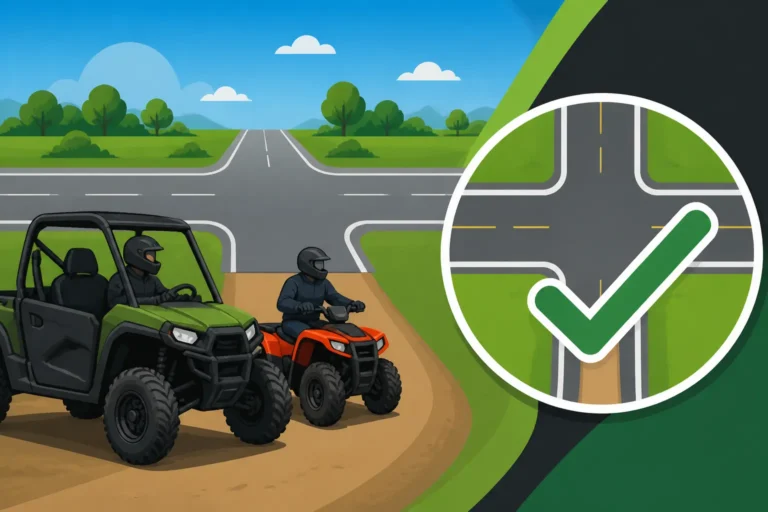
For farmers, this can feel like an extra burden, especially when your primary use is agricultural. You might only be on a public road for a few hundred feet, just to get from one field to another, or to access a distant outbuilding. Yet, the moment your wheels touch that public asphalt or gravel, the state's general rules for motor vehicles often kick in. It’s this very situation that makes understanding exemptions so critical, as they can save you from unnecessary expense and worry.
Why Liability Is a Big Deal
The reason these insurance requirements exist is all about liability. Accidents happen, even at low speeds or in rural settings. Imagine you’re crossing a two-lane county road on your UTV, loaded with feed, and another driver, perhaps distracted, misjudges your speed and swerves, hitting a mailbox or even another vehicle. Without liability insurance, you – the operator – could be personally responsible for the costs of property damage, medical bills, lost wages, and potentially even pain and suffering for anyone injured. This isn't just a hypothetical scenario; it's a real risk that can lead to devastating financial consequences.
Even if you’re meticulous and cautious, you can’t control every variable on the road. A deer could dart out, causing you to swerve and collide with something. Another vehicle could fail to yield. The general requirement for insurance on public roads is designed to protect all parties involved, ensuring there's a financial safety net when things go wrong. For farmers, this is where the specific farm use exemption comes into play, aiming to provide a carve-out for genuine agricultural work that requires incidental road use.
The Heart of the Matter: Illinois Farm Use Exemptions from Insurance
Now, let's get to the good stuff – the specific exemptions that can apply to your farm machines. Illinois law recognizes that ATVs and UTVs are indispensable tools for modern agriculture, and requiring full street-legal insurance for every incidental road crossing would be impractical and burdensome for farmers.
What Qualifies as "Farm Use" in Illinois?
The key to unlocking any exemption is understanding what exactly "farm use" means in the eyes of Illinois law. Generally, it refers to machines used primarily and directly for agricultural husbandry purposes. Think about the day-to-day operations on a farm:
- Hauling: Moving tools, feed, fertilizer, or harvested crops across fields or between farm buildings.
- Inspection: Checking fences, irrigation systems, or livestock in pastures.
- Maintenance: Transporting repair equipment to a broken piece of machinery in a remote field.
- Livestock Management: Moving animals, providing water, or monitoring health.
The crucial distinction here is that the machine’s purpose must be tied directly to the production of agricultural products, the raising of livestock, or the general upkeep and operation of the farm itself. It’s about being a working tool, not a recreational vehicle. For instance, using your UTV to check on your herd of cattle is definitely farm use. Using it to drive around the back forty with friends on a Sunday afternoon, even if it's your own land, starts to blur that line towards recreational use, which generally wouldn't qualify for the same exemptions. You might also want to look into the [Illinois Farm and Livestock Exemption] for other related considerations.
The Specific Exemption for Farm-Used Machines
Here's the core of the exemption: ATVs and UTVs (often referred to as Non-Highway Vehicles in Illinois statutes) used exclusively for agricultural purposes on a farm or on roads for incidental farm operations, are typically exempt from the standard liability insurance requirements mandated for street-legal vehicles. This means if your UTV is primarily living and working on your farm, and you only occasionally cross a public road to access another part of your property or to reach a nearby field, you might not need to carry the same level of street-legal insurance as someone using their UTV for daily commuting in a town that allows them.
However, this isn’t a blanket free pass to disregard all safety or vehicle requirements. When your farm machine does briefly enter a public roadway, even for legitimate farm use, it generally must still be equipped with certain safety features to ensure it's visible and doesn't pose an undue hazard to other drivers. This often includes a slow-moving vehicle emblem, which is that orange triangle you see on the back of tractors and other farm equipment. This emblem is a universal signal to other drivers to exercise caution and expect slower speeds. [The Orange Farm Emblem Your UTV Must Carry] explains more about this essential safety device. It’s about balancing the practical needs of farming with public safety.
Navigating the Nuances: When the Exemption Might Not Apply (or is Murky)
While the farm use exemption is a huge relief for many Illinois agriculturalists, it’s not without its subtleties. There are specific situations where you might inadvertently step outside the bounds of the exemption, potentially exposing yourself to penalties or, more importantly, liability if an accident occurs.
Recreational Use on Farm Property
This is probably one of the biggest grey areas and a common point of confusion. Many farmers and their families enjoy riding ATVs and UTVs for recreation on their own land, and why wouldn’t they? It’s fun! However, if that recreational use involves any crossing of a public road, even a seldom-used township road, the insurance exemption could be jeopardized. The law typically looks at the primary purpose of the machine’s operation when on a public way. If you’re hauling hay to the barn, that’s clearly farm use. If you’re taking your kids for a Sunday drive through the fields and briefly cross a road to get to a different section of your property, an enforcement officer or an insurance adjuster might argue that the primary purpose of that specific road crossing was recreational, not agricultural.
It’s a tough distinction, and it highlights the importance of being mindful of why you’re putting wheels on the pavement. If you use your machine for both work and play, it’s often safer to assume the street-legal insurance requirements apply if you ever venture onto public roads for any reason, unless you're absolutely certain the trip is unequivocally for farm work.
Crossing State or Federal Highways
Most farm operations in Illinois might involve crossing local roads – township roads, county roads, or even village streets. However, larger, busier roads, particularly state or federal highways, often come with their own set of rules and increased scrutiny. While the farm use exemption generally applies to incidental crossings of public roads, navigating a busy state highway on a UTV, even one equipped with a slow-moving vehicle emblem, can be riskier and might attract more attention from law enforcement.
While the letter of the exemption might still apply, the practical implications can be different. Always exercise extreme caution on these roads, and ensure your machine is as visible as possible. For more specific guidelines on crossing state highways, you can refer to [Illinois Rules for Crossing a State Highway]. These rules are put in place to ensure safety given the higher traffic volumes and speeds on such arteries.
Beyond the Farm Gate: Other Off-Road Uses
The exemption is specifically tied to farm use. If you start using your ATV or UTV for other tasks that aren't directly related to your farm's agricultural operations, the exemption likely won't apply. For example, if you occasionally use your UTV to plow snow for a neighbor's driveway for pay, or if you take it hunting on land that isn't part of your agricultural property, you’re now operating outside the scope of "farm use."
In these scenarios, if you happen to cross a public road to get to these non-farm-related destinations, you would generally be subject to the standard insurance requirements for any other off-highway vehicle on public roads. It's about ensuring that the spirit of the exemption, which is to support agricultural operations, isn't stretched to cover other commercial or recreational activities.
Local Ordinances Can Add Layers
While Illinois state law provides the overarching framework for farm use exemptions, it’s crucial to remember that local municipalities and counties can pass their own ordinances regarding UTVs on their roads. While these local rules usually can't override a state-level farm use exemption for insurance, they can add other requirements or restrictions that might complicate things.
For instance, a village might have specific speed limits for UTVs on its streets, or require a permit even for farm-related crossings. While your insurance might be exempt, you could still face other fines if you're not compliant with local signage or rules. Always check with your local village, county, or township clerk’s office if you're unsure about specific local rules in your area. [Illinois Municipalities That Pass Ordinances] further discusses how local governments play a role in regulating UTV use. It’s always best to be informed on all levels of government regulation.
Practical Advice and Best Practices for Illinois Farmers
Navigating the world of farm equipment and road rules can feel complex, but with a few best practices, you can operate your ATV or UTV confidently and responsibly. Even with exemptions, smart choices can save you headaches and heartaches down the road.
Documentation Is Key
In the rare event that you're stopped by law enforcement, or God forbid, involved in an incident while using your ATV or UTV on a public road, having clear documentation can be your best friend. While you might be exempt from carrying proof of liability insurance, it's wise to be able to clearly demonstrate that your machine is, in fact, being used for legitimate agricultural purposes. This could include:
- Proof of Farm Ownership/Operation: Documentation showing you own or operate the farm.
- Purpose of Trip: Be prepared to articulate that you are moving feed, checking fences, or performing other farm duties.
- Agricultural Exemption Stickers/Emblems: Ensure your machine has the necessary [The Orange Farm Emblem Your UTV Must Carry] clearly displayed when on public roads.
While you don't need a binder full of paperwork for every short trip, having a clear understanding of the rules and being able to explain your circumstances calmly can go a long way. It helps to show that you are a responsible operator who understands and respects the law.
Beyond Minimums: Considering Additional Coverage
Even if you qualify for the farm use insurance exemption, it's worth considering what financial risks you might still be taking. The exemption typically only covers the liability insurance required for street use. It doesn't mean your machine is covered for theft, fire, collision damage, or other hazards. A UTV, especially a utility model from brands like Polaris or John Deere, represents a significant investment, and an ATV can be pricey too. If your machine is stolen from your barn, or if you have a rollover accident in a field, an exemption from liability insurance won't help you replace the machine itself.
Many reputable insurance providers offer specialized farm equipment policies that can cover your ATVs and UTVs for comprehensive and collision damage, even if they're used exclusively on your property. This kind of policy can protect your assets against unexpected events. While the exemption means you might not have to carry certain insurance for road crossings, carrying it voluntarily for broader protection is often a financially sound decision. For example, while SuperATV makes fantastic aftermarket parts and accessories that enhance your machine's utility and performance, adding their gear doesn't change your fundamental insurance needs; protecting the whole package is still up to you.
Consult Your Insurance Agent
This point cannot be stressed enough: while this guide provides general information, every farm operation is unique. The best, most tailored advice you can receive will come from a qualified insurance agent who specializes in farm and agricultural policies. They understand the nuances of state law, local conditions, and the specific risks associated with farming.
An agent can help you assess your particular situation, clarify what exemptions truly apply to your machines, and recommend the right types and amounts of coverage that protect your farm and your livelihood. Don't rely solely on online information or assumptions; a brief conversation with your agent could save you from significant financial exposure or legal trouble down the road. They can walk you through scenarios specific to your farm, ensuring you have peace of mind that you're both compliant with the law and adequately protected.
Insurance Exemption at a Glance
For clarity, here's a quick comparison of typical street-legal requirements versus the farm-use exemption for ATVs and UTVs in Illinois:
| Feature | Standard Street-Legal UTV/ATV Use | Farm Use Exemption (Primary Farm Operation) |
|---|---|---|
| Primary Use | Recreational, commuting, general utility on public roads | Agricultural husbandry, farm maintenance, livestock management |
| Liability Insurance | Required (e.g., 25/50/20 minimums) | Generally Exempt for incidental road crossings |
| Road Crossing | Permitted if street-legal and insured | Permitted for incidental farm operation (e.g., field-to-field) |
| Required Equipment | Headlights, tail lights, brake lights, turn signals, mirrors, SMV emblem (varies by local ordinance) | Slow-Moving Vehicle (SMV) Emblem (recommended/required on roads) |
| Other Coverage (Optional) | Comprehensive, collision, theft, uninsured motorist (recommended) | Comprehensive, collision, theft (highly recommended to protect asset) |
| License/Permit | Driver's license (street use), local permits (if applicable) | Driver's license (for road crossings), no specific farm permit |
| Primary Risk | Third-party liability on public roads | Asset damage/loss, liability if exemption is misapplied |
Disclaimer
This article is for general informational purposes only and does not constitute professional advice. Laws, prices and regulations vary by location and change over time. Consult a qualified professional for guidance on your specific situation.