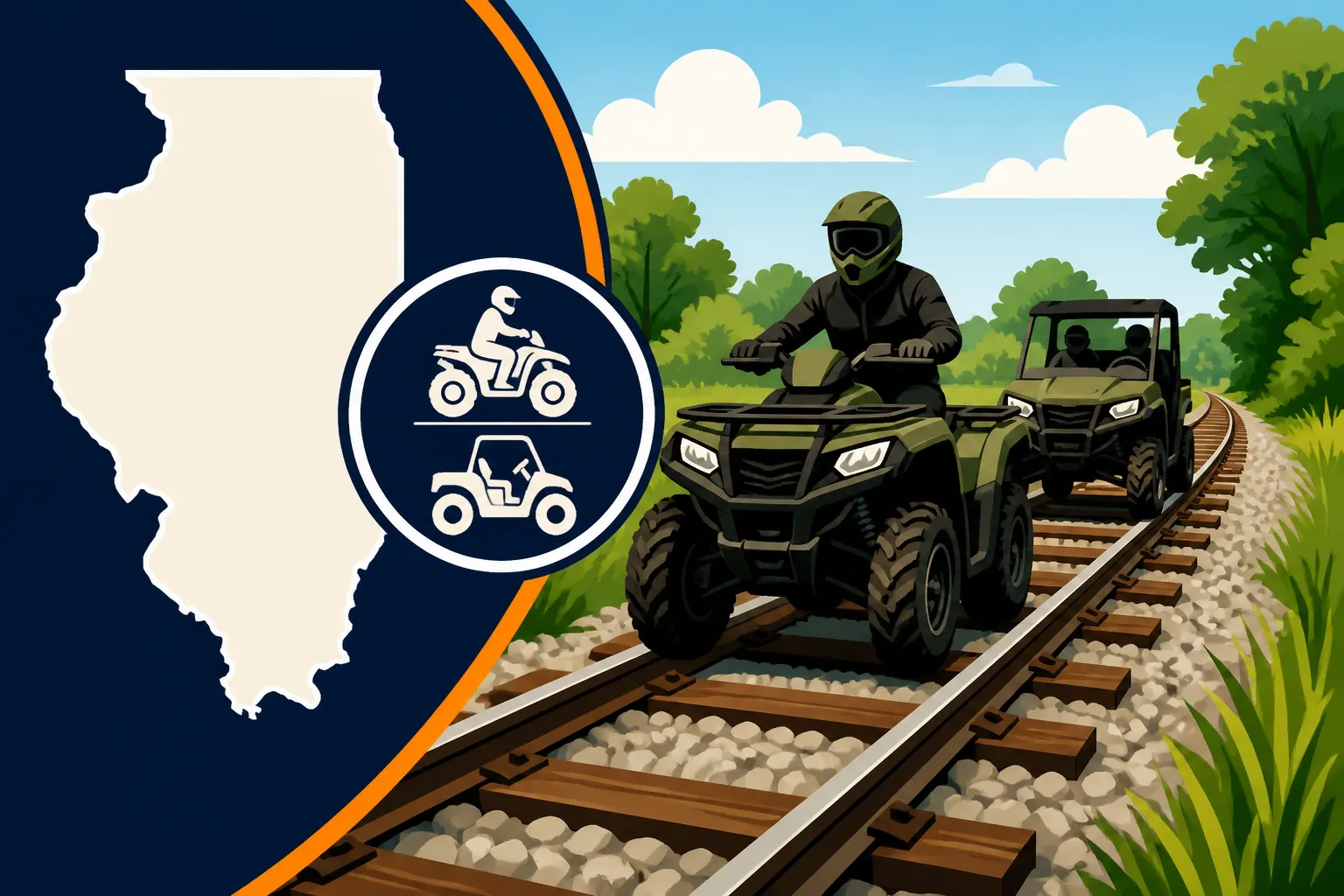
Illinois Rules for Riding a Rail Bed
It's a common sight across our beautiful Prairie State: an old, overgrown rail bed, stretching into the distance, looking like a tempting shortcut or an adventurous new trail for your ATV or UTV. Many riders, especially those new to the off-road scene or just exploring a new area, might see these abandoned tracks and think, "Why not?" But that seemingly innocent decision can lead to serious legal trouble, personal injury, and environmental damage. This guide is here to clear up the confusion and explain why riding on rail beds in Illinois is almost always a bad idea, and what safe, legal alternatives you have.
The Legal Landscape: Why Rail Beds Are Off-Limits
The allure of a forgotten path is powerful, especially for those of us who love the freedom of off-road riding. But when it comes to rail beds, "forgotten" rarely means "free to ride." The legal status of these corridors is far more complex than it appears, and assuming they're fair game can land you in a lot of hot water.
Understanding Public vs. Private Property
Let's break down the basic reality: railway lines, even those long disused, are almost universally private property. They belong to railway companies, historical societies, or other private entities. This isn't like a public road where you can assume access. A railroad right-of-way is a defined strip of land owned or controlled by the railway. While the tracks themselves might be gone, that land ownership persists. Just because a property looks abandoned or overgrown doesn't mean it is. Think of it like a neglected backyard; it's still someone's backyard, and you can't just drive your side-by-side through it without permission.
Often, these corridors might appear to cut through farm fields or rural areas, giving the impression that they're part of the surrounding landscape. But historically, railroads secured narrow easements or outright purchased the land to ensure their right-of-way. These property lines are still very much legally binding. Riding on them without explicit permission is trespassing, plain and simple. It doesn't matter if there isn't a "No Trespassing" sign every fifty feet; the law assumes you know not to ride on private land without consent. Imagine the frustration of an actual landowner finding someone tearing up their property – that's the position you put yourself in when you ride an unpermitted rail bed.
The Illinois Rail Banking Program and Trail Conversions
Now, you might be thinking, "But I've seen old rail lines converted into trails!" And you're absolutely right! Illinois, like many states, participates in a program known as "rail banking." This is a brilliant initiative where unused rail corridors are preserved for potential future rail use (you never know when they might be needed again!) while, in the interim, they can be converted into recreational trails. These are often multi-use trails, designed for activities like hiking, biking, and sometimes even horseback riding.
However, and this is a crucial "however," these rail-banked trails are very rarely open to ATVs or UTVs. When a rail bed is converted into a multi-use trail, it's typically managed by a local park district, conservation district, or state agency, and they set the rules for its use. Most often, motorized vehicles are explicitly prohibited to maintain the trail's integrity, ensure safety for non-motorized users, and protect the natural environment.
So, while a rail bed might indeed be part of a public trail system, that doesn't automatically mean your side-by-side or quad is welcome. You absolutely must check the specific regulations for that particular trail. If you see signs indicating "No Motorized Vehicles," that means you. Riding your machine on such a trail is a violation, and you can be ticketed. For more information on where you definitely cannot ride, take a look at [Illinois Trails Closed to Machines]. These designated trails are wonderful resources for other types of recreation, but they are not an open invitation for ATVs and UTVs.
Dangers and Hazards of Riding on Rail Beds
Beyond the legal ramifications, there are very real, very physical dangers inherent in riding on disused rail beds. These aren't purpose-built trails designed with off-road vehicles in mind; they are old industrial corridors slowly returning to nature, often with hidden surprises that can quickly turn an afternoon ride into a nightmare.
Uneven Terrain and Hidden Obstacles
When you look at an old rail bed, you might see a relatively flat, straight path, perhaps a little overgrown. What you don't see are the countless hazards lying just beneath the surface or lurking around the next bend. The original railway ties, even if buried, can shift and create incredibly uneven and unpredictable terrain. Ballast – the gravel and crushed stone that supported the tracks – might be loose, sharp, or have eroded in places, leaving gaping holes.
Think about what happens to old infrastructure. Culverts collapse, bridges decay, and old equipment might have been left behind. Rebar, jagged metal pieces, and sharp rocks can protrude unexpectedly, leading to punctures, bent rims, or worse, serious damage to your machine's suspension or undercarriage. Even if you've invested in robust aftermarket skid plates like those offered by SuperATV, designed for resilience on rugged trails, unforeseen hazards on illegal rail beds pose significant risks that even the best protection might not fully mitigate. A rider who assumes a clear path might hit a hidden concrete block or a section of twisted rebar, leading to a nasty spill, a broken axle, or even a punctured fuel tank. This isn't just about expensive repairs; it's about potential injuries to yourself or your passengers.
Legal Consequences and Enforcement
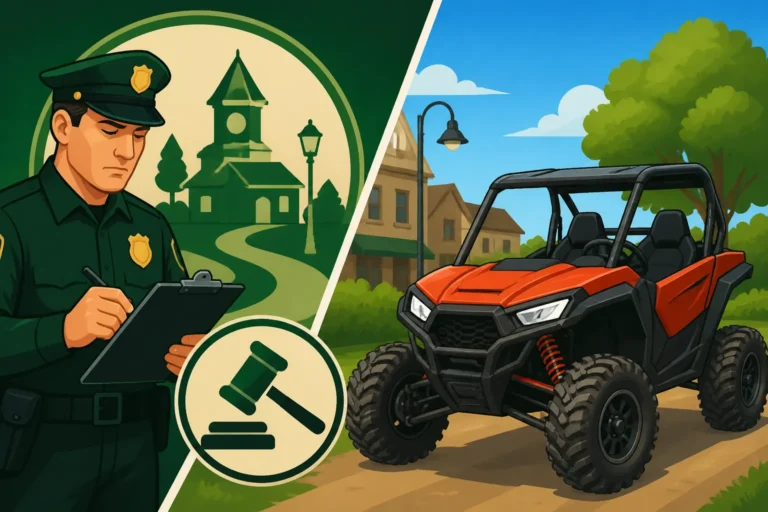
Getting caught riding on an unauthorized rail bed in Illinois comes with a laundry list of potential legal headaches. This isn't just a slap on the wrist. You're facing trespassing charges, which can result in hefty fines. Depending on the specific location and jurisdiction, these fines can escalate, and some areas have specific ordinances against motorized vehicle trespass. Beyond the initial ticket, your ATV or UTV could be impounded, leading to towing fees, storage fees, and the hassle of trying to retrieve your machine, often at a significant cost.
It's also important to remember who might be enforcing these rules. It could be local police, county sheriffs, or even Illinois Conservation Police officers, who have jurisdiction over natural resources and state lands. If the rail bed is still owned by an active railroad company, even if dormant, you could encounter railroad police, who often have broad powers to enforce laws on company property.
The consequences don't stop at fines and impoundment. If you cause any damage to the property – say, tearing up the ground, damaging drainage systems, or disturbing wildlife – you could be held civilly liable. This means the property owner could sue you for damages, adding another layer of financial and legal burden. Imagine a scenario: you're enjoying a ride, get turned around, and suddenly a sheriff's deputy is blocking your path. Now you're facing a ticket, your machine is being loaded onto a tow truck, and your weekend fun has evaporated, replaced by a major headache. For more details on what happens when you ride where you shouldn't, check out [Illinois Trespass Penalties for Riders].
Finding Legal and Safe Riding Opportunities in Illinois
Given the dangers and legal risks, it's clear that rail beds are not a viable option for ATV and UTV riding in Illinois. But don't despair! Illinois has dedicated resources and locations where you can legally and safely enjoy your machine. The key is knowing where to go and adhering to the rules designed to protect both riders and the environment.
Designated OHV Parks and Grant-Assisted Sites
Illinois might not have the vast public lands for off-roading that some western states boast, but we do have excellent designated areas for ATV and UTV enthusiasts. The premier state-run facility is Sahara Woods State Recreation Area, located in Southern Illinois near Harrisburg. This park offers miles of trails specifically designed for off-road vehicles, catering to various skill levels. [Sahara Woods: Illinois's Only State OHV Park] is a fantastic resource if you want to plan a trip there.
In addition to state parks, Illinois also has "grant-assisted" riding areas. These are often managed by local park districts, clubs, or private entities that have received state grants to develop and maintain OHV trails. These sites require an Illinois Public Access Decal, which helps fund their operation and ensures you're riding in a legitimate, managed area. Some popular examples include Little Egypt Off Road and Mill Creek Park. These parks are maintained, often have staff on-site, and offer a much safer and more enjoyable experience than attempting to navigate a treacherous, illegal rail bed. You can find more information about these locations in [Illinois ATV Trails: Where You Can Actually Ride]. Many riders also enhance their machines with durable components from brands like SuperATV for improved performance and safety on these designated trails, adding accessories like reinforced control arms or upgraded axles to handle the varied terrain found in legitimate parks.
Remember, even at these designated parks, you'll need to follow specific rules regarding permits, safety gear (like helmets), and vehicle specifications. Always check the park's website or call ahead for the most current information. These rules are in place for your safety and to ensure the longevity of these valuable riding resources.
Private Land and Permission
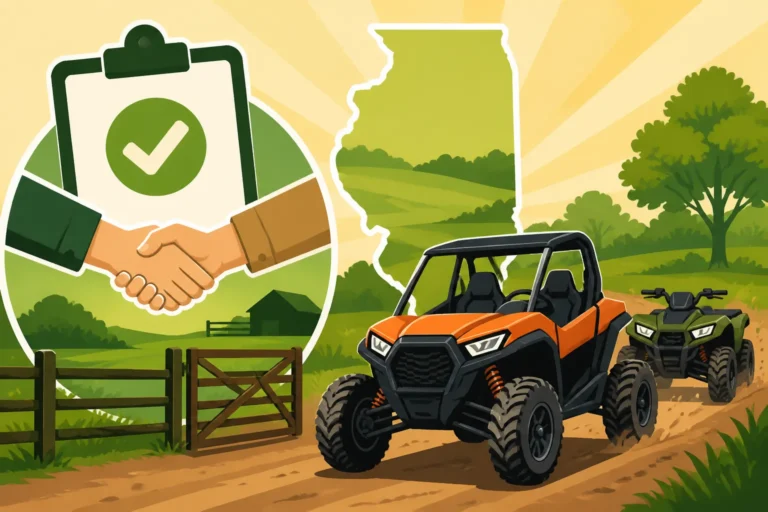
For many Illinois riders, private land is the primary place to enjoy their ATVs and UTVs. If you own land, you have the freedom to ride on your own property. However, if you're planning to ride on someone else's property, securing explicit permission is absolutely vital. This means talking to the landowner, explaining what you want to do, and getting their clear consent.
Ideally, this permission should be in writing. A simple written agreement, even an email or text message, can save a lot of misunderstanding later on. It should specify who can ride, where, and when. This protects both you and the landowner. Many landowners are happy to allow responsible riders on their property, especially if it helps with brush clearing or just provides an extra set of eyes on their land. But showing up unannounced or assuming permission is a recipe for conflict. Respecting property rights and building good relationships with landowners is key to expanding legal riding opportunities. If you're looking for more guidance on this, read [Illinois Private Land Permission Rules]. This is where responsible riding habits truly shine, showcasing our community as respectful and considerate.
Responsible Riding and Community Impact
Every time we ride, we're not just representing ourselves; we're representing the entire ATV and UTV community. Our actions, whether good or bad, shape public perception and influence decisions about trail access and regulations. Riding illegally, especially on sensitive areas like rail beds, can have far-reaching negative consequences that affect all of us.
Environmental Concerns and Damage
Illegal riding on rail beds and other unauthorized areas can cause significant environmental harm. These corridors often host delicate ecosystems, even if they appear neglected. The heavy weight and aggressive tires of ATVs and UTVs can compact soil, destroy vegetation, and disrupt wildlife habitats. Riding through wet or muddy areas creates deep ruts, leading to erosion, which can then impact nearby waterways by carrying sediment and pollutants.
Noise pollution from machines can disturb local residents and wildlife, leading to complaints that often fall back on the entire riding community. When incidents like this occur, it fuels negative stereotypes about off-road riders – that we are irresponsible, destructive, and disrespectful of the environment. This perception makes it even harder to advocate for new, legal riding areas and can lead to increased restrictions on the places we already have access to. We all share a responsibility to protect the beautiful Illinois landscape, and that means sticking to designated trails.
Supporting Legal Trail Development
Instead of risking fines and environmental damage on illegal rail beds, let's channel our passion for riding into supporting the growth of legal and sustainable trail systems. This means a few things: First, patronize the existing designated OHV parks and grant-assisted sites. Your permit fees and usage stamps directly contribute to their maintenance and expansion. Second, consider joining an ATV or UTV club in Illinois. Clubs are often at the forefront of advocating for rider rights, organizing trail maintenance, and working with land managers to create new opportunities. They also offer a fantastic social aspect, connecting you with fellow riders who share your passion. Check out [Illinois ATV Clubs Worth Joining] for more information on how to get involved.
By being responsible riders, adhering to rules, and actively supporting legal trail initiatives, we can help ensure that off-road recreation in Illinois continues to thrive for generations to come. Aftermarket parts, perhaps even from SuperATV, can be great for customizing your machine for safety and performance, but they are best appreciated and truly perform their function when used within the legal and designated riding areas where their durability and design can be put to the test responsibly.
Here’s a quick comparison to help solidify why legal riding is always the best path:
| Feature | Illegal Rail Beds | Legal OHV Parks & Private Land (with permission) |
|---|---|---|
| Legality | Trespassing, fines, potential impoundment | Fully legal, authorized activity |
| Safety | High risk of injury, hidden obstacles, unpredictable | Trails maintained, designated for OHV use, safer |
| Terrain | Deteriorated ballast, old ties, rebar, collapsed culverts | Varied, but managed and often mapped, with safety in mind |
| Enforcement | Law enforcement (local, state, railroad police) patrols | Park staff, conservation officers ensure rules are followed |
| Community Impact | Negative perception, environmental damage | Positive image, supports recreation, protects environment |
| Future Access | Leads to more restrictions and closures | Encourages development of new riding areas |
Disclaimer
This article is for general informational purposes only and does not constitute professional advice. Laws, prices and regulations vary by location and change over time. Consult a qualified professional for guidance on your specific situation.