Riding With a Dog on the Rear Rack
Oh, the joy of hitting the trails, feeling the sun on your face, and the wind in your hair! Many of us wouldn't trade that feeling for anything. But what about our beloved four-legged family members? The thought of bringing Fido along for the adventure on the back of your ATV or UTV is tempting, yet it brings a wave of questions: Is it safe? Is it even allowed? How do I ensure my dog is comfortable and secure? This guide is here to walk you through all the considerations, legalities, and practical steps to ensure your furry co-pilot can join your Illinois off-road escapades responsibly and safely.
Understanding the Risks and Responsibilities of Riding with Your Dog
Bringing your dog along for an ATV or UTV ride isn't quite the same as a car trip, and it certainly isn't a decision to take lightly. The dynamic environment of off-road riding presents unique challenges and potential hazards that you, as their guardian, need to fully understand and mitigate. Your dog relies entirely on you for their safety and well-being, especially when you're traversing unpredictable terrain on a powerful machine.
Prioritizing Your Dog's Safety: The Non-Negotiables
First and foremost, let's talk about the non-negotiables: your dog's safety. When you're out on the trails, your machine will be vibrating, moving over bumps, and potentially kicking up dust, rocks, and debris. All of these elements pose significant risks to an unsecured or improperly protected animal. A sudden bump could easily throw an unharnessed dog from a rear rack, leading to serious injury or worse. Exhaust fumes, excessive heat from the engine, and even the noise can be incredibly stressful and harmful to a dog.
Think about the vibrations alone. While you're insulated by suspension and seats, a dog in a hard carrier directly on a rack will feel every jolt more intensely. This isn't just uncomfortable; it can lead to anxiety or even physical discomfort over time. Debris, like small rocks or twigs, can fly up and hit your dog's eyes or snout, causing injury. Furthermore, the heat generated by the engine and exhaust, combined with potential direct sun exposure, can quickly lead to overheating, especially for breeds prone to heatstroke or on warmer Illinois riding days. It's your responsibility to consider every single one of these factors and put preventative measures in place.
Illinois Law and Canine Passengers on ATVs/UTVs
When it comes to specific laws about carrying pets on ATVs or UTVs in Illinois, you won't find a dedicated statute dictating exactly how Rover must ride on your rear rack. Unlike certain rules for street-legal vehicles regarding unsecured pets that might obstruct a driver, off-highway vehicle (OHV) laws in Illinois tend to focus more on operator age, titling, and usage stamps. However, this absence of specific "dog on ATV" laws doesn't grant you a free pass to ignore common sense or animal welfare principles.
Generally, Illinois law (and good practice) requires any cargo carried on a vehicle to be secured in a way that prevents it from falling off, shifting, or obstructing the operator's view or control. Your dog, while a beloved passenger, is also considered "cargo" in this context. If a conservation officer or law enforcement official believes your dog is unsafely secured, is at risk of falling, or is otherwise causing a hazard, you could face citations under general unsafe operation or animal cruelty statutes. Moreover, individual riding parks, especially [Illinois Private Park Pet Rules] or designated [Illinois Rules for Riding a Nature Preserve], often have their own specific rules regarding pets, including where they are allowed, if they must be leashed, and if they can be on machines. Always check the rules of your intended riding destination before you go.
Choosing the Right Setup for Your Dog's Comfort and Security
Once you've wrapped your head around the responsibilities, the next crucial step is ensuring your dog has the right setup. This isn't a one-size-fits-all situation, as every dog is different. What works for a small, calm terrier might be completely unsuitable for a large, energetic retriever. Tailoring the solution to your specific dog is paramount for a safe and enjoyable experience for everyone involved.
Assessing Your Dog's Temperament and Size for Riding
Not every dog is cut out for the thrilling world of ATV or UTV riding. Seriously, it's true! Some dogs are naturally anxious, easily startled by loud noises, or simply not comfortable with confined spaces or sudden movements. Trying to force an unwilling dog into a carrier on an ATV will only lead to stress for them and a miserable, potentially dangerous, experience for you. Observe your dog's reactions to loud noises (like the engine running), vibrations, and motion. Do they seem curious or stressed? Confident or fearful?
A dog's size and breed also play a huge role. Small dogs are generally easier to secure in a carrier that fits snugly on a rear rack, provided it's well-ventilated and protected from the elements. Larger dogs, however, present a bigger challenge. While some robust UTVs have ample cargo beds that can accommodate a large crate, an ATV's rear rack might be too small or unable to bear the weight safely. Consider their energy levels too; a calm, laid-back dog might adapt better than one that's constantly restless or prone to sudden movements. If your dog has a history of motion sickness, this adventure might not be for them, or at least will require careful planning and veterinary consultation.
Secure Crates, Carriers, and Restraints for Rear Racks
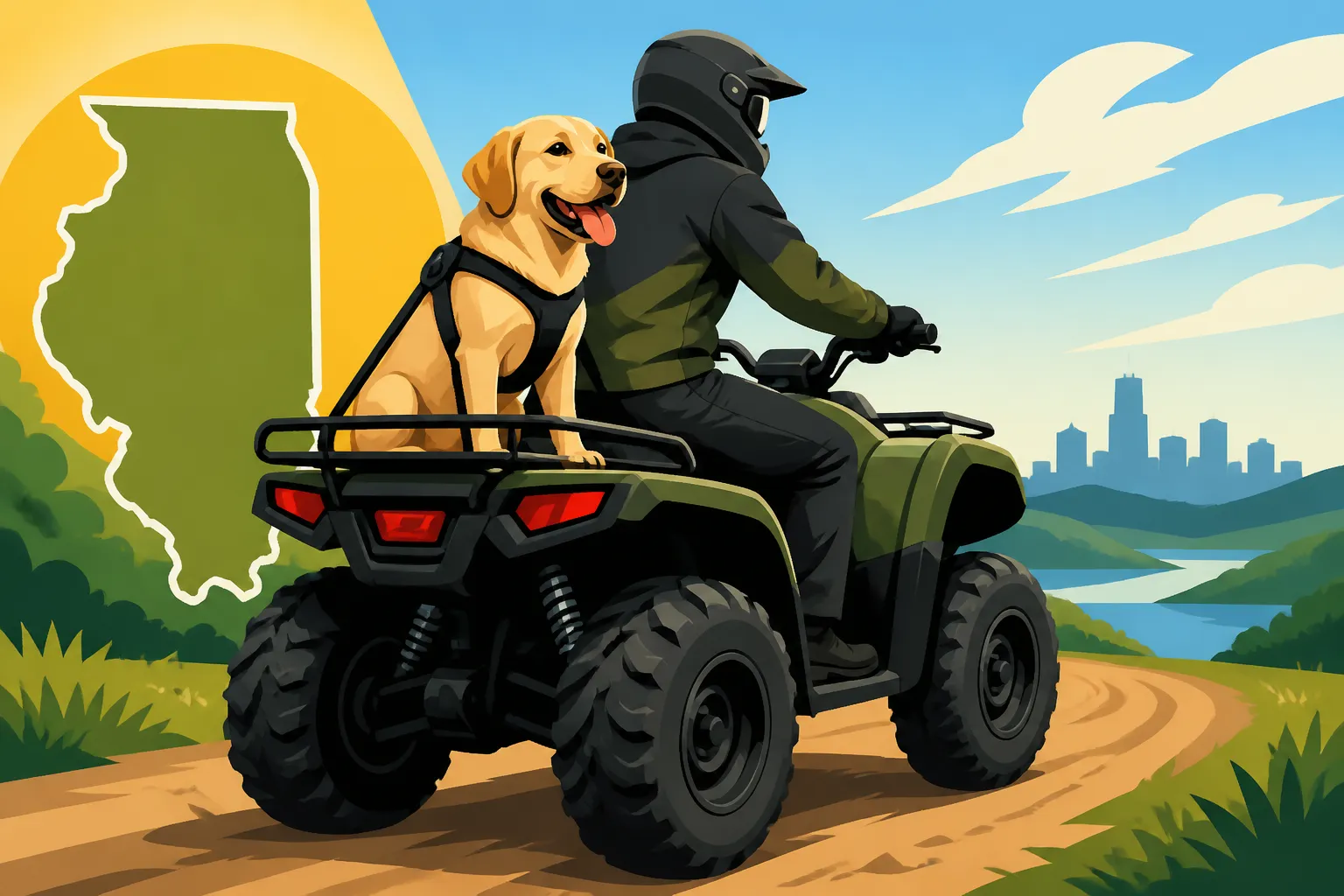
This is where the rubber meets the road—or rather, where the carrier meets the rack! An open rear rack is never an option for a dog, no matter how well-behaved. They need a secure, enclosed space that protects them and keeps them contained.
Here are the primary options:
- Hard-Sided Crates: These are sturdy and offer good protection. Look for ones made from durable plastic or metal. The key is securing them firmly to the ATV or UTV rack. You'll need heavy-duty ratchet straps or cam buckle straps, ensuring at least four points of contact to prevent any shifting or tipping. Drilled holes in the crate for bolts might even be necessary for maximum security. Make sure the crate is large enough for your dog to stand up, turn around, and lie down comfortably, but not so large that they can be jostled excessively within it during bumps.
- Soft-Sided Carriers/Bags: These are typically lighter and can be more comfortable, offering some flex and insulation from vibrations. However, they provide less protection against impacts or punctures from debris. They are generally best for smaller dogs on smoother trails. Like hard crates, they must be securely strapped down. Many designs feature mesh windows for ventilation, which is crucial.
- Specialized ATV Dog Boxes/Cargo Boxes: These are purpose-built for off-road machines and often include features like integrated tie-down points, ventilation, and weather resistance. Brands like SuperATV offer various cargo boxes and racks that can be adapted for pet transport. You might find sturdy cargo boxes that, with some modification for ventilation and a soft bed, can serve as an excellent secure space for your dog. Some even have padded interiors or elevated floors to reduce vibration. The advantage here is that they are often designed to integrate seamlessly with the machine's existing rack system, potentially offering a more stable and secure attachment than generic crates.
- UTV Cargo Bed Solutions: For side-by-sides, the cargo bed offers more space. A large, well-ventilated crate can be placed in the bed and secured. You can also explore specific UTV dog kennels that are designed to fit perfectly within the cargo dimensions, often with built-in tie-downs. Again, this is where specialized equipment from a brand like SuperATV might come in handy, as they provide robust cargo solutions for UTVs.
Regardless of the choice, ensure there's adequate ventilation to prevent overheating, especially on warm Illinois days. Consider adding a non-slip mat inside for your dog's footing and a comfy, yet durable, bed for padding against vibrations. For the actual attachment, remember the [Illinois Non-Highway Vehicle Equipment List] emphasizes securing cargo safely. This principle applies doubly to your furry cargo.
Essential Gear for Your Canine Co-Pilot
Beyond the carrier, your dog will need some personal protective equipment and supplies.
- Protective Eyewear (Doggles): Just like you wear eye protection, your dog needs it too. Flying dust, insects, and small debris can cause serious eye injuries. Doggles or other dog-specific eyewear are designed to fit a dog's face and stay on. Get your dog used to them before the ride.
- Paw Protection (Booties): Depending on the terrain and duration of the ride, paw protection can be vital. Hot surfaces, sharp rocks, or prolonged exposure to rough ground can damage paw pads. Booties also offer a bit more grip if your dog needs to adjust footing inside their carrier.
- Cooling Vests or Bandanas: On hot days, these can help regulate your dog's body temperature. Remember, dogs don't sweat like humans and are much more susceptible to heatstroke.
- First-Aid Kit: A dedicated pet first-aid kit is a must. Include bandages, antiseptic wipes, sterile saline rinse, tweezers, and any specific medications your dog might need. You’re often far from immediate help on trails, so being prepared for minor scrapes or injuries is crucial. Consider adding a small blanket for shock or warmth. This goes hand-in-hand with [Carrying First Aid on a 30-Mile Loop].
- Water and Bowl: Always carry plenty of fresh water and a portable bowl. Dehydration is a serious risk.
- Food/Treats: Bring a small amount of their regular food or some favorite treats for positive reinforcement and energy.
- Leash and Collar/Harness: Essential for breaks and when moving your dog to and from the machine. Even if your dog is off-leash trained, you want them securely on a leash when dismounting in an unfamiliar environment.
- Waste Bags: Be a responsible pet owner and always clean up after your dog.
Preparing for the Ride: Training, Practice, and Pre-Trip Checks
You wouldn't just jump on a new machine and hit the toughest trails without practice, right? The same goes for introducing your dog to ATV/UTV riding. Preparation is key to ensuring a smooth, safe, and enjoyable experience for both of you. This involves gradual acclimatization, consistent training, and thorough pre-ride inspections.
Gradual Introduction and Training for Your Dog
The goal here is positive association and desensitization. Don't just throw your dog into a carrier and start the engine on day one.
- Introduce the Machine: Let your dog sniff around the ATV/UTV while it's off. Reward calm curiosity.
- Introduce the Carrier: Place the carrier in a comfortable spot in your home. Encourage your dog to go in and out with treats and praise. Make it a safe, positive space. Feed them meals in it.
- Carrier on the Machine (Static): Secure the carrier to the ATV/UTV. Let your dog get in while the machine is off. Practice closing the door for short periods. Offer high-value treats.
- Engine Noise (Static): With your dog in the secured carrier, start the engine for very short durations. Initially, just an idle, then gradually increase the time and introduce revs. Watch for signs of stress (tail tucked, panting, whining, trembling). If stressed, back off and try again later.
- Short, Slow Rides: Once your dog is comfortable with the engine noise, take very short, slow rides on a smooth, flat surface. A gravel driveway or a quiet yard is perfect. Keep it brief and positive. Reward calm behavior.
- Increase Duration and Terrain: Gradually extend the ride time and introduce slightly varied terrain, always paying close attention to your dog's reactions. The goal is for them to see it as a normal, enjoyable part of their routine.
This process might take days, weeks, or even months. Patience is paramount. If your dog shows persistent signs of fear or distress, it might be a sign that ATV/UTV riding isn't for them.
Pre-Ride Safety Checklist for Pet Owners
Before every single ride, even a short one, run through a quick but thorough checklist. This vigilance can prevent accidents and ensure your dog’s well-being.
- Carrier Security: Double-check all straps, bolts, and attachment points. Wiggle the carrier – it should feel completely solid, with no wobble. A loose carrier is a major accident waiting to happen.
- Dog's Condition: Is your dog hydrated? Have they had a chance to relieve themselves? Are they showing any signs of illness or unusual anxiety today? A tired or sick dog should stay home.
- Protective Gear: Are their doggles on and secure? If using booties, are they fitted correctly?
- Weather Check: Consult the forecast. Extreme heat, cold, or heavy rain can be dangerous for your pet. Consider [Illinois Riding Season Considerations] and adjust your plans accordingly. High humidity, even on moderately warm days, can quickly lead to heatstroke.
- Trail Suitability: Is the trail you're planning to ride appropriate for bringing a dog? Are there excessive water crossings, very narrow sections, or extremely rough terrain that could jostle your pet too much? Always check [Illinois Trail Conditions Before You Tow].
- Supplies: Do you have enough water, treats, your pet first-aid kit, leash, and waste bags? It's better to over-pack than under-pack when your dog's health is concerned.
Making this a routine will build confidence for both you and your dog, turning pre-ride jitters into excited anticipation.
On the Trail: Maintaining Safety and Enjoyment
You’ve prepared, you’ve trained, and you've got the perfect setup. Now you’re out on the beautiful Illinois trails with your best friend. But the work isn't over. Maintaining safety and ensuring your dog's enjoyment throughout the ride requires continuous awareness and proactive measures.
Monitoring Your Dog's Well-being During the Ride
Your dog can’t tell you when they’re uncomfortable, too hot, or need a break. It's up to you to constantly monitor their well-being. This means taking regular, frequent stops. Even on shorter rides, pull over every 15-20 minutes to give them a visual check. On longer excursions, plan stops every hour or so for a proper break.
During these stops:
- Offer Water: Always. Even if they don't seem thirsty, offer it.
- Check for Overheating: Look for excessive panting, drooling, bright red gums, or lethargy. Feel their ears – are they unusually hot? If you suspect overheating, get them into shade immediately, offer water, and use a cooling vest or wet towel to help lower their temperature.
- Check for Discomfort: Are they shifting uncomfortably? Whining? Trying to chew their way out? This might indicate pain, anxiety, or an ill-fitting carrier.
- Stretch and Potty Breaks: Let them out (on a leash!) to stretch their legs and relieve themselves. This is also a good time for you to stretch and enjoy the scenery.
- Paw Check: Quickly inspect their paws for any cuts or abrasions, especially if you're riding on rougher terrain.
- Bug Check: Keep an eye out for ticks, especially during [Illinois Tick Season and Riding Gear]. A quick once-over can prevent an unwelcome hitchhiker.
Always keep the ride shorter than you think your dog can handle initially. Build up endurance and comfort gradually. It's much better for them to end the ride wanting more than to be completely exhausted or stressed.
Handling Emergencies and Unexpected Situations
Even with the best preparation, unforeseen circumstances can arise. Being mentally prepared for emergencies is as important as having a physical first-aid kit.
- Dog Gets Loose: This is perhaps the most frightening scenario. If your dog somehow escapes their carrier (which reinforces the importance of secure attachment), stop immediately and safely. Do not pursue them on the ATV/UTV, as it might scare them further. Call their name calmly and retrieve them. This highlights the absolute necessity of secure enclosures.
- Injuries: For minor cuts or scrapes, use your pet first-aid kit to clean and bandage the wound. For more serious injuries (fractures, deep lacerations, or head trauma), immobilize the affected area as best you can, contact a local veterinarian immediately, and transport your dog safely to emergency care. Knowing where the nearest emergency vet clinic is before you head out to remote trails, especially in areas like Sahara Woods or Little Egypt Off Road, can save precious time.
- Heatstroke: This is a life-threatening emergency. If your dog shows severe symptoms (collapse, seizures, vomiting), you need to cool them down rapidly. Get them to a shaded area, apply cool (not icy) water to their body, especially paws and groin, and seek veterinary attention immediately. Prevention is key: never ride in extreme heat, and always provide plenty of water and shade.
- Lost on the Trail: If your dog gets separated from you, stay calm. Use their scent articles (like a blanket or toy) if possible. Have current ID tags on your dog, and ideally, they should be microchipped. Consider a GPS tracker for your dog's collar for added peace of mind, especially if you plan to explore vast areas.
Remember, responsible riding means thinking ahead for all eventualities, not just for yourself, but for your loyal riding companion. Knowing the [Illinois Accident Reporting for a UTV Crash] procedures is for human accidents, but it serves as a reminder to always prioritize safety and know what to do when things go wrong.
Dog Carrier and Gear Comparison for ATV/UTV Use
Choosing the right equipment is fundamental for your dog's safety and comfort. Here's a quick comparison of common options:
| Feature | Hard-Sided Crate | Soft-Sided Carrier/Bag | Specialized ATV/UTV Dog Box |
|---|---|---|---|
| Pros | Excellent protection against impacts & debris | Lightweight, often foldable, good vibration dampening | Designed for machine, integrated tie-downs, durable |
| Durable, easy to clean | Comfortable for small dogs | Often weather-resistant, good ventilation | |
| Good ventilation options (if designed well) | Can be secured extremely well | ||
| Cons | Can transmit vibrations more directly | Less impact protection, can tear | Higher cost, can be bulky when not in use |
| Heavier, takes up more space | May not be suitable for rough trails or larger dogs | May require specific rack systems | |
| Best Use Case | All-around protection, medium to large dogs | Small dogs, smoother trails, occasional use | Dedicated off-road use, all dog sizes (depending on model), frequent riders |
| Rugged terrain, longer rides | Easy transport when machine isn't in use | Maximum safety and integration for your machine | |
| Example | Petmate Sky Kennel, Vari Kennel | Sherpa Original Deluxe, travel bags | SuperATV cargo boxes, specific UTV kennels |
Bringing your dog along for an ATV or UTV adventure in Illinois can create incredible memories and strengthen your bond. It's a fantastic way to share your passion for the outdoors with your best friend. However, it's a privilege that comes with significant responsibility. By carefully considering your dog's temperament, investing in the right safety equipment (and remembering brands like SuperATV for robust solutions), and committing to thorough preparation and constant vigilance, you can ensure that your furry co-pilot enjoys the ride just as much as you do, safely and happily exploring the Prairie State's trails by your side.
Disclaimer
This article is for general informational purposes only and does not constitute professional advice. Laws, prices and regulations vary by location and change over time. Consult a qualified professional for guidance on your specific situation.