Photographing a VIN Before a Sale
Selling your trusty ATV or side-by-side can feel like navigating a maze, especially when it comes to all the paperwork and making sure you're protected. One of the most overlooked, yet critical, steps in this process is properly documenting your machine's Vehicle Identification Number (VIN) before you hand over the keys. This guide will walk you through exactly why and how to photograph your VIN, ensuring a smooth, secure transaction for both you and your buyer.
Why Photographing the VIN is Non-Negotiable
When you're preparing to sell an ATV or UTV, it's easy to get caught up in cleaning it up, taking glamour shots, and listing its features. But the truth is, the VIN is the bedrock of your machine's identity, and documenting it properly before a sale isn't just a good idea—it's absolutely essential for peace of mind and protection.
Protecting Yourself as the Seller
Imagine this scenario: you've sold your quad, and a few weeks later, the buyer calls you, claiming the VIN on the title doesn't match the machine, or worse, that it appears to have been tampered with. Without clear, dated photographic evidence of the VIN's condition before the sale, you could find yourself in a really difficult and expensive dispute. These photos serve as your undeniable proof that the VIN was intact, legible, and matched the documentation you provided at the time of sale. It protects you from accusations of fraud or misrepresentation. They also document the exact condition of the VIN plate itself. Was it scratched? A little rusty? Faded? Your photos show the truth. Think of it as an insurance policy against future headaches and potential legal battles that no one wants to face.
Building Buyer Confidence
Let's be honest, buying a used off-road machine can feel a bit like a leap of faith. Buyers are always wary of scams, hidden issues, or machines that might be stolen. When you, as the seller, proactively provide clear, high-quality photographs of the VIN, it immediately signals transparency and honesty. It shows the buyer that you have nothing to hide and that you've done your due diligence. This kind of upfront honesty can significantly ease a buyer's concerns, making them feel more secure in their decision to purchase from you. They can then take those photos and do their own due diligence, perhaps even running a quick check to ensure the machine isn't stolen, which is a step I always recommend buyers take. [Running a Stolen Vehicle Check Before You Pay] is a great way for them to confirm everything is above board. Ultimately, a confident buyer is more likely to make a swift decision, and that means a quicker sale for you.
Documenting for Insurance or Theft
While the primary focus here is on sales, having well-documented VIN photographs is also a smart move for general ownership. In the unfortunate event that your ATV or UTV is ever stolen, law enforcement and your insurance company will need the VIN. Clear photos can expedite the reporting process and aid in recovery. Similarly, if you ever need to make an insurance claim for damage, having a visual record of your machine's key identifying mark can support your claim. Even if you only ride it on your own property, an ATV is an investment, and like any investment, it deserves proper documentation for all potential eventualities. Having these photos stored securely means you're prepared for whatever life throws at your machine, long before you even consider selling it.
Where to Find Your VIN (and What Else to Capture)
Finding the VIN on an ATV or UTV isn't always as straightforward as it is on a car, and getting the right photos means knowing exactly where to look and what surrounding details to include. It’s not just about snapping a quick pic of the numbers; it’s about context and clarity.
Common VIN Locations on ATVs and UTVs
Unlike cars where the VIN is often clearly visible on the dashboard through the windshield, ATVs and UTVs can be a bit more elusive. The VIN is typically stamped into the frame itself, usually in a low-visibility area that's protected from wear and tear, but sometimes prone to mud or dirt.
Here are the most common places to check:
- Front Frame Rail: Many ATVs have the VIN stamped on the front frame rail, often near the steering stem or on one of the main downtubes. You might need to turn the handlebars or even clean off some mud to reveal it.
- Rear Frame Rail: For some models, especially UTVs, the VIN can be found on a crossmember of the rear frame, often near the engine or differential. Again, it might be partially obscured by components or dirt.
- Engine Casing: Less common, but sometimes a partial VIN or serial number is etched into the engine block itself. While not the primary VIN, it can be a useful cross-reference.
- Manufacturer Plate/Sticker: Many machines will also have a riveted metal plate or a durable sticker, often located under the seat, on the side of the frame, or in the glove compartment for UTVs. This plate will usually contain the VIN along with other manufacturing information. This is often the easiest spot to photograph due to its clear presentation.
When you're looking for the VIN, take your time. You might need to crouch, use a flashlight, and even a brush to clean off any grime. It's crucial that every digit is perfectly legible in your photographs. Don't assume you've found the only VIN; check multiple spots if you can, as sometimes a manufacturer will stamp it in two different locations for redundancy. The more evidence you have, the better.
Essential Supporting Photos
While the VIN is the star of the show, it's really important to capture a few other key elements to tell the full story of your machine at the point of sale. These supporting photos add context and further validate your ownership and the machine's condition.
- Odometer/Hour Meter Reading: This is a huge one for buyers. A clear photo of your odometer (for UTVs and some ATVs) or hour meter reading at the time the VIN photos are taken provides indisputable proof of usage. This prevents any dispute later about how many miles or hours were on the machine when it left your possession. Make sure the screen is clean and clearly readable.
- Title/Manufacturer's Certificate of Origin (MCO): You absolutely need a clear photo of the actual title or MCO that corresponds to the VIN. When you photograph it, be sure to cover or redact any sensitive personal information like your full address, driver's license number, or lienholder account numbers. The goal is to show the VIN on the official document matching the VIN on the machine, and to show that you hold the legitimate paperwork. [Illinois ATV Title Certificates Explained] delves into the specifics of these documents.
- Overall Condition Shots: These aren't just for your sales listing. Take a few wide-angle shots of the entire machine from different angles (front, back, sides, top-down) on the same day as your VIN photos. This provides a visual timestamp of the machine's general condition, including any existing scratches, dents, or modifications. This helps prevent a buyer from claiming you misrepresented the machine's overall state weeks or months down the line.
- Unique Features or Accessories: If your machine has aftermarket parts, special modifications, or unique identifiers (like custom graphics or specific accessories), take photos of these as well. This further solidifies the identity of your specific machine.
By combining clear VIN photos with these essential supporting shots, you create a comprehensive visual record that leaves little room for doubt or dispute, ensuring a much smoother sale process. It shows you've done your homework and are a trustworthy seller.
What "Title Only" Means on a Title Application
Sometimes, when dealing with older machines or certain circumstances, you might encounter the term "title only" on an application, or even be advised that Illinois titles but does not register ATVs. This term essentially means that the state issues a certificate of title to establish ownership, but it doesn't issue a registration plate or allow for street legality based on that title alone. It's crucial for sellers and buyers to understand this distinction.
When you're photographing your VIN, especially if your machine falls into this "title only" category, it places even more emphasis on having flawless documentation. Since there's no registration card or license plate to cross-reference for official identity, the title itself and the physical VIN become paramount. The clearer your photos of the VIN, matching perfectly to the [What "Title Only" Means on a Title Application] section of your title application or MCO, the stronger your proof of ownership and the less likely you are to encounter issues when you go to transfer the title. It simply reinforces the machine's identity when other common identifiers aren't present.
Best Practices for Photographing Your VIN
Taking photos might seem simple, but for something as crucial as a VIN, you want to make sure they're perfect. Sloppy photos are as good as no photos when it comes to legal protection.
Lighting and Clarity are Key
This can't be stressed enough: the lighting and clarity of your VIN photos are paramount. A blurry, dark, or shadowed photo is practically useless.
- Natural Light is Best: Always try to take your photos outdoors during daylight hours. Overcast days are often ideal as they provide soft, even lighting without harsh shadows or glares that can obscure details. If it's sunny, try to position the machine so the VIN isn't in direct, harsh sunlight, which can create bright spots and shadows that make the numbers unreadable.
- Avoid Flash if Possible: While a flash can illuminate dark areas, it often creates reflective glare on metal surfaces, making the VIN illegible. If you must use a flash (e.g., in a garage), try to diffuse it or angle it to minimize reflection.
- Clean the Area: Before you even think about snapping a picture, take a few minutes to thoroughly clean the area around the VIN. Use a brush, a rag, and perhaps even a gentle cleaner to remove any mud, dirt, grease, or rust that might be obscuring the numbers. You want the VIN to stand out clearly against the frame.
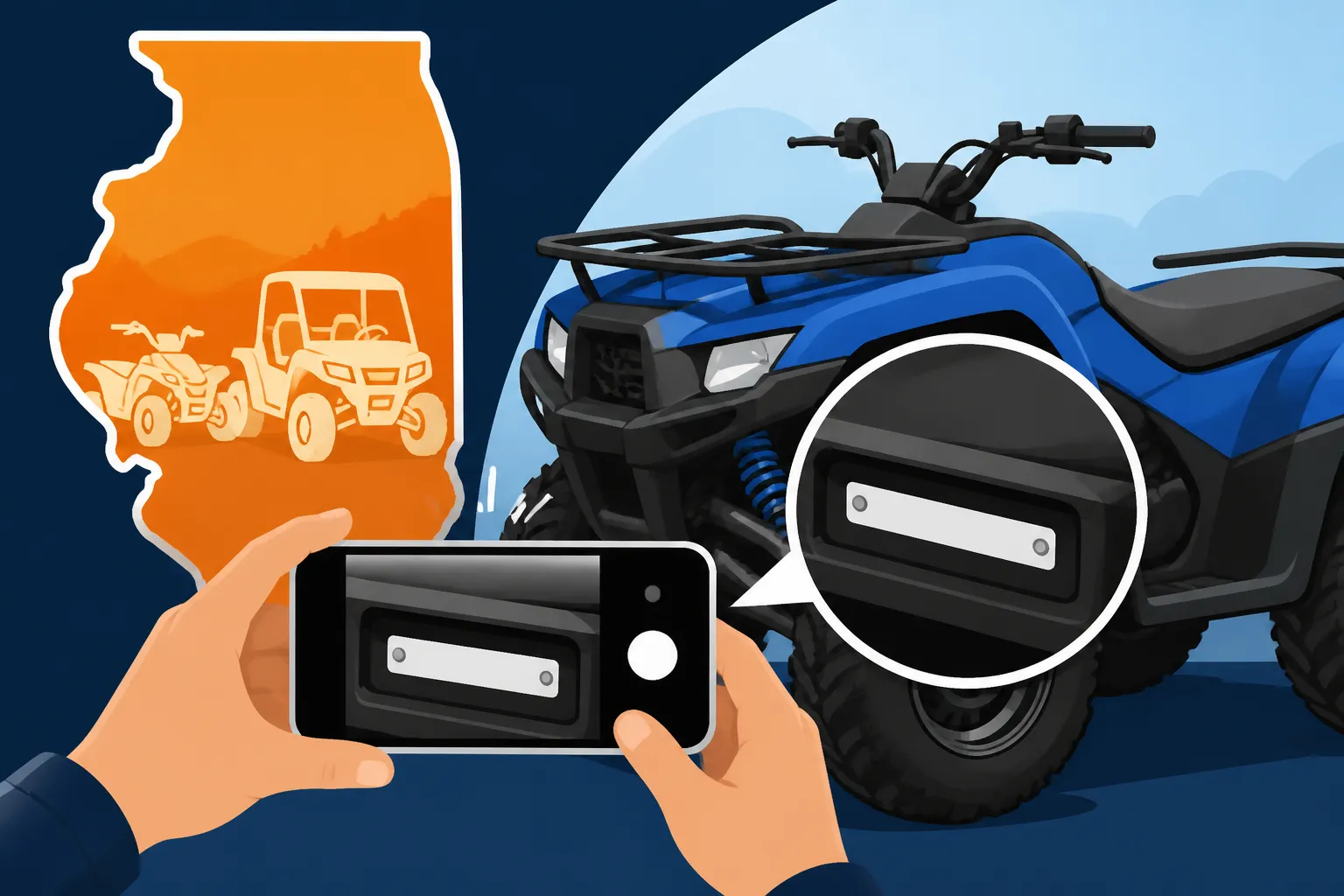
- Sharp Focus: This is critical. Make sure your camera or phone is focused directly on the VIN. Tap the screen on your phone to set the focus point directly on the numbers. If your phone has a macro mode, use it! A sharp, in-focus image where every character of the VIN is perfectly discernible is what you're aiming for. Take multiple shots from slightly different angles to ensure you get at least one perfect one.
Multiple Angles and Close-Ups
One photo simply isn't enough to capture all the necessary detail and context. Think like a detective building a case – you need comprehensive evidence.
- Wide Shot for Context: Start with a wider shot that shows the VIN in relation to the surrounding parts of the machine's frame. This proves the VIN is actually on your specific machine and hasn't been photoshopped onto a random background. This context is important for verifying the authenticity of the numbers.
- Mid-Range Shot: Move a bit closer, so the VIN takes up a significant portion of the frame, but you can still see some of the surrounding components. This bridges the gap between the wide context shot and the extreme close-up.
- Extreme Close-Up: This is where you get right in there. Take several very close-up photos, ensuring that each digit of the VIN is perfectly sharp and readable. If the VIN is long, you might need to take two or three overlapping close-ups to capture the entire sequence with clarity. Pay attention to any signs of tampering—even if you're not an expert, clear photos will show if numbers appear re-stamped, grinded, or altered.
- Angles for Legibility: Sometimes, depending on how the VIN is stamped and the lighting, a slightly different angle can make a huge difference in legibility. Experiment by moving your camera or phone around a bit. Take photos directly on, from slightly above, and slightly below. The goal is to get a completely unambiguous view of every single character.
Storing and Sharing Your Photos Securely
Once you've got these perfect photos, don't just leave them on your phone. They're valuable assets.
- Cloud Storage: Immediately upload your VIN and supporting photos to a secure cloud storage service (Google Drive, Dropbox, iCloud, etc.). This ensures that even if your phone is lost or damaged, you still have access to these critical files. It also helps you keep them organized.
- Time and Date Stamps: Many digital cameras and smartphones automatically embed metadata including the date and time a photo was taken. This is incredibly helpful for proving when you documented the VIN. If your camera settings allow, ensure this feature is enabled.
- Organized Folders: Create a specific folder for the machine you're selling, perhaps named "[Machine Year/Make/Model] – VIN Documentation – [Date]." This makes it easy to find them quickly if a buyer asks.
- Sharing with Buyers: When a potential buyer asks for the VIN, you can securely share these photos. Instead of just sending the VIN in a text, share the actual photo files (or a link to them in your cloud storage). This builds trust and allows them to perform their own checks, such as using the VIN to check for outstanding recalls, previous accident history, or if the machine has been reported stolen. This proactive approach makes a buyer feel much more confident and informed. You might also use a service like LawDepot to draft a comprehensive bill of sale that explicitly references the VIN and includes a clause stating the buyer has inspected it, further securing your transaction.
Beyond the Photos: Other Documentation for a Smooth Sale
While robust VIN photography is a critical layer of protection, it's just one piece of the puzzle. A truly smooth and secure sale involves a complete package of documentation.
The Importance of a Solid Bill of Sale
Think of a bill of sale as the legal handshake between you and the buyer. It’s more than just a receipt; it’s a legally binding document that outlines the terms of the sale, confirms the transfer of ownership, and protects both parties. Without it, you’re relying solely on verbal agreements, which can be incredibly hard to prove if a dispute arises down the road.
A good bill of sale should include:
- Seller and Buyer Information: Full legal names, addresses, and contact details for both parties.
- Vehicle Information: Make, model, year, and—most importantly—the complete VIN.
- Sale Price: The agreed-upon amount.
- Date of Sale: Crucial for establishing the transfer of responsibility.
- "As-Is" Clause: Most private sales of used ATVs/UTVs are "as-is," meaning the buyer accepts the machine in its current condition with no warranties from the seller. This clause protects you from future claims about mechanical issues that arise after the sale.
- Signatures: Both parties should sign and date the document. Some people even opt to have it notarized for extra legal weight.
Services like LawDepot offer customizable bill of sale templates specifically for vehicle sales, which can make drafting this document much easier and ensure you haven't missed any vital clauses. Having a professionally crafted bill of sale means there are fewer ambiguities, providing clarity and peace of mind for both you and your buyer. It’s an investment in a hassle-free future, preventing later claims about mechanical issues or misunderstandings about the terms of the deal.
Title and Ownership Documents
In Illinois, titling an ATV or UTV is mandatory for machines sold after 1998, even if they are not street legal. This means that a clean, properly endorsed title is essential for a legitimate sale. [Selling a Titled Machine in Illinois] highlights the importance of this.
When you sell your machine, you'll need to sign over the title to the new owner. This typically involves endorsing it on the back, providing the odometer/hour meter reading (if applicable), the sale price, and dating it. Make sure all fields are filled out accurately and completely. It's often recommended to complete this part of the transaction at a public place, like a bank or even a Secretary of State facility, to ensure everything is above board.
The buyer will then take this endorsed title to apply for their own new title. If your machine still has a lien on it, you’ll need to work with your lender to get the lien released before you can transfer a clear title. Don’t ever hand over the machine without a properly transferred title and bill of sale. Without these documents, neither party is truly protected, and the buyer may have trouble with the [Illinois Title Transfer After a Sale] process.
Maintenance Records and Accessories
While not legally required, providing maintenance records and a list of any accessories can add significant value to your sale and further build buyer confidence.
- Maintenance Records: A log of oil changes, filter replacements, tire rotations, and any repairs shows that you've cared for the machine. This documentation can justify a higher asking price and assures the buyer that they're getting a well-maintained vehicle. Even simple handwritten notes with dates and mileage/hours are better than nothing.
- Original Manuals: If you still have the owner's manual, include it! Buyers appreciate having this resource for understanding their new machine.
- List of Accessories: Detail any aftermarket parts, upgrades, or included accessories (winch, plow, extra tires, etc.). This helps set expectations and clarifies what the buyer is receiving.
By presenting a complete package—clear VIN photos, a solid bill of sale, a properly endorsed title, and maintenance records—you demonstrate utmost professionalism and transparency. This comprehensive approach minimizes the potential for disputes and ensures a smooth transaction, leaving both you and the buyer satisfied with the deal.
Table: Documentation for a Smooth ATV/UTV Sale
| Documentation Type | Seller Benefits | Buyer Benefits | Critical Details to Note |
|---|---|---|---|
| VIN Photographs | Proof of VIN's condition at sale; protection against fraud | Verifies machine's identity; allows pre-purchase VIN checks | Clear, well-lit, multiple angles; show context and close-ups of each digit. |
| Bill of Sale | Legal record of transfer; "as-is" clause protection | Legal proof of ownership; outlines terms; protects against future claims | Full details for both parties, vehicle, price, date, signatures. Consider LawDepot templates. |
| Signed-Over Title/MCO | Official transfer of ownership; fulfills legal requirement | Enables legal titling in buyer's name; ensures clear ownership history | Accurate VIN match; no liens; seller endorsement; accurate odometer/hours. |
| Odometer/Hour Meter Photo | Proof of exact usage at time of sale | Confirms mileage/hours; prevents misrepresentation disputes | Clear, well-lit photo of the display at time of VIN photos. |
| Maintenance Records | Justifies asking price; demonstrates good care | Reassurance of machine's health; helps anticipate future maintenance | Dates, services performed, parts used, mechanic (if applicable), mileage/hours. |
| Overall Machine Photos | Documents general condition; guards against damage claims | Shows cosmetic condition; manages expectations | Multiple angles from the same day as VIN photos. |
Disclaimer
This article is for general informational purposes only and does not constitute professional advice. Laws, prices and regulations vary by location and change over time. Consult a qualified professional for guidance on your specific situation.