Illinois Title When the VIN Is Gone
You've got an ATV or UTV that you love, maybe a family heirloom or a project machine, but there's a huge problem: the Vehicle Identification Number (VIN) is missing, rusted away, or simply non-existent. This situation can feel like a brick wall when you're trying to get a legal Illinois title, leaving you frustrated and worried your off-road adventures are stalled. This comprehensive guide will walk you through exactly what to do when your Illinois machine's VIN is gone, explaining the process of obtaining an assigned VIN so you can finally get that crucial title.
The Frustration of a Missing VIN for Titling
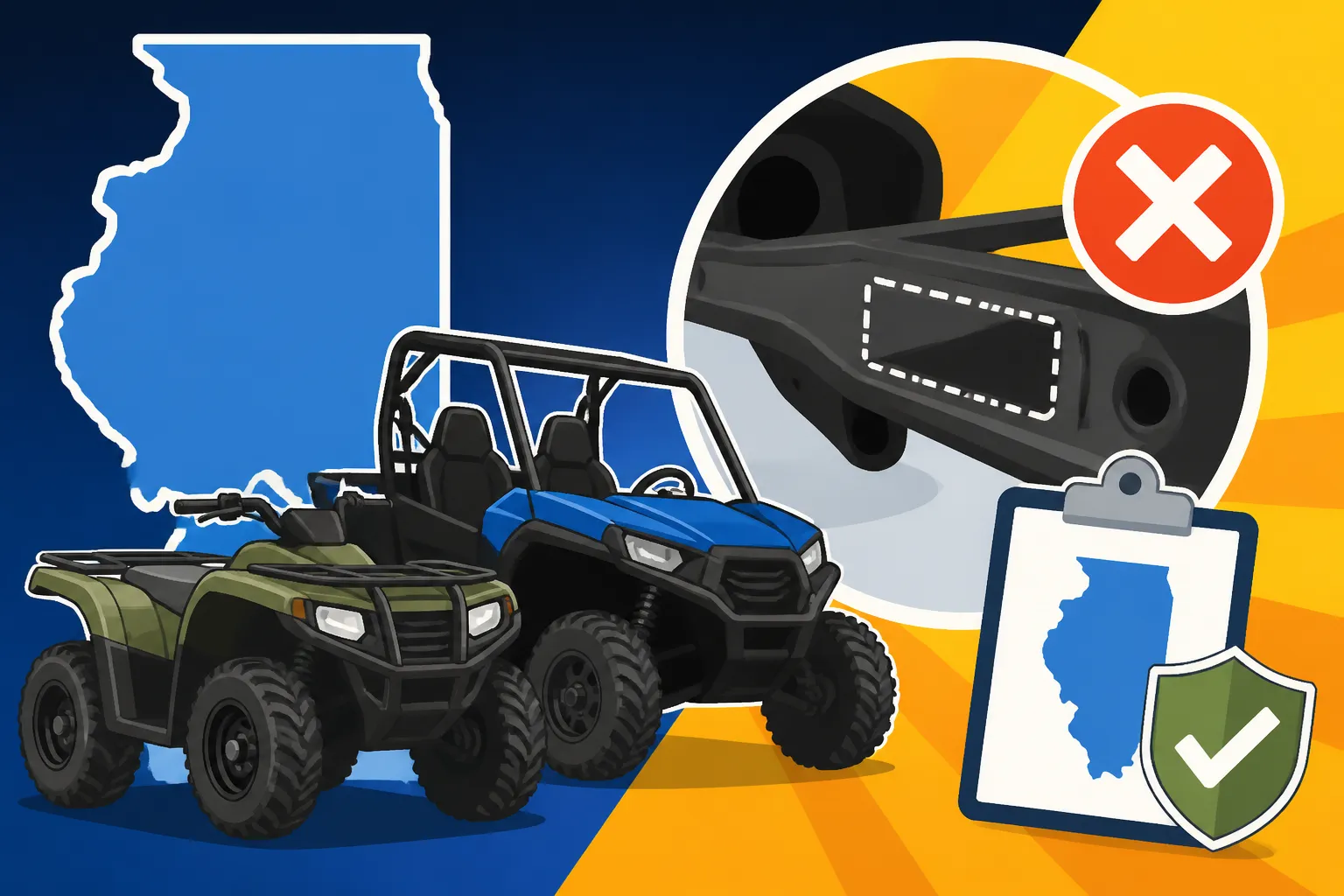
Let's be real, discovering your off-road machine doesn't have a clear, legible VIN when you're trying to title it in Illinois can be incredibly stressful. It's a common hurdle, especially with older quads, dirt bikes, or side-by-sides that have seen years of hard work, outdoor storage, or perhaps some less-than-ideal modifications. You might have inherited a machine, bought it from a private seller who lost the paperwork, or simply watched the elements slowly erase that vital identifying mark. Whatever the reason, you're now faced with a problem that seems insurmountable.
Why a VIN is Absolutely Critical for an Illinois Title
From the state's perspective, the VIN isn't just a random string of numbers and letters; it's the unique fingerprint of your machine. It's how Illinois tracks ownership, prevents theft, and ensures that any machine operating on public or grant-assisted lands meets legal requirements. Without a clear VIN, the state has no way to properly identify your ATV or UTV, which means they can't issue a legal title. Think of it like trying to get a driver's license without a birth certificate – it's the fundamental piece of identification that everything else builds upon. The VIN confirms the machine's make, model, year, and even manufacturing plant, all crucial data points for establishing its legitimacy and proving that it belongs to you. This is why when you apply for an Illinois title, the VIN is one of the first things they'll ask for and verify. [Illinois ATV Title Certificates Explained] are built entirely around the presence of this unique identifier.
Common Scenarios Where a VIN Goes Missing
The reasons a VIN might disappear are varied and often beyond your control, which makes the situation all the more exasperating. Perhaps you have an older quad that's been ridden hard for decades, and the VIN plate simply rusted away from exposure to mud, water, and road salt. Maybe you acquired a machine that was poorly repainted, and the VIN was inadvertently painted over or sanded off. In some cases, previous owners, perhaps trying to avoid taxes or hide a stolen machine, might have intentionally tampered with or removed the VIN. For homemade machines or those extensively rebuilt from parts, a factory VIN might never have existed in the first place, or the original VIN from the donor frame might be untraceable. Farm machines, often left outdoors or subjected to harsh conditions, are particularly susceptible to VIN degradation over time. You might have carefully looked everywhere the VIN should be, under fenders, on the frame, near the engine, and come up empty. It’s a common frustration for many enthusiasts.
The Immediate Roadblocks You'll Face
When you show up at a Secretary of State facility or try to submit your paperwork to the Illinois Department of Natural Resources (DNR) without a clear, verifiable VIN, you're going to hit a wall. Your application for an [Applying for an Illinois Off-Road Title] will be rejected. The clerks and officials are bound by strict regulations that mandate a complete and accurate VIN for all titling purposes. They can't just take your word for it. They need that number to run checks against stolen vehicle databases and to properly record your ownership. Without it, the process grinds to a halt. This means no legal title, which in turn means you can't officially sell the machine, you might struggle to get insurance, and you certainly can't legally ride it on public or grant-assisted lands where proof of ownership might be requested. It feels like an endless loop of bureaucracy.
Navigating the Process When Your VIN Is Gone
Alright, so the VIN is gone. Don't panic. While it's a significant hurdle, Illinois does have a process for these situations. It won't be as straightforward as a typical title application, but with patience and diligence, you can get your machine legitimized. The key is understanding that the state needs to assign a new, unique identifier to your machine, essentially creating a paper trail where none existed before.
Exhausting All Avenues to Find the Original VIN
Before you even think about applying for an assigned VIN, you need to do a thorough, almost forensic, search for the original. You’d be surprised where manufacturers sometimes hide secondary VINs or partial VINs.
- Check Every Inch of the Frame: Look under the seat, on the steering neck, near the engine mounts, along the main frame rails, and even near the footpegs. Sometimes there are stampings in less obvious places that might have survived where the main plate didn't.
- Engine Block: Some engines have their own serial numbers that, while not a full VIN, can sometimes be cross-referenced by a manufacturer or a seasoned mechanic to the original machine.
- Old Paperwork: Did the previous owner (or you, if you’ve had it a while) ever have any old registration cards, insurance documents, or even an owner's manual? These might list the VIN. Even a receipt from a long-ago service or parts purchase could contain it.
- Manufacturer Websites/Dealers: If you know the make and approximate year, sometimes a manufacturer's customer service can provide guidance on VIN locations or even retrieve a VIN from other identifiers if you can provide them. A dealer for that brand might also have specialized knowledge.
- Photos: Go through old photos of the machine. Perhaps a clear shot of the VIN plate exists in an album from years ago, before the rust or damage occurred.
Make sure you've truly exhausted these options before moving on, as proving you've tried to find the original VIN is part of the credibility you'll need when dealing with state officials.
The Illinois DNR's Role in VIN Verification
For off-highway vehicles (OHVs) in Illinois, the Department of Natural Resources (DNR) plays a crucial role, especially when it comes to VIN issues. Unlike cars and trucks, which are primarily handled by the Secretary of State, OHVs often fall under the DNR's jurisdiction for inspections related to titling anomalies. If you cannot locate the VIN, your next step will be to contact the Illinois DNR Office of Law Enforcement. They are the ones who can schedule an inspection of your machine.
When you contact them, be prepared to explain your situation clearly and concisely. They will likely want to know:
- The make, model, and approximate year of your machine.
- How you acquired it (e.g., private sale, inheritance, found).
- All the places you've already looked for the VIN.
- Any existing paperwork you do have, even if it's incomplete.
The DNR officer will then arrange to physically inspect your ATV or UTV. This isn't just a quick glance; they are looking for any signs of tampering, theft, or hidden numbers. They'll also verify the machine type and ensure it matches any description you've provided. Their primary goal is to ensure the machine is legitimate before the state proceeds with assigning a new VIN.
Applying for an Assigned VIN (ASVIN)
Once the DNR has confirmed that the original VIN is indeed gone and there's no foul play involved, they will initiate the process for an Assigned Vehicle Identification Number (ASVIN). This is where Illinois effectively creates a new identity for your machine.
The process typically involves:
- DNR Inspection Report: The DNR officer will complete a detailed report of their inspection, noting the absence of the original VIN and any other identifying marks or characteristics of the machine.
- Application Form: You will need to complete specific application forms for an assigned VIN. These forms are designed for situations where a VIN is missing or illegible. They will ask for detailed descriptions of the machine, how it was acquired, and why the original VIN is not present.
- Proof of Ownership: This is paramount. Even without a VIN, you need to demonstrate legitimate ownership. This might include an old bill of sale (even if it's just a handwritten one), a notarized affidavit from the person you bought it from, inheritance documents, or even a sworn statement explaining how you came into possession of the machine. The stronger your proof, the smoother this process will be.
- Fee Payment: There will be a fee associated with applying for an assigned VIN. This covers the administrative costs and the inspection itself.
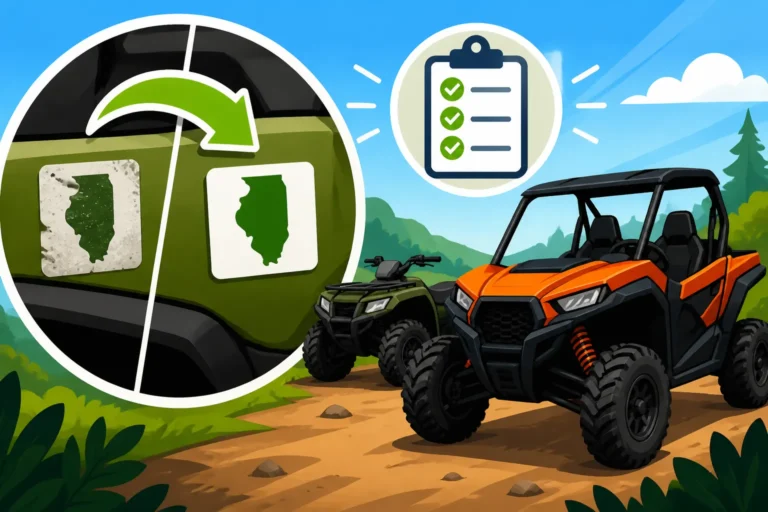
- Placement of the ASVIN: If approved, the DNR will provide you with a new, permanent VIN plate or sticker that must be securely attached to your machine in a visible location. This ASVIN will then be used for all future titling, registration (if applicable), and ownership records. This new number becomes the official identifier of your machine for its remaining life. This is a crucial step towards finally getting your [Illinois ATV Title Certificates Explained].
Preparing Your Paperwork and Machine for Inspection
Getting an assigned VIN isn't a casual affair; it requires careful preparation. The better prepared you are, the more efficiently the process will go and the higher your chances of a smooth approval. Think of it as presenting your case to the state – you want to be organized and thorough.
Essential Documents for a Missing VIN Application
Even without a VIN, you likely have some pieces of information that can help prove your claim. Gather absolutely everything you can:
- Bill of Sale: Even if it's an old, informal one, any document showing you purchased the machine is valuable. If you don't have one, or if it's incomplete, consider drafting a detailed affidavit or using a template from a service like LawDepot to create a clear statement of how you acquired the machine. You might need to track down the previous owner, if possible, to have them sign an affidavit. A clear chain of custody, even if informal, is incredibly helpful. This is particularly important for situations like [Illinois Title Without a Bill of Sale] where proving ownership can be tricky.
- Photos of the Machine: Take clear, well-lit photos of every angle of your ATV or UTV. Include close-ups of where the VIN should be, showing its absence or illegibility. These photos serve as supporting evidence for the DNR inspector.
- Any Old Registration or Insurance Cards: Even if they're expired, these documents might contain identifying information that predates the VIN going missing.
- Maintenance Records or Receipts: Did you ever have the machine serviced? Did you buy any major parts for it? These receipts might have a serial number or a partial VIN, or at the very least, establish your long-term possession of the machine.
- Sworn Affidavit: If all else fails regarding a bill of sale, a notarized affidavit from you, detailing how and when you acquired the machine, the circumstances of the VIN's disappearance, and your attempts to locate it, can be a crucial document. Services like LawDepot can provide templates for such legal documents, ensuring you include all necessary information.
- Identification: Always have your valid Illinois driver's license or state ID ready.
The more complete your documentation, even if circumstantial, the stronger your case for legitimate ownership and the need for an assigned VIN.
What to Expect During an Illinois ASVIN Inspection
When the Illinois DNR officer comes to inspect your machine, they are primarily looking to confirm two things: that the original VIN is truly gone or unreadable, and that the machine isn't stolen or cobbled together from illegal parts.
- Physical Examination: The officer will meticulously examine your ATV or UTV. They will look for any hidden or secondary VINs, stampings, or identification marks. They'll also check for signs of tampering, grinding, or re-stamping that might indicate an attempt to obscure the original VIN for illicit purposes.
- Machine Condition: While not directly about the VIN, a machine that is clean and well-maintained (to the best of your ability) demonstrates responsibility. Make sure the machine is easily accessible; don't make the officer crawl through mud or under heavy brush.
- Questioning: Be prepared to answer questions about the machine's history, how you acquired it, and what efforts you've made to find the original VIN. Be honest and consistent in your answers.
- Proof of Ownership Review: The officer will review all the documents you've gathered. Be ready to explain any gaps or ambiguities in your paperwork.
The goal here is not to trip you up, but to ensure that the state is not inadvertently titling a stolen or problematic machine. Cooperation and transparency on your part will go a long way.
Potential Challenges and How to Overcome Them
Navigating the assigned VIN process isn't always smooth sailing. You might encounter a few bumps along the way:
- Lack of Clear Ownership: This is perhaps the biggest challenge. If you truly have no bill of sale, no old registration, and no one to vouch for the machine's history, it can be very difficult to prove legitimate ownership. In such cases, the DNR might require a more extensive investigation, or even suggest seeking legal counsel to determine the best path forward. Sometimes, simply having a long history of possession, verifiable by neighbors or photos, can help.
- Discrepancies in Information: If the machine's appearance doesn't quite match a vague description on an old bill of sale, or if there are conflicting accounts, the officer might delay approval. Be upfront about any known modifications or changes to the machine's original state.
- Rejection of Application: It's possible your initial application could be denied if the DNR has concerns about the machine's origin or your proof of ownership. If this happens, don't give up immediately. Ask for specific reasons for the denial, and what steps you can take to address those concerns. It might mean gathering more documents, finding additional witnesses, or even contacting a legal professional for advice.
- Time Delays: This process can take time, especially if inspections need to be scheduled or if additional information is requested. Be patient and follow up politely if you haven't heard back within a reasonable timeframe. [Illinois Title Processing Time] can vary, and a missing VIN adds complexity.
Being proactive, organized, and persistent are your best tools for overcoming these challenges.
Life After Getting Your ASVIN and Title
Congratulations! After all that effort, you’ve successfully obtained an Assigned Vehicle Identification Number and your Illinois title. This isn’t just a piece of paper; it’s the legal recognition of your ownership and the gateway to all the legal riding opportunities Illinois offers.
The Significance of Your New Assigned VIN
Your new ASVIN is now the official and permanent identifier for your ATV or UTV. From this point forward, it functions exactly like any factory-stamped VIN. This number will be printed on your Illinois title certificate, and it will be used for all future transactions, including selling the machine, insuring it, or if you ever need a [Illinois Duplicate Title Cost]. It’s a testament to your hard work in legitimizing your machine. This ASVIN is unique to your specific machine and is permanently etched into the state’s records, ensuring it can be tracked and identified moving forward.
Understanding Your Responsibilities with the New Title
With your new title in hand, there are a few important responsibilities to keep in mind:
- Keep Records Safe: Just as you would with any other important document, keep your title certificate in a secure place. Don't carry it on the machine when you're riding, but have access to it when needed.
- Future Sales: When it comes time to sell your machine, the ASVIN will be transferred to the new owner, just like a regular VIN. You’ll follow the standard process for a [Illinois Title Transfer After a Sale], ensuring the buyer receives the properly executed title. Make sure to clearly communicate to any potential buyers that the machine has an assigned VIN, explaining its legitimacy and how it was obtained.
- Maintenance of the ASVIN Plate: Ensure the physical ASVIN plate or sticker provided by the DNR remains securely attached and legible on your machine. This is its new identity, and damaging or losing it could create future headaches.
- Compliance with Other Regulations: Having a title with an ASVIN doesn't exempt you from other Illinois OHV regulations. You'll still need to ensure your machine meets requirements for riding, such as displaying an [Illinois OHV Usage Stamp Explained] or an [Illinois Public Access Decal Explained] depending on where you plan to ride.
The Broader Implications for Your Off-Road Adventures
Now that your ATV or UTV is legally titled with an assigned VIN, a whole new world of riding opportunities opens up. You can confidently plan trips to Illinois's grant-assisted riding areas or private parks.
- Riding on Grant-Assisted Sites: With a legal title and the appropriate [Illinois Public Access Decal Rules], you can now ride at sites like Sahara Woods or Mill Creek Park. These sites are often funded in part by grant money, and require legally titled and registered (via stamp/decal) machines. You can even consider booking permits for places like [Illinois Sahara Woods Permits].
- Insurance: Most insurance companies require a legal title to issue a comprehensive policy for your off-road machine. With your ASVIN and title, you can now obtain proper coverage for theft, damage, or liability, giving you greater peace of mind on the trails or even just while the machine is stored.
- Resale Value: A machine with a legal, assigned VIN and a clear title will have significantly better resale value than one without any documentation. Buyers are far more likely to invest in a machine that is fully legitimate.
- Peace of Mind: Perhaps most importantly, you'll have the peace of mind that comes from knowing your machine is fully legitimate in the eyes of the law. No more worrying about potential issues if a conservation officer asks for proof of ownership while you're out enjoying the trails.
Getting an Illinois title when the VIN is gone is a journey, but it's a journey well worth taking to fully enjoy your off-road machine in the Prairie State.
Disclaimer
This article is for general informational purposes only and does not constitute professional advice. Laws, prices and regulations vary by location and change over time. Consult a qualified professional for guidance on your specific situation.