Illinois Charges $17 for a Rental Decal
Operating an ATV or UTV rental business in Illinois comes with its own unique set of regulations, and one of the most frequently misunderstood is the requirement for a special rental decal. It’s easy to get caught up in the excitement of building a fleet of machines, but overlooking this crucial sticker can lead to unexpected fines and a lot of headaches. This guide is here to walk you through exactly what the Illinois rental decal is, why it costs $17, who needs it, and how to make sure your rental operation stays compliant and smooth sailing across the Prairie State.
Understanding the Illinois Rental Decal
For those in the business of offering ATVs and UTVs for hire, understanding the specific permits and stickers required by the State of Illinois is paramount. It's not just about having a machine; it's about having a properly permitted machine that's ready for commercial use. The rental decal is a specific part of that puzzle, designed to clearly identify machines that are part of a commercial operation.
What is the Illinois Rental Decal?
The Illinois rental decal is a specific sticker issued by the Illinois Department of Natural Resources (DNR) that signifies an off-highway vehicle (OHV) is part of a commercial rental fleet. Think of it as a special badge for your business's machines. Unlike the standard [Illinois Public Access Decal Explained] or the [Illinois OHV Usage Stamp Explained] which are typically for privately owned machines, the rental decal is explicitly for vehicles you intend to rent out to others. It's a clear marker to conservation officers and park staff that this machine is engaged in a commercial activity, ensuring proper funding and oversight for public riding areas.
This decal is critical for any business, whether you're a small outfitter with a few quads or a larger operation with dozens of side-by-sides. It signals that your machine is authorized for use on designated grant-assisted trails and other approved riding areas where public access decals are required. Without it, even if you have a usage stamp or a regular public access decal, you could face penalties because your machine isn't correctly identified for its commercial purpose. It's about maintaining a clear distinction between personal recreational use and a for-profit service.
Why is a Special Decal Needed for Rentals?
You might wonder why a rental operation can't just slap a regular public access decal or usage stamp on their machines. The reason is multifaceted, but primarily it comes down to accountability, funding, and the unique nature of commercial operations. When you rent out an OHV, you're introducing a machine into the riding ecosystem that will likely see more diverse usage and potentially more operators than a privately owned vehicle. The state needs a way to track these commercial entities and ensure they contribute appropriately to the maintenance and development of OHV resources.
The funds generated from the sale of rental decals contribute directly to the grant-in-aid program that supports and maintains public OHV riding areas across Illinois. This means that when you purchase a rental decal, you're directly investing in the trails and facilities your customers will use. It's a way for commercial operations, which benefit financially from these resources, to help sustain them. Furthermore, it helps the DNR monitor the commercial presence on trails, which can inform decisions about trail capacity, safety regulations, and resource allocation. It's about ensuring fairness and sustainable management for all users, whether they own their machine or rent one for the weekend.
The $17 Price Tag: Breaking Down the Cost
The specific cost for an Illinois rental decal is $17. This figure is set by the state and is distinct from the costs for resident decals, non-resident decals, or usage stamps. When you purchase this decal, that $17 covers the fee associated with granting your rental machine access to grant-assisted OHV riding sites for the specified period. It's a fixed cost per machine, per year.
While it might seem like just another fee, it's essential to view it within the broader context of operating a legitimate business. This fee is relatively modest when considering the access it grants and the potential fines it helps you avoid. The revenue from these decals helps cover administrative costs for the DNR, including the processing and distribution of the decals, as well as contributing to the ongoing maintenance of trails and facilities. It's not just a sticker; it's a permit to operate your commercial rental machine compliantly on designated public lands that receive state funding. For a business with a fleet of machines, this cost multiplies, so it's a critical line item in your annual budget planning.
Who Needs to Acquire the Rental Decal?
The question of "who needs this decal?" is a common one, and the answer isn't always immediately obvious, especially for businesses that might operate across state lines or in unique capacities. It's crucial to correctly identify if your operation falls under the purview of this requirement to ensure full compliance.
Businesses Operating Rental Fleets
Any business, individual, or entity that charges a fee for the temporary use of an ATV or UTV in Illinois must equip each of those machines with an Illinois rental decal. This definition is quite broad and covers a wide array of commercial operations. For example, if you run an adventure tour company that includes ATV rides, each ATV provided to your clients must have a rental decal. The same applies if you own a resort that offers side-by-sides as an amenity for an extra charge, or a dedicated off-road rental shop in a town near a popular riding area.
It's not just about the profit motive; it's about the transaction. If money changes hands for the use of the machine, it falls under the rental category. Even if you consider it a "lease" or a "loan with a fee," if it's not permanently changing ownership, it's likely a rental in the eyes of the Illinois DNR. The decal is your proof that you've met this specific commercial requirement. Businesses should plan to acquire a rental decal for every single machine in their fleet that will be used for rental purposes within the state's designated riding areas. Without it, you could face stiff penalties, and your business's reputation could be impacted.
Out-of-State Rental Companies Operating in Illinois
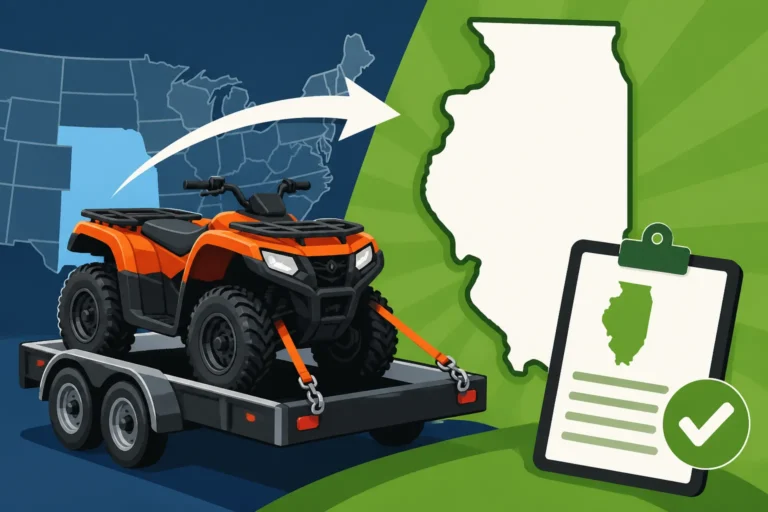
This is where things can get a bit more nuanced. If you're an ATV or UTV rental company based in, say, Missouri or Indiana, and you bring your machines into Illinois for clients to use, you are still subject to Illinois's decal requirements. It doesn't matter where your business is legally domiciled; if the machines are being rented and operated within Illinois borders, they must comply with Illinois law. This means that each of your rental machines, even if they have equivalent permits from your home state, must also bear an Illinois rental decal when used here.
The Illinois DNR makes no distinction between an Illinois-based rental business and an out-of-state one when it comes to the decal requirement. The rules apply equally. This is particularly important for operations that might cater to events or specific tour groups that cross state lines. You can't assume that your home state's registration or permit is sufficient. Always verify the specific requirements for any state where you plan to operate commercially. Failure to do so can result in your machines being impounded, significant fines, and a halt to your operations. [Illinois Rules for a Visiting Missouri Rider] will shed more light on considerations for out-of-state riders, but for commercial operations, the rental decal is non-negotiable.
Grant-Assisted Riding Sites That Offer Rentals
Some of Illinois's [Illinois Grant-Assisted Riding Areas] may also operate their own rental fleets. These could be county parks, private lodges that have received state grants, or other facilities that offer OHV rentals as part of their services. In these cases, even though the site itself benefits from state funding and is a designated riding area, any machines they rent out to the public must still display the Illinois rental decal. The fact that they are a grant-assisted site does not exempt their commercial rental operations from this specific requirement.
The logic here is consistent: the decal identifies the commercial nature of the machine's use. While the site may receive grants for trail maintenance, the rental operation is a separate commercial endeavor. It ensures that the revenue generated from those rentals indirectly contributes back to the broader OHV program through the decal fees. So, if you're managing a park or lodge that offers rentals, make sure to budget for and acquire these decals for every machine you provide to guests for a fee. [Who Buys the Decal on a Rented Quad] clarifies that the responsibility typically falls on the rental provider.
The Application and Placement Process
Acquiring and properly displaying your Illinois rental decals is just as important as knowing you need them. Getting the process right ensures your fleet is ready to roll without any compliance issues.
How to Purchase Illinois Rental Decals
Acquiring Illinois rental decals is a fairly straightforward process, primarily managed through the Illinois Department of Natural Resources (DNR). Businesses can typically purchase these decals either online through the DNR's designated portal or through authorized [Illinois DNR Direct Vendors]. Many vendors who sell hunting and fishing licenses, as well as other state permits, are also authorized to sell OHV decals and stamps.
When purchasing, you will need to provide specific information about your business and potentially your fleet. While you won't need to provide individual VINs for each decal at the point of purchase, you will be purchasing the appropriate number of decals for your fleet. It's always a good idea to keep accurate records of your purchases, including the date, number of decals, and any transaction identifiers. For larger fleets, consider purchasing decals well in advance of the riding season or your peak rental periods to avoid any last-minute delays. It's much like renewing other business licenses or permits, requiring a proactive approach to ensure seamless operation.
Proper Placement on the Rental Machine
Once you have your Illinois rental decals in hand, proper placement on each machine is absolutely critical. The decal isn't just a receipt; it's meant to be visible proof of compliance to anyone checking, especially conservation officers. Illinois law specifies that the access decal, which includes the rental decal, must be mounted "front and center" on the machine. This means it needs to be affixed to the forward-most part of the OHV, in a location that is easily seen and read without obstruction.
Imagine a conservation officer approaching your rental machine at a trailhead. They shouldn't have to search for the decal. It should be immediately apparent. Common placement areas include the front fender, the hood, or the dashboard (if applicable and visible from the front). Ensure the surface is clean and dry before applying the decal to maximize adhesion and prevent it from peeling off during rides. Placing it incorrectly or in an obscured location could still lead to issues, even if you’ve purchased the decal. It's not just about having it; it's about making it easily verifiable. [Illinois Decals Mounted Front and Center] details this requirement for all access decals.
Renewal and Managing Your Fleet's Decals
The Illinois rental decal, like other access decals and usage stamps, is not a one-time purchase. It needs to be renewed annually. The decal year typically runs from April 1st through March 31st of the following year. This means you’ll need to plan for renewals each spring to keep your rental fleet compliant for the upcoming riding season. For a business with multiple machines, managing these renewals can become a significant administrative task.
Consider setting up a system for tracking each machine and its decal expiration date. A simple spreadsheet noting VINs, decal numbers, and purchase dates can be incredibly helpful. You might also integrate this into your existing fleet management software. Proactive renewal is key; you don't want to find yourself with a fleet of non-compliant machines on a busy holiday weekend because you missed the renewal window. Staying organized ensures that your business can continue to operate without interruption, keeping your machines on the trails and your customers happy. [Illinois Usage Stamps Expire March 31] is a good reference for the general annual cycle of these permits.
Integrating the Rental Decal with Other Illinois OHV Requirements
The rental decal is one piece of the regulatory puzzle for commercial ATV/UTV operations in Illinois. It's vital to understand how it fits in with other requirements, particularly titling and insurance, to ensure comprehensive compliance.
Decals vs. Usage Stamps: A Key Distinction
One of the most common points of confusion for both private owners and rental operators is the difference between the Illinois Public Access Decal (which includes the rental decal) and the [Illinois OHV Usage Stamp Explained]. While both are stickers issued by the DNR and both generate funds for OHV programs, they serve different primary purposes and often have different requirements. The key distinction, as illuminated in [Why the Two Stickers Exist], is that the Access Decal (including rental) is specifically for use on grant-assisted OHV riding sites, which are designated public areas. The Usage Stamp, on the other hand, is generally for off-road use on private property or on sites that do not receive grant assistance and therefore do not require the access decal.
However, here's a critical point for rental businesses: an Illinois rental decal cancels out the need for a usage stamp when operating on grant-assisted sites. If your rental machines are used exclusively on sites that require the public access decal (like Sahara Woods or other grant-assisted areas), you only need the rental decal. You do not need both. If your rental operations involve riding on private land not connected to a grant-assisted program, and you don't intend for the machines to ever touch a grant-assisted trail, then a usage stamp might technically suffice. But for any rental business aiming to offer access to legitimate public riding opportunities, the rental decal is the appropriate and comprehensive choice. It grants the broadest necessary access for commercial operations on public lands.
Titling Your Rental Fleet
Beyond the decal, every ATV and UTV in your rental fleet that operates in Illinois must also be properly titled. Illinois is a "title-only" state for OHVs, meaning while machines require a title, they are not registered for road use in the traditional sense, as explained in [Illinois Titles but Does Not Register ATVs]. This means each machine needs its own unique title certificate, verifying ownership. This is separate from the decal, which is a permit for use.
When you purchase new machines for your rental fleet, you'll go through the titling process, typically at an [Illinois Secretary of State Facilities] or through the [Illinois Electronic Registration and Title System]. If you're buying used machines, you'll need to process a [Illinois Title Transfer After a Sale]. Ensuring every machine has a clear title is not just a legal requirement but also a crucial business practice. It protects your investment, proves ownership, and simplifies tracking and potential resale of your assets. The title is the fundamental legal document of ownership, while the decal is the annual permit for specific types of use. This is why it's a critical step in setting up an [Illinois Title for a Rental Fleet].
Insurance and Liability for Rental Operations
For any business, especially one involving vehicles and public interaction, robust insurance is not just a good idea—it's absolutely essential. While Illinois may have specific [Illinois Insurance Minimums for Street Use] for vehicles driven on public roads, off-road rental operations present unique liability challenges. Your rental decal ensures access to trails, but it doesn't provide a shield against accidents or injuries.
You'll need comprehensive liability insurance that specifically covers commercial ATV/UTV rental operations. This type of policy goes far beyond what a private owner might carry. It needs to account for potential injuries to renters, damage to your machines, and third-party property damage. When drafting rental agreements, perhaps using a template from a service like LawDepot, always ensure you include clear clauses regarding liability, waivers, and the renter's responsibilities. It's a critical layer of protection for your business, your employees, and your customers. Consult with an insurance professional specializing in recreational vehicle rentals to ensure you have adequate coverage, as the cost of an incident far outweighs the annual insurance premiums.
Common Challenges and Best Practices for Rental Businesses
Running an ATV/UTV rental business can be incredibly rewarding, but it's not without its challenges. Staying on top of regulations, managing customer expectations, and preventing problems before they start are key to a successful and sustainable operation.
Avoiding Penalties and Fines
The consequences of non-compliance with Illinois's OHV regulations, including the rental decal requirement, can be costly. If a conservation officer encounters your rental machine on a grant-assisted trail without the proper rental decal, your business could face significant [Illinois Penalties for No Decal]. These fines can quickly add up, especially if you have multiple machines found to be non-compliant. Beyond the financial hit, such violations can damage your business's reputation and lead to operational delays, such as machines being temporarily taken out of service.
The best practice here is constant vigilance. Implement a checklist for every machine before it leaves your facility: Is the rental decal current? Is it properly affixed? Is the machine titled? Is it in safe operating condition? Regular audits of your fleet's compliance documentation are also crucial. Remember, the cost of a $17 rental decal pales in comparison to the hundreds or thousands of dollars in fines and lost business that can result from a single violation.
Educating Renters on Illinois OHV Rules
Your responsibility doesn't end once you hand over the keys and a properly decaled machine. As a rental operator, you play a crucial role in educating your customers about safe and legal OHV operation in Illinois. Many renters, especially those new to the sport or visiting from out of state, might be unaware of local rules and regulations. This includes basic safety practices, designated riding areas, speed limits, and even environmental considerations like staying on marked trails.
Develop a clear, concise pre-ride briefing and provide written materials that renters can take with them. This should cover key Illinois OHV rules, emergency procedures, and contact information. Requiring renters to sign a comprehensive rental agreement, which you can easily create and customize using a service like LawDepot, ensures they acknowledge understanding these rules and accept responsibility for their actions. This not only promotes safety but also helps to mitigate your business's liability in the event of an incident. Informed renters are safer renters and are less likely to encounter issues that could reflect poorly on your business.
Maintaining Records and Staying Organized
For any rental business, meticulous record-keeping is a foundational best practice. This extends beyond financial transactions to encompass all aspects of your fleet's compliance. Maintaining organized records for each machine's title, rental decal purchase and renewal dates, maintenance history, and specific rental agreements is essential. Imagine a scenario where a question arises about a particular machine's compliance, or an incident occurs on a specific rental date. Having immediate access to accurate records can save you immense time and stress.
Digital systems for fleet management are invaluable for this, allowing you to track decal expiration dates and generate reminders for renewal. Store copies of all rental agreements, waivers, and insurance documents in an easily accessible format. This level of organization not only helps you stay compliant but also provides valuable data for business analysis, maintenance scheduling, and swift responses to any inquiries from authorities or customers. When park staff have [Illinois Permit Questions Parks Hear], being able to provide clear documentation on the spot is a huge advantage.
Financial Considerations for Rental Operators
Operating an ATV/UTV rental business in Illinois involves various financial outlays, and understanding how the rental decal fits into your overall budget is crucial for profitability and sustainability.
Budgeting for Decal Costs
The $17 cost for an Illinois rental decal, while seemingly small on its own, needs to be multiplied by the number of machines in your fleet and by the number of years you plan to operate them. For a business with, say, 20 ATVs and UTVs, that's $340 annually just for rental decals. While this might not break the bank, it's a recurring operational expense that must be factored into your budgeting.
When you're planning your annual budget, allocate a specific line item for "OHV Decal and Permit Fees." This will help you track and manage this expense effectively. Consider the growth of your fleet as well; if you plan to expand, your decal costs will increase proportionally. By proactively budgeting for these recurring fees, you avoid surprises and ensure that your fleet remains legally compliant without disrupting your cash flow. It's a fundamental part of calculating your overall [Illinois Cost of Ownership Year One] for each machine, and subsequent annual costs.
Passing Costs to Customers vs. Absorbing Them
Once you've calculated your annual rental decal expenses, a strategic business decision arises: do you absorb this cost as part of your operational overhead, or do you pass it directly (or indirectly) to your customers? There are arguments for both approaches. Absorbing the cost might allow you to advertise a slightly lower headline rental price, potentially attracting more customers. However, it directly impacts your profit margins.
Alternatively, you could factor the decal cost, along with other permit and insurance fees, into your overall pricing structure. Some businesses choose to break down additional fees transparently, itemizing a "permit fee" or "regulatory fee" on the customer's invoice. This transparency can sometimes be appreciated, but too many add-on fees can also deter customers. The best approach often involves bundling these costs into a competitive overall rental rate, ensuring profitability while remaining attractive to your target market. Your pricing strategy will depend on your local market, competition, and your business's overall financial goals.
The Return on Investment: Access and Compliance
While the rental decal represents a cost, it's also an investment with a significant return: legal access to Illinois's grant-assisted OHV riding areas and the peace of mind that comes with full compliance. Without the rental decal, your machines cannot legally operate on these popular public trails, which could severely limit your business's appeal and operational scope. The ability to offer customers access to well-maintained, state-supported trails is a major selling point for any rental operation.
Furthermore, compliance protects your business from the financial and reputational damage of penalties. Imagine having to shut down your operations for a weekend, or multiple machines impounded, due to missing decals. The lost revenue and negative publicity would far outweigh the annual $17 per machine cost. By investing in the rental decal, you're not just buying a sticker; you're buying access, legal protection, and the right to operate your commercial enterprise legitimately within Illinois. It's an essential component for any successful and sustainable ATV/UTV rental business in the state.
Disclaimer
This article is for general informational purposes only and does not constitute professional advice. Laws, prices and regulations vary by location and change over time. Consult a qualified professional for guidance on your specific situation.