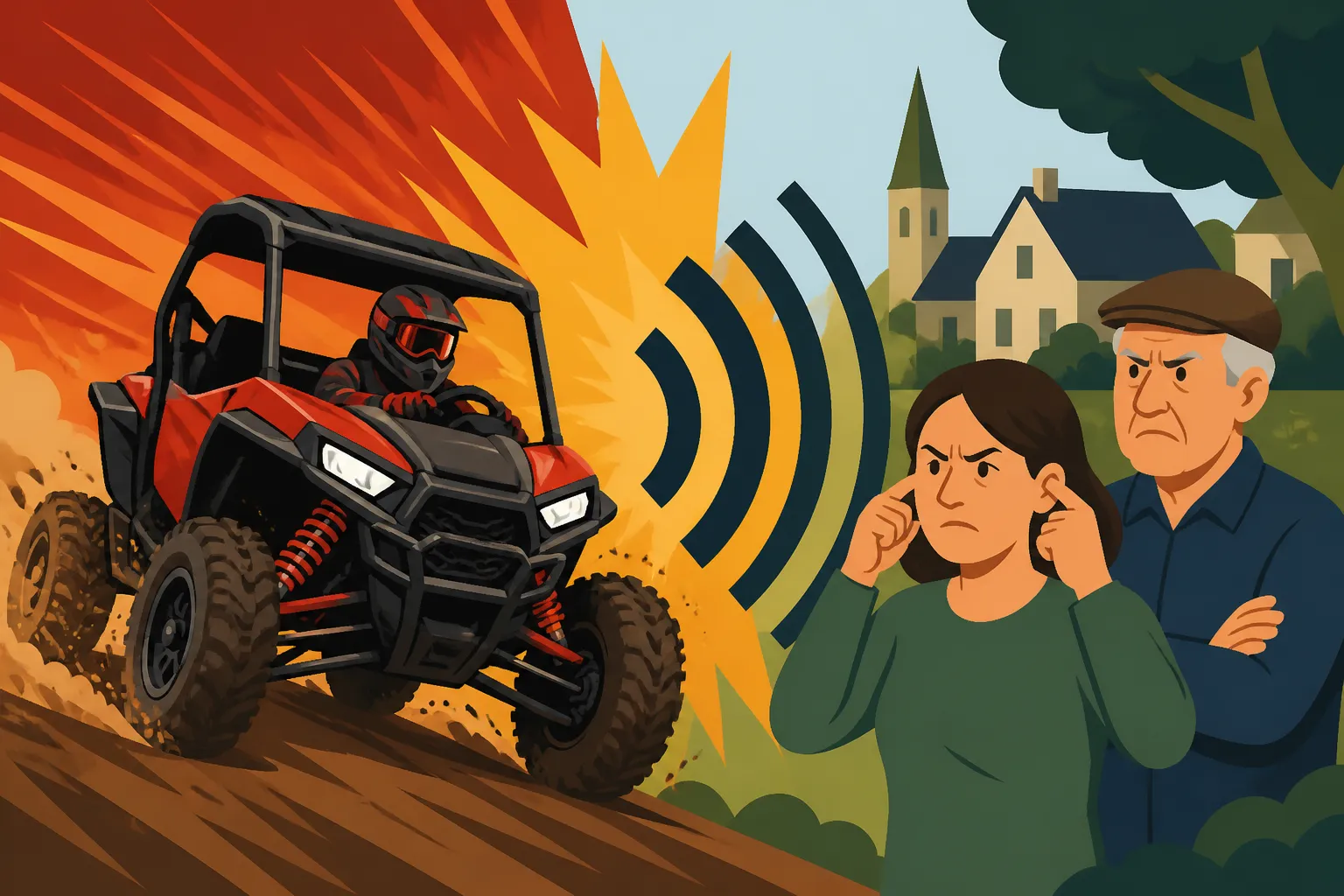
When a Village Calls Your Machine Too Loud
Few things can take the wind out of your sails faster than getting a knock on the door, or worse, a visit from a local law enforcement officer, all because your beloved ATV or UTV is making "too much noise." It’s a common frustration for riders, especially those living in or near smaller communities and villages in Illinois where rules can be stricter and neighbors closer. This guide is here to walk you through understanding why your machine might be considered too loud, what Illinois law and local ordinances say about it, and how you can proactively address potential noise complaints to keep your rides enjoyable and complaint-free.
The Murky Waters of ATV/UTV Noise Laws in Illinois
Illinois doesn't have one single, blanket statewide decibel limit for off-highway vehicles (OHVs) that covers every single situation. This lack of a clear, uniform standard is exactly what makes the issue so frustrating for riders. What's perfectly acceptable out on a remote farm field might be a definite "no-go" in a quiet subdivision. This disparity often leads to confusion and, unfortunately, complaints.
State Law vs. Local Ordinances: A Confusing Mix
While the state of Illinois does have some general provisions regarding mufflers and exhaust systems – requiring them to be in good working order and not excessively noisy – the real bite in noise enforcement for ATVs and UTVs often comes from local municipal ordinances. [Illinois Municipalities That Pass Ordinances] are empowered to enact their own rules regarding noise, especially when it comes to machines operating within their corporate limits, such as on permitted village streets or even private property if the noise spills over.
Think about it: A small village board is often highly responsive to its residents. If enough people complain about the rumble of a UTV early on a Saturday morning, that board might very well draft an ordinance setting specific decibel limits or "quiet hours" for off-road machines. These local rules can vary wildly from one town to the next, making it a real headache for riders who might traverse multiple jurisdictions in a single day or weekend. It means that just because you're legal in one township, doesn't mean you won't get a ticket two miles down the road in the next village over. It’s critical to know the specific rules of the area you're riding in.
The "Reasonable Person" Standard and Subjectivity
Many local noise ordinances don't even specify a decibel level. Instead, they often rely on a "reasonable person" standard, meaning the noise cannot be "unreasonably loud" or "disturbing the peace." While this might sound fair, it's highly subjective. What one person considers a pleasant rumble, another might consider an unbearable racket. This is where personal relationships with neighbors, the time of day, and the frequency of the noise all come into play. A one-time blast during the day might be overlooked, but repeated loud operation, especially late at night or early in the morning, is almost guaranteed to draw attention and complaints. Conservation officers or village police officers, when responding to a [Illinois Noise Complaints About Quads] call, will often have to make a judgment call based on their own assessment and the severity of the complaint.
What Makes an ATV or UTV "Too Loud"?
Beyond the subjective nature of a noise complaint, there are often very real, measurable reasons why an off-road machine might exceed acceptable sound levels. Understanding these factors is the first step toward addressing the issue.
Worn Out or Modified Exhaust Systems
The most common culprit for excessive ATV or UTV noise is the exhaust system. Over time, stock mufflers can deteriorate. Baffles inside can break loose, packing can burn out, or the muffler itself can develop holes and leaks, all leading to a significantly louder machine than intended by the manufacturer. If your machine suddenly seems louder than it used to be, a quick inspection of the exhaust system is a good place to start.
Then there are modifications. Many riders, seeking more power or a different sound, will install aftermarket exhaust systems. While some of these are designed to be performance-enhancing and meet reasonable sound limits, others are explicitly built for maximum volume. If you've got one of those open-can style exhausts, or a system designed for competition use, it’s almost certainly going to be too loud for village streets or residential areas. Some performance exhaust brands, like those you might find from a company like SuperATV, do offer options that strike a balance between performance and reasonable sound output, but you need to do your homework to ensure compliance with local rules.
Missing Spark Arrestors and Their Impact
Often overlooked, the spark arrestor is a critical component of an OHV's exhaust system, especially when riding on public lands or grant-assisted sites. Its primary purpose is to prevent hot carbon particles from exiting the exhaust and potentially starting a fire. However, a properly functioning spark arrestor also plays a role in sound attenuation. Removing it, or running a damaged one, can contribute to increased noise. [Illinois Spark Arrestor Requirements] are in place for a reason, and ignoring them can lead to tickets and louder operation. It's a dual-purpose component that helps keep you legal and safe from both a fire and noise perspective.
Engine Condition and Mechanical Issues
While less common than exhaust issues, the overall health of your engine can also contribute to excessive noise. A poorly tuned engine, one with loose valves, worn bearings, or even just an old, rattling skid plate, can create sounds that are perceived as louder or more intrusive than normal engine operation. Regular maintenance, including valve adjustments and ensuring all components are properly secured, can help keep your machine running smoothly and quietly. Sometimes, that rattling noise isn't just annoying; it's a symptom of something that needs attention.
Riding Style and Time of Day
Even a perfectly stock, well-maintained machine can generate complaints if ridden aggressively or at inappropriate times. Constantly revving the engine, doing wheelies, or taking off with wide-open throttle in a residential area amplifies the perceived noise. Similarly, riding late at night or early in the morning, even if the sound level is technically within limits, is often when people are trying to sleep or enjoy quiet moments, making any noise far more irritating. This is where simple courtesy goes a long way. The same 80-decibel machine might be ignored at 2 p.m. but trigger a complaint at 7 a.m.
Proactive Steps to Prevent Noise Complaints
Dealing with a noise complaint after it happens is a hassle. It's far better to be proactive and take steps to prevent them in the first place. This can save you from potential fines, strained neighborly relations, and the stress of dealing with local authorities.
Maintain Your Machine's Exhaust System
Regularly inspect your muffler and exhaust pipes for any signs of damage, rust, or leaks. Listen for changes in your machine's sound signature. If it starts sounding louder, investigate. Replacing a worn-out stock muffler with a new OEM one, or an aftermarket option specifically designed to meet quiet performance standards, can make a huge difference. If you're looking at aftermarket parts, check for those that clearly state they are "trail legal" or meet specific sound standards, as some reputable manufacturers like SuperATV offer these. Also, ensure your spark arrestor is clean and intact.
Here’s a quick checklist for your exhaust:
| Component | Check For | Action |
|---|---|---|
| Muffler | Holes, cracks, loose baffles, rust | Replace or repair as needed |
| Exhaust Pipes | Leaks, cracks, loose connections | Tighten clamps, seal leaks, replace damaged pipes |
| Spark Arrestor | Clogging, damage, removal | Clean, repair, or replace |
| Gaskets/Seals | Leaks at manifold or pipe joints | Replace worn gaskets |
Observe "Quiet Hours" and Be Mindful of Neighbors
Even if your village doesn't have a formal "quiet hours" ordinance for OHVs, assume that common courtesy applies. Avoid riding loudly early in the morning or late in the evening. If you're heading out for a ride, try to get out of residential areas as quickly and quietly as possible. Keep your speed down and avoid aggressive throttle use when near homes. A quick, polite wave to neighbors can also go a long way in building goodwill. They're much less likely to complain about someone they know and like, even if the machine is a bit loud. Remember, [Illinois Penalties for Illegal Street Riding] can include fines and court costs, so being courteous is also a way to protect your wallet.
Consider Sound-Dampening Accessories
For UTVs especially, there are several accessories designed to reduce cab noise and, by extension, external noise. This can include sound-dampening mats, insulated panels, or even specific engine covers designed to absorb sound. While these might not turn a loud exhaust into a whisper, they can contribute to an overall quieter operation that might be enough to avoid complaints. Even little things like ensuring cargo isn't rattling around in the bed can make a difference in perceived noise levels.
Know Your Local Ordinances
The best defense is a good offense, and in this case, that means knowing the rules. If you plan to ride your UTV on village streets where permitted, or frequently ride near a particular community, take the time to look up their specific ordinances. Many villages post their codes online, or you can call the village clerk's office. Ask about noise limits, quiet hours, or any specific rules for OHVs. This also ties into other local requirements, such as those for [Illinois Permit Fees Set by a Town] and [Illinois Equipment Inspections by a Village], where noise levels might be part of the inspection criteria. Being informed means you can comply proactively rather than reactively.
Navigating the Complaint Process and Potential Fines
If, despite your best efforts, a complaint still arises, knowing how the process typically unfolds and what potential repercussions you face can help you navigate the situation more effectively.
The Initial Complaint and Warning
Often, the first step in a noise complaint will be a verbal warning from a local law enforcement officer or even a direct conversation with a concerned neighbor. Treat these initial interactions respectfully. Getting defensive or confrontational will only escalate the situation. Listen to the complaint, ask polite questions if you need clarification, and assure them you will look into it. This positive initial interaction can often resolve the issue without further action. Sometimes, a simple "I didn't realize how loud it was, I'll check my muffler" can defuse tension.
Receiving a Citation and Penalties
If the complaints persist, or if the noise is deemed egregious, you could receive a citation. This ticket will typically be issued under the specific local noise ordinance or a general disturbing the peace statute. The penalties can vary widely.
- Fines: These can range from relatively small amounts for a first offense to much larger sums for repeat violations.
- Court Costs: In addition to the fine, you will likely be responsible for court costs if the ticket requires a court appearance or is paid without one.
- Impoundment: In extreme cases, or for persistent violations, local authorities might have the power to impound your machine, though this is rare for a first-time noise offense.
- Loss of Permit: If you have a village permit for street use, repeated noise violations could lead to the revocation of that permit. This is particularly frustrating if you've gone through the effort to secure proper permission to ride.
It's important to take any citation seriously. Ignoring it will only lead to more severe consequences. You typically have the option to pay the fine or contest it in court. If you believe the citation was issued unfairly, or if you've already taken steps to mitigate the noise, presenting your case to a judge might be an option. This is where understanding [Illinois Law Starts by Banning Street Riding] and how local ordinances create exceptions becomes crucial.
Dealing with Repeat Complaints and Board Meetings
If your riding is repeatedly generating complaints, and especially if you live in a small village, the issue might escalate beyond a simple citation. Neighbors might petition the village board, or the issue could come up for discussion at a public meeting. [Speaking at a Board Meeting About UTV Access] can be a daunting but necessary step if you want to advocate for your right to ride while also addressing community concerns.
At such meetings, you might hear calls for stricter ordinances, or even for the repeal of existing UTV access rules, as highlighted in [When a Village Repeals the Ordinance It Passed]. This underscores the importance of being a responsible rider. A few inconsiderate operators can quickly spoil it for everyone. Participating constructively, offering solutions (like self-imposed quiet hours or demonstrating a quieter exhaust), and showing a willingness to be a good neighbor can go a long way in preserving riding opportunities.
When All Else Fails: Finding Designated Riding Areas
Sometimes, despite your best efforts, residential areas simply aren't the right place for loud machines. If you find that the constant struggle with noise complaints is diminishing your enjoyment of riding, or if local regulations become too restrictive, it might be time to seek out designated riding areas. [Illinois ATV Trails: Where You Can Actually Ride] often have their own specific sound limits, but they are generally designed for recreational use and are less likely to generate complaints from neighbors. Places like Sahara Woods or private off-road parks are built for these machines, and while they still have rules, the focus is on providing a fun and legal place to ride, away from residential areas.
No one wants to be the source of a noise complaint, and certainly no one wants to face a fine for simply enjoying their off-road machine. By understanding the nuances of Illinois noise regulations, maintaining your ATV or UTV, and being a considerate rider, you can significantly reduce the chances of your village calling your machine too loud.
Disclaimer
This article is for general informational purposes only and does not constitute professional advice. Laws, prices and regulations vary by location and change over time. Consult a qualified professional for guidance on your specific situation.