Contesting a UTV Ticket Written by a Village
It's incredibly frustrating to get pulled over and issued a ticket for riding your UTV on a village street, especially when you believed you were following all the rules. The patchwork of local ordinances in Illinois can be confusing, leaving many riders feeling unjustly targeted. This guide will walk you through the process of understanding and contesting a UTV ticket issued by a village in Illinois, helping you navigate your options and build a strong defense.
Understanding Your UTV Ticket and Local Ordinances
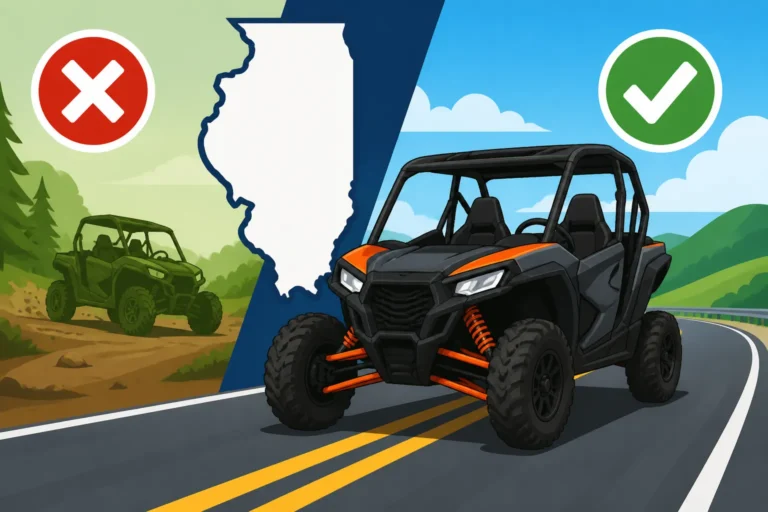
When that village police officer hands you a UTV ticket, your heart might sink. You might immediately think, "But I thought UTVs were allowed here!" The reality is that Illinois law starts with a general ban on UTVs on public roads, then allows local units of government—like villages, counties, and townships—to pass specific ordinances permitting them. This means what's legal in one small town might be strictly forbidden just a few miles down the road. It’s this intricate web of rules that often leads to honest mistakes and tickets.
Deciphering the Village Ordinance
The very first step after receiving a ticket is to understand what you've allegedly violated. Your ticket should reference a specific local ordinance number. Don't just assume what the officer told you on the side of the road is the full story. Many villages that allow UTVs on their streets have very particular requirements that go beyond simply allowing access. They might have restrictions on operating hours, specific streets that are off-limits, or requirements for permits and equipment.
For instance, a village might have an ordinance that permits UTVs on streets with a speed limit of 35 mph or less, but explicitly bans them from state highways that pass through town, even if those highways meet the speed criteria. They might also require a village-issued permit, an annual fee, or even a specific inspection of your machine before it can legally hit their streets. Without this permit, even if your UTV is fully equipped, you could still be in violation. It’s crucial to track down the exact text of the ordinance. Many villages post their ordinances online, often on their municipal website under sections like "Village Code" or "Ordinances." If you can't find it online, a call to the village hall or clerk's office is in order. You might even find it under a general "recreational vehicle code" or "traffic code."
Common Reasons for a Village UTV Ticket
Understanding the typical reasons why villages issue UTV tickets can help you pinpoint the alleged violation and formulate your defense. It's rarely a blanket "no UTVs allowed" in towns that have passed an ordinance; more often, it's a specific nuance that was missed.
One of the most frequent issues is a lack of proper equipment. Even if your side-by-side came off the factory floor with a full suite of lights, many village ordinances demand additional items like a rearview mirror, turn signals, and a slow-moving vehicle emblem. If you've modified your machine, say by installing aftermarket lighting, but haven't ensured it meets every specific requirement of the local code, you could be cited. For example, some riders might think their stock tail lights are sufficient, but the ordinance might require a separate brake light function. Companies like SuperATV offer a wide range of accessories and kits specifically designed to help UTVs meet various street-legal requirements, from mirrors to signal kits, but it's always on you to verify your setup against the local law.
Another common pitfall is the absence of a required permit or decal. Many villages require you to register your UTV with them annually and display a sticker on your machine. This isn't the same as an [Illinois OHV Usage Stamp Explained] or an [Illinois Public Access Decal Explained], which serve different purposes for trail access or general off-road use. A village permit is specific to that municipality. Ignoring this step, even if your machine is otherwise compliant, is a surefire way to receive a ticket. Furthermore, some villages have age restrictions for operators that are stricter than state guidelines, or rules regarding passengers, especially minors. Make sure you understand [Illinois Rules for a Child Passenger] and [Illinois Rules for a Teen Rider] as they apply locally.
Finally, simply being on the wrong street at the wrong time can lead to a ticket. If an ordinance specifies "only streets posted 35 mph or lower qualify," and you stray onto a higher-speed road, or if certain residential areas are off-limits, you'll be in violation. Villages might also have specific operating hours, such as "no UTVs on streets between 10 PM and 6 AM" to address noise concerns. Always check [Illinois UTV Street Legal Rules by Town] for the specific village you plan to ride in.
Options for Contesting a UTV Ticket
Receiving a UTV ticket from a village can feel overwhelming, but you do have options beyond simply paying the fine. Depending on the alleged violation and the specific village, you might have an informal path to contest it, or you may need to prepare for a formal court appearance. It’s important to weigh the time, effort, and potential costs associated with each approach.
Informal Resolution: Talking to Village Officials
Before you even consider stepping into a courtroom, it's often worth trying an informal approach. Many village clerks, police chiefs, or even the issuing officer might be willing to discuss the ticket, especially if there's been a genuine misunderstanding or a minor, easily rectifiable issue. The key here is to approach them respectfully, with facts, and a willingness to resolve the situation.
Start by calmly reviewing the ordinance and gathering any evidence that supports your case. Did you, in fact, have the required permit, but perhaps it wasn't displayed prominently? Did you mistakenly believe a particular street was allowed, but now see the ordinance clarification? If you can demonstrate that you were compliant, or that the ticket was issued based on incorrect information, an informal discussion might resolve it. For instance, if the ticket states you didn't have a rearview mirror, but you installed one from SuperATV prior to the incident, bring proof of purchase or a clear photograph. Sometimes, officers might have incomplete knowledge of an obscure or newly passed ordinance, and a polite conversation with the ordinance text in hand can clear things up. Remember, the goal here is to explain, not argue. Some villages have specific procedures for appealing parking or minor violations through an administrative review, which might extend to UTV tickets. Ask the village clerk if such a process exists for your type of citation.
Formal Resolution: Court Appearance
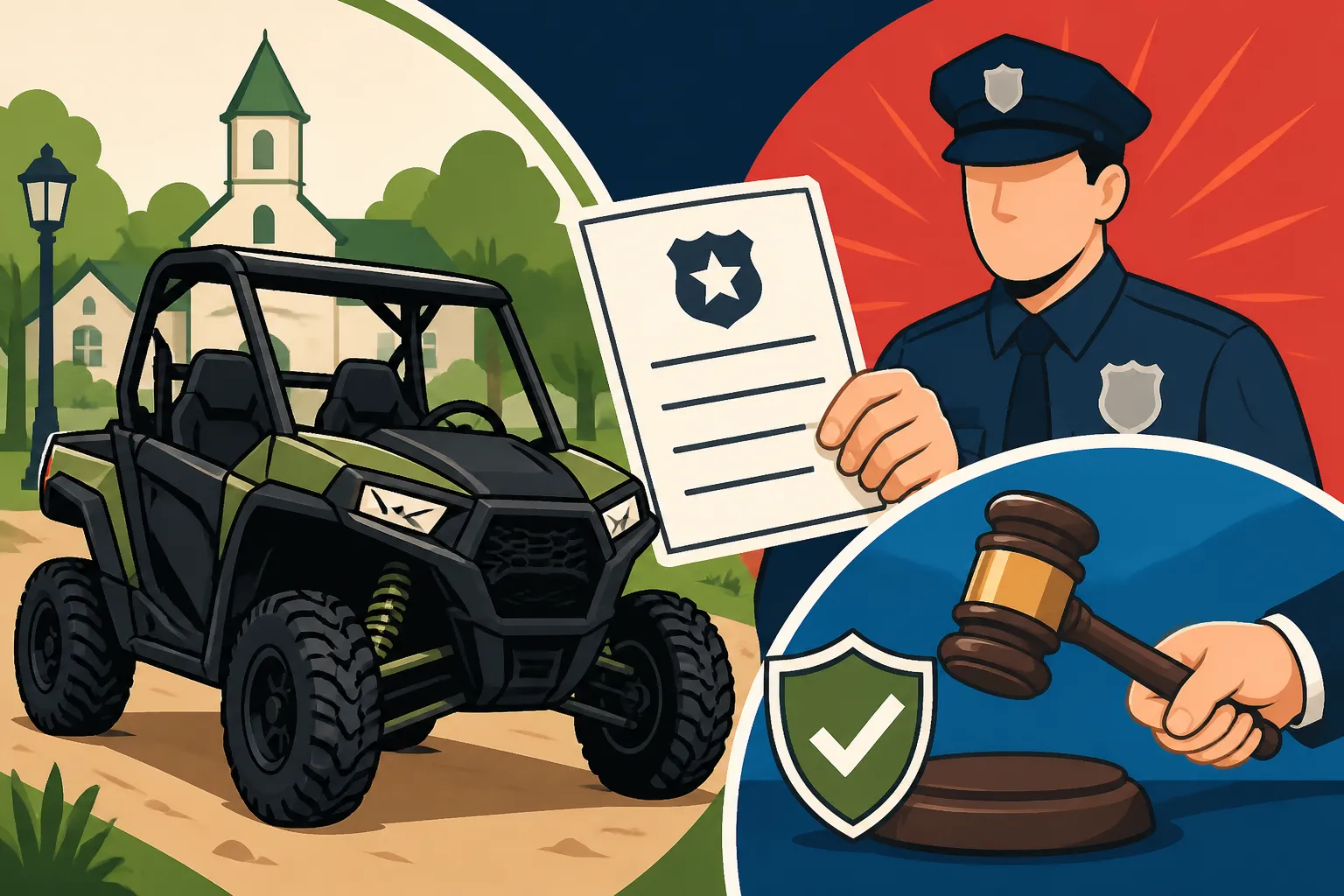
If informal discussions don't resolve the issue, or if the violation is more serious, you'll likely need to go through the formal court process. This typically involves appearing before a judge in the appropriate municipal or circuit court, depending on how the village structures its legal enforcement. When you decide to contest in court, you are essentially pleading "not guilty" and asking a judge to hear your side of the story.
The court process starts with your initial appearance, which is often listed on the ticket itself. At this appearance, you'll formally enter your plea. If you plead "not guilty," a new court date will be set for a hearing or trial. This is where you'll present your evidence and arguments to the judge, and the village will present its case, usually through the issuing officer. This can be a daunting process for many people, and frankly, it often comes with additional [Illinois Court Costs for a Citation] on top of any fines if you are found responsible. For that reason, some riders choose to consult with an attorney who specializes in traffic or municipal law, especially if the fine is substantial, or if they believe the ordinance itself is vague or unfairly applied. An attorney can help you understand legal precedents, cross-examine the officer, and present your case in the most effective way possible.
Building Your Case and Presenting Your Defense
Successfully contesting a UTV ticket, whether informally or formally, hinges on how well you prepare and present your defense. It's not enough to simply feel like you were in the right; you need to demonstrate it with clear, verifiable evidence. This stage requires diligence and a methodical approach.
Gathering Evidence and Documentation
The foundation of any strong defense is solid evidence. Think like a detective and collect everything that could support your claim. Start with your UTV itself. Take clear, well-lit photographs and even videos of your machine, focusing on any equipment the ticket claims you were missing or that was not up to par. If the ticket alleges you didn't have turn signals, photograph your turn signals in operation. If it claims no rearview mirror, show your SuperATV mirror clearly mounted. Document the placement of any required village decals or [Illinois Usage Stamp and Decal Together] if they were present but perhaps overlooked.
Beyond your machine, gather any paperwork related to its compliance. This could include a copy of your village UTV permit, proof of insurance (especially if the ticket involved street use requiring [Illinois Insurance Minimums for Street Use]), or even manufacturer specifications if they contradict the officer's assessment of your equipment. If you believe the officer misidentified the road or the speed limit, use online mapping tools to document the actual posted speed limit signs or the classification of the road at the location where you were stopped. Screenshots and printouts of the specific village ordinance that you believe you were following, or that was misapplied, are also critical. Highlight the relevant sections that support your defense.
Preparing Your Argument
Once you have your evidence, you need to structure your argument clearly and concisely. Whether you're speaking with a village clerk or a judge, time is often limited, so get straight to the point. Identify the specific alleged violation on the ticket, and then present your evidence to refute it.
For example, if the ticket states "No village permit displayed," your argument would be: "Your Honor/Officer, I did possess the required Byron Village UTV permit at the time of the stop. It was affixed [describe location, e.g., 'to the front fender, clearly visible']. Here is a photograph of the decal on my machine, and here is a copy of my permit application and receipt from Village Hall." If the ticket is for "failure to have turn signals," you'd state: "My UTV is equipped with fully functional turn signals that meet the ordinance requirements. As shown in these photos/video, they were operational. Perhaps they were not activated at the exact moment the officer observed them, but they are installed and in working order." Sometimes, the argument might be less about direct refutation and more about context. For instance, if you briefly crossed a prohibited road to access a legal one, and the ordinance has a "crossing rule," you might argue you were compliant with [Illinois Crossing Rules at Intersections].
Consider potential counter-arguments the village might raise and prepare responses. Practice explaining your case out loud so you sound confident and articulate, not defensive or flustered. Bring multiple copies of all your documentation—one for yourself, one for the court/official, and potentially one for the officer if they are present.
Presenting Your Case in Court
When it comes to presenting your case in court, remember that decorum and respect are paramount. Dress appropriately, arrive early, and be polite to everyone, including the judge, the clerk, and the prosecuting officer. When it's your turn, address the judge as "Your Honor."
State your plea clearly and then present your argument in a logical, step-by-step manner. Refer to your evidence by showing your documents or photos when appropriate. Don't interrupt the judge or the officer. If the officer testifies, listen carefully and be prepared to ask questions if you're representing yourself, but only if they are relevant to discrediting the officer's testimony or clarifying a point. The goal is to show the judge that you either complied with the law, or that the citation was based on a misunderstanding or misinterpretation. Be prepared to answer questions directly and honestly. While it can be nerve-wracking, a well-prepared and respectful presentation significantly increases your chances of a favorable outcome.
Potential Outcomes and What to Expect
Contesting a UTV ticket can lead to a few different outcomes, and it's wise to be prepared for all of them. Understanding what might happen can help you manage your expectations and make informed decisions about how far you want to pursue your case.
Dismissal, Reduced Fines, or Supervisory Dispositions
The best-case scenario, of course, is a dismissal of the ticket. This happens when the village or the court agrees that you were not in violation, that the ordinance was misapplied, or that there's insufficient evidence to prove the violation. A dismissal means you pay no fine and incur no negative consequences related to the incident. This is often the outcome of a successful informal discussion, where a village official acknowledges the error and withdraws the ticket.
In other situations, especially if there's some ambiguity or a minor technical violation, the judge might offer a reduced fine. This is a compromise where you admit some level of responsibility but pay less than the original penalty. Another possibility is a "supervisory disposition" or "court supervision," which is often offered for minor traffic offenses. With court supervision, you pay the fine and court costs, but if you complete a probationary period without any further violations, the incident isn't recorded as a conviction on your driving record. While it's not a full dismissal, it can be a good option to avoid points on your license or an increase in insurance rates, although [Illinois ATV Insurance Cost Per Year] isn't always directly linked to driving records. It's a way for the court to acknowledge the violation without imposing the full, long-term legal ramifications.
Guilty Verdict and Penalties
If your case is not dismissed, and no other agreement is reached, the judge may find you responsible or guilty of the violation. In this scenario, you will be ordered to pay the full fine amount as stipulated by the village ordinance, along with any applicable [Illinois Court Costs for a Citation]. These costs can sometimes add a significant amount to the initial fine, so it's essential to factor them into your decision to contest.
Beyond the monetary penalties, there can be other consequences. A conviction for a UTV-related violation could potentially impact your insurance rates, though for off-road machines, this is less common than with street-legal vehicles unless the incident involved an accident where you were at fault. If you were cited for something that also has state-level implications, such as operating without a valid driver's license (if required by the local ordinance for street use) or reckless operation, there could be an impact on your general driving record. Some villages also have escalating penalties for repeat offenders. Understanding these potential outcomes, including what happens when you are [Paying a Village Fine], is part of a realistic assessment of whether contesting is the right path for your specific situation.
Learning from the Experience
Regardless of the outcome, contesting a UTV ticket can be a valuable learning experience. It forces you to delve into the local ordinances, understand your rights, and learn how to navigate the legal system. Even if you don't get the ticket dismissed, the process can highlight areas where you need to improve your compliance or gain better knowledge of the rules.
Perhaps you discovered that your aftermarket turn signals from SuperATV weren't quite bright enough to meet a specific lumen requirement in the ordinance, or that your village permit had expired without you realizing it. Use the experience to ensure all your equipment is compliant and up-to-date for future rides. Regularly check the village's website for updates to their UTV ordinances, as these can change. Share your experience with other riders in your community or club, as word-of-mouth is often the best way to keep everyone informed about the ever-changing landscape of [Illinois UTV Street Legal Rules by Town]. The goal is to avoid future tickets and enjoy your machine responsibly and legally.
Disclaimer
This article is for general informational purposes only and does not constitute professional advice. Laws, prices and regulations vary by location and change over time. Consult a qualified professional for guidance on your specific situation.