Never Crossing a Tollway
It's a common daydream for any ATV or UTV owner in Illinois: imagining taking the quickest route to your destination, perhaps a favorite riding spot or a friend's place, by hopping onto the nearest major highway. But then reality sets in, often with a confusing tangle of questions about what's actually allowed. When it comes to Illinois tollways, the answer is a firm "no," and misunderstanding this rule can lead to significant headaches, fines, and even dangerous situations. This guide will walk you through why Illinois tollways are completely off-limits for your off-road machine and what legal, safe alternatives exist for getting your quad or side-by-side where it needs to go.
The Ironclad Rule: Why Tollways Are Off-Limits for ATVs and UTVs in Illinois
The Illinois Tollway system is a network of high-speed, limited-access highways designed for specific types of motor vehicles. While it might seem convenient to use them for direct travel, the reality is that ATVs and UTVs are simply not equipped, nor are they legally permitted, to operate in this environment. It's a hard truth to swallow when you're looking at a map and a tollway offers the most direct path, but the reasons behind this prohibition are rooted deeply in safety and traffic flow.
Safety Concerns That Drive the Ban
Imagine your ATV or UTV, designed for rugged terrain, mud, and slower speeds, attempting to merge into traffic moving at 65+ miles per hour alongside semi-trucks, cars, and SUVs. The sheer difference in speed capabilities, acceleration, and braking power creates an immediate and severe safety hazard. ATVs and UTVs typically have a lower top speed compared to highway vehicles, making it incredibly difficult to maintain the flow of traffic. This isn't just about going too slow; it's about creating a dangerous impedance that forces other drivers to react abruptly, increasing the risk of high-speed collisions.
Beyond speed, the physical design of these machines isn't suited for highway conditions. Their open-air nature offers minimal protection in a collision, and their handling characteristics, while excellent for off-road maneuvering, can be unpredictable at highway speeds, especially with crosswinds or uneven pavement. They also lack the extensive lighting and reflective requirements of highway vehicles, making them less visible, particularly at dawn, dusk, or night. These aren't minor issues; they're fundamental safety gaps that make the presence of an ATV or UTV on a tollway a recipe for disaster.
Legal Framework: What the Law Says
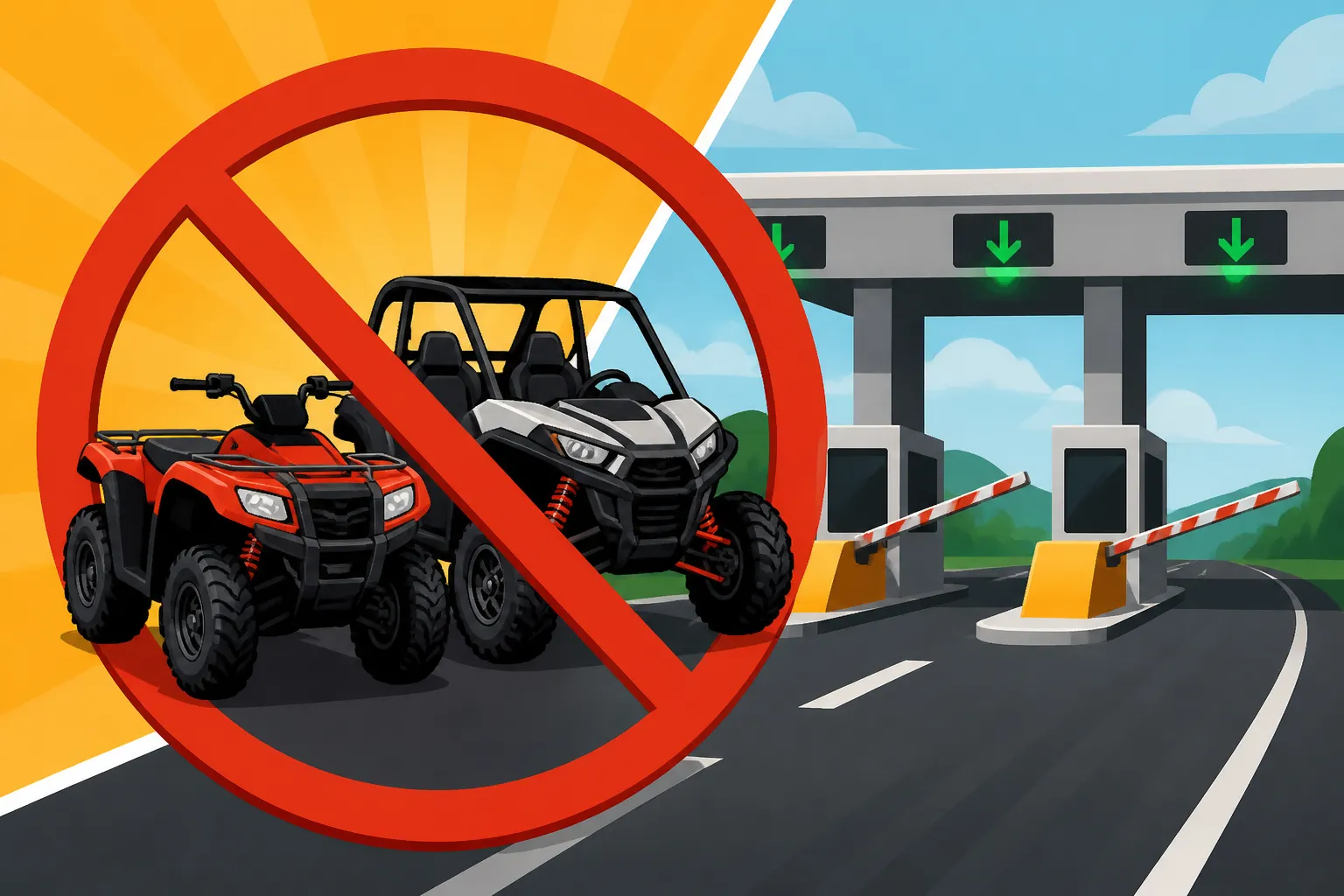
Illinois law is crystal clear on this: [Illinois Closes Tollways and Interstates to Every Machine]. This isn't a vague guideline or a suggestion; it's an explicit prohibition. ATVs and UTVs are classified as "non-highway vehicles," meaning they are generally restricted from operating on public roads, with specific exceptions carved out by local ordinances or for designated crossings. Tollways, by their very nature, are expressly excluded from these exceptions. The Illinois Vehicle Code delineates what types of vehicles are allowed on controlled-access highways, and off-highway vehicles simply do not make the cut.
This legal framework is designed to protect both the riders of ATVs and UTVs and the general motoring public. It prevents situations where operators might inadvertently put themselves in harm's way or cause disruptions to the massive volume of traffic that tollways handle daily. Understanding that this ban is codified in law, not just a policy, helps underscore its importance. It's not something you can argue your way out of if caught; the law is unequivocal.
What Happens if You Try to Cross?
Attempting to operate an ATV or UTV on an Illinois tollway carries serious consequences. The immediate outcome will likely be a traffic stop by state police or tollway authority officers. This isn't just a slap on the wrist. You could face significant fines for illegal operation of a non-highway vehicle on a controlled-access highway. These fines can quickly add up, especially when combined with court costs. Beyond the financial penalties, your machine could be impounded, leading to towing fees, storage fees, and the hassle of arranging for its retrieval.
In addition to the immediate penalties, there's the risk of having points added to your driving record, which could impact your automobile insurance rates. And, most critically, if an accident were to occur while you were illegally operating your ATV or UTV on a tollway, the legal ramifications would be severe. Insurance coverage for an off-road vehicle typically does not extend to illegal street use, meaning you could be personally liable for damages, injuries, or even fatalities. It's a gamble with incredibly high stakes, far outweighing any perceived convenience of saving a few minutes on your journey.
Understanding Your Options: Where You Can Ride Your ATV or UTV
So, if tollways are off-limits, where can you legally and safely ride your ATV or UTV in Illinois? The good news is that there are indeed options, but they require understanding local regulations, planning, and sometimes, specific equipment. It's all about knowing the rules of the road – or, more accurately, the rules of the trail and the approved streets – to ensure a fun and penalty-free experience.
Local Ordinances and Street Legal Machines
While state law generally restricts ATVs and UTVs from public roads, many municipalities and counties in Illinois have passed their own ordinances allowing UTVs (and sometimes ATVs) on certain local streets. These ordinances are typically very specific, outlining designated roads, hours of operation, and mandatory equipment. For example, a village might allow UTVs on streets with a speed limit of 35 mph or less, but explicitly prohibit them on county or state routes that pass through town.
If you're considering making your UTV street legal for local use, you'll need to meet specific requirements. This often includes items like headlights, taillights, brake lights, turn signals, a rearview mirror, and a slow-moving vehicle emblem. Companies like SuperATV offer a wide range of accessories and kits designed to help UTV owners meet these street-legal equipment requirements. It's crucial to consult your specific village or county's ordinance before making any modifications or attempting to ride on local roads. Remember, what's legal in one town might not be in the next, so always check [Illinois Ordinance Lookups Before You Ride] before heading out. Getting a village permit is usually required, and they often come with their own set of rules and inspections.
Dedicated Off-Road Parks and Grant Sites
For the purest off-road experience, dedicated riding parks and grant-assisted sites are your best bet. Illinois, while not having a vast network of state trails, does offer places like [Sahara Woods: Illinois's Only State OHV Park]. These parks are specifically designed for ATVs, UTVs, and dirt bikes, offering miles of trails, varying terrain, and a community of fellow riders. They are managed to ensure safety and environmental protection, and they often require specific permits or usage stamps.
Grant-assisted sites are another excellent option. These are often public lands that have received funding through the Illinois DNR's Off-Highway Vehicle Recreation Program to develop and maintain trails. To ride at these sites, you'll typically need to purchase an [Illinois Public Access Decal Explained]. This decal helps fund the program and ensures you're legally permitted to use these designated areas. These parks and sites provide a controlled environment where you can truly enjoy your machine without worrying about traffic laws or surprising other motorists. They are built for the very purpose of off-road riding, providing the ideal setting for your machine.
Crossing Other Types of Roads Legally
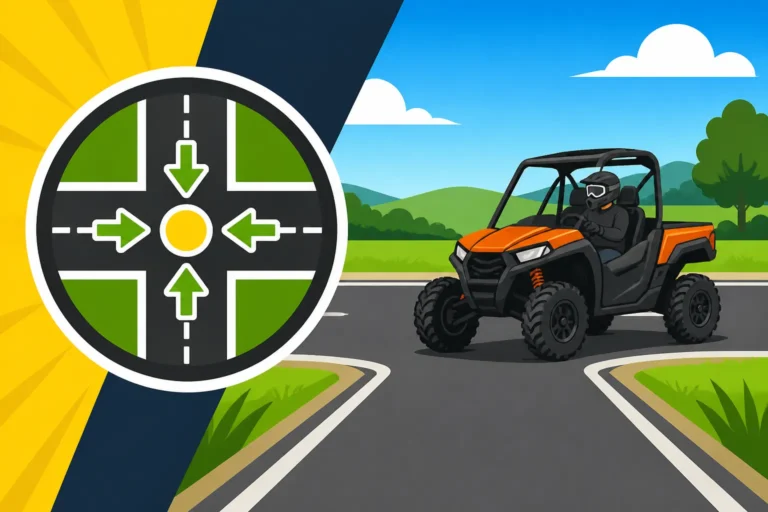
What about those times when you absolutely need to get from one section of a riding area to another, and a local road is in the way? Illinois law does make provisions for crossing certain roads. Generally, you can cross a street or highway at an intersection as long as you yield to traffic and proceed directly across. This is not the same as riding on the road. The intent is to move from one legal riding area to another. [Illinois Crossing Rules at Intersections] specify how this should be done safely and legally.
You might also encounter situations on private land, such as a large farm, where you need to use a private lane or farm access road. In these cases, permission from the landowner is paramount. Always ensure you have explicit, ideally written, permission before riding on any private property, including private roads or lanes that might connect fields or parcels. The distinction between public and private roads is vital, and assuming a road is private when it's actually public can lead to trespass charges or other legal issues.
Practical Advice for Navigating Illinois Roads with Your Machine
Knowing the rules is one thing, but practically applying them to your riding adventures requires thoughtful planning and preparation. Dealing with an off-road machine in a state with strict road rules means being strategic about how you transport, equip, and operate your ATV or UTV. This proactive approach will save you from potential fines, hazards, and frustration.
Planning Your Route to Avoid Tollways
Since tollways are a no-go, the most practical solution for covering long distances is to trailer your ATV or UTV to your destination. This might seem obvious, but it's surprising how many riders wish they could just ride their machine there. Before you even leave your driveway, use a map app or GPS that allows you to specifically avoid toll roads and interstates when planning your route for your tow vehicle. This ensures you stick to state routes, county roads, and local streets that are permissible for your truck and trailer combination.
Consider the entire journey from your home to the trail head or approved riding area. If you're planning a trip to Sahara Woods, for example, map out your drive from central or northern Illinois, focusing on non-toll routes. This often means adding extra time to your travel, but it's a small price to pay for avoiding hefty fines and dangerous situations. Always allocate more time than you think you'll need, especially if you're traveling through unfamiliar areas. This forward-thinking approach will make your trip much more enjoyable and stress-free.
Equipping Your UTV for Legal Street Use (Where Permitted)
If you live in a municipality that allows UTVs on local streets, taking the time to properly equip your machine is essential. This isn't just about avoiding tickets; it's about safety. As mentioned, common requirements include functioning headlights, taillights, brake lights, and turn signals. A sturdy rearview mirror is also usually a must, providing visibility in traffic. Many riders also add a slow-moving vehicle emblem to the rear, a triangular reflective sign that alerts faster traffic to your presence.
When you're looking for these accessories, consider reputable brands that specialize in off-road modifications. Companies like SuperATV offer kits that combine many of these required items, making it easier to convert your UTV for legal street use in areas where permitted. Always opt for durable, weather-resistant components that can withstand both trail abuse and road vibrations. Ensure all lights are properly wired and bright enough to be seen in various conditions. Keeping your [Illinois Non-Highway Vehicle Equipment List] in mind will help you stay compliant and safe on those approved local roads. It's an investment in your safety and legality.
The Importance of Knowing Local Laws
I cannot stress this enough: always research the local ordinances of any town or county you plan to ride in, even if you're just passing through. Just because your UTV is street legal in your hometown doesn't mean it is in the next town over. The patchwork of local laws in Illinois means regulations can change dramatically from one jurisdiction to the next. What's perfectly fine in Byron might be strictly prohibited in Winnebago, for example.
Before you ride, visit the official website of the village, city, or county you'll be operating in, or even make a phone call to their clerk's office. Look for specific ordinances regarding "recreational vehicles," "off-highway vehicles," or "UTVs on roadways." Print out a copy of the relevant ordinance and keep it with you, along with your proof of insurance and any required local permits, when you're riding on public streets. Being informed and prepared can save you from a ticket, impoundment, or even a serious accident. It's your responsibility as a rider to know and follow the rules wherever your wheels take you.
Here's a quick overview of where ATVs and UTVs are typically allowed or prohibited in Illinois:
| Type of Road/Area | ATV Allowed | UTV Allowed | Typical Requirements/Notes |
|---|---|---|---|
| Illinois Tollways | No | No | Explicitly prohibited by state law. |
| Illinois Interstates | No | No | Explicitly prohibited by state law. |
| Local City/Village Streets (35 mph or less) | Usually No (check local ordinance) | Yes (check local ordinance, equipment, permit) | Varies by municipality; often requires specific equipment and local permit. |
| County Roads | Usually No (check local ordinance) | Yes (check local ordinance, equipment, permit) | Less common than village roads; county board resolution required. |
| Township Roads | Usually No (check local ordinance) | Yes (check local ordinance, equipment, permit) | Requires township board resolution, often similar to county rules. |
| State Highways (Riding On) | No | No | Generally prohibited, except for direct crossings. |
| State Highways (Crossing At Intersection) | Yes (yield, direct) | Yes (yield, direct) | Must be a direct crossing at an intersection, yielding to traffic. |
| Dedicated OHV Parks (e.g., Sahara Woods) | Yes | Yes | Requires state permit/stamp, specific park rules apply. |
| Grant-Assisted Riding Sites | Yes | Yes | Requires [Illinois Public Access Decal Explained]. |
| Private Property (with permission) | Yes | Yes | Always require explicit landowner permission. |
This article is for general informational purposes only and does not constitute professional advice. Laws, prices and regulations vary by location and change over time. Consult a qualified professional for guidance on your specific situation.