Illinois Nature Preserves Are Closed
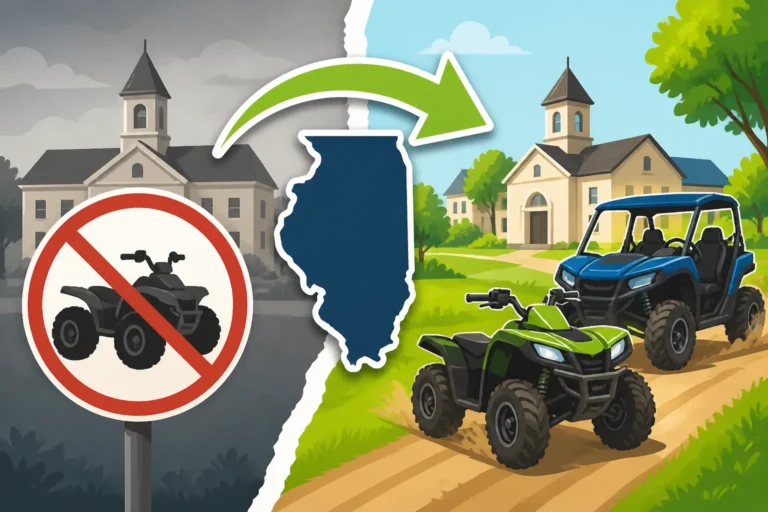
It’s a common frustration for many ATV and UTV owners in Illinois: you’ve got a fantastic machine, you’re itching to explore the natural beauty of the state, and you see what looks like an inviting trail winding through scenic woods. The temptation to just "go for it" can be strong, but doing so without knowing the rules can lead to serious legal trouble and environmental damage. This guide is here to clarify exactly why Illinois nature preserves are strictly off-limits to off-road vehicles and to help you understand where you can legally and responsibly enjoy your ride.
Understanding the Illinois Landscape for Off-Road Vehicles
Illinois, with its sprawling farmlands, dense forests, and meandering rivers, offers incredible natural beauty. However, unlike some western states with vast expanses of federal land designated for multi-use recreation, Illinois has a much more nuanced and often restrictive approach to off-road vehicle (ORV) access. It's crucial for every rider to grasp this fundamental difference to avoid costly mistakes.
The Baseline: Illinois's General Ban on Off-Road Vehicles on Public Roads and Lands
The unfortunate truth for many Illinois riders is that the state starts from a default position of prohibiting ATVs and UTVs on most public roads and lands. Unless a specific area, road, or trail is expressly designated for off-road vehicle use, you should assume it's off-limits. This can be incredibly frustrating, especially for new riders or those moving from states with more open-riding policies. You bought your machine for adventure, not to have it sit in the garage, and the patchwork of regulations can feel like a maze. It’s not about stifling fun, but rather about balancing recreation with safety, environmental protection, and preserving public resources. This general ban is why you won't find your machine welcomed on state highways, interstates, or most county and township roads without specific local ordinances in place. Even in seemingly open areas, the legal default leans towards restriction.
The Purpose of Nature Preserves in Illinois
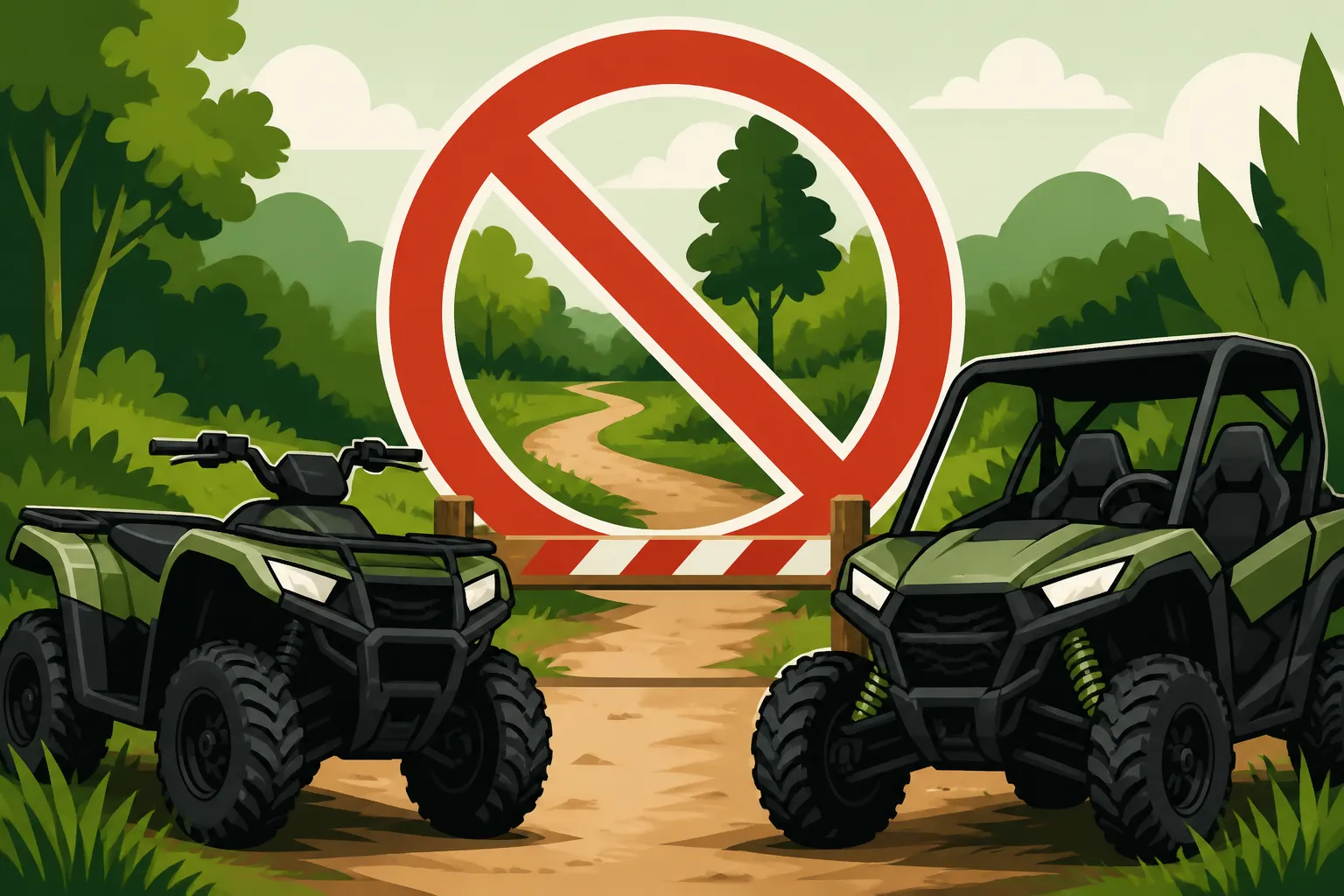
Illinois nature preserves are unique and vitally important ecological treasures. They are not simply "parks" or "green spaces" in the traditional sense where various recreational activities might be encouraged. Instead, they are established under the Illinois Nature Preserves Act with a singular, overriding purpose: to protect and preserve areas of outstanding natural quality, often containing rare or endangered species, unique ecosystems, or exceptional geological features. Think of them as living museums or untouched sanctuaries where nature is allowed to thrive with minimal human disturbance. The Illinois Nature Preserves Commission oversees these areas, ensuring their biological integrity is maintained for scientific study, education, and the aesthetic enjoyment of future generations. This mission inherently clashes with the impact of motorized vehicles, which can cause significant disruption to these delicate environments.
Why Illinois Nature Preserves Are Strictly Off-Limits to ATVs and UTVs
The rigid restrictions on off-road vehicles within Illinois nature preserves stem directly from their protected status. It's not an arbitrary rule designed to inconvenience riders; it's a fundamental aspect of their conservation mission. Understanding these reasons can help riders appreciate the "why" behind the "no."
Ecological Sensitivity and Conservation Goals
Nature preserves are designated precisely because they contain sensitive ecological features that are easily disturbed. Imagine a pristine wetland, home to rare amphibians and unique plant life, or an ancient forest with delicate undergrowth and fragile soil. The sheer weight and mobility of an ATV or UTV, even operating at low speeds, can cause irreversible damage. Tires compact soil, destroy delicate vegetation, disrupt water flow, and create channels that lead to erosion. This erosion can then wash sediment into streams, harming aquatic life. Beyond the physical impact, the noise and exhaust emissions from motorized vehicles can disturb wildlife, interrupt breeding patterns, and alter natural behaviors. Many of these preserves are critical habitats for species struggling to survive, and human activity, particularly motorized activity, directly threatens their existence. The goal is to allow these ecosystems to function as naturally as possible, meaning minimizing external disturbances.
Legal Framework: The Illinois Nature Preserves Act
The legal foundation for prohibiting off-road vehicles in these areas is robust. The [Illinois Nature Preserve Bans] are not merely suggestions; they are enshrined in state law, specifically the Illinois Nature Preserves Act (20 ILCS 860). This act explicitly restricts activities that could harm the natural character of the preserves. Motorized vehicle use falls squarely within the prohibited activities due to its documented potential for environmental degradation. The act ensures that these areas remain undisturbed sanctuaries, protected from commercial exploitation, development, and activities that would alter their natural state. This legal framework gives enforcement officers clear authority to issue citations and remove vehicles from these protected lands. It's a testament to the state's commitment to conserving its most valuable natural heritage.
Penalties and Enforcement for Violations
Ignoring the signs and prohibitions in an Illinois nature preserve can lead to significant consequences. Enforcement is taken seriously, as the integrity of these protected areas is paramount. Riders caught operating ATVs or UTVs within a nature preserve can face fines, impoundment of their vehicle, and even potential criminal charges depending on the severity of the damage or the frequency of the offense. The financial penalties can quickly add up, easily exceeding the cost of a legitimate day pass at a designated riding park. Furthermore, repeated violations or significant damage to the environment could lead to more severe legal repercussions, including restitution for environmental damage. Conservation Police Officers and other law enforcement personnel regularly patrol these areas, and they are well-versed in the [Illinois Trespass Penalties for Riders]. It's simply not worth the risk to ride in an unauthorized area, especially one with such high ecological value.
Navigating Illinois's Varied Land Classifications and Riding Rules
The key to responsible and enjoyable off-road riding in Illinois lies in understanding the different classifications of land and their specific rules. Not all public lands are created equal, and knowing the distinctions is crucial to avoid trouble.
Differentiating Nature Preserves from Other Public Lands
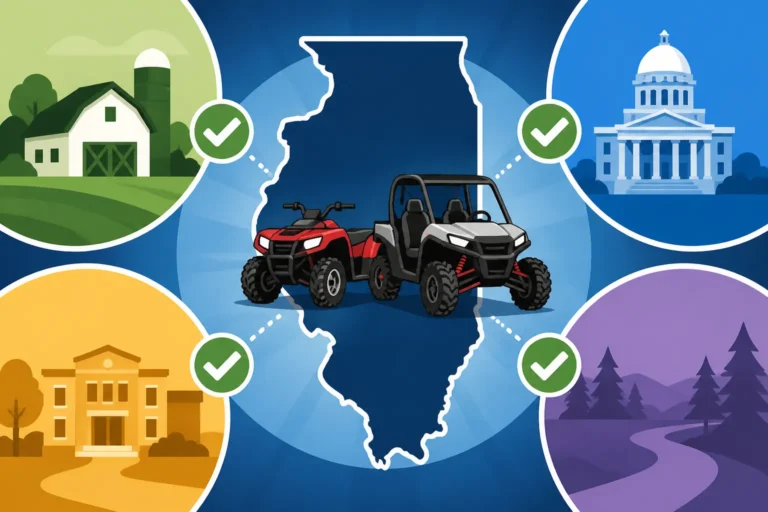
It's easy to look at a map and see a large green space and assume it's all the same, but Illinois public lands have distinct purposes and management strategies. Beyond nature preserves, which are the most strictly protected, you'll find:
- State Parks and Recreation Areas: These areas are managed by the Illinois Department of Natural Resources (IDNR) and often allow a broader range of recreational activities, from hiking and camping to fishing and boating. However, motorized off-road vehicle use is still generally restricted unless a specific trail or area within the park is explicitly designated for it. Most state parks, for example, do not have dedicated ATV trails. [Illinois Public Land Not Designated for ATVs]
- State Forests: Similar to state parks but managed primarily for timber production and forest health. While some may have multi-use trails, ATV/UTV access is typically limited or prohibited.
- Conservation Areas and Wildlife Management Areas: These lands are focused on habitat protection and often allow hunting, fishing, and hiking. Like state parks, motorized vehicles are usually restricted to designated roads or parking areas, not cross-country travel or trail riding.
The common thread is that unless there's a clear sign or published map indicating ATV/UTV access, you should assume it's not allowed. The burden of proof, in essence, is on the rider to verify legality before riding.
Exploring Designated Riding Areas and Grant-Assisted Sites
While nature preserves are off-limits, Illinois does offer legitimate places to ride your ATV or UTV. The state's primary offering for public off-road recreation is [Sahara Woods: Illinois's Only State OHV Park] near Harrisburg, which boasts many miles of trails.
Beyond Sahara Woods, Illinois also has what are known as [Illinois Grant-Assisted Riding Areas]. These are typically local government or privately operated parks that have received funding through the Illinois Off-Highway Vehicle (OHV) Grant Program. This program uses revenue from the sale of Illinois Usage Stamps to help develop and maintain OHV riding opportunities. These sites, such as Mill Creek Park, Heartland Lodge, and Little Egypt Off Road, offer legal and often well-maintained trails. Riders at these sites generally need to purchase an [Illinois Public Access Decal Rules] or pay a day-use fee, which helps fund the upkeep of the trails. These are the places where you can truly let loose and enjoy your machine without fear of legal repercussions, knowing you are contributing to the very infrastructure that supports your hobby.
The Nuances of Private Land Access
Riding on private land is often the most flexible option for Illinois ATV and UTV owners, but it comes with its own set of critical rules: always obtain explicit permission from the landowner. This isn't just a courtesy; it's a legal requirement. Riding on private property without permission is trespassing, which carries penalties including fines and potential vehicle impoundment. Even if you know the landowner, a verbal "sure, go ahead" might not be enough. It's best to have written permission, especially if you plan to ride regularly or if there are any doubts about property lines.
Landowners also have concerns about liability. An accident on their property could potentially involve them in a lawsuit. Some landowners may require riders to sign a liability waiver, or they may only grant permission to riders who carry personal liability insurance for their machines. Discussions about [Illinois Private Land Permission Rules] are vital, and being a respectful, responsible rider who closes gates, stays on designated paths, and doesn't disturb livestock or crops is key to maintaining these valuable relationships. For those looking to equip their machine for farm work or trail riding on private land, companies like SuperATV offer a wide range of accessories, from heavy-duty axles to cargo boxes, that can enhance both utility and performance for these specific uses.
Table: Illinois Land Access for ATVs & UTVs
| Land Type | Primary Purpose | ATV/UTV Access (General) | Typical Requirements / Considerations |
|---|---|---|---|
| Nature Preserves | Ecological preservation, scientific study | Strictly Prohibited | Violation of Illinois Nature Preserves Act, severe penalties. |
| State Parks/Forests | Recreation, conservation, timber management | Generally Prohibited (unless designated) | Check park-specific rules; limited or no OHV trails exist. |
| Conservation Areas | Wildlife habitat, hunting, fishing | Generally Prohibited (unless designated) | Primarily for passive recreation; motorized use restricted. |
| Sahara Woods OHV Park | Dedicated OHV recreation | Permitted on designated trails | IDNR permit/day pass, safety rules, operating hours, machine specs. |
| Grant-Assisted Sites | OHV recreation (local/private) | Permitted on designated trails | Access Decal or day-use fee, park-specific rules, waivers. |
| Private Land | Agriculture, residential, commercial | Permitted Only with Landowner Permission | Explicit permission (preferably written), liability considerations. |
| Public Roads (Local) | Transportation | Generally Prohibited (unless local ordinance allows) | [Illinois Municipalities That Pass Ordinances], specific equipment. |
Common Misconceptions and What to Look For
Misinformation or assumptions can easily lead to unintended violations. Being proactive and informed is your best defense against inadvertently breaking the rules.
"It Looks Like an Old Trail" – Why Appearances Can Be Deceiving
One of the most common pitfalls for riders is assuming that an old, overgrown path or a dirt road through the woods is automatically open for ATV or UTV use. After all, if it's there, someone must have ridden it, right? Not necessarily. These paths could be old logging roads, utility easements, deer trails, or simply unmaintained private driveways. They might cut through protected lands or sensitive ecological areas, even if they don't look like an officially "preserved" zone. What looks like an inviting shortcut could very quickly lead you into a restricted area, leaving you vulnerable to fines and other penalties. The absence of a "No ATVs" sign does not imply permission; the general rule in Illinois is that if it's not expressly marked for OHV use, it's off-limits. This is where researching before you ride becomes critical.
Identifying Official Signs and Boundaries
To avoid confusion, always be on the lookout for official signage. At legitimate riding parks, you'll see clear markers indicating trailheads, difficulty ratings, and boundary lines. Conversely, in nature preserves or other restricted public lands, you might encounter signs explicitly stating "No Motorized Vehicles," "Nature Preserve – Foot Traffic Only," or "Area Closed to OHV Use." Sometimes, the boundaries might be less obvious, marked by fencing, specific color-coded posts, or natural features that align with property maps. It's your responsibility to know where you are and to respect these boundaries, even if they aren't marked with a flashy "keep out" sign every few feet. When in doubt, err on the side of caution and turn back.
Researching Before You Ride: Essential Steps
Before you even load your machine onto the trailer, thorough research is your best friend. Don't rely on word-of-mouth or outdated information. Here's a quick checklist for responsible preparation:
- Check Official Park Websites: If you're planning to visit a state park, grant-assisted site, or private park, always go to their official website. They will have the most current information on ATV/UTV access, operating hours, permit requirements, and specific rules.
- Consult Local Government Resources: For riding on local roads, check the village, city, or county websites for specific ordinances. Remember, [Illinois Ordinance Lookups Before You Ride] can be time-consuming, but they are crucial since rules vary wildly from one jurisdiction to the next.
- Review Maps: Use official maps (digital or paper) that clearly delineate public land boundaries, nature preserve locations, and designated OHV trails. Many parks offer downloadable maps specifically for off-road riders.
- Call Ahead: If you have any lingering doubts, make a phone call to the land manager, park office, or local DNR office for clarification. Getting information straight from the source is always the safest bet.
This proactive approach not only keeps you out of trouble but also ensures you have the best possible riding experience, knowing you're in a place where your machine is genuinely welcome.
Responsible Riding Practices and Alternative Destinations
Being a responsible ATV and UTV owner in Illinois means more than just following the law; it means actively contributing to the sustainability of the sport and preserving access for future generations. It's about respecting the land, other users, and the community.
Prioritizing Conservation and Community Relations
The future of off-road riding in Illinois heavily depends on the behavior of current riders. Every time a rider goes off-trail in a sensitive area, creates excessive noise, or leaves trash behind, it fuels negative public perception and makes it harder for riding enthusiasts to advocate for more access. Prioritizing conservation means staying on designated trails, practicing Leave No Trace principles, and understanding the environmental impact of your machine. This includes being mindful of noise levels, especially near residential areas or wildlife habitats.
Good community relations also involve being courteous to other trail users, such as hikers, mountain bikers, and equestrians, by yielding the right-of-way and slowing down. Joining an [Illinois ATV Clubs Worth Joining] can also be a fantastic way to learn about local riding opportunities, participate in trail maintenance, and advocate for responsible access. These clubs often work directly with land managers and local governments, playing a vital role in expanding legal riding options.
Finding Legal and Enjoyable Riding Opportunities in Illinois
While nature preserves are off-limits, Illinois still offers fantastic opportunities for legal and thrilling off-road adventures. As mentioned, [Sahara Woods: Illinois's Only State OHV Park] is the crown jewel for state-managed OHV riding, providing miles of diverse trails for various skill levels. Its unique terrain, shaped by former strip mining, offers challenging climbs, wooded sections, and mud holes. Booking a permit through ExploreMoreIL in advance is highly recommended, especially for popular weekends.
Beyond Sahara Woods, explore the [Illinois Grant-Assisted Riding Areas] like Mill Creek Park in Marshall, Heartland Lodge in Nebo, and Little Egypt Off Road near Marion. These sites are often managed by passionate individuals or clubs, offering a range of trails from beginner-friendly paths to extreme rock crawling. Always check their specific rules, hours, and permit requirements before heading out.
Additionally, many private parks across the state offer diverse terrain and amenities, often catering to weekend camping and riding trips. These parks may have their own unique rules, age restrictions, and safety requirements, so always review their websites or call ahead. These are the places designed for you to enjoy your machine to its fullest, safely and legally.
Equipping Your Machine for Appropriate Terrain
Outfitting your ATV or UTV correctly for the type of legal riding you plan to do is essential for safety, performance, and longevity. If you're heading to a designated trail system like Sahara Woods or a private park, your machine needs to be prepared for the rigors of off-road use. This often means investing in protective gear, stronger components, and specialized tires.
For example, rocky trails or reclaimed mine areas at Sahara Woods might call for heavy-duty skid plates and A-arm guards to protect vital components. Muddy sections, which are plentiful in Southern Illinois, may require aggressive mud tires and even a winch for those inevitable sticky situations. Companies like SuperATV offer a vast selection of aftermarket parts that can transform your stock machine into a trail-conquering beast. This includes everything from lift kits and portal gear lifts for increased ground clearance, to stronger axles and suspension components designed to withstand harsh terrain. If you plan to carry gear for a day on the trails, cargo boxes or bed extenders can be invaluable. However, if your primary riding involves working on private land or traveling on specifically permitted local roads (where allowed by ordinance), your equipment needs might shift towards utility-focused accessories like plows, sprayers, or more road-friendly tires. Remember, adapting your machine to the environment you can legally ride in enhances both your safety and enjoyment.
Disclaimer
This article is for general informational purposes only and does not constitute professional advice. Laws, prices and regulations vary by location and change over time. Consult a qualified professional for guidance on your specific situation.