Illinois Requires Brake Lights
Riding your ATV or UTV in Illinois can be an absolute blast, whether you're working on the farm, hitting some trails, or exploring new horizons. However, trying to figure out where you can legally take your machine on public roads is often a frustrating maze of state statutes and local ordinances. Many riders mistakenly believe that if their machine has headlights, they're good to go. This guide will shine a light on why [Illinois Requires Brake Lights] for OHVs on public roads and walk you through all the necessary equipment and detailed regulations to keep your ride street-legal in the Prairie State.
Illinois's Default Position: OHVs and Public Roads
Before we dive into the nitty-gritty of specific equipment, it's crucial to understand the foundational stance Illinois takes on off-highway vehicles (OHVs) and public roads. Unlike some states that might have blanket allowances or prohibitions, Illinois operates on a nuanced system where local governance plays a pivotal role.
The Statewide Ban and Exceptions
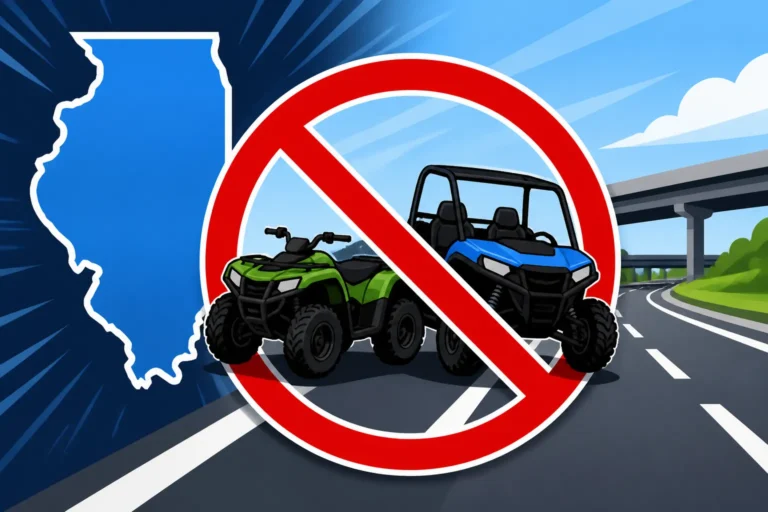
At its core, Illinois law generally prohibits the operation of ATVs and UTVs on public streets, highways, and roads. This isn't just a suggestion; it's the default legal position. Imagine pulling out of your driveway onto a state highway, feeling the wind in your hair, only to realize you've just broken the law. This blanket prohibition aims to protect riders and other motorists, as OHVs are typically designed for off-road conditions and may not possess the safety features or handling characteristics necessary for conventional road use. However, the state recognizes that there are legitimate reasons for OHVs to use certain roads, especially in rural areas. That's where the exceptions come into play, primarily delegated to local authorities. It's a system designed to give communities the flexibility to decide what works best for their specific roads and traffic patterns. [Illinois Law Starts by Banning Street Riding], so any street legal use is an exception to that rule.
When Local Rules Pave the Way
While the state sets the general framework, it hands over significant power to local units of government—villages, cities, townships, and counties—to create specific ordinances that can allow OHVs on certain public roads within their jurisdiction. This means that navigating street legality in Illinois isn't a "one-size-fits-all" scenario. What's legal in one town might be strictly prohibited just a few miles down the road. For instance, a small farming community might welcome UTVs on its gravel roads to allow farmers easy access to their fields, while a larger suburban town might prohibit them entirely due to higher traffic volume and safety concerns. This local control requires riders to be incredibly diligent in researching the specific rules of any area they plan to ride in. You might encounter a village that has embraced UTVs, issuing permits and setting specific hours of operation, only to find the adjacent county has no such ordinance, making road travel illegal there. Understanding this local authority is the first step in being a responsible and legal rider. It’s why you’ll see [Illinois UTV Street Legal Rules by Town] vary so widely.
The Critical Role of Brake Lights in Illinois
Among the various pieces of equipment Illinois requires for OHVs granted permission to operate on public roads, brake lights stand out as a non-negotiable safety feature. It's not just about compliance; it's about preventing accidents and ensuring you're seen by others on the road.
Understanding the Legal Mandate
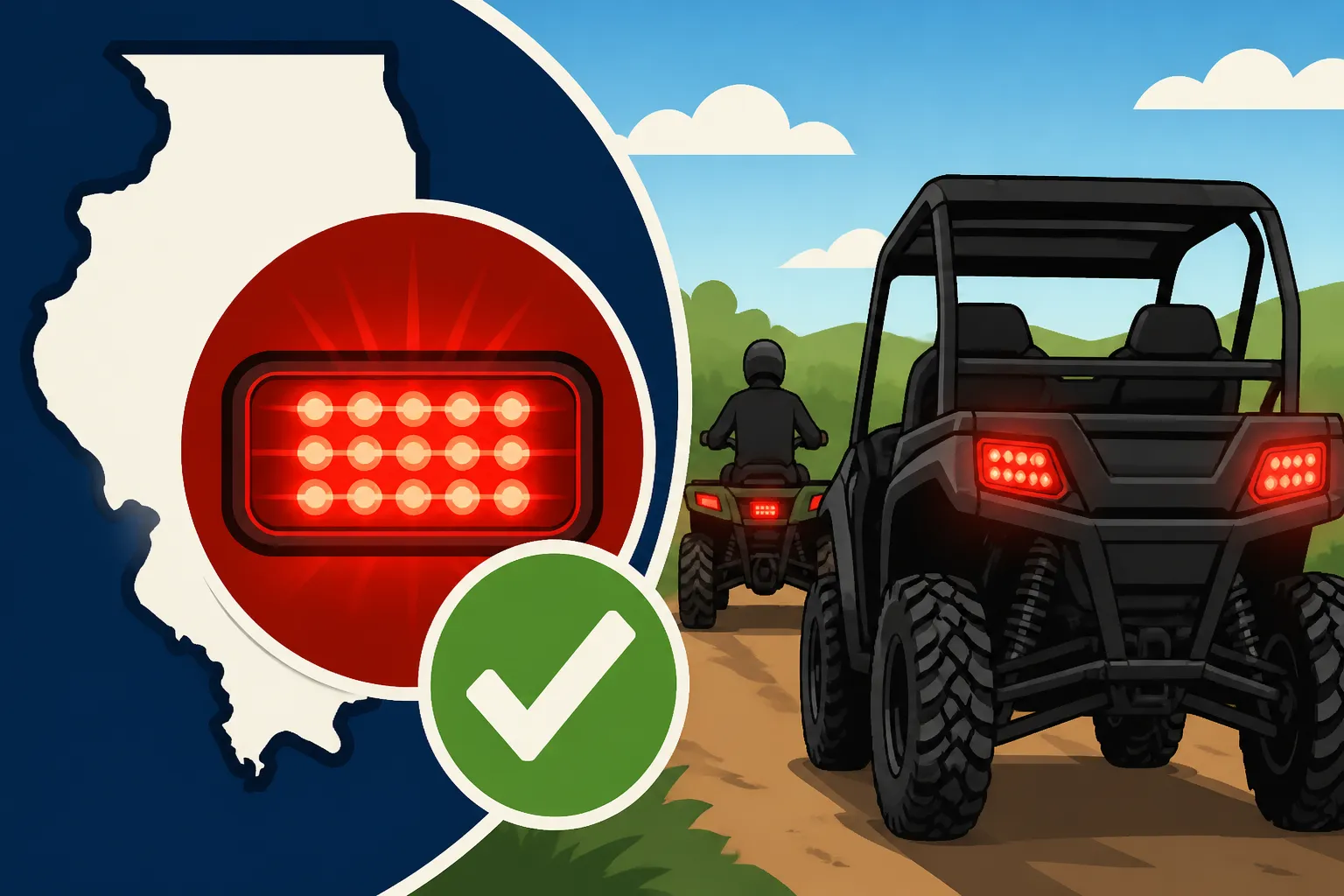
When a local municipality passes an ordinance allowing ATVs or UTVs on its public roads, it typically adopts a set of equipment requirements that align with or exceed state recommendations for non-highway vehicles. A functioning brake light is almost universally at the top of that list. The reason is simple: safety. On public roads, vehicles often operate at varying speeds, and sudden stops are a common occurrence. A clear, bright brake light signals to following traffic that you are slowing down or stopping, giving them crucial time to react. Without it, you become an unpredictable hazard, increasing the risk of a rear-end collision. The law isn't just about having a light; it's about having one that effectively communicates your intent to other drivers, which is why [Illinois Requires Brake Lights] to be operational and visible. This requirement underscores Illinois's commitment to ensuring that even when OHVs are permitted on roads, they meet fundamental safety standards to integrate safely with other vehicles.
Ensuring Your Machine is Compliant
Meeting the brake light requirement involves more than just having a red lens on the back of your machine. It must be fully functional, clearly visible, and activate consistently when you apply the brakes. For many newer UTVs, brake lights come standard from the factory. However, if you're riding an older ATV or a custom-built machine, you might need to install an aftermarket brake light system. Companies like SuperATV offer a range of solutions, from integrated tail lights that include brake light functionality to standalone brake light kits designed for easy installation. When installing, ensure the wiring is secure, weather-protected, and correctly connected to your brake system so that the light illuminates promptly with any brake pressure. After installation, always test your brake lights thoroughly. Have a friend confirm their brightness and activation from a distance, both in daylight and at night. Regular checks should be part of your pre-ride routine, along with your other lights and safety features. A non-functional brake light, even if present, is a non-compliant brake light in the eyes of the law.
Beyond the Basics: Visibility and Safety
While the law mandates a functioning brake light, thinking beyond the minimum requirement can significantly enhance your safety. Consider the conditions you'll be riding in. Will you be on dusty gravel roads? In an area with heavy tree cover, even during the day? Or perhaps during dusk or dawn when visibility is naturally lower? In such scenarios, a single, dimly lit brake light might not be enough. Some riders choose to install additional brake lights, such as a high-mounted third brake light, or integrated LED light bars that also serve as brake indicators. These additions provide extra visibility, making your slowing or stopping actions undeniable to drivers behind you. This proactive approach to visibility is especially important given the sometimes-unpredictable nature of other drivers who might not expect an OHV on the road. Investing in high-quality, bright LEDs for your brake lights can be a small cost for a significant boost in safety.
A Full Suite of Street-Legal Equipment
Brake lights are crucial, but they're just one piece of the puzzle. To legally operate an ATV or UTV on Illinois public roads (where permitted), your machine must be outfitted with a specific array of equipment designed to make it as visible and predictable as any other vehicle. This helps ensure safety for both the OHV operator and other motorists.
Visibility from All Angles
When you're sharing the road, being seen is paramount. Illinois law, as adopted by local ordinances, mandates specific lighting to ensure your OHV is visible from every direction. Your machine must have a working headlight that projects light for at least 500 feet, illuminating the path ahead and signaling your presence to oncoming traffic, even during daylight hours. Similarly, a red tail lamp must be visible from at least 100 feet to the rear, ensuring that drivers approaching from behind can spot you well in advance. These aren't just for night riding; they're constant indicators of your position. In addition to active lighting, passive reflectors are also required. You'll need at least one red reflector on each side of the rear of your machine. These small, often overlooked, components can make a huge difference, particularly if your electrical system fails or you're parked on the side of the road. Manufacturers like SuperATV offer various LED lighting upgrades and reflective tape kits that not only meet but often exceed these basic visibility requirements, providing an extra layer of safety. Always ensure your lights are clean and functioning before every ride. [Illinois Requires a 500-Foot Headlight] and [Illinois Requires a 100-Foot Tail Lamp], along with [Illinois Requires Red Reflectors], and all must be in good working order.
Signaling and Awareness
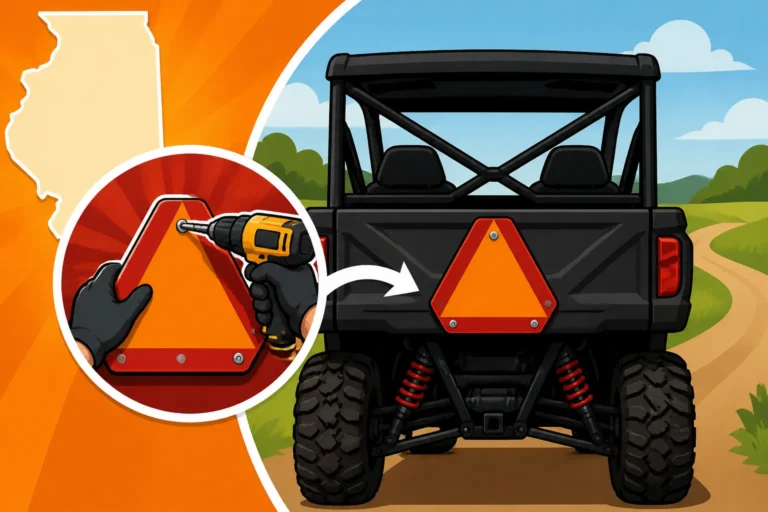
Beyond basic visibility, being able to communicate your intentions to other drivers is critical for safe road operation. This is where signaling equipment comes in. If your local ordinance allows it, [Illinois Requires Turn Signals] on your OHV when operating on public roads. These must be visible from both the front and rear, clearly indicating your turns or lane changes. Think about navigating a busy intersection; without turn signals, you're leaving other drivers guessing, which is a recipe for disaster. Another crucial piece of equipment is a rearview mirror. [Illinois Requires a Rearview Mirror] that allows the operator to see at least 200 feet to the rear. This provides critical situational awareness, letting you monitor traffic behind you without constantly turning your head. Many aftermarket mirrors are available, including those from SuperATV, designed for the unique mounting challenges of ATVs and UTVs. Finally, for machines moving at slower speeds, the distinctive orange slow-moving vehicle emblem is a must. This triangular emblem, often seen on farm equipment, warns faster-moving vehicles that you are operating below typical road speeds. While not explicitly mentioned for every OHV use, if your machine qualifies as a "slow-moving vehicle" on a road, [The Orange Farm Emblem Your UTV Must Carry] is a vital safety feature that cues other drivers to exercise caution.
Navigating Illinois's Patchwork of Local Ordinances
The Illinois approach to street-legal OHVs creates a diverse and sometimes confusing landscape for riders. Understanding the power dynamic between the state and local governments is key to legal and enjoyable riding.
The Power of Local Governance
As we've touched upon, Illinois law permits local units of government—cities, villages, townships, and counties—to pass ordinances allowing the operation of ATVs and UTVs on designated public roads within their boundaries. This decentralization means that if you plan to ride your OHV on any public thoroughfare, your first and most important step is to investigate the specific rules of that particular jurisdiction. A village might have a detailed ordinance outlining permitted roads, hours of operation, and required safety equipment, while the surrounding township or county might have an entirely different set of rules, or no allowance at all. This framework is laid out by [The Illinois Law Behind Every Local UTV Ordinance], giving these local bodies the authority to weigh their community's needs, traffic volume, and safety concerns when making these decisions. It’s why you'll find such a range of [Illinois UTV Street Legal Rules by Town], from welcoming attitudes in rural areas to strict prohibitions in more congested municipalities. Riders need to be proactive; ignorance of the law is not a valid defense if you're pulled over.
Understanding Permits, Inspections, and Limits
Once a local government has passed an ordinance allowing OHVs on its roads, it typically establishes a system for permits, inspections, and sets specific operational limits. These permits are usually required annually and come with a fee that helps cover administrative costs and, in some cases, road maintenance. Before a permit is issued, many municipalities will require an [Illinois Equipment Inspections by a Village] to ensure your machine meets all the necessary safety requirements, including those crucial brake lights, turn signals, and mirrors. During this inspection, a village official might check for proper tire condition, horn functionality, and even appropriate noise levels. Beyond equipment, these ordinances often impose strict operational limits:
- Designated Roads: Only specific roads may be open, often those with lower speed limits, generally [Illinois's 35 mph Street Limit] or less. Interstates and tollways are always off-limits for OHVs.
- Hours of Operation: Some towns restrict riding to daylight hours, or specific times of day.
- Driver Requirements: A valid driver's license is typically required to operate an OHV on public roads, and sometimes age restrictions apply to passengers.
- Insurance: Proof of liability insurance that meets state minimums is often a prerequisite for a permit.
It's not uncommon for a rider to pay a permit fee, display a special sticker, and be subject to periodic checks by local law enforcement. Always carry your permit, driver's license, and proof of insurance when riding on public roads.
Consequences of Riding Without Proper Equipment
Thinking you can just hop on your UTV and cruise down a local street without the proper equipment or local permission is a risky gamble. The consequences in Illinois can range from a minor inconvenience to significant financial burdens and even legal trouble. It's simply not worth the risk.
Tickets, Fines, and Impoundment
Operating an ATV or UTV on public roads in Illinois without meeting all the necessary equipment requirements or without valid local permission can quickly lead to an encounter with law enforcement. If you're pulled over and your machine lacks essential items like functioning brake lights, turn signals, or a rearview mirror, or if you're on a road where OHVs are prohibited, you can expect a citation. [Illinois Penalties for Illegal Street Riding] are not trivial. Fines can be substantial, often starting in the hundreds of dollars, and these costs can quickly escalate, especially if multiple infractions are noted or if it's a repeat offense. Beyond the initial fine, you'll also be responsible for court costs and administrative fees, which only add to the expense. In more severe cases, particularly if you're riding in a clearly unauthorized area, or if your machine is deemed unsafe for the road, your ATV or UTV could even be impounded. This means not only a citation but also the hassle and expense of retrieving your machine from an impound lot, which includes towing fees, storage fees, and potentially other administrative charges. Understanding [Illinois Ticket Costs for Street Riding] beforehand makes it clear that prevention is far cheaper than the cure.
The Unforeseen Impact of an Accident
Perhaps the most significant and potentially devastating consequence of riding without proper equipment is what happens if you're involved in an accident. If your OHV is not legally equipped for street use at the time of a collision, your liability can skyrocket. Even if another driver is partially at fault, your non-compliance could be used to assign greater fault to you, drastically affecting insurance claims and potential lawsuits. [Illinois Insurance Minimums for Street Use] are typically required for any vehicle operating on public roads, and this often extends to street-legal OHVs. If you haven't secured the proper insurance for road use, or if your policy is invalidated because you were operating an unequipped or unauthorized vehicle, you could be personally responsible for all damages and injuries. Imagine hitting another vehicle or, worse, injuring a pedestrian; the financial fallout could be life-altering. An insurance company might deny coverage entirely if it finds you were operating your machine illegally. This grim scenario underscores the critical importance of ensuring your machine is not only properly equipped but also fully insured for its intended use, especially if that use includes public roads. An accident with an unequipped OHV could turn a fun ride into a financial nightmare. [Illinois Insurance After a Collision on a Village Street] can become very complicated without proper documentation and equipment.
Prepping Your OHV for Illinois Roads
Taking your ATV or UTV from the trail or the farm to a public road in Illinois isn't as simple as just hitting the ignition. It requires careful preparation, diligent checks, and a commitment to staying informed.
Your Pre-Ride Safety Checklist
Before every ride that might involve public roads, a thorough inspection of your OHV is non-negotiable. This isn't just about avoiding a ticket; it's about your safety and the safety of others. Here’s a checklist to consider:
- Brake Lights: Crucial for signaling stops. Verify both front and rear brakes activate the light correctly.
- Headlights: Ensure your main headlight illuminates the required 500 feet and is clean.
- Tail Lamp: Check that your red tail lamp is visible from 100 feet to the rear.
- Turn Signals: If equipped and required by local ordinance, test both left and right signals, front and rear.
- Rearview Mirrors: Confirm your mirror is clean, properly adjusted, and allows you to see at least 200 feet behind you.
- Reflectors: Verify all required red reflectors are present, clean, and securely mounted.
- Slow-Moving Vehicle Emblem: If your machine requires one, ensure it’s clean, visible, and properly affixed to the rear.
- Horn: Check that your horn is functional and loud enough to be heard.
- Tires: Inspect for proper inflation, tread wear, and any damage.
- Brakes: Test both front and rear brakes for responsiveness and effectiveness.
- Steering: Check for any excessive play or stiffness in the steering.
- Fluids: Quick check of oil, coolant, and brake fluid levels.
- Documentation: Always carry your valid driver's license (yes, [Illinois Requires a Driver's License] for street use), proof of insurance, and any local permits or registrations.
Making this checklist a habit can prevent countless headaches and potentially save lives. Companies like SuperATV offer many of these components as robust, durable aftermarket parts, designed to withstand the rigors of off-road use while providing street-legal compliance.
Staying Current with Changing Rules
Local ordinances in Illinois aren't set in stone. Town boards, county commissioners, and township trustees can amend, repeal, or introduce new rules regarding OHV operation on their roads. What was permissible last year might have changed this year. This dynamic regulatory environment means that part of your responsibility as a street-legal OHV operator is to stay informed. Don't rely on word-of-mouth or assume the rules are the same as the last time you checked. Before venturing onto public roads in a new area, or even in an area you frequent, make it a point to check the local municipality's website or contact their administrative office. Many towns are making their ordinances available online, making [Illinois Ordinance Lookups Before You Ride] much easier. Look for sections pertaining to "non-highway vehicles," "off-highway vehicles," or "UTV/ATV operation." Staying current ensures you avoid unintentional violations and helps you maintain good relations with the communities you ride in. Furthermore, participate in local OHV clubs or online forums. These communities often share updates on rule changes, permit processes, and new riding opportunities, helping all riders stay informed and compliant.
Equipment Requirements at a Glance
For quick reference, here's a summary of the common equipment Illinois generally requires for OHVs granted permission to operate on public roads, as well as essential documents you must carry. Always remember to verify these against the specific local ordinance in your riding area.
| Equipment/Document | Requirement | Visibility/Location Notes |
|---|---|---|
| Brake Lights | Required, fully functional | Visible from the rear, activates with brake pedal/lever |
| Headlights | Required | Visible from 500 feet |
| Tail Lamp | Required, red | Visible from 100 feet to the rear |
| Turn Signals | Required (if applicable to ordinance) | Visible from front and rear |
| Rearview Mirror | Required | Allows operator to see 200 feet to the rear |
| Red Reflectors | Required, at least two | One on each side, on the rear |
| Slow-Moving Vehicle Emblem | Required (if applicable to ordinance) | Mounted on the rear |
| Horn | Required | Audible signal |
| Driver's License | Required | Valid, in operator's possession |
| Proof of Insurance | Required | Meets Illinois minimums, in operator's possession |
| Local Permit/Sticker | Often required by local ordinance | Displayed as per local rules, in operator's possession |
This article is for general informational purposes only and does not constitute professional advice. Laws, prices and regulations vary by location and change over time. Consult a qualified professional for guidance on your specific situation.