What a Conservation Officer Can Ask to See
It’s a scenario no off-road enthusiast wants to face: you’re out enjoying a beautiful day on the trails, the engine is humming, and suddenly, you see those flashing lights behind you. Your heart sinks. Being pulled over by a conservation officer, especially when you’re just trying to enjoy your ATV or UTV, can be really unsettling, and it’s natural to feel a bit anxious about what they might ask to see or what you might have overlooked. This guide is all about demystifying that experience, breaking down exactly what an Illinois Conservation Police Officer (CPO) is authorized to request and what you need to have on hand to ensure your ride continues smoothly.
Understanding the Authority of Illinois Conservation Officers
When you're out riding your ATV or UTV, whether it's on a designated trail system or even just crossing a county road, it's important to understand who might be enforcing the rules. In Illinois, Conservation Police Officers are not just about hunting and fishing; they have full police powers and specific jurisdiction over recreational activities, including off-highway vehicles. It's a unique role, and knowing what to expect can make any roadside interaction a lot less stressful.
Why They're Stopping You in the First Place
A conservation officer pulling you over isn't usually arbitrary. Most often, they're looking for common compliance issues or responding to observed violations. This could be anything from riding in an unauthorized area, like a nature preserve or private land without permission, to operating a machine that appears to lack proper identification or safety equipment. Sometimes, they might just be doing a routine check at a trail entrance to ensure everyone is properly permitted and equipped for the day, which, while inconvenient, is ultimately about ensuring safety for all riders and preserving our natural resources.
They're trained to spot things like missing registration stickers, improperly mounted decals, or even machines that look obviously modified beyond legal limits. If your exhaust is roaring louder than it should, or if you're riding with more passengers than your UTV is designed for, these can all be reasons for an officer to initiate a stop. Their goal is to ensure that riders are not only safe but also respectful of the land and the laws designed to protect both riders and the environment.
Powers and Jurisdiction of CPOs
Illinois Conservation Police Officers are fully certified law enforcement officers, meaning they have the same authority as a county sheriff or a state trooper. However, their primary focus and expertise lie in enforcing laws related to natural resources, including wildlife, parks, and recreational vehicles. This means they are specifically tasked with enforcing the Illinois Off-Highway Vehicle (OHV) Act and related regulations. They can issue citations, make arrests, and even impound vehicles if serious violations occur.
Their jurisdiction extends across the state, particularly in state parks, grant-assisted riding areas, and other public lands where OHV use is regulated. They also have the authority to enforce OHV laws on county, township, and even some municipal roads if those jurisdictions have passed ordinances allowing UTVs, for example. Understanding that a CPO's purview covers your ATV or UTV usage almost anywhere you ride in Illinois is key to being prepared.
Your Rights and Responsibilities During an Encounter
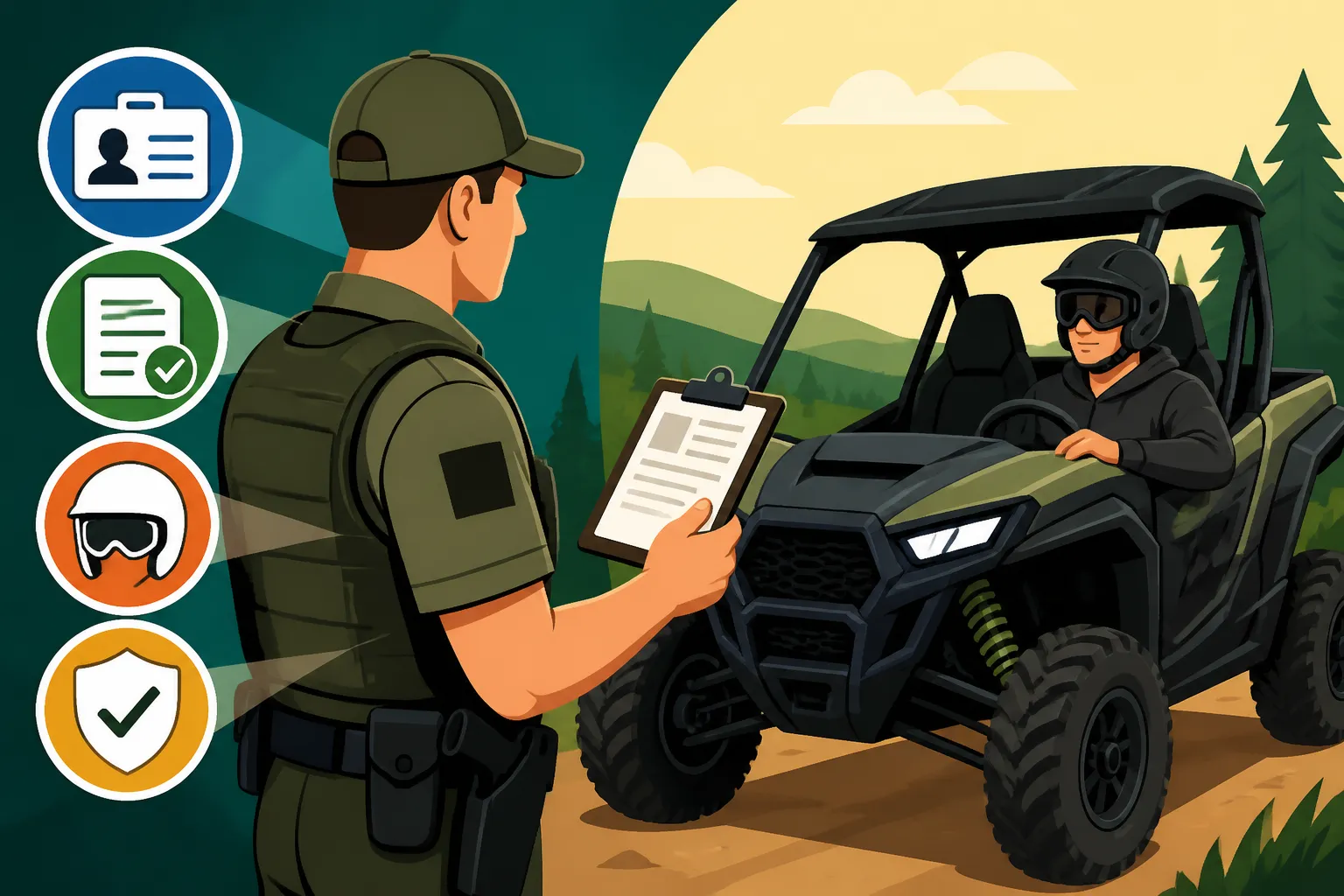
When a conservation officer pulls you over, the interaction is very similar to being stopped by any other police officer. You have the right to remain silent, and you have the right to an attorney. However, you also have responsibilities. First and foremost, pull over safely and turn off your engine. Keep your hands visible and follow the officer's instructions. They will typically ask for your identification and documents related to your machine. Being cooperative and respectful goes a long way in making the encounter as quick and painless as possible.
Remember, a CPO is looking for compliance with laws designed to keep everyone safe and protect public lands. If you don't have the necessary paperwork, or if your machine isn't compliant, it's best to be honest and address the issues. Arguing or being uncooperative can escalate the situation and potentially lead to more severe penalties. It’s always a good idea to have everything readily accessible, perhaps in a waterproof bag in your glovebox or attached to your machine, so you’re not fumbling around when asked.
Essential Paperwork and Documents You Must Carry
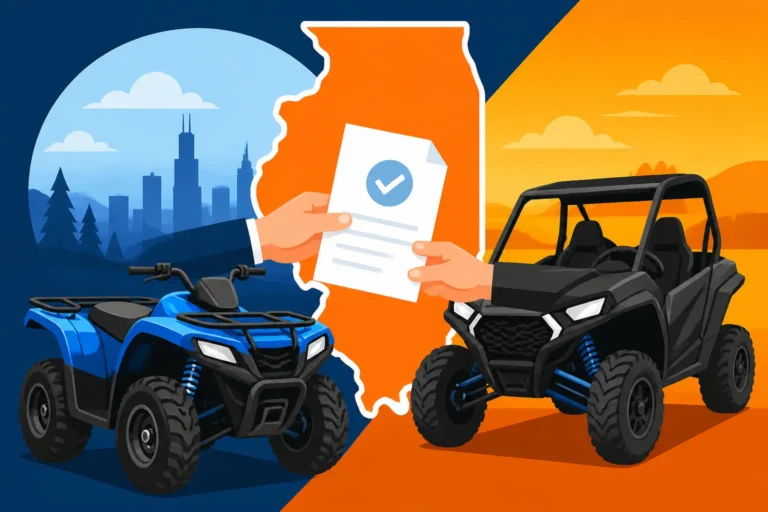
Navigating the world of ATV and UTV ownership in Illinois means understanding a unique set of requirements. Unlike cars, these machines aren't registered for road use in the traditional sense, but they absolutely need to be titled and may require specific stickers. Knowing exactly what a conservation officer will expect to see for proof of ownership and legal operation is paramount.
Proof of Ownership and Titling
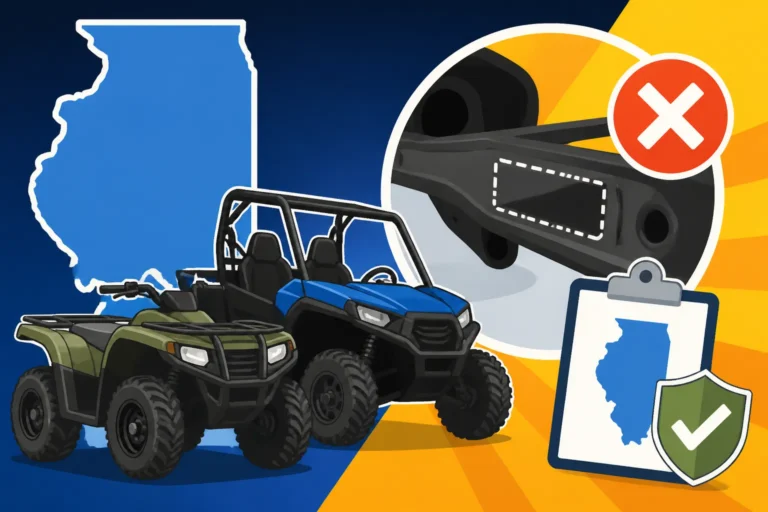
In Illinois, every off-highway vehicle must have an [Illinois ATV Title Certificates Explained]. This isn't just a suggestion; it's a legal requirement that has been in place for machines bought after 1998. When an officer asks for proof of ownership, they're primarily looking for this title certificate. Think of it as your ATV's birth certificate – it proves you are the legal owner. If you've just purchased your machine, you might have a bill of sale, especially if you bought it from a private party, which serves as temporary proof of ownership until your official title arrives. Services like LawDepot offer templates for bills of sale that can provide a clear record of the transaction. Always carry a copy of your title or, if recently purchased, a dated bill of sale, when you're out riding.
It’s a common misconception that because Illinois titles but does not register ATVs, you don’t need any official paperwork on hand. This is simply not true. While you won't get a license plate, the title is crucial. Without it, you could face difficulties proving the machine is yours, especially if there's any question about how you acquired it. For peace of mind, make sure your [Illinois Title Paperwork Checklist] is complete before every ride, and have those documents ready. The officer might also want to verify the VIN on your machine matches the one on your title, so know where your VIN is located on your specific ATV or UTV.
Usage Stamps and Access Decals
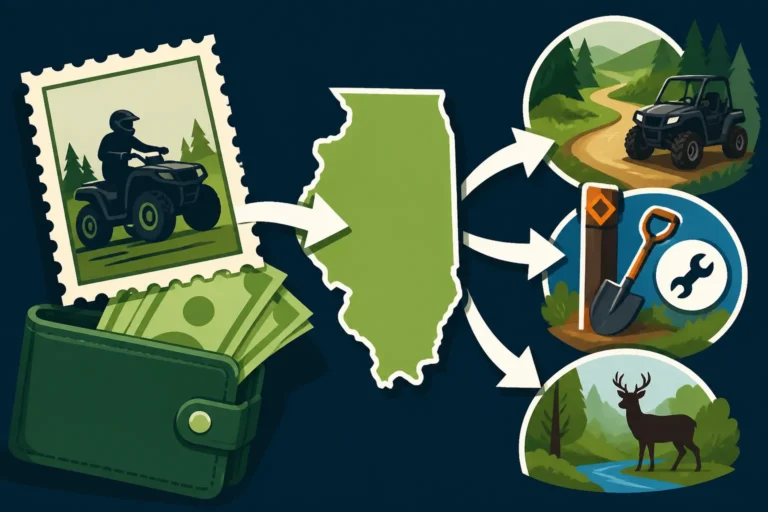
Illinois has a system of usage stamps and access decals that often confuses riders, but they are critical for legal riding on most public and grant-assisted lands. First, there's the [Illinois OHV Usage Stamp Explained]. This stamp, typically renewed annually, helps fund trail development and maintenance across the state. It signifies that your machine is allowed to be operated on designated off-road trails. An officer will look for this sticker, often on the forward half of your machine, to confirm you’ve paid your dues for trail access. [Illinois Charges $15 for a Usage Stamp], so it's a relatively small investment for access.
Then there are [Illinois Public Access Decal Explained]. These decals are specifically required for riding at grant-assisted sites, which are often local parks or designated riding areas that receive state funding. [Why the Two Stickers Exist] is a frequent question, and the short answer is that the stamp is for general OHV fund contribution, while the decal is for specific access to funded sites. [One Decal Per Machine] is the rule, and it typically needs to be mounted prominently, often front and center. If you're caught without the appropriate sticker for the area you're riding, you could face [Illinois Penalties for No Decal] or [Illinois Penalties for No Stamp], which can quickly turn a fun day into a costly one.
Identification and Licenses
Beyond your machine's documents, a conservation officer will definitely ask for your personal identification. This typically means a valid driver's license or a state-issued ID card. While you don't need a special "off-road license" in Illinois, a general driver's license is usually required, especially for operating UTVs on public roads where allowed. For younger riders, [Illinois ATV Age Requirements] are strictly enforced, and an officer will want to confirm the operator meets these age minimums and is under appropriate supervision if necessary.
If you're operating a street-legal UTV on a public road where allowed by local ordinance, the officer will also likely ask for proof of insurance. [Illinois Insurance Minimums for Street Use] are specific, and you need to carry evidence of that coverage. Even if you're only riding off-road, having personal identification on you is a basic expectation for any law enforcement interaction. Remember to keep all these documents in a secure, waterproof location on your person or machine, readily available for inspection when requested by a CPO.
Equipment and Machine Compliance Checks
Beyond just paperwork, a conservation officer is also responsible for ensuring your ATV or UTV itself is compliant with safety and environmental regulations. These checks are designed to protect both the rider and the environment, preventing accidents and minimizing ecological impact. What they look for ranges from basic safety gear to specific machine modifications.
Safety Equipment Requirements
One of the first things a CPO will likely check, especially if there are young riders involved, is helmet usage. [Illinois ATV Helmet Rules] generally require anyone under the age of 18 to wear a helmet when riding on state lands. While adults aren't always mandated to wear helmets in all circumstances, many riding areas, particularly private parks, will have their own rules. The officer wants to see that you and any passengers are taking reasonable safety precautions.
Beyond helmets, they might check for other basic safety items. Are your lights working, especially if you're riding around dusk or in low-visibility conditions? Does your UTV have seatbelts, and are they being used by all occupants? For specific activities, like crossing roads with a UTV, you might need additional equipment like turn signals or a rearview mirror. [Illinois Mirror Requirements for an ATV] might seem trivial, but they are part of the broader effort to ensure safety on shared pathways.
General Machine Condition and Modifications
Conservation officers are also looking at the overall condition and setup of your machine. One common check is for spark arrestors. These devices prevent sparks from exiting your exhaust and potentially starting wildfires, especially in dry conditions. [Illinois Spark Arrestor Requirements] are often a standard check at riding areas. If your machine is excessively loud, they might check if it meets noise limitations, as modified exhausts can be a source of noise complaints.
They'll also be on the lookout for unsafe modifications. Lift kits that compromise stability, overloaded racks, or poorly maintained tires can all be red flags. While customization is part of the fun of owning an ATV or UTV, it must be done safely and within legal limits. For example, if you're carrying a large amount of gear or a passenger on a machine not designed for it, an officer might intervene, not to ruin your fun, but to prevent a potential accident. Having a clear idea of what your machine is designed for and adhering to those limits is important.
Specific Rules for Street-Legal UTVs
If you're fortunate enough to live in an Illinois town or county that has passed an ordinance allowing UTVs on specific public roads, you'll face an extra layer of scrutiny. [Illinois UTV Street Legal Rules by Town] vary, but generally, a conservation officer (or local police) will expect your machine to be equipped like a low-speed vehicle. This means having working headlights, taillights, brake lights, turn signals, and a rearview mirror. [Illinois Requires a Rearview Mirror] is a common requirement for street-legal UTVs.
Furthermore, you'll need to demonstrate that your UTV is insured for street use. [Illinois Insurance Proof for Street Use] is a mandatory document. An officer might also check for a valid driver's license, as operating a UTV on public roads typically requires one. Essentially, when on public streets, your UTV needs to meet many of the same safety standards as a regular automobile, even if it's operating at lower speeds. Keep records of your permit (if your town issues one, like [Byron's UTV Permit Fees in Illinois]) and all relevant paperwork in a waterproof document holder, such as those that can be purchased through LawDepot for important legal forms, to ensure quick access during any stop.
Consequences of Non-Compliance and Best Practices
No one wants to get a ticket or, worse, have their machine impounded while trying to enjoy a day outdoors. Understanding the potential repercussions of not having your ducks in a row with a conservation officer is crucial. More importantly, knowing how to prepare can save you a lot of hassle and expense.
Potential Penalties for Violations
The consequences of not being compliant with Illinois OHV laws can range from a warning to significant fines, and in some cases, even impoundment of your machine. For minor infractions, like a missing usage stamp when you're on a trail that requires it, you might receive a ticket with a fine that can add up, particularly if court costs are applied. Repeat offenses or more serious violations, such as riding in a closed area, could lead to much steeper fines and potentially suspension of riding privileges. [Illinois Penalties for Illegal Street Riding] or for riding in unauthorized areas, like nature preserves, are particularly stringent and can result in considerable legal fees and negative marks on your record.
If your machine is found to be severely non-compliant or if you're operating it recklessly, a conservation officer has the authority to impound it. This means not only a citation but also the expense and inconvenience of recovering your ATV or UTV from an impound lot, which can involve towing fees, storage charges, and proof of proper ownership and compliance before release. It’s always best to be overly prepared rather than risk these costly and frustrating scenarios.
How to Prepare for a Smooth Encounter
The best way to handle an encounter with a conservation officer is to avoid any issues in the first place by being fully prepared. Before you even leave your driveway, ensure all your paperwork is in order. This includes your ATV or UTV title, proof of insurance (if applicable), your valid ID, and current usage stamps and access decals. A practical tip is to keep these documents in a waterproof, sealed bag or container specifically for your machine, perhaps tucked into a glove box or under the seat. LawDepot provides various customizable legal forms, including bills of sale or permission slips if you're borrowing a machine, which can be useful to have in your document kit.
Beyond paperwork, visually inspect your machine. Are your spark arrestors in place? Is your exhaust system up to par regarding noise? Do you have all the required safety gear like helmets (especially for young riders)? Are your lights working? If you plan on riding at a specific park or on a county road, double-check the local ordinances and park rules beforehand. [Carrying Papers at a Grant Site] is non-negotiable, and knowing the rules for the particular area you're riding will alleviate much of the stress of a potential stop.
Resources for Staying Informed
Staying up-to-date with Illinois ATV and UTV laws can feel like a moving target, but there are excellent resources available. The Illinois Department of Natural Resources (DNR) website is the authoritative source for all regulations concerning off-highway vehicles, including detailed information on titles, stamps, and decals. They often have FAQs and downloadable brochures that clarify common questions. You can also contact DNR Direct Vendors for specific questions about purchasing stamps and decals.
Local county and village websites are crucial if you plan to ride your UTV on public roads, as these ordinances can change. Before heading out, a quick search for "[Illinois UTV Street Legal Rules by Town]" for your specific area can save you a lot of trouble. Joining local ATV/UTV clubs can also be incredibly beneficial, as members often share real-time information about trail conditions, rule changes, and best practices. Being proactive about gathering information ensures you’re always riding safely and legally, which makes every outing more enjoyable and worry-free.
Disclaimer
This article is for general informational purposes only and does not constitute professional advice. Laws, prices and regulations vary by location and change over time. Consult a qualified professional for guidance on your specific situation.