Illinois Public Access Decal Explained
Riding your ATV or UTV in Illinois can be an absolute blast, a fantastic way to explore the beautiful landscapes or conquer challenging trails. However, navigating the maze of rules, permits, and stickers required by the state can feel like tackling an impossible mud bog – especially when it comes to understanding the Illinois Public Access Decal. Many riders find themselves scratching their heads, wondering if it's the same as the usage stamp, where to put it, or if they even need it. This guide is here to untangle that confusion, clearly explaining what the Public Access Decal is, why it exists, and how to make sure you’re always riding legally and responsibly on Illinois’s designated trails.
What Exactly is the Illinois Public Access Decal?
The world of Illinois off-highway vehicle (OHV) permits can feel a bit like a scavenger hunt, with different stickers for different purposes. Among these, the Illinois Public Access Decal plays a very specific and crucial role for riders looking to enjoy the state's official riding areas. It's not just another piece of paper; it’s your key to accessing the trails that have received state or federal funding to be developed and maintained for public OHV use. Think of it as a specialized park pass specifically for your machine, ensuring that the places you love to ride can continue to operate and improve.
Deciphering the Decal's Purpose
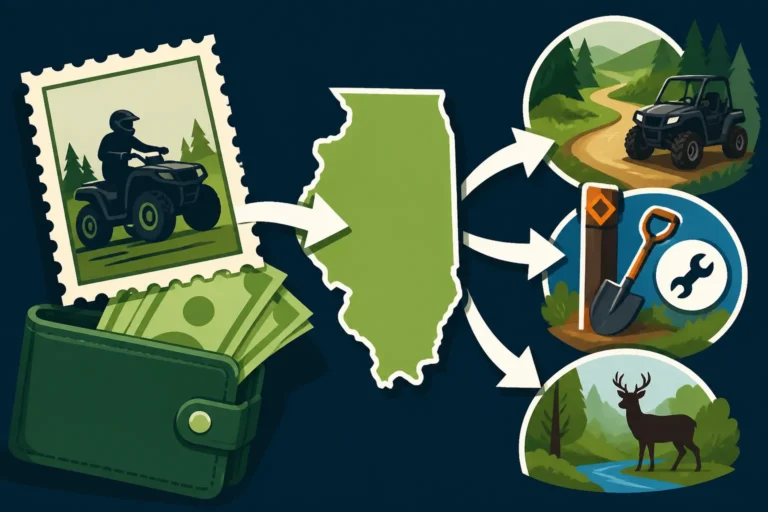
At its core, the Illinois Public Access Decal is a fee-based sticker designed to generate revenue that directly supports grant-assisted OHV riding sites within the state. When you purchase this decal, your money goes back into the very trails and facilities you use. This could mean funding for trail grooming, signage, bridge repairs, erosion control, or even the operational costs of the parks themselves. It's a direct investment in the future of Illinois OHV riding, ensuring that these precious public access points remain open, safe, and enjoyable for everyone. Without these decals, many of the state's most popular riding destinations simply wouldn't have the resources to keep their gates open and trails maintained. It’s a collective effort, and your decal signifies your contribution.
For example, when you plan a trip to a place like Sahara Woods State Recreation Area, or one of the several grant-assisted riding areas around Illinois, the staff at the gate will be looking for this particular decal prominently displayed on your machine. It’s their way of verifying that you've supported the program that keeps these trails running. This is distinct from permits required by private parks, which operate on their own funding models and typically have their own specific entry fees and waiver processes. The Public Access Decal is strictly for those sites that benefit from public funds to offer OHV recreation.
Distinguishing the Decal from the Usage Stamp
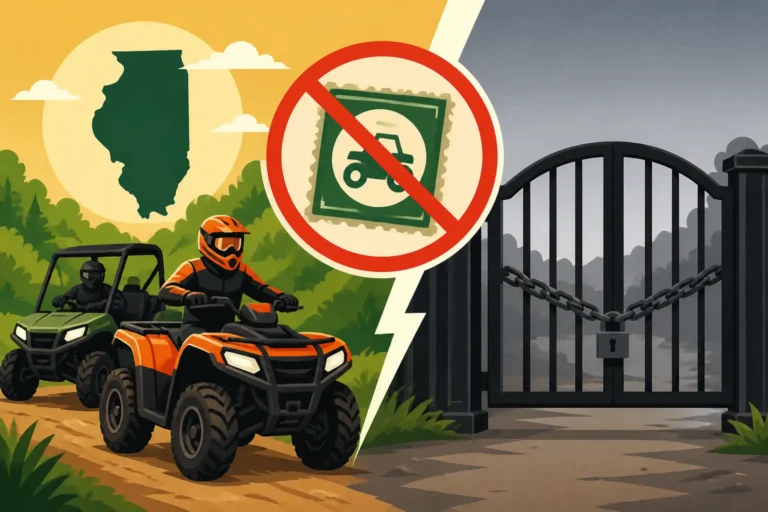
This is where a lot of riders get confused, and honestly, it’s understandable! Illinois has two primary stickers for off-road machines: the Public Access Decal and the Off-Highway Vehicle Usage Stamp. While both are state-issued and required for certain types of riding, their purposes, costs, and where they apply are quite different. Many riders mistakenly believe that if they have one, they don't need the other, or that they are interchangeable. This isn't the case, and understanding the distinctions is critical to avoid fines or denied entry to riding areas. For a more detailed look, you can check out [Illinois Usage Stamp Explained].
The Usage Stamp is generally required for off-road machines used on any lands not specifically designated as "grant-assisted" and not on private property where you have permission. This might include certain public lands (if OHV use is permitted), or perhaps when transporting your machine in a way that falls under specific DNR rules. The Public Access Decal, however, is specifically for those grant-assisted sites. If you ride at one of these sites, the decal is what you need. In some cases, having the Public Access Decal might negate the need for a Usage Stamp for that specific riding activity and location, but it's not a universal replacement. The key takeaway is to always check the specific requirements of where you plan to ride. We have a detailed breakdown of [Illinois Stamps and Decals Compared] that really drills down into these differences.
Let’s lay out the fundamental differences in a quick comparison:
| Feature | Illinois Public Access Decal | Illinois OHV Usage Stamp |
|---|---|---|
| Purpose | Funds and grants access to state-assisted OHV sites. | Supports general OHV programs; required for non-private land use (where permitted). |
| Cost (approx.) | $11 (resident), $17 (non-resident/rental), $25 (dealer) | $15 (plus a small issuance fee) |
| Where it Applies | Designated grant-assisted riding areas (e.g., Sahara Woods). | Most public lands where OHV use is allowed, not covered by a Public Access Decal, or certain private land operations. |
| Who Needs It | Anyone operating an OHV at a grant-assisted site. | Anyone operating an OHV on land other than private property with permission or a grant-assisted site. |
| Validity | Usually annual (specific dates vary slightly). | Annual, expires March 31st. |
This table highlights [Why the Two Stickers Exist] in the first place—they address different funding mechanisms and access requirements within the state's OHV program.
Who Needs an Illinois Public Access Decal?
It might seem straightforward, but figuring out exactly who needs an Illinois Public Access Decal can still be a bit murky depending on your residency, where you ride, and how you obtained your machine. The state has different categories for riders, and each comes with its own set of rules and costs. It's not a one-size-fits-all situation, and understanding your specific obligation is the first step towards ensuring you're legally ready for the trails.
Resident Riders and Their Obligations
If you call Illinois home, and you plan to ride your ATV or UTV at any of the state's official grant-assisted riding areas, then you absolutely need an Illinois Public Access Decal. These are the places that receive state and federal funds to build and maintain trails, facilities, and amenities specifically for OHV enthusiasts. Popular examples include the Sahara Woods State Recreation Area or Mill Creek Park. Without this decal affixed to your machine, you won't be granted entry, regardless of whether you have other permits or stamps. It serves as your official permission slip to use these particular public facilities.
The decal for Illinois residents is priced to be accessible, reflecting the state's desire to encourage participation in these designated riding areas. Historically, the cost has been quite reasonable, often a fraction of what you might pay for a private park entry fee. This cost goes directly into a dedicated fund that supports the very trails you're riding on. So, in essence, you're directly contributing to the upkeep and future development of your favorite riding spots. You can find the current cost for residents by looking up [Illinois Charges $11 for a Resident Decal]. It’s a small investment that yields big returns in terms of access and trail quality.
Non-Resident Riders and Reciprocity (or Lack Thereof)
For our friends and fellow riders visiting Illinois from out of state, the rules regarding the Public Access Decal are a bit different, primarily in terms of cost. Illinois does not have extensive reciprocity agreements with other states when it comes to OHV registration or permits for its designated grant-assisted sites. This means that even if your machine is fully registered and permitted in Indiana, Missouri, or Wisconsin, you will still need to purchase an Illinois Public Access Decal if you intend to ride at an Illinois grant-assisted area like Sahara Woods. It’s simply how the funding model for these specific sites works; the decal directly supports the Illinois-based trails.
The state charges a higher fee for non-resident decals compared to resident ones. This differential pricing is a common practice among states for various licenses and permits, reflecting that residents already contribute to the state's tax base that indirectly supports these facilities. For non-residents, the decal ensures a more direct contribution to the trail system they are utilizing. So, if you're planning a trip to ride Illinois trails, make sure to budget for this decal. You can verify the specific price for visitors by checking [Illinois Charges $17 for a Non-Resident Decal]. This isn't meant to deter out-of-state riders; rather, it's about ensuring fair contributions to the state's OHV infrastructure. While you might wonder [Does Illinois Accept Another State's OHV Registration?], the answer for grant-assisted sites and the decal is generally no.
Rental Fleets and Dealers
The Illinois Public Access Decal isn't just for individual riders; it also extends to businesses that operate off-highway vehicles, such as rental companies and dealerships. If a business offers ATVs or UTVs for rent to the public, and those machines will be used at a grant-assisted riding site, then each rental machine must have its own Public Access Decal. This ensures that every machine utilizing the publicly funded trails is contributing to their maintenance, regardless of who owns it or whether it's being rented out for a day’s adventure. The responsibility for obtaining and properly displaying these decals typically falls on the rental company.
Similarly, OHV dealers and manufacturers also have a specific decal requirement if they plan to use machines for demonstrations, testing, or other purposes at grant-assisted sites. These "dealer decals" are designed to cover multiple machines under a business's umbrella, often at a slightly higher cost per decal, but allowing for flexibility in their fleet. This prevents dealers from having to purchase individual decals for every single machine they might bring to a public riding event or demonstration. You can find the specific pricing for rental decals through [Illinois Charges $17 for a Rental Decal] and for dealer decals at [Illinois Charges $25 for a Dealer Decal]. These business-specific decals are essential for commercial operations to maintain compliance and support the OHV trail system.
Where to Obtain Your Illinois Public Access Decal
Once you’ve determined that you need an Illinois Public Access Decal, the next logical question is: where do you actually get one? Fortunately, the state has made the process relatively straightforward, offering a couple of convenient options to ensure riders can easily comply with the requirements before hitting the trails. Planning ahead is always a good strategy to avoid any last-minute scrambling or disappointment at the trailhead.
Online Purchasing Options
In today's digital age, one of the most convenient ways to obtain your Illinois Public Access Decal is online. The Illinois Department of Natural Resources (IDNR) typically provides an online portal for purchasing various permits and licenses, including the OHV Public Access Decal. This method allows you to complete the transaction from the comfort of your home, print out a temporary permit if needed, and have the physical decal mailed directly to you. It's a great option for those who plan their rides in advance and want to ensure they have all their paperwork in order well before their trip.
Furthermore, for specific state parks like Sahara Woods that are grant-assisted, their online booking systems, often through platforms like ExploreMoreIL, might integrate the decal purchase directly into the reservation process for daily permits. This streamlines the experience, as you can secure your entry to the park and simultaneously purchase the necessary decal in one transaction. Always check the specific park’s website for the most up-to-date information on how to obtain your decal and any associated daily riding permits. Buying online is generally recommended, especially for popular weekends, as it can save you time and hassle when you arrive at the park.
Authorized Vendors and Their Locations
While online purchasing is convenient, sometimes you need a decal on short notice or prefer an in-person transaction. The Illinois Public Access Decal is also available through a network of authorized vendors across the state. These vendors are typically businesses that already handle other state-issued licenses and permits, such as sporting goods stores, bait shops, and some hardware stores. They serve as crucial points of contact for outdoor enthusiasts, making it easy to pick up your decal while grabbing other supplies for your trip.
It's a good idea to call ahead to your local vendor to confirm they stock the OHV Public Access Decal, as inventory can vary. Not every license vendor will necessarily carry every type of permit. This is particularly important for non-resident riders who might be traveling a long distance and need to know [Where an Out-of-State Rider Buys the Decal]. Finding a vendor near your destination or along your route can be a lifesaver if you forget to purchase your decal online. Just remember that these vendors operate during business hours, so plan your purchase accordingly, especially if you're arriving at a riding area during off-hours or early morning.
Proper Placement and Display of the Decal
So you’ve got your shiny new Illinois Public Access Decal in hand. What next? Slapping it anywhere on your machine isn't going to cut it. Just like a license plate on a car, the decal needs to be displayed correctly to be valid. Proper placement isn’t just about aesthetics; it's a legal requirement that allows park staff and conservation officers to quickly and easily verify your compliance. Ignoring these rules can lead to unnecessary delays, a stern lecture, or even a fine, which is definitely not how you want to start or end your riding day.
Visibility is Key: Front and Center
The instructions for the Illinois Public Access Decal are quite specific about its placement: it must be mounted "front and center" on the forward half of your off-highway vehicle. This means somewhere on the front fender, handlebars, or a clear, visible spot on the front portion of the machine where it can be seen without obstruction. The idea is to make it as easy as possible for staff at a gate or an officer on the trail to see and confirm you have the required permit, often without needing to stop you or inspect your machine too closely.
Think about it from an enforcement perspective: imagine a long line of riders waiting to enter a popular grant-assisted park on a busy Saturday morning. If every rider had their decal hidden or in an obscure location, it would slow down the entry process immensely. By requiring [Illinois Decals Mounted Front and Center], the state ensures efficiency and clarity. It's also important to place it on a clean, flat surface where it won't easily get damaged, scratched off, or obscured by mud and debris during your ride. A decal covered in mud is as good as no decal at all in the eyes of an inspecting officer.
Consequences of Improper Display or Absence
Operating an ATV or UTV at an Illinois grant-assisted riding site without a properly displayed Public Access Decal can lead to various penalties. The most immediate consequence will likely be denied access to the riding area. Park staff are trained to look for these decals, and if yours is missing, improperly placed, or unreadable, you simply won't be allowed to unload your machine and hit the trails. This can be incredibly frustrating if you've driven hours to get there, only to be turned away at the gate.
Beyond denied access, there's the possibility of fines. Conservation officers, who patrol these public lands, have the authority to issue citations for non-compliance. These penalties can range from a warning to a significant monetary fine, especially if you're a repeat offender or if your machine is found on trails without any form of valid permit. These fines are designed to encourage compliance and help fund the enforcement efforts that protect the trails and ensure fair use. It’s definitely not a cheap lesson to learn, and it’s easily avoidable by simply adhering to the placement rules and ensuring you have your decal. For a full understanding of the financial implications, refer to [Illinois Penalties for No Decal]. It’s always better to be safe than sorry and ensure your decal is visible and correct before you even leave your driveway.
Renewing and Replacing Your Public Access Decal
Just like vehicle registrations and driver’s licenses, your Illinois Public Access Decal isn't a one-time purchase that lasts forever. It's an annual permit, meaning you’ll need to renew it periodically to continue legally accessing grant-assisted riding areas. Life happens, and sometimes decals get lost, damaged, or simply wear out from exposure to the elements and tough riding conditions. Knowing the process for both renewal and replacement is key to uninterrupted trail enjoyment.
Annual Renewal Process
The Illinois Public Access Decal typically operates on an annual cycle, though the exact start and end dates can sometimes vary or align with the state's fiscal year, so it's always best to double-check the current validity period when you purchase yours. Generally, you'll need to renew your decal each year if you intend to continue riding at grant-assisted sites. This annual renewal process ensures a continuous stream of funding for the maintenance and improvement of these vital OHV areas. Think of it as an annual subscription to your favorite trails.
Renewing your decal is usually as straightforward as purchasing a new one. You can typically do so through the IDNR's online portal or by visiting an authorized vendor, just as you did for your initial purchase. It's a good practice to set a reminder for yourself a few weeks before your decal is set to expire, especially if you plan on riding around that time. Waiting until the last minute might mean a lapse in coverage if there's a delay in shipping or if vendors are out of stock. For specific information on the renewal timeframe, look for details like [When a Resident Access Decal Needs Renewing]. Being proactive with your renewal means one less thing to worry about when you're itching to hit the dirt.
What to Do If Your Decal is Lost or Damaged
Things happen out on the trail. A rogue branch, a particularly aggressive power wash, or simply the vibrations and sun exposure can take their toll, potentially damaging or even tearing off your Public Access Decal. Or, perhaps you misplaced it before you even had a chance to apply it. If your decal is no longer readable or is missing, you effectively don’t have a valid permit, and you'll need to replace it before riding at a grant-assisted site.
Replacing a lost or damaged decal typically involves purchasing a new one. Unfortunately, there isn't usually a free replacement program for lost or damaged permits, as each decal is tied to a specific fee that supports the OHV program. The process is similar to buying a brand-new decal: you'll go through the online portal or visit an authorized vendor and pay the applicable fee again. While it might be frustrating to pay for a decal twice, it’s a necessary step to remain compliant. Always check the official IDNR website for the most current procedures and any specific forms required for replacement, or to understand [Illinois Decal Replacement If Lost]. Keeping a digital copy of your purchase receipt might also be helpful in verifying your original purchase, even if it doesn't exempt you from the replacement fee.
How the Decal Supports Illinois Riding Areas
It's easy to view the Illinois Public Access Decal as just another fee, another hurdle to jump before you can enjoy your ride. But understanding where your money actually goes can transform that perception. This decal isn't merely a revenue generator; it's a vital funding mechanism that directly underpins the existence and quality of the very trails you love to ride. Your purchase is a tangible contribution to the future of off-highway vehicle recreation in Illinois.
Funding Grant-Assisted Sites
The primary purpose of the revenue generated from the sale of Illinois Public Access Decals is to provide financial assistance to "grant-assisted" OHV riding sites. These are typically public lands, or sometimes private lands managed for public access, that have successfully applied for and received state or federal grants to develop, maintain, and operate OHV trails and facilities. The decal fees are often pooled into a dedicated fund that helps match these grants, ensuring that more money can be secured for improvements. This means your decal literally helps keep the bulldozers running, the signs fresh, and the bridges sturdy.
Without this funding stream, many of these trails would fall into disrepair, become unsafe, or simply close down due to lack of resources. The grant money pays for everything from routine trail maintenance (clearing debris, filling potholes, managing erosion) to larger capital improvements (building new parking areas, restrooms, or even expanding the trail system). It also contributes to the administrative costs of managing these sites, including staffing and safety initiatives. So, when you purchase your decal, you're not just buying a sticker; you're investing in the longevity and quality of the Illinois OHV experience. For more insight into [Where the Decal Money Goes], you can often find reports on the IDNR website detailing how these funds are allocated.
Specific Sites Requiring the Decal
To truly understand the impact of the Public Access Decal, it helps to know which specific sites rely on it. The most prominent example is Sahara Woods State Recreation Area, Illinois’s only state-managed OHV park, located in the southern part of the state. Sahara Woods offers miles of diverse trails, and access to this fantastic resource is contingent upon having a valid Public Access Decal. It’s a perfect example of [What a Grant-Assisted Riding Site Actually Is]—a place specifically developed with public funds for OHV recreation.
Beyond Sahara Woods, other areas might also fall under the "grant-assisted" umbrella, such as portions of Mill Creek Park in Clark County, which also offers OHV riding opportunities. While the list of such sites isn't extensive in Illinois compared to some other states, those that do exist are incredibly valuable to the riding community. It’s crucial for riders to check the specific requirements of any public riding area they plan to visit, but as a general rule, if it's a designated state or grant-funded OHV trail system, the Public Access Decal will be required. A key point of convenience: [One Access Decal Covers Every Grant-Assisted Site], so you don't need a separate decal for each individual location, as long as they are part of the state's grant program. This simplifies compliance for riders who enjoy exploring different public trails across Illinois.
Common Misconceptions and FAQs
Despite the clear guidelines, confusion around the Illinois Public Access Decal persists. Riders often have lingering questions or operate under common misunderstandings that can lead to frustration or even legal trouble. Clearing up these misconceptions is vital for every rider in Illinois, ensuring that your time on the trails is spent enjoying the ride, not worrying about paperwork.
Decal vs. Stamp: A Perpetual Confusion
As we touched upon earlier, the most common source of confusion is distinguishing between the Public Access Decal and the Off-Highway Vehicle Usage Stamp. Many riders assume they are interchangeable or that one covers all needs. This is simply not the case. The Decal is for specific grant-assisted riding areas, while the Usage Stamp is for general OHV use on other public lands where riding is permitted, or for certain off-road activities that don't fall under the grant-site umbrella. You might need both if your riding activities take you to different types of terrain.
A common phrase heard is [Why an Access Decal Cancels the Usage Stamp]. This statement needs careful clarification. It’s not that the decal cancels the stamp in a literal sense, but rather that if you are riding at a grant-assisted site for which the Public Access Decal is required, that specific decal covers your access for that location and purpose. In that specific scenario, you wouldn't also need a Usage Stamp for that machine at that moment and place. However, if you were to take that same machine to a different type of public land where OHV use is allowed but it's not a grant-assisted site, you would then need the Usage Stamp. It's about context and location, not a direct cancellation of one by the other for all purposes. Always understand where you are riding and what that specific location demands.
What the Decal Does Not Cover
It’s equally important to understand what the Illinois Public Access Decal does not provide. This sticker is very specific in its function, and it doesn't magically grant you carte blanche for all off-road activities.
- Private Land Access: The decal absolutely does not grant you permission to ride on private land. For private property, you always need explicit permission from the landowner, preferably in writing. Tresspassing is a serious offense, and the decal offers no protection against it.
- Street Legality: Having a Public Access Decal does not make your ATV or UTV street legal in Illinois. Off-highway vehicles generally are not allowed on public roads, streets, or highways unless a specific local ordinance permits it and you meet all additional requirements (like insurance, specific equipment, and often a municipal permit). The decal pertains solely to off-road trails.
- Insurance or Titling: The decal is separate from your machine's title (which proves ownership) or any insurance you might carry. [Illinois ATV Title Certificates Explained] covers the ownership aspect, which is a completely different requirement. While highly recommended, insurance is not universally required for off-road use unless riding on streets where allowed.
- Other Permits: While it covers grant-assisted sites, it doesn't replace permits for specific events, private parks, or specialized licenses (like hunting or fishing licenses) that might be required for other activities on the same land.
Riding without the proper decal at a grant-assisted site can lead to [Illinois Penalties for No Decal]. Similarly, if you are riding on other public lands that require the Usage Stamp and you don't have it, you could face [Illinois Penalties for No Stamp]. Each permit has its own scope and importance, and understanding these boundaries will help you avoid legal headaches and ensure a smooth, enjoyable riding experience.
Integrating the Decal into Your Riding Routine
Making the Illinois Public Access Decal a seamless part of your off-road planning will eliminate stress and ensure you’re always ready for adventure. It's about building good habits and recognizing the decal as a fundamental piece of your riding gear, just like your helmet and boots.
Planning Your Ride with Decal Requirements in Mind
Before you even load up your ATV or UTV and hitch up the trailer, checking the requirements for your destination should be standard practice. If your plans include visiting a grant-assisted riding site in Illinois, make sure purchasing or renewing your Public Access Decal is on your pre-ride checklist. This is especially critical for long-distance trips or holiday weekends when facilities might be busier and checks more thorough. A quick visit to the IDNR website or the specific park's page can confirm current decal requirements and help you avoid a frustrating turn-around at the gate.
Consider adding a step to your ride planning routine: "Check Decal Status." If it's expired or about to expire, get it renewed online or make a note to stop at an authorized vendor. It’s also wise to carry proof of purchase (a printed receipt or a digital copy on your phone) in addition to the physical decal. While the decal itself is the primary proof of compliance, having the receipt can be helpful in rare cases of dispute, or if your decal somehow becomes unreadable mid-ride.
Legal Documentation and Record Keeping
Beyond the decal itself, having a robust system for all your OHV-related legal documentation is a smart move for any rider. This includes your machine's title, proof of insurance (if applicable), any daily park permits, and of course, your decal purchase receipts. Keeping these documents organized and easily accessible, perhaps in a waterproof pouch on your machine or in your tow vehicle, can save you a lot of hassle.
When you're organizing your riding documentation, from your title certificate to your decal purchase receipts, having a system is crucial. Services like LawDepot offer templates for various legal documents, which can be useful for keeping your affairs in order, whether it's drafting a bill of sale for a future machine or just organizing your existing paperwork. For example, if you ever lend your machine to a friend, having a simple written agreement (which LawDepot can help you draft) can clarify responsibilities. Furthermore, maintaining clear records of all your permit purchases, including the Public Access Decal, demonstrates diligence and responsible ownership. This proactive approach to documentation, even for something as seemingly small as a sticker, contributes to a worry-free and compliant riding experience.
Disclaimer
This article is for general informational purposes only and does not constitute professional advice. Laws, prices and regulations vary by location and change over time. Consult a qualified professional for guidance on your specific situation.