Illinois Rules for Riding a Strip Mine
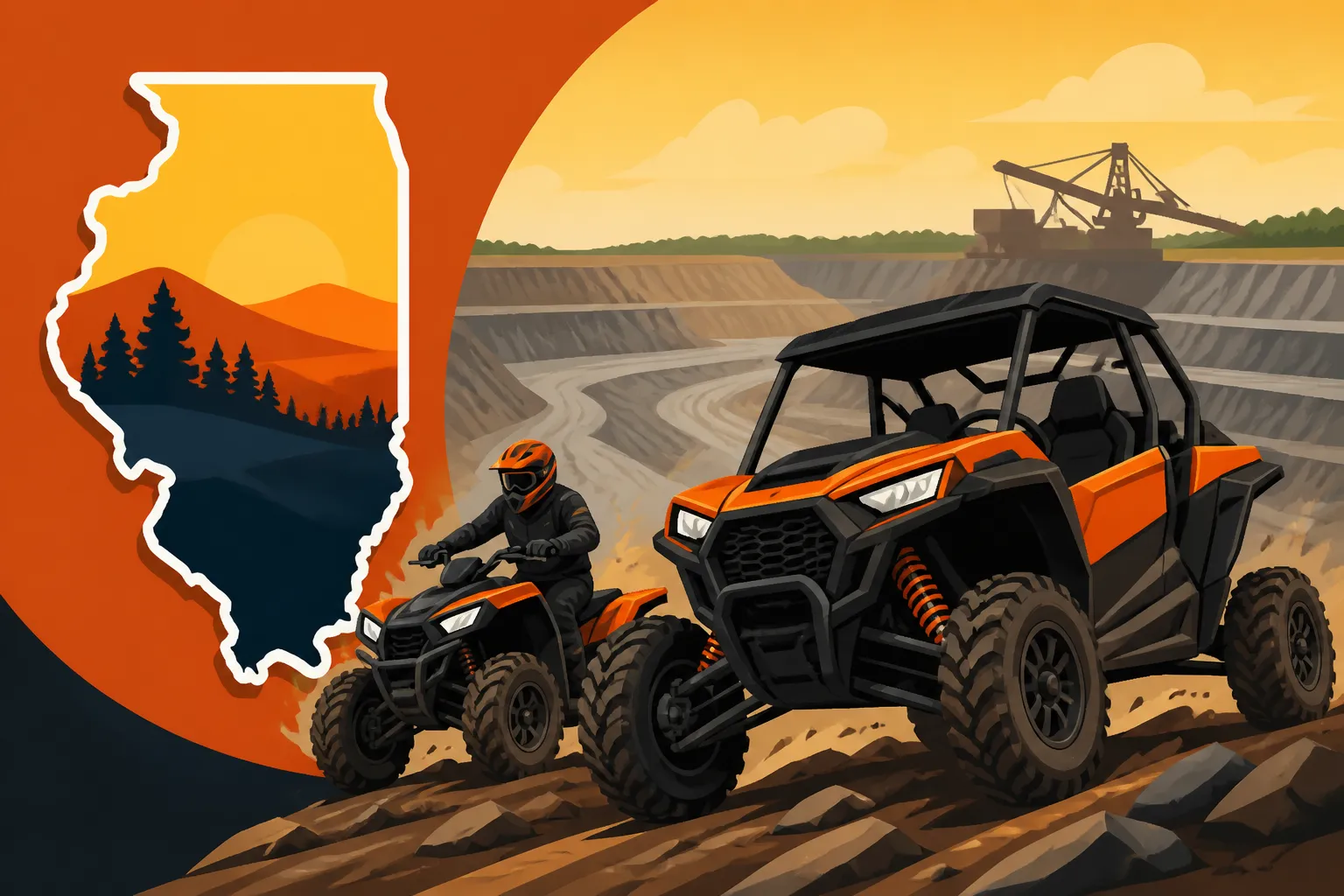
It’s a common sight across Illinois, especially in the central and southern parts of the state: vast stretches of land marked by the legacy of coal mining. We’re talking about those rolling hills, deep pits, and often rugged, untamed landscapes that scream "adventure" to an ATV or UTV rider. But while these former strip mines might look like an open invitation for some thrilling off-road exploration, the reality is often far more complicated, and attempting to ride them without proper authorization can lead to serious trouble. This guide will walk you through the essential rules and realities of riding in these unique, often misunderstood, areas.
The Dangerous Allure of Abandoned Strip Mines
For many riders, the sight of a sprawling, undeveloped strip mine area is like a siren call. You see winding trails carved by erosion, steep inclines, deep ravines, and sometimes even water-filled pits that promise challenging mud bogs and technical climbs. It’s a landscape that naturally ignites the spirit of adventure, offering a stark contrast to the manicured trails of dedicated riding parks. The sense of exploring uncharted territory, pushing your machine and skills to their limits, is undeniably tempting.
However, this allure hides a multitude of dangers and, more importantly, legal pitfalls. These lands, while appearing abandoned, are almost always privately owned. They are not public parks, nor are they implicitly open for recreational use just because there isn't a fence every ten feet. The legal status of these areas is paramount, and ignoring it can turn a fun day out into a costly, and potentially dangerous, ordeal. Riders often assume that if no one is around, no one cares, but that's a gamble that rarely pays off in the long run.
Why They Look So Inviting
The unique topography of strip-mined land is a huge draw. You've got these dramatic elevation changes, a mix of soil types from loose dirt to rocky outcrops, and often dense brush that makes for thrilling, untamed riding. It's the kind of place where you can really put your SuperATV lift kit or heavy-duty axles to the test, navigating obstacles that wouldn't exist on a groomed trail. There might be old service roads, gravel paths, and open clearings mixed with tight, technical sections. For a rider seeking an adrenaline rush and a true off-the-grid feel, it can feel like the perfect playground.
But this very ruggedness is also what makes them so hazardous. Years of mining, followed by natural erosion and reclamation efforts, create an unpredictable environment. Hidden drop-offs, unstable ground, sharp debris from old equipment, and sudden deep water are all common. These aren't trails maintained by a park service; they are wild, ever-changing landscapes that pose significant risks even to experienced riders.
The Problem with "Abandoned" Land
The word "abandoned" is often a misnomer when it comes to former industrial sites like strip mines. While the active mining operations may have ceased decades ago, the land rarely goes unclaimed. It’s either still owned by the original mining company, or it has been sold to another corporation, a private individual, or even a conservation group. These owners often have long-term plans for the land, whether it's further reclamation, timber harvesting, or even future development. Just because you don't see a "No Trespassing" sign every fifty feet doesn't mean you have implied permission to enter.
Thinking of these areas as "abandoned" is a dangerous mental shortcut. It can lead riders to believe there are no rules, no owners, and no consequences. In reality, land ownership is a matter of public record, and simply looking up who owns a parcel of land can quickly reveal that it's far from abandoned. This is where the allure meets the hard reality of [Illinois Trespass Law for Riders].
Understanding Private Property and Trespass Laws
The fundamental rule for riding on any strip mine property in Illinois boils down to one thing: ownership. These lands are private property, and accessing them without explicit permission from the landowner is trespassing. Illinois takes private property rights seriously, and ignorance of who owns the land is rarely considered a valid defense if you're caught riding where you shouldn't be.
You might argue, "But it's just open land, who's it hurting?" The answer is, potentially, the landowner. Property owners face significant liability risks if someone gets injured on their land, even if that person is trespassing. This is why many landowners are quick to prosecute trespassers – it's often a legal protection mechanism for them as much as it is about keeping people off their property.
Who Owns These Lands?
The ownership of former strip mine properties can vary greatly. Some are still held by large coal or mineral extraction companies. These companies often have strict policies against public access due to safety concerns, ongoing environmental remediation, and liability. Others might have been sold to large agricultural concerns, investment groups, or even smaller private landowners who might be using the land for hunting, timber, or personal recreation. In some cases, environmental groups or state agencies might acquire these lands for conservation purposes.
It's critical to remember that even if the land looks wild and undeveloped, it still has a legal owner. This owner has the right to control who enters and what activities take place on their property. There is no "finders keepers" rule when it comes to land.
The Legal Ramifications of Trespassing
If you're caught riding your ATV or UTV on private strip mine property without permission, you could face a range of legal consequences. These aren't minor issues; they can result in significant financial penalties and a mark on your record. [Illinois Penalties for Illegal Street Riding] gives you an idea of the types of fines you might face, and similar penalties can apply to off-road trespass.
Here’s a breakdown of what can happen:
- Fines: Trespassing is typically a misdemeanor in Illinois, carrying fines that can range from hundreds to thousands of dollars. Repeated offenses can lead to escalating penalties.
- Vehicle Impoundment: Law enforcement has the authority to impound your ATV or UTV if you are caught trespassing. Recovering your machine can involve paying towing fees, storage fees, and any associated fines, which can quickly add up to a hefty sum.
- Civil Liability: Beyond criminal charges, the landowner could pursue civil action against you for damages to their property or for any liability they might incur due to your presence on their land. While less common, it’s a possibility, especially if you cause significant damage or an injury occurs.
- Loss of Future Privileges: Being cited for trespassing could impact your ability to gain access to other private lands for hunting or other recreational activities in the future.
- Criminal Record: A conviction for trespassing will become part of your criminal record, which can have long-term implications for employment, housing, and other aspects of your life.
It's a steep price to pay for a few hours of unauthorized riding.
Seeking Permission: A Difficult, But Necessary, Path
So, if riding on strip mine land is so tempting, is there any legal way to do it? The short answer is: possibly, but it's incredibly difficult. The only legal way to ride on private strip mine property is to obtain explicit, written permission from the landowner. This isn't a casual nod from someone you wave to; it needs to be clear, documented consent.
For industrial-sized former mines, getting such permission is exceptionally rare. The liability risks for the owner are often too great to allow public recreational access. They might fear accidents, environmental damage, or interference with ongoing reclamation work. However, if the land has been sold to a smaller private landowner, your chances, while still slim, might improve slightly.
How to (Attempt to) Get Permission
If you're determined to ride a specific piece of strip mine land, here's a realistic approach to seeking permission, though you should manage your expectations:
- Identify the Landowner: This is the crucial first step. You'll need to go to the county recorder's office or use online county GIS mapping tools to identify the legal owner of the parcel you're interested in. Knowing the specific parcel ID will help immensely.
- Contact the Landowner: Once you identify the owner (which could be a person, a corporation, or an LLC), you'll need to find their contact information. For individuals, this might be a public address. For corporations, you might need to contact their corporate headquarters or local office.
- Make a Formal Request (in Writing): A phone call might be a start, but a formal written request, perhaps even with a liability waiver drafted by an attorney, is more likely to be taken seriously. Clearly state what you want to do, when, with how many machines, and for what duration. Emphasize your commitment to safety and respect for the property.
- Understand "No": Be prepared to hear "no." Most large landowners, especially corporations, have blanket policies against recreational access for liability reasons. Even smaller private owners might be hesitant. Do not push, argue, or try to convince them. A "no" means no. [Illinois Private Land Permission Rules] are clear: permission must be granted by the owner.
Remember, even if you do secure permission, it might come with very specific stipulations, such as designated riding areas, time limits, or requirements for certain safety gear. You'll also likely need to demonstrate proof of insurance.
Sanctioned Riding Opportunities
On very rare occasions, some former strip mine lands in Illinois have been repurposed into legitimate, sanctioned off-road riding parks. [Sahara Woods: Illinois's Only State OHV Park] is a prime example of a former mine that has been transformed into a fantastic public riding area. These parks, whether state-run or private, have taken on the liability and put in the work to make the area safe and legal for riders. They've established clear trails, implemented safety rules, and often offer amenities.
If you want to ride the unique terrain of former mining areas, these designated parks are your safest and only legal bet. They often require specific permits, such as the [Illinois OHV Usage Stamp Explained] or an [Illinois Public Access Decal Explained], and have their own set of rules. This is where your heavy-duty SuperATV components, like a reinforced roll cage or enhanced braking system, can really shine on challenging but legal trails.
The Dangers of Unregulated Strip Mine Riding
Beyond the legal risks, riding on unregulated strip mine land presents a host of physical dangers that are far greater than those on designated trails. These are not maintained areas, and every turn could hide a serious hazard.
Unstable Terrain and Hidden Hazards
The very nature of strip mining involves massive earth moving, leaving behind highly disturbed landscapes. Over time, natural processes like rain and erosion continue to reshape these areas, often unpredictably.
- Sudden Drop-offs: What looks like a gentle slope from a distance can quickly become a sheer drop-off as you get closer, especially in areas where mining operations created steep pits or high walls.
- Unstable Cliffs and Overhangs: Some areas might have unstable rock formations or earthen cliffs that are prone to collapse, especially after heavy rains.
- Sinkholes and Subsidence: The ground underneath can be unstable, with old mine shafts or tunnels that can collapse, creating sinkholes.
- Hidden Debris: Old mining equipment, rebar, sharp metal, broken concrete, and other industrial waste can be hidden beneath overgrown vegetation or mud, posing extreme risks to tires, suspension, and riders.
- Deep Water Pits: Many former mine pits fill with water, often creating deceptively deep and murky ponds. These can be impossible to gauge the depth of and may contain hidden debris. Drowning is a real risk.
Lack of Emergency Services
When you ride on unregulated, private land, you are essentially on your own. There are no trail patrols, no emergency call boxes, and often no reliable cell service. If you or a member of your group has an accident, getting help can be incredibly difficult and take a long time. This delay can turn a minor injury into a severe one, or even be fatal.
Consider the time it would take for emergency responders to locate you in a vast, unnamed wilderness area that isn't on any official map for public access. This isolation amplifies every risk you take.
Choosing the Right Place to Ride
Instead of risking fines, impoundment, and personal injury on illegal strip mine lands, focus your energy on finding legal and safe places to ride your ATV or UTV in Illinois. There are sanctioned options that provide the challenge and adventure you seek, without the stress of breaking the law.
Legal Riding Areas in Illinois
Illinois has several designated areas where off-road vehicle riding is permitted. While not all are former strip mines, they offer diverse terrain and, most importantly, legal access.
| Riding Area Type | Description | Key Features |
|---|---|---|
| State OHV Parks | Managed by the Illinois DNR, offering designated trails and facilities. | Established trails, safety oversight, permits required. |
| Grant-Assisted Riding Areas | Publicly or privately managed sites that receive state grants for trail maintenance and development. | Varied terrain, specific rules, often require an [Illinois Access Decal Cost for Residents]. |
| Private Riding Parks | Privately owned and operated parks that charge an entry fee for access. | Often have extreme terrain, amenities, and specific rules. |
| Private Land (with permission) | Individual landowners who explicitly grant permission for riding on their property. | Requires direct, written consent; often for smaller groups or individuals. |
[Illinois ATV Trails: Where You Can Actually Ride] provides a comprehensive overview of these options, detailing where you can go and what to expect. Sahara Woods, in particular, offers challenging terrain that comes from its mining past, but with the safety and legality of a state park.
Preparing for Safe and Legal Rides
Whether you're heading to Sahara Woods or another legal riding spot, always prepare your machine and yourself. Regular maintenance is key, as is equipping your ATV or UTV for the terrain you'll encounter. Brands like SuperATV offer a wide range of accessories, from heavy-duty bumpers to advanced suspension systems, that can enhance both the capability and safety of your machine on rugged trails.
Always carry the necessary permits and proof of ownership. Make sure you understand and follow all park rules, age restrictions, and safety guidelines. Riding legally not only protects you from fines but also helps preserve access for all riders by demonstrating responsible behavior.
The thrill of riding off-road is unmatched, and the unique terrain of Illinois's former strip mines can be incredibly alluring. However, the critical distinction between legal access and trespassing cannot be overstated. Prioritize safety and legality by seeking out sanctioned riding areas or obtaining explicit, written permission from landowners. It's the only way to enjoy the adventure without the heavy burden of fines, impoundment, and personal risk.
Disclaimer
This article is for general informational purposes only and does not constitute professional advice. Laws, prices and regulations vary by location and change over time. Consult a qualified professional for guidance on your specific situation.