Illinois Title for an Imported Machine
Bringing an ATV or UTV into Illinois from another country can feel like navigating a legal jungle gym, especially when it comes to getting it titled. You've likely gone through the federal customs process, only to be hit with the realization that state-level paperwork is a whole different beast. This guide is here to walk you through the unique challenges and precise steps needed to successfully title your imported off-road machine in the Prairie State.
The Initial Hurdle: What "Imported" Really Means for Illinois Titles
When we talk about an "imported" machine, we're not just talking about buying it from Iowa or Missouri; we're talking about bringing it in from overseas, outside the United States. This distinction is absolutely crucial because it means you’re dealing with an entirely different set of federal and state requirements that domestic purchases simply don't have. Many riders find themselves in a bind because they didn't realize the depth of paperwork required beyond simply clearing customs.
Understanding the Customs Paperwork and Release
Before your ATV or UTV can even think about getting an Illinois title, it has to clear U.S. Customs and Border Protection (CBP). This is step one, and if you don't get this right, the rest of the process is a non-starter. You should have received specific documentation upon its release from customs, often including a CBP Form 7501, also known as the Entry Summary. This form acts as official proof that your machine legally entered the country and that any duties or taxes due at the federal level have been paid.
It’s not uncommon for riders to overlook the importance of these initial federal documents once their machine is physically in their possession. However, the Illinois Department of Natural Resources (DNR) or the Secretary of State, depending on the specific machine and how you're applying, will likely want to see proof of legal importation. Think of it as a birth certificate for your machine in the U.S. Without it, Illinois has no way of verifying its legitimate presence. Make sure you keep every single piece of customs paperwork in a safe, accessible place.
The Importance of a Manufacturer's Certificate of Origin (MCO) for Imported Machines
For most new ATVs and UTVs purchased within the United States, the titling process begins with a Manufacturer's Certificate of Origin (MCO), sometimes called a Manufacturer's Statement of Origin (MSO). This document is like the machine's factory-issued birth certificate, verifying its make, model, VIN, and original owner (usually the dealership). It's the cleanest, most straightforward path to getting an [Illinois ATV Title Certificates Explained].
However, when you import a machine, especially an older one or one from a country with different manufacturing and documentation standards, you might not have a familiar MCO. You might have an equivalent document in a foreign language, or perhaps no such document exists in the way we expect it here in the U.S. This is where many of the initial headaches for owners of imported machines truly begin. The absence of a clear MCO means you'll need to work harder to establish an ownership chain that Illinois will accept.
Navigating the Illinois Titling Process Without a Standard MCO
The lack of a traditional MCO for an imported machine is often the biggest stumbling block. Illinois titling requirements are pretty specific, and they want clear proof of ownership and the machine's identity. If your imported ATV or UTV doesn't come with that standard document, you'll need to get creative and provide alternative, equally compelling evidence. This is where patience and meticulous record-keeping truly pay off.
Affidavit of Ownership: Your Backup Plan
When the standard MCO isn't available, or if the imported document simply isn't recognized by Illinois authorities, an Affidavit of Ownership can become your best friend. This is a sworn legal statement, signed under penalty of perjury, declaring that you are indeed the rightful owner of the machine. It outlines how and when you acquired it, its VIN, and any other pertinent details. This is often necessary for machines that are much older, came from a private sale in a country with less stringent documentation, or might even be custom-built or "homemade" but derived from imported parts.
While it might seem like a lot of extra work, creating a robust affidavit is critical. You might consider using a legal document service like LawDepot to help you draft a comprehensive affidavit, ensuring it includes all the necessary legal language and details. Combining a strong affidavit with other supporting documents can bridge the gap when an MCO is simply not an option. Remember, the goal is to provide enough undeniable evidence to satisfy the state's requirement for clear ownership.
Proving Ownership: Bills of Sale and Other Documentation
Beyond the affidavit, a strong, detailed bill of sale is absolutely essential, especially if you purchased the machine from a private seller overseas. This bill of sale should clearly identify the seller and buyer, the date of sale, the purchase price, and a complete description of the ATV or UTV, including its make, model, year, and—most importantly—its Vehicle Identification Number (VIN). If the original bill of sale is in a foreign language, you'll need a certified translation (more on that later). Even if you have an MCO, a bill of sale proves the transaction to you.
Other documentation that can help solidify your claim of ownership includes any foreign registration documents, customs declarations, shipping manifests, and even photographs of the machine at the time of purchase. Every piece of paper that connects you to the machine and its journey to Illinois strengthens your case. The more evidence you can present, the smoother the process of [Illinois Title Without a Bill of Sale] will be, as you'll have robust alternatives. Even if your foreign seller didn't provide a perfect document, you can use a service like LawDepot to generate a supplemental bill of sale here, clearly documenting your acquisition and filling in any gaps.
The Critical VIN Verification for Imported ATVs and UTVs
One of the most crucial steps for any off-road machine, but especially for an import, is the Vehicle Identification Number (VIN) verification. Illinois takes this very seriously, and for good reason: it's how they confirm the machine's identity and ensure it hasn't been reported stolen or built from illicit parts. For an imported machine, this step can sometimes present unique challenges that you wouldn't typically encounter with a domestically manufactured unit.
Why VIN Verification is Non-Negotiable
Illinois law requires a VIN verification for various titling scenarios, and an imported machine falls squarely into this category. The state needs to be absolutely certain that the VIN on your paperwork matches the physical VIN on the machine. This is a safeguard against fraud and theft. If the VIN on your imported ATV or UTV is unclear, damaged, or doesn't conform to typical North American standards, it can cause significant delays or even lead to your titling application being rejected.
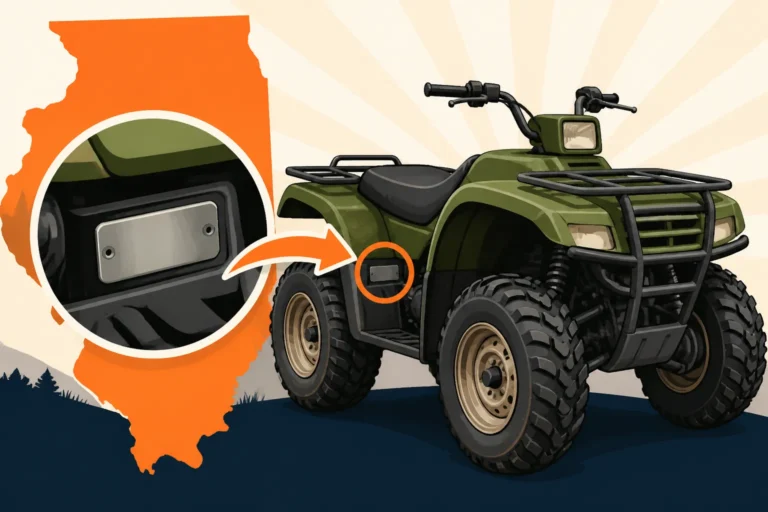
The verification process confirms the existence and integrity of the VIN. It's not just about looking at the number; it's about checking its physical location, how it's affixed, and ensuring it hasn't been tampered with. For an imported machine, especially one from a region with less standardized manufacturing practices, the VIN might be in an unusual spot or stamped in a way that differs from what Illinois officials typically expect. Be prepared to show officials exactly where to find it.
Who Can Perform an Illinois VIN Inspection
To get your VIN verified in Illinois, you generally need to go through an authorized entity. The most common and widely accepted options include:
- Law Enforcement Officers: Police officers, sheriff's deputies, or state troopers are authorized to perform VIN inspections. Many police departments offer this service, though you might need to call ahead to schedule an appointment or find out specific times they perform them. They will typically fill out a specific form (often a Certification of VIN form) after verifying the number.
- Secretary of State Facilities: Staff at designated Secretary of State Driver Services facilities often have the authority to conduct VIN verifications. When you go to [Titling a Quad at a Secretary of State Facility], inquire about their VIN verification services.
- Licensed Illinois Dealers: Sometimes, a licensed Illinois ATV/UTV dealer can also perform a VIN inspection. This is usually more common if you're purchasing a new machine from them, but it's worth asking if you have a good relationship with a local dealer.
Regardless of who performs the inspection, they will fill out and sign the necessary paperwork, which then becomes a critical part of your titling application. Without this official verification, your journey to an Illinois title will grind to a halt.
Overcoming Unique Challenges with Imported Machines
Beyond the standard titling process, imported ATVs and UTVs often come with their own set of unique complications. These can range from language barriers to issues with the machine's identification number itself. Being aware of these potential hurdles and knowing how to address them beforehand can save you a lot of time and frustration.
Dealing with Foreign Language Documents
It's highly likely that some of your crucial ownership documents—such as the foreign bill of sale, original registration papers, or even a foreign equivalent of an MCO—will not be in English. When this happens, Illinois requires a certified translation. This isn't just a casual translation you do yourself or have a friend do. A "certified" translation means it has been performed by a professional translator who attests to the accuracy and completeness of the translation, often accompanied by an affidavit from the translator.
You'll need to find a reputable translation service that specializes in legal and official documents. They will provide the translated document along with their certification, which you will then submit with your titling application. Failing to provide certified translations will almost certainly result in your application being returned, prolonging the entire process. Plan for this expense and time commitment in advance, as it's a non-negotiable step for any non-English paperwork.
When the VIN is Missing or Unreadable
This is perhaps the biggest nightmare scenario for anyone trying to title an imported machine: discovering the VIN is missing, illegible, or appears to have been altered. A clean, verifiable VIN is the cornerstone of any vehicle title. If you find yourself in this situation, do not despair, but understand that the process will become significantly more complex. Illinois cannot issue a title without a clear identifying number.
If the VIN is truly missing or unreadable, you will likely need to apply for a "special identifying number" through the Illinois DNR or Secretary of State. This process involves a thorough investigation to confirm the machine's origin and to rule out any illicit activity. It often requires a detailed inspection by law enforcement, extensive documentation of your efforts to find the original VIN, and potentially a signed affidavit (again, LawDepot can assist with templates for such affidavits) explaining the situation. The state will then issue a new, unique identifying number that will be permanently affixed to your machine and used for titling. This is a lengthy and arduous process, so it's best to confirm the VIN's presence and readability before you even purchase an imported machine. This process is covered generally by the guidance found in [Illinois Title When the VIN Is Gone].
Taxes and Fees for an Imported Machine
Just like any other vehicle purchase, an imported ATV or UTV is subject to Illinois sales or use tax, as well as titling fees. Don't be surprised by these costs; they are a standard part of bringing any machine into the state's titling system. The amount of sales or use tax you owe will generally be calculated based on the purchase price of the machine, regardless of where it was purchased.
If you bought the machine from a private seller overseas, you'll typically pay a flat fee for the private-party use tax, which is different from the percentage-based sales tax charged by a dealer. You'll also need to budget for the standard [Illinois ATV Title Cost], which is a separate fee for processing the title itself. Keep detailed records of your purchase price and any shipping costs, as these may factor into the tax calculation. For more specifics on the taxes involved, you can refer to [Illinois Use Tax on a Machine Brought Home].
| Document Type | Standard Domestic Purchase | Imported Machine (Non-US Origin) |
|---|---|---|
| Primary Proof of Ownership | Manufacturer's Certificate of Origin (MCO) | MCO (if available & recognized), Foreign Registration, Affidavit of Ownership |
| Proof of Sale | Bill of Sale from Dealer or Private Seller | Bill of Sale (from foreign seller), Customs Invoice/Declaration |
| Identification | Driver's License/State ID | Driver's License/State ID |
| Machine ID | Clear VIN | Clear VIN (with VIN Verification) |
| Tax Form | ST-556 (Dealer) or RUT-50 (Private Party) | RUT-50 or RUT-25 (for gifts) |
| Titling Form | VSD-190 (Application for Title) | VSD-190 (Application for Title) |
| Additional Documents | Lienholder information (if financed) | Customs Entry Summary (e.g., CBP Form 7501), Certified Translations, Lienholder information |
Step-by-Step: Titling Your Imported Machine in Illinois
Now that you understand the unique challenges, let's break down the practical steps to actually get that Illinois title in your hand. This process requires diligence and a clear understanding of what Illinois authorities need from you. It's a bit like assembling a complex puzzle, but with all the right pieces, you can get it done.
Gathering All Necessary Paperwork
The first, and arguably most important, step is to meticulously gather every single document you possess related to your imported ATV or UTV. Think of yourself as building a bulletproof case for ownership. Here’s a comprehensive checklist of what you'll likely need:
- Customs Entry Summary: Your CBP Form 7501 or equivalent proof that the machine legally entered the United States and all duties were paid.
- Proof of Ownership: This could be an MCO (if you have a recognizable one), foreign registration documents, or a comprehensive Affidavit of Ownership. If relying on an affidavit, you can find templates on sites like LawDepot to ensure it's legally sound.
- Bill of Sale: A detailed bill of sale from the person or entity you purchased the machine from. It must include the seller's and buyer's information, date of sale, purchase price, and the machine's full description, including the VIN.
- Certified Translations: For any of the above documents that are not in English. Do not skip this; it must be a professional, certified translation.
- VIN Verification Form: The completed and signed form from a law enforcement officer, Secretary of State facility, or authorized dealer confirming the machine's VIN.
- Lienholder Information: If you financed the purchase, you’ll need information about your lienholder.
- Identification: Your valid Illinois driver's license or state ID.
- Proof of Address: Documents verifying your current Illinois residency.
It’s a lot, we know, but having everything in order from the start will prevent unnecessary delays. For a more general overview, you might also find the [Illinois Title Paperwork Checklist] helpful to cross-reference common requirements.
Submitting Your Application
Once you have all your ducks in a row with the paperwork, it's time to submit your application to the state of Illinois.
- Complete Form VSD-190: This is the "Application for Vehicle Transaction" form. You'll need to fill out all relevant sections, paying close attention to the details regarding the machine's origin and how you acquired it. Make sure you accurately record the VIN as verified.
- Attach All Supporting Documents: This includes everything from your customs forms and certified translations to your bill of sale, affidavit, and VIN verification. Organize them neatly so the clerk can easily review them.
- Submit in Person or by Mail:
- In Person: The most recommended method, especially for complex cases like imported machines. Visit a Secretary of State Driver Services facility. Present your documents to a clerk, who can often point out any immediate issues or missing information. This can save you weeks of back-and-forth mailing. For help finding a location, see [Titling a Quad at a Secretary of State Facility].
- By Mail: If you choose to mail it, send all original documents (or certified copies where originals are not required) via certified mail with a return receipt requested. This provides proof that your application was received.
Don't forget to include payment for the titling fee and any applicable use tax. Without proper payment, your application won't be processed.
What to Expect After Submission
After you’ve submitted your application and all supporting documents, it’s a waiting game. The processing time can vary significantly, especially for imported machines that require extra scrutiny. While it's impossible to give an exact timeframe, know that it won't be an overnight process. For typical applications, the [Illinois Title Processing Time] gives a general idea, but for imports, expect it to potentially take longer.
Be prepared for the possibility that the Illinois Secretary of State or DNR may request additional information or clarification. This is not uncommon, so respond promptly and thoroughly to any inquiries. Once processed, Illinois will issue a "title only" certificate for your ATV or UTV. Remember, Illinois titles but does not register ATVs or UTVs for general public road use, so you won't receive a license plate. The title certifies your ownership. Understanding [What "Title Only" Means on a Title Application] can help manage your expectations.
Disclaimer
This article is for general informational purposes only and does not constitute professional advice. Laws, prices and regulations vary by location and change over time. Consult a qualified professional for guidance on your specific situation.