Buying From a Private Seller in Illinois
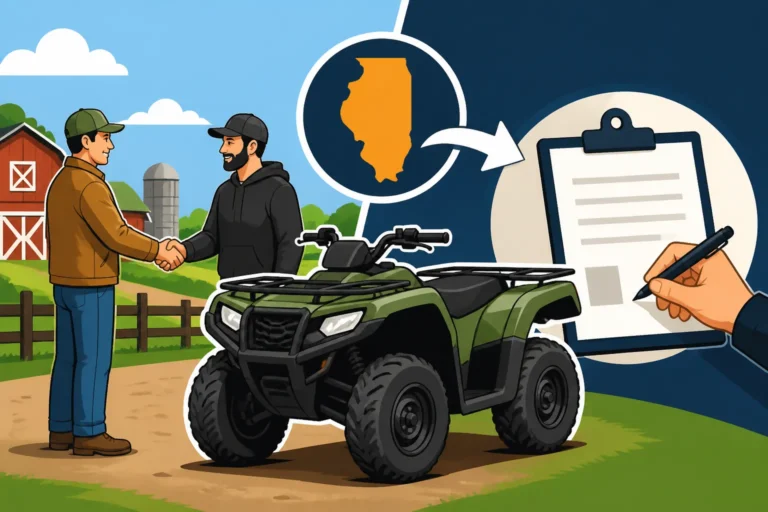
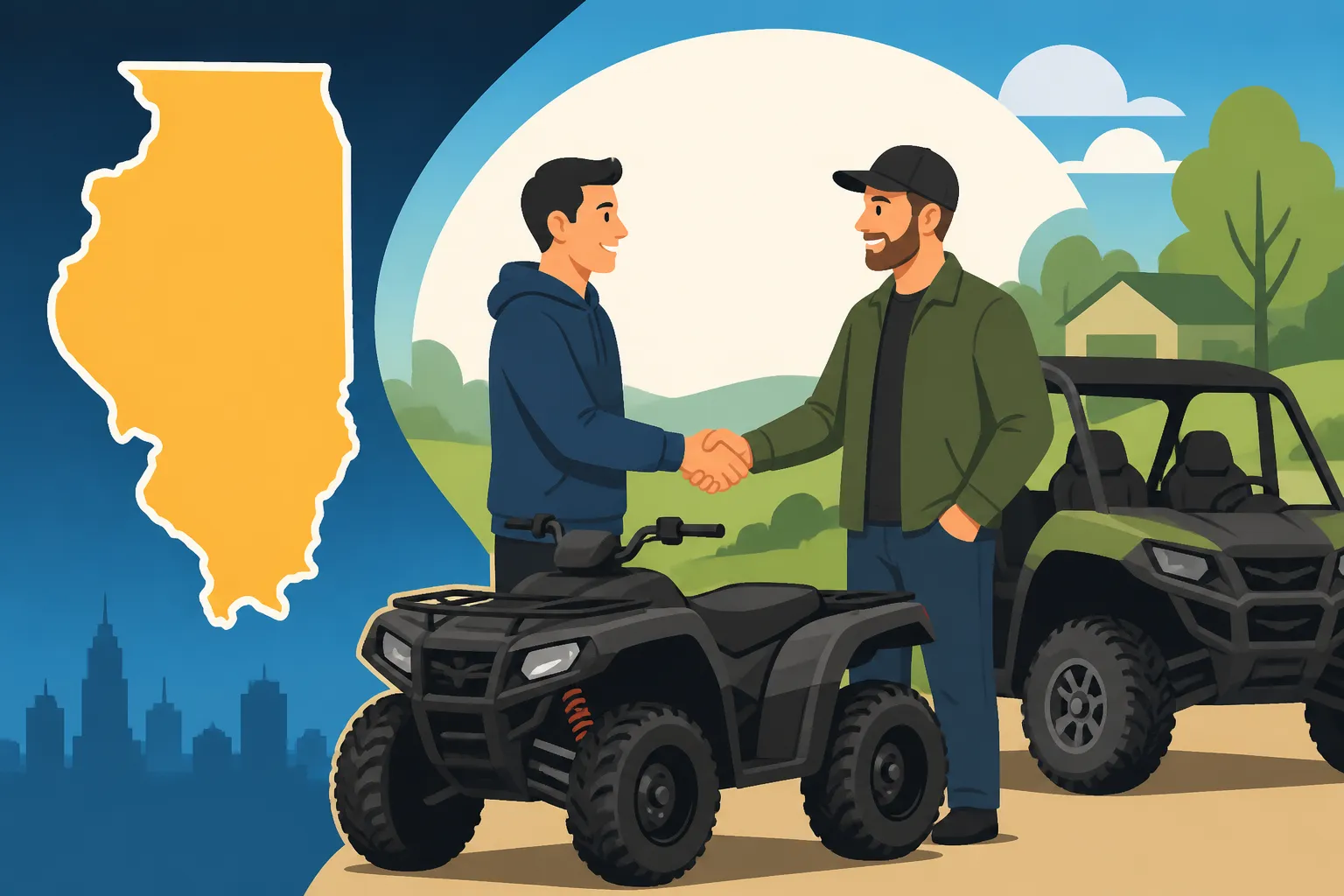
Buying an ATV or UTV from a private seller in Illinois can feel a lot like navigating a maze blindfolded. You're probably excited about hitting the trails or getting some serious work done around your property, but the thought of getting scammed, ending up with a lemon, or just botching the paperwork is enough to make anyone hesitant. This guide is designed to cut through that confusion, giving you a clear, step-by-step roadmap to confidently purchase an off-road machine directly from another owner here in the Prairie State.
The Initial Hunt: Finding Your Dream Machine and Avoiding Nightmares
Finding the perfect ATV or UTV is often half the battle, and when you're buying from a private party, you're not just looking for a machine – you're also evaluating a seller. It’s a process that requires a sharp eye and a lot of smart questions.
Where to Look and What to Ask
The first step is figuring out where to even begin your search. Most private sales happen online these days, whether it's on dedicated marketplace websites, social media groups for off-road enthusiasts, or local classifieds. Sometimes, a "for sale" sign on the side of the road or a word-of-mouth lead from a friend can also turn up a gem. No matter where you find it, your detective work starts immediately.
Once you spot a machine that catches your eye, resist the urge to jump in the car right away. Start with a list of questions for the seller. How long have they owned it? What do they primarily use it for (e.g., trail riding, farm work, hunting)? When was the last time it was serviced, and by whom? Have there been any major repairs, accidents, or modifications? Why are they selling it? Their answers, or lack thereof, can tell you a lot. For instance, if a seller seems overly vague about maintenance history or gives a flimsy reason for selling a practically new machine at a rock-bottom price, that's a classic red flag. You're looking for honest, straightforward answers that build trust and paint a clear picture of the machine's past.
Researching the Seller and the Machine's History
Once you've had a preliminary chat and the machine still looks promising, it’s time to dig a little deeper. One of the most critical steps is to get the Vehicle Identification Number (VIN). Every ATV and UTV has one, usually stamped on the frame. This isn't just a random string of characters; it's the machine's unique fingerprint, and it can unlock a wealth of information about its history.
With the VIN in hand, you can perform a stolen vehicle check. This is absolutely non-negotiable. Imagine buying a machine, only to find out later it was stolen, leading to its confiscation and you losing your money. It's a nightmare scenario that's easily avoidable. You can use online services, or sometimes even contact local law enforcement, though police departments may have varying policies on providing this information to private citizens. Beyond theft, a VIN check can sometimes reveal if a machine has been reported as salvaged, flood-damaged, or involved in major accidents. While Illinois may not have the same extensive reporting for off-road vehicles as it does for cars, any information you can glean is valuable. Always check out [Running a Stolen Vehicle Check Before You Pay].
Ask the seller for any service records, repair receipts, or owner's manuals they might have. A seller who has meticulously kept records often indicates a machine that has been well-maintained. If they can show you a stack of oil change receipts, tire replacements, or major service work, that's a huge positive. If they shrug and say "I just kept up with it myself," that's not necessarily a deal-breaker, but it does put more pressure on you during the physical inspection.
The Inspection and Test Ride: Getting Up Close and Personal
This is where you get hands-on and confirm everything the seller has told you, and then some. Don't be shy about thoroughly inspecting every nook and cranny. Remember, once you hand over the money, the machine is yours, "as-is."
What to Inspect Before You Ride
Before you even think about starting the engine, give the ATV or UTV a thorough visual inspection. Start with the tires – check the tread depth, look for cracks in the sidewalls, and see if they're evenly worn. Uneven wear can indicate alignment issues or worn suspension components. Next, move to the suspension: bounce each corner of the machine to feel for proper dampening and listen for any clunks or squeaks. Check for bent A-arms, leaky shock seals, or damaged boots around the CV joints.
Crawl underneath and look at the frame. Are there any cracks, severe rust, or signs of welding that might indicate major repairs from an impact? Inspect the engine bay for any fluid leaks – oil, coolant, brake fluid. Check the fluid levels and colors; dark, sludgy oil or contaminated coolant can signal neglect. Make sure the brakes feel firm, the lights (headlights, tail lights, brake lights) all work, and the throttle and brake levers operate smoothly without excessive play. Examine the exhaust system for cracks or holes. Check the battery terminals for corrosion. Give all the cables and hoses a once-over. Look at [The First Things a Used-Quad Buyer Should Check] for a detailed list. Any aftermarket modifications should be noted, as they can sometimes void warranties or indicate hard riding.
The Importance of a Test Ride and How to Do It Safely
A test ride is absolutely crucial; it’s your chance to feel how the machine truly operates. If a seller is reluctant to let you test ride, that's a massive red flag. They might be trying to hide a mechanical issue that only reveals itself under power. Always insist on a test ride in a safe, open area, and make sure you have the seller's permission. Prioritize safety: wear a helmet, gloves, and appropriate riding gear, just as you would on your own machine. If you don't have a helmet, ask if the seller has one you can borrow, or bring your own.
During the test ride, pay close attention to several things. Does the engine start easily, hot or cold? Does it idle smoothly? How does it accelerate? Listen for any unusual noises – knocks, pings, grinding, or whining from the engine, transmission, or differentials. Test the brakes at various speeds to ensure they stop the machine effectively and evenly. Shift through all the gears, both forward and reverse, to check for smooth engagement and any slipping. Pay attention to the steering – does it pull to one side, or does it feel loose? Does the suspension absorb bumps without bottoming out? A well-maintained machine should feel predictable and responsive. Don't be afraid to take it through a few turns, up a small incline, or over some mild uneven terrain (if the location allows) to truly gauge its performance.
The Paperwork Trail: Securing Your Ownership
Once you've found the perfect machine and it's passed your rigorous inspection and test ride, it's time to seal the deal with the right paperwork. This is where many private sales can go awry if not handled correctly, especially when it comes to Illinois-specific requirements.
Understanding Illinois Titling Requirements for ATVs/UTVs
Here in Illinois, off-highway vehicles (OHVs) like ATVs, UTVs, and dirt bikes are considered "title-only" machines. This means they get a title certificate, much like a car, but they are not registered with license plates for street use. The key takeaway is that the seller must possess a clear, unencumbered Illinois title for the machine they are selling you. Without it, you cannot legally become the owner. For a deeper dive, check out [Illinois Titles but Does Not Register ATVs].
If a seller claims they don't have a title because the machine is "old" or "was never titled," you should be extremely wary. Illinois has required titles for OHVs since 1998, so any machine made after that year should absolutely have one. Even older machines may have been voluntarily titled. While it is possible to eventually title a machine without a previous title, it can be a lengthy, complex, and sometimes costly process involving surety bonds or court orders. For a private sale, it’s generally best to walk away if the seller can't produce a clear title in their name. This helps you avoid potential headaches, legal battles, or unknowingly buying a stolen machine. Understand that a "title-only" machine doesn't mean no paperwork; it means a specific kind of paperwork. You can learn more about what this means on the application process by reading [What "Title Only" Means on a Title Application].
Crafting a Solid Bill of Sale
Even with a signed-over title, a comprehensive Bill of Sale is your best friend in a private transaction. This document legally records the details of the sale and protects both you and the seller. It acts as a clear record of the agreement made.
A robust Bill of Sale should include:
- Date of Sale: The exact date the transaction takes place.
- Buyer Information: Your full legal name, address, and contact information.
- Seller Information: The seller's full legal name, address, and contact information.
- Machine Details: The make, model, year, color, and most importantly, the Vehicle Identification Number (VIN) of the ATV or UTV. Include the odometer or hour meter reading at the time of sale.
- Purchase Price: The agreed-upon selling price, clearly stated in both numbers and words.
- "As-Is" Clause: Most private sales are "as-is," meaning you're buying the machine in its current condition with no warranties from the seller. This should be explicitly stated.
- Signatures: Both the buyer and seller must sign and date the document. It's also a good idea to have a witness (not directly involved in the sale) sign, or even have it notarized for extra legal weight.
You can find templates for a Bill of Sale online, and resources like LawDepot offer customizable forms that you can tailor to your specific needs. Using a professionally drafted template, even for a private sale, adds a layer of professionalism and legal protection. Without a proper Bill of Sale, resolving any future disputes or proving ownership can be incredibly difficult, especially if the title has issues. While [Illinois Title Without a Bill of Sale] can be a complex process, having a strong bill of sale can certainly help your case if you ever face such a situation.
Transferring the Title and Paying Taxes
The moment of truth arrives when you exchange funds for the machine and its title. The seller should sign over their existing Illinois Certificate of Title directly to you. Make sure the seller's signature matches the name printed on the title, and that there are no erasures or alterations on the document. Any errors could cause issues when you try to transfer it into your name.
Once you have the signed title and your Bill of Sale, you have 30 days from the date of purchase to apply for a new title in your name with the Illinois Department of Natural Resources (DNR). You'll typically do this by submitting a completed application form (often a VSD-190, though always verify the current form with the DNR or Secretary of State). This can be done at a Secretary of State facility or by mail. You'll need the signed-over title, the Bill of Sale, and proof of your identity and address. For the full process, read [Applying for an Illinois Off-Road Title].
When you transfer the title, you will also pay the applicable Illinois sales tax. For private party sales of ATVs and UTVs in Illinois, a flat private-party tax applies. This is different from the percentage-based sales tax you'd pay at a dealer. Always be aware of the exact cost, as fees and taxes can change. Generally, it's the buyer who pays the title transfer fee and the sales tax. To avoid any surprises, read [Illinois ATV Title Cost] and [Illinois's Flat Private-Party ATV Tax]. It's also worth noting [Who Pays the Title Fee in a Private Sale] is typically understood to be the buyer. Keep all your documentation, including the Bill of Sale and copies of your title application, for your records. The process for [Illinois Title Transfer After a Sale] is pretty straightforward, but details matter.
After the Sale: Getting Ready to Ride
Congratulations! You've successfully navigated the private sale process and are now the proud owner of an ATV or UTV. But before you hit the trails, there are a few more important steps to ensure you're riding legally and safely in Illinois.
Securing Your Illinois Usage Stamp and Access Decal
Illinois has two distinct stickers that most riders will need if they plan to use their machine on any public land or grant-assisted riding sites: the OHV Usage Stamp and the Public Access Decal. These are often confused, but they serve different purposes. The OHV Usage Stamp helps fund the state's OHV program and is required for most off-road riding. The Public Access Decal, on the other hand, is specifically for use at grant-assisted riding areas. What often confuses people is that if you purchase the Public Access Decal, you typically do not need the Usage Stamp. The decal effectively covers the stamp requirement at those specific sites. It’s important to understand the distinctions, so check out [Illinois OHV Usage Stamp Explained] and [Illinois Public Access Decal Explained].
You can purchase the Usage Stamp and Access Decal through various vendors, including some sporting goods stores that sell hunting and fishing licenses, or directly from the Illinois DNR. Make sure you get the correct one for your residency status, as prices can vary. For example, [Illinois Charges $15 for a Usage Stamp]. These stickers usually need to be renewed annually, so keep an eye on the expiration dates. Understanding the difference between [Illinois Usage Stamp vs Access Decal] is key to ensuring you're compliant, as having the wrong one could lead to fines.
| Sticker Type | Purpose | Where to Obtain | Annual Renewal? |
|---|---|---|---|
| OHV Usage Stamp | Funds state OHV programs; generally required for riding | DNR vendors, sporting goods stores, online | Yes |
| Public Access Decal | Required for grant-assisted riding sites; often waives stamp requirement at these sites | DNR vendors, sporting goods stores, online | Yes |
Insurance and Maintenance for Your "New" Machine
While Illinois does not typically require insurance for off-road vehicles used strictly off public roads, it's a wise investment to consider. Accidents can happen on private land, and theft is always a risk. Comprehensive coverage can protect your investment against damage, fire, or theft, even if it's just sitting in your garage or shed. Liability coverage can protect you if you accidentally injure someone or damage their property while riding. Don't assume your homeowner's insurance will cover your ATV or UTV; most policies have exclusions for motorized vehicles. Talk to your insurance agent about a specific off-road vehicle policy.
Once the machine is legally yours, it’s a good idea to perform some baseline maintenance, even if the seller provided meticulous records. This establishes a fresh starting point for you. Change the oil and filter, check and replace the air filter if needed, inspect the spark plugs, and check all fluid levels (coolant, brake fluid, differential fluids). Grease all fittings, check tire pressure, and ensure all nuts and bolts are properly torqued. This helps you familiarize yourself with your new machine and gives you peace of mind that it's in top operating condition for your first ride. Imagine hitting the trails, only to discover an overlooked maintenance issue leads to a breakdown far from home – a proactive check can prevent that headache.
Disclaimer
This article is for general informational purposes only and does not constitute professional advice. Laws, prices and regulations vary by location and change over time. Consult a qualified professional for guidance on your specific situation.