What a Grant-Assisted Riding Site Actually Is
It's easy to feel lost when you're just looking for a legitimate place to enjoy your ATV or UTV in Illinois. With so much land seemingly off-limits, and the rules around public access feeling complex, finding a safe, legal, and fun spot to ride can be a real headache. This guide is here to unravel the mystery behind "grant-assisted riding sites" in the Prairie State, explaining exactly what they are and how they offer some of the best opportunities for off-road enthusiasts like us.
What Makes a Riding Site "Grant-Assisted"?
When we talk about a "grant-assisted riding site" in Illinois, we're really digging into a special kind of partnership that benefits off-road riders directly. These aren't just random patches of dirt; they are specific areas where the Illinois Department of Natural Resources (DNR) has collaborated with local government agencies or even private organizations to create and maintain trails specifically for off-highway vehicles (OHVs). The "grant" part comes from state funds, often fueled by the fees we pay for our [Illinois OHV Usage Stamp Explained] and [Illinois Public Access Decal Explained].
Think of it this way: riding an ATV or UTV isn't allowed just anywhere. Many state parks, forests, and other public lands are closed to motorized vehicles. This is where the grant program steps in. The DNR uses funds from the state's Off-Highway Vehicle Trails Program to provide financial assistance to local governments (like a county park district) or private groups (like an OHV riding club) that want to develop or maintain designated riding areas. This financial help covers things like trail construction, maintenance, signage, amenities, and even some operational costs, making it possible for these sites to exist and thrive.
These grants are crucial because they ensure that there's a dedicated, managed infrastructure for legal OHV recreation. Without this funding, many of these sites wouldn't be able to offer the quality and safety riders have come to expect. It's a way for the state to directly support the riding community by funneling back a portion of the fees collected from OHV owners into creating and preserving places for us to ride. This collaborative effort helps to mitigate illegal riding and promotes responsible land use, which is a win-win for everyone involved, from riders to environmental advocates.
The Role of the Illinois DNR
The Illinois Department of Natural Resources isn't just a silent partner; they are the backbone of the grant-assisted program. They administer the Off-Highway Vehicle Trails Program, setting the guidelines, reviewing applications, and distributing the funds. Their involvement ensures that these sites meet certain standards for safety, environmental protection, and recreational quality. They want to see well-managed trails that offer a good experience without undue impact on natural resources.
The DNR also provides oversight and technical assistance, helping local entities plan and execute their trail projects effectively. For example, if a county park wants to convert an old quarry into an OHV park, the DNR might help them with trail design, erosion control strategies, or even acquiring specialized equipment. This hands-on approach ensures that the grant money is used wisely and that the resulting riding areas are sustainable and enjoyable for years to come. Ultimately, the DNR's goal is to create a network of legitimate riding opportunities across Illinois, and the grant program is their primary tool for achieving that.
Funding From Your Fees
It's a common question: where does all the money from those usage stamps and decals actually go? A significant portion directly feeds into this grant program. When you pay for your annual [Illinois Usage Stamp Expire March 31] or your [Illinois Charges $11 for a Resident Decal], you're not just buying a sticker; you're investing in the future of Illinois OHV riding. This is why it's so important to have your permits in order – not only is it the law, but it's how you contribute to maintaining and expanding our riding opportunities.
These fees are specifically earmarked for OHV-related purposes, meaning they can't simply be diverted to other state projects. This dedicated funding stream is vital for the grant-assisted sites, as it provides a stable and predictable source of income for development and maintenance. So, the next time you're securing your [Illinois Decals Mounted Front and Center] or wondering [Where the Usage Stamp Goes on Your Machine], remember that these small annual expenses collectively build and sustain the very places we love to ride. It’s a direct feedback loop: riders pay, and those payments create and preserve riding land for riders.
The Benefits of Riding at a Grant-Assisted Site
Riding at a grant-assisted site offers a whole host of advantages that you won't necessarily find on private land or unauthorized areas. First and foremost, you get peace of mind. You know you're riding legally, on trails specifically designed for OHVs, which immediately removes the worry of trespassing or getting into trouble with law enforcement. These sites are generally well-maintained, with marked trails that are routinely checked for hazards, providing a safer environment than unmarked or unregulated terrain.
Beyond legality and safety, grant-assisted sites often provide better facilities and a more organized riding experience. You're likely to find designated parking areas, restrooms, and sometimes even camping facilities. The trails themselves are usually varied, offering different levels of difficulty to suit everyone from beginners to seasoned experts. This structured environment means you can focus on enjoying your ride, exploring new terrain, and spending quality time with fellow enthusiasts, rather than constantly scanning for "No Trespassing" signs.
What's more, these sites are often run by passionate individuals or groups who genuinely care about the sport and the land. They might host events, offer riding clinics, or simply foster a friendly, community-oriented atmosphere. This sense of camaraderie and shared passion adds another layer of enjoyment to the riding experience, turning a simple ride into a chance to connect with like-minded people. It's more than just a place to ride; it's a hub for the Illinois OHV community.
Managed Trail Systems and Amenities
One of the standout features of grant-assisted sites is their managed trail systems. These aren't just random paths; they are carefully planned and maintained to provide a sustainable and enjoyable riding experience. Trails are typically marked with signage indicating direction, difficulty levels, and important warnings, helping riders navigate safely. This prevents riders from getting lost or accidentally venturing into sensitive areas that could be damaged.
For example, [Sahara Woods: Illinois's Only State OHV Park] boasts miles of diverse trails, from wide, easy paths to more challenging, technical sections. Such sites often have clear entry and exit points, staging areas for unloading machines, and sometimes even wash stations to clean up after a muddy day. These amenities, funded in part by grants, enhance the overall visitor experience significantly. Having restrooms, picnic areas, and clear maps makes a day trip much more comfortable and accessible for families and groups.
Community and Events
Many grant-assisted riding areas foster a strong sense of community. Because they are legitimate and managed, they become natural gathering places for local riders and clubs. You'll often find these sites hosting organized rides, charity events, poker runs, and educational programs. These events are fantastic opportunities to meet new people, share tips, and experience the trails in a group setting.
The very nature of these sites encourages responsible riding and camaraderie. When you show up, you're usually greeted by fellow enthusiasts and park staff who are all there for the same reason: to enjoy the sport. These interactions can lead to new friendships, riding partners, and a deeper appreciation for the OHV community in Illinois. It’s a stark contrast to the isolation that can come from trying to find a place to ride illegally or without proper support.
Navigating the Rules and Requirements
While grant-assisted sites offer fantastic opportunities, they also come with specific rules and requirements you absolutely must follow. The most fundamental requirement for most of these sites is the [Illinois Public Access Decal Explained]. This decal, often called the "grant site decal," signifies that you've paid the necessary fee to use these state-supported riding areas. It's distinct from the usage stamp, though sometimes both are required or one may exempt you from the other. Understanding [Why the Two Stickers Exist] is key here.
Each specific site might also have its own unique set of rules, often posted prominently at the entrance or on their website. These can cover things like operating hours, noise limits, helmet requirements (especially for youth riders), passenger restrictions, and even specific trail etiquette. Ignoring these rules isn't just disrespectful; it can lead to fines, being ejected from the park, or even the temporary closure of parts of the trail system. Always check the individual park's regulations before you load up your machine and head out.
Decals and Stamps: Your Ticket to Ride
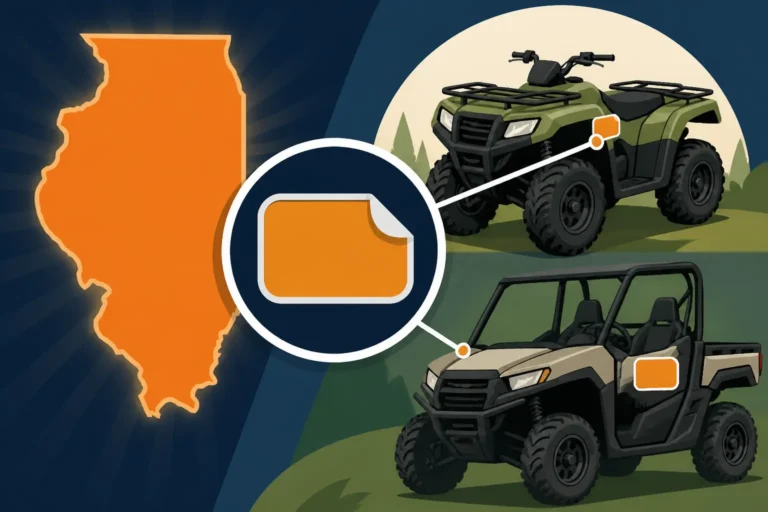
For most grant-assisted sites, your primary credential will be the Illinois Public Access Decal. This annual sticker explicitly grants you access to areas that have received state funding for OHV trails. It's critical to understand that [One Access Decal Covers Every Grant-Assisted Site], so you don't need a separate sticker for each location. However, it doesn't automatically cover private parks that don't receive DNR grants.
The decal is a visible sign to park staff and conservation officers that you're authorized to be there. [What a Conservation Officer Can Ask to See] includes proof of this decal, along with proof of ownership and a valid driver's license if you're riding a UTV that could potentially be street-legal in some areas. If you're caught riding without the proper decal, you could face [Illinois Penalties for No Decal], which nobody wants. It's a small annual fee that saves you a lot of potential headaches and contributes to the upkeep of the trails you love.
Site-Specific Rules and Waivers
While the state decal covers access, each grant-assisted site will have its own operational guidelines. These often include age restrictions for riders, requirements for [Illinois Rules for Young Riders], and rules about machine specifications (like spark arrestors or width limits for certain trails). Many sites also require riders to sign a liability waiver before entering. This is a standard practice to protect the managing entity from legal claims in case of an accident.
It’s always a good idea to check the park's official website or call ahead before your visit, especially if it's your first time or if you're bringing someone new. This way, you can be sure your machine meets the requirements and that you're aware of any specific safety protocols or closures. For instance, [Mill Creek Park's Acres in Illinois] might have different rules than [Little Egypt Off Road in Illinois], even though both are grant-assisted. Understanding these nuances can make the difference between a smooth day of riding and an unexpected complication. When it comes to liability waivers or understanding the legal specifics of recreational land use, resources like LawDepot can be helpful for those who want to grasp the legal implications of documents they might encounter or create.
Finding and Supporting Illinois' Grant-Assisted Riding Opportunities
So, now that you know what a grant-assisted site is, how do you find them, and how can you help ensure they continue to provide great riding? The Illinois DNR website is your best first stop for an official list of [Illinois Grant-Assisted Riding Areas]. They typically provide information on locations, amenities, and contact details. Word-of-mouth among the riding community is also a powerful tool; local clubs and forums are excellent places to get current information and recommendations.
Supporting these sites is as simple as following the rules, paying your fees, and riding responsibly. When you buy your usage stamp and decal, that money goes back into the system. When you visit a grant-assisted park and abide by their rules, you're helping to show that OHV recreation can be done safely and respectfully. Positive behavior from riders helps ensure that these sites remain open and continue to receive funding for their vital operations.
Where to Find Current Information
The Illinois DNR's ExploreMoreIL website is the official hub for information about many state-managed and grant-assisted recreational opportunities. This is where you'd typically go to book permits for sites like Sahara Woods. Beyond that, local park district websites, county tourism bureaus, and dedicated OHV club websites are excellent resources. A quick search for "Illinois ATV trails" or "Illinois UTV riding areas" will often point you toward these fantastic resources.
It's crucial to always verify information before you travel, as operating hours, trail conditions, and specific rules can change. [Illinois Trail Conditions Before You Tow] can save you a wasted trip if a park is closed due to weather or maintenance. Checking social media pages for these sites or calling their offices directly can also provide the most up-to-date details. Having multiple sources for current information helps ensure you have a great, hassle-free riding experience every time.
How Your Participation Helps
Every time you lawfully obtain your [Illinois Charges $15 for a Usage Stamp] and [Illinois Charges $11 for a Resident Decal], you are contributing directly to the sustainability of these riding areas. This funding is essential for everything from repairing erosion on trails to maintaining parking lots and restrooms. Your fees literally keep the trails open and safe for everyone.
Beyond the financial contribution, your responsible riding habits are vital. When riders respect the land, stay on marked trails, and follow all posted rules, it demonstrates that OHV enthusiasts are responsible stewards of the environment. This positive image helps secure continued support for the grant program and can even encourage the development of new riding opportunities in the future. Becoming involved with local OHV clubs, many of which partner with these sites, is another great way to support these invaluable resources and connect with the community. For those interested in formalizing club structures or understanding their legal responsibilities, platforms like LawDepot can provide useful templates for agreements and organizational documents.
| Feature | Grant-Assisted Riding Site | Private OHV Park | Unregulated Public Land |
|---|---|---|---|
| Funding | State grants (DNR), OHV fees, local budgets | User fees, memberships | None (Illegal for OHVs in IL) |
| Management | DNR, local government, partner organizations | Private owner/operator | None |
| Access | Requires [Illinois Public Access Decal Explained] (and/or stamp) | Day pass, membership fee | Not permitted for OHV use in Illinois |
| Legality | Fully legal, designated riding | Fully legal, designated riding | Illegal for OHV recreation in Illinois |
| Amenities | Parking, restrooms, marked trails | Often more extensive: camping, pro shops, events | None |
| Rules | State rules + site-specific regulations | Site-specific rules | N/A (Rules for no riding) |
| Impact of Fees | Directly supports state OHV program & trail maintenance | Supports private business & amenities | No benefit, often leads to citations and resource damage |
Disclaimer
This article is for general informational purposes only and does not constitute professional advice. Laws, prices and regulations vary by location and change over time. Consult a qualified professional for guidance on your specific situation.