Where the Decal Money Goes
It can be incredibly confusing to navigate all the different permits and fees associated with riding your ATV or UTV in Illinois. You buy a sticker, you pay a fee, but then you wonder, "Where exactly does that money go? Am I just contributing to a black hole, or is it actually making a difference for us riders?" This guide is here to shed some light on the Illinois Public Access Decal and show you precisely how those funds are put to good use, directly benefiting the riding community.
Understanding the Illinois Public Access Decal
Let's start by demystifying the Illinois Public Access Decal. It's more than just a sticker you slap on your machine; it's a vital part of supporting the very places we love to ride. Many riders get frustrated, thinking it's just another tax, but understanding its purpose can help alleviate some of that confusion.
What is the Public Access Decal For?
The Illinois Public Access Decal is specifically designed to fund the creation, maintenance, and improvement of off-highway vehicle (OHV) riding areas throughout the state. Think of it as your direct contribution to ensuring there are safe, well-maintained, and enjoyable places for you to hit the trails. Without these funds, many of the grant-assisted riding sites we depend on simply wouldn't exist or wouldn't be able to offer the quality experiences riders expect. It's not for every piece of land in Illinois, but rather for those designated "grant-assisted" sites. This includes places like Sahara Woods, which is the state's only dedicated OHV park, and other privately or locally managed sites that receive state grants. For a deeper dive into what these sites are, check out [What a Grant-Assisted Riding Site Actually Is].
Imagine showing up to a trail system only to find overgrown paths, broken signage, or dilapidated facilities. That's the reality that the decal money helps prevent. It contributes to making sure the trails are clear, bridges are safe, and amenities like parking areas and restrooms are functional. It's about providing a sustainable infrastructure for our sport.
Who Needs to Buy This Decal?
The Public Access Decal is required for any ATV, UTV, or off-highway motorcycle that you plan to operate on an Illinois grant-assisted riding site. This isn't just for Illinois residents; visitors from out of state also need to purchase one if they want to ride at these specific locations. This ensures that everyone who uses these publicly supported trails contributes to their upkeep. Whether you're a seasoned local rider or just passing through from Indiana or Missouri for a weekend adventure, if you’re heading to a grant-assisted park, this decal is a must-have. Even if you're renting a machine from a dealer or using one from a rental fleet, that machine will need a decal. This universal requirement ensures fairness and broad support for the trail system.
It's a common point of contention, especially for new riders or those used to different rules in other states. You might wonder, "Why do I need another sticker?" The answer lies in the specific funding mechanism for these dedicated riding areas. The decal is tied directly to accessing those specific trails. You can find more details about who needs one in [Illinois Public Access Decal Rules].
The Cost of the Decal
The cost of the Illinois Public Access Decal varies depending on your residency. Illinois residents typically pay one rate, while non-residents, rental machines, and dealers usually pay a slightly higher fee. It's designed this way to ensure residents, who often benefit more frequently from these facilities, contribute a foundational amount, while also asking visitors and commercial entities to help support the upkeep.
For example, a resident might pay a lower amount for their decal, whereas someone visiting from Wisconsin or a business running a rental fleet would pay a different, slightly higher fee. These differences, while small individually, add up to a significant pool of funds that directly support OHV recreation. It's always a good idea to check the current rates before you plan your purchase, as they can sometimes be adjusted. You can find information on specific pricing in articles like [Illinois Charges $11 for a Resident Decal] and [Illinois Charges $17 for a Non-Resident Decal]. These fees are not arbitrary; they are set to meet the operational and maintenance needs of the grant-assisted sites.
Following the Trail of Your Decal Dollars
Once you've purchased your Illinois Public Access Decal, it's natural to wonder what happens to that money. It doesn't just disappear into a general fund; it's earmarked for specific purposes that directly benefit the OHV community. Knowing this can turn a frustrating fee into a meaningful contribution.
How the Funds are Allocated
The money collected from the sale of Illinois Public Access Decals goes into a dedicated fund, typically managed by the Illinois Department of Natural Resources (IDNR). This fund is then used to issue grants to various entities – often local governments, park districts, or non-profit OHV clubs – that manage and maintain public OHV riding areas. These are the "grant-assisted sites" we've been talking about. The grant program is a structured way to ensure that the money directly supports OHV facilities.
When a county park district, for example, wants to expand its trail system, improve its parking lot, or add new restrooms at an OHV park, they can apply for a grant from this fund. The IDNR reviews these applications, and if approved, the decal money helps finance these projects. This means your contribution isn't just sitting in a bank account; it's actively flowing towards real-world improvements for riders. This allocation process ensures transparency and accountability for how the funds are used. Without this dedicated funding stream, many potential improvements or even the continued operation of existing sites would be in jeopardy.
Specific Projects and Maintenance
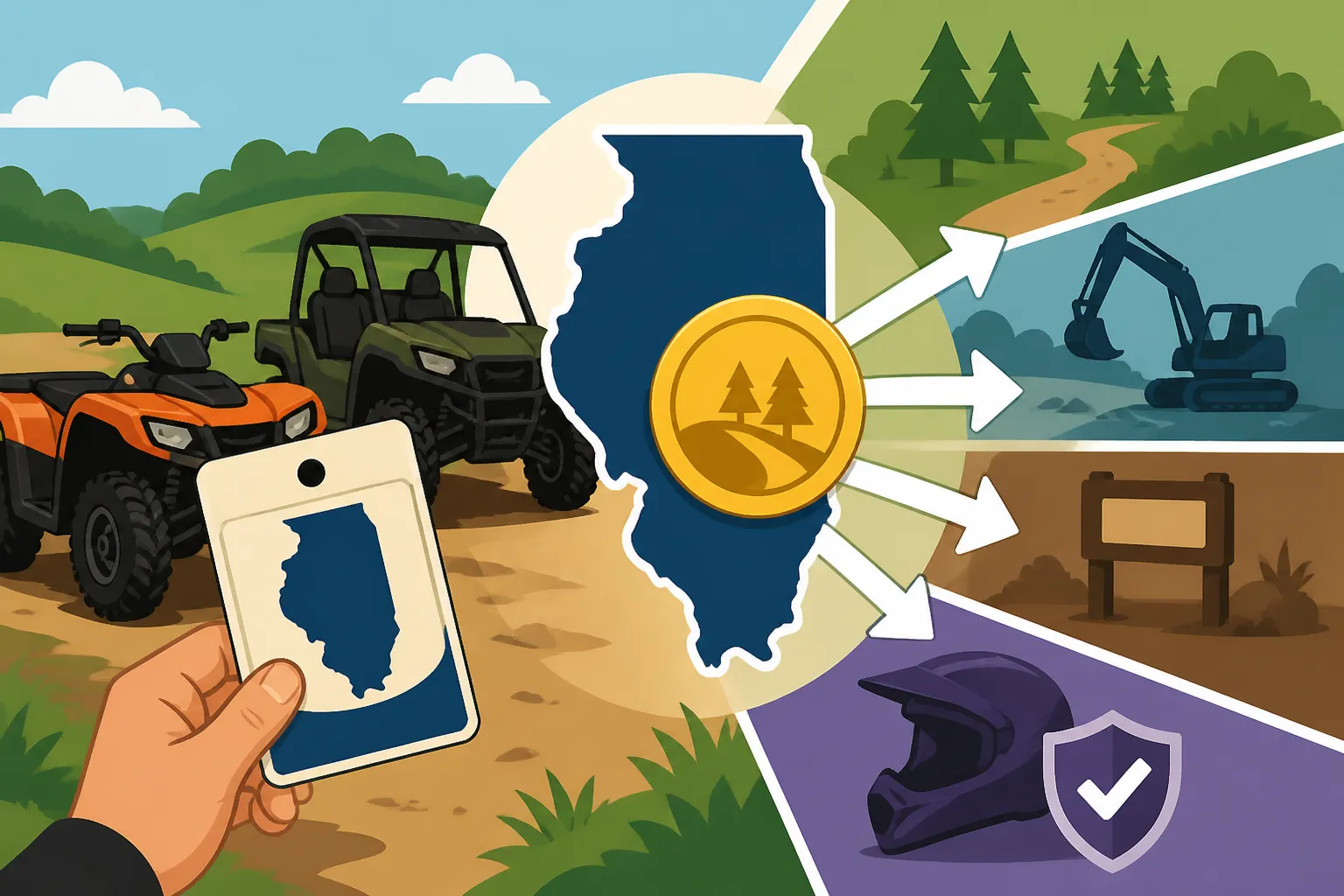
So, what exactly does this money pay for on the ground? It covers a wide range of essential services and improvements at grant-assisted riding areas. Here are just a few examples:
- Trail Maintenance and Development: This is perhaps the most obvious. Decal funds help pay for trail grading, clearing downed trees, repairing erosion damage, building and maintaining bridges, and even creating new sections of trail. Imagine the cost of equipment, fuel, and staff hours needed to keep dozens of miles of trail in top shape – the decal money directly supports this.
- Facility Improvements: Beyond the trails themselves, the money supports critical infrastructure like parking lots, restrooms, signage, picnic areas, and warming shelters. These amenities enhance the overall riding experience and ensure rider comfort and safety.
- Safety and Environmental Stewardship: Funds can also go towards safety initiatives, such as clear trail marking, hazard mitigation, and even educational programs about responsible riding. It also helps with environmental efforts like invasive species control and habitat restoration within or adjacent to riding areas.
- Equipment Purchases: Sometimes, grant money might be used by parks or clubs to purchase essential equipment like trail-grooming machines, UTVs for patrol, or maintenance tools, ensuring they have what they need to keep operations running smoothly.
Think of the detailed work that goes into a site like Sahara Woods' 30 Miles in Illinois, or the efforts of a club managing 50 Miles of Club Trail. Every bit of that maintenance, every new sign, every repaired culvert, benefits from these funds. It's a continuous cycle of funding and improvement that keeps our riding areas viable and enjoyable.
Unpacking the "Two Sticker" System: Decal vs. Stamp
One of the biggest sources of confusion for Illinois riders is the existence of two different stickers: the Public Access Decal and the OHV Usage Stamp. Many wonder why they need both, or if one cancels out the other. It's a valid question, and understanding the distinct purposes of each is key.
Deciphering the Two-Sticker System
The Illinois OHV Usage Stamp is a broader permit. It's required for any off-highway vehicle operated anywhere off private property in Illinois, unless a specific exemption applies. This includes riding on private land with permission that isn't your own, or participating in organized events. The money from the Usage Stamp typically goes into a different state fund that supports a wider range of conservation efforts and programs, not just specific OHV trails. You might think of it as a general permit to operate an OHV in the state. [Illinois OHV Usage Stamp Explained] goes into more detail about its purpose.
The Public Access Decal, as we've discussed, is specifically for accessing those grant-assisted OHV riding sites. It's a direct user fee for the maintenance and improvement of those particular trail systems. So, while the stamp is a general requirement for most off-road riding, the decal is for a very specific type of riding location. It’s like having a fishing license (the stamp) and then also needing a special permit to fish in a particular, heavily managed trophy lake (the decal).
When One Cancels the Other
Here's where it gets a little tricky, but it's important to understand the exemption. If you purchase an Illinois Public Access Decal for your machine, you are generally exempt from needing to also purchase the Illinois OHV Usage Stamp for that same machine. This is a crucial point that many riders miss, leading to unnecessary purchases. The thinking is that if you're paying into the system directly to support specific OHV trails via the decal, you don't need to pay the more general Usage Stamp as well. The decal covers that base.
So, if your primary goal is to ride at places like Sahara Woods or other grant-assisted sites, getting the decal means you're good to go for those sites and you don't need the stamp. This exemption is designed to avoid redundant fees for riders who are actively supporting the dedicated trail systems. However, if you only ride on private land with permission and never visit a grant-assisted site, you might only need the Usage Stamp (depending on the specifics of where you're riding and if other exemptions apply). This topic is further clarified in [Illinois Usage Stamp vs Access Decal].
Here's a quick comparison of the two stickers:
| Feature | Illinois OHV Usage Stamp | Illinois Public Access Decal |
|---|---|---|
| Purpose | General permit for operating an OHV off private property | Specific access permit for grant-assisted OHV riding sites |
| Who Needs It | Most OHV operators in Illinois (unless exempt) | All OHV operators at designated grant-assisted sites |
| Cost Basis | Flat fee, annually renewed | Varies by residency (resident, non-resident, rental, dealer) |
| Where Money Goes | Broader conservation & OHV programs (IDNR fund) | Direct grants for OHV trail development & maintenance (IDNR fund) |
| Exemption | Decal holders are exempt from needing the stamp | Stamp holders still need the decal for grant sites |
| Placement | Forward half of the machine (visible) | Front and center of the machine (visible) |
The Tangible Benefits of Decal Funding for Riders
It's easy to get caught up in the details of fees and forms, but it's crucial to remember the end game: better riding experiences for everyone. The Public Access Decal is a direct investment in the future of off-roading in Illinois.
Supporting Grant-Assisted Riding Areas
The most immediate and obvious benefit of your decal purchase is the direct support it provides to Illinois's grant-assisted riding areas. Without this funding, these parks and trails would struggle to operate, let alone improve. Think about the feeling of riding a well-maintained trail, with clear signage, safe crossings, and facilities that make your day more enjoyable. That's the result of these funds at work.
These funds enable managers to:
- Maintain existing trails: Preventing erosion, clearing debris, and ensuring the trails remain safe and challenging.
- Develop new trails and features: Expanding the network of rideable land, offering new challenges, and spreading out rider impact.
- Improve amenities: Upgrading parking, building new restrooms, providing wash stations, or installing camping facilities at places like [Illinois OHV Camping With Trail Access].
- Ensure sustainability: Investing in long-term plans to protect the environment while providing recreational opportunities.
Essentially, every decal purchased contributes to making your next ride, and the rides of countless others, a better and safer experience. It’s an investment in your passion.
Ensuring Future Generations Can Ride
Beyond the immediate benefits, the decal funds play a critical role in ensuring that off-road riding remains a viable and growing recreational activity for years to come. In a state like Illinois, where public access to open land can be limited, designated OHV areas are incredibly valuable. By funding these sites through the decal program, we're not only maintaining them for current riders but also preserving and expanding opportunities for the next generation.
This means that today's youth riders, like those learning the ropes on a [Illinois Title for a Youth Quad], will have places to develop their skills and enjoy the sport. It helps ensure that when families plan their weekend trips, there will be well-funded, properly managed parks available. Investing in these trails through the decal program helps to counter the shrinking amount of open land and the increasing pressures on outdoor recreation. It demonstrates that the OHV community is willing to support its own infrastructure, which is vital for securing continued access and developing new riding areas in the future. The decal is a small price to pay for the longevity of a sport we all love.
Disclaimer
This article is for general informational purposes only and does not constitute professional advice. Laws, prices and regulations vary by location and change over time. Consult a qualified professional for guidance on your specific situation.